

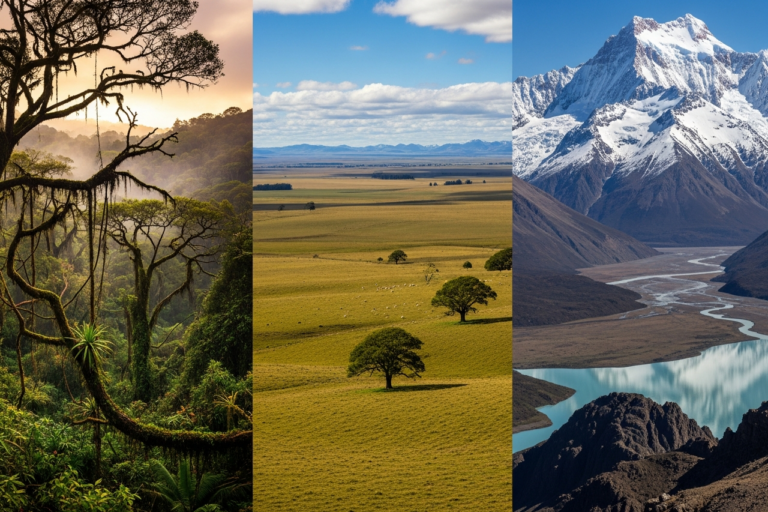
Key Highlights
-
Argentina has many different climates. In the north, it is more warm. In the far south, it can get very cold.
-
The weather conditions change a lot from one place to another. Things like the Andes Mountains, where you are on the map, and how close the ocean is can make a difference.
-
Buenos Aires has a temperate climate. The summer months are hot and full of humidity. Winters are cool.
-
Patagonia is known for being cool, dry, and windy, mostly in the far south.
-
Rain in the country does not fall the same everywhere. The northeast gets high precipitation. The northwest and parts of Patagonia are dry.
-
The country has four seasons. How you feel each season is not the same everywhere. It depends on where you go.
Introduction
Welcome to Argentina. It is a big country in South America. The land and weather there are very different from one place to another. Argentina stretches from hot tropical parts all the way down to places near the South Pole. You can find a different kind of weather in each part of the country, so every visitor can have a new experience.
A lot of Argentina has a temperate climate, but that is not the case for every place. There are big differences in weather depending on where you go. If you want to plan your best trip, it helps to understand these changes. There are those famous busy cities, and there are quiet natural spots, too. This guide will help you know what to look for when it comes to Argentina’s weather.
Understanding Argentina’s Climate Zones
Argentina is a very large country, and because of that, it has many different climate zones. The country goes from 22° to 55° south latitude. This wide span gives Argentina many ways the weather can change. The country’s climate depends on its latitude, how close you are to the ocean, and the big Andes Mountains that stand in the west.
It is important to know about these climate zones before you travel. What you take with you and the best time to go will rely on if you pick the humid north, the calm plains, or the cold parts in the south. In this guide, we talk about how the country’s geography shapes the weather. Then, we will show the main climate zones in the country.
Overview of Argentina’s Geographic Diversity
The Andes Mountains stretch along the western side of the country. They are a big reason for the many types of weather you find in Argentina. When you go north of 40° S, the high peaks in the Andes keep the Pacific’s wet air out. This makes the northwest part of the country dry.
When you move farther south, the Andes Mountains are not as high. This lets wet winds from the west bring rain to a narrow strip over the mountains before the air gets dry over the Patagonian plateau. This makes the green Andean forests look very different from the dry, open steppes.
The weather changes a lot from north to south. In the northeast, some places have thick, green forests. Farther south, there are flat, windy plains, called Patagonia. Even farther down, Tierra del Fuego has a colder, sub-Antarctic feel. The coastal areas along the Atlantic also help control the temperature for the country. This is what makes the weather in the country so different in each place.
Influence of Latitude and Altitude on Weather
Latitude and altitude are two big things that shape weather conditions in the country of Argentina. Because the country stretches far from north to south, latitude matters a lot. The north is closer to the equator. So, people there get warmer, more tropical, or subtropical weather. But when you travel south to the end of the country, it gets much colder, like sub-Antarctic areas.
Altitude is also important. In western Argentina, the Andes Mountains make temperatures drop as you go up from sea level. The average altitude can make weather feel very different even if you are near a lower area. For example, the Puna area in the northwest is at a high altitude and has cool, dry weather, even though it is often warm in other spots in the country.
Because of both latitude and altitude, you can find a wide range of weather conditions in the country just by going up or down in elevation, even if you stay in the same region. That is why you need to think about both when you make plans to travel.
Main Climatic Zones Across the Country
Argentina is mostly split into a few main weather areas. In the north of the country, there are warm climates. Part of this area around the Littoral region has a subtropical climate with rain all year and no dry season. Other northern provinces have a subtropical climate with a clear dry season in the winter.
The middle of Argentina gets a temperate climate. Buenos Aires and other parts nearby have humid and mild weather, with summers that are warm and winters that are cool. Places like Córdoba and San Luis are in the mountains and have an arid temperate climate. There is less rain, and the temperature changes more during the year.
Other parts of Argentina have arid climates or cold climates. Arid climates are found in the Puna and the Patagonian steppe, where rain is rare. Cold climates show up in the Patagonian-Fuegian Andes. These places get rain in the winter and near some peaks, there is snow all year. In the Magellanic and Nival zones, it rains all year and some high parts are covered with permanent snow.
Seasonal Patterns Across Argentina
Argentina gets four clear seasons in the year, but what they feel like can change a lot depending on where you are in the country. During the summer months, there is a lot of heat and humidity, mostly in the north and center of the country. The winter months can be very cold in Patagonia and the Andes, with freezing weather and snow.
The way the weather changes during the year affects more than just people’s plans. It also shapes the annual rainfall, the average temperature, and what people like to do in each part of the country. When you look at summer, autumn, winter, and spring in Argentina, you will see that each part of the country has its own way of feeling every season.
Characteristics of Summer (December to February)
The summer months in Argentina, from December to February, are hot and can be humid, mostly in the north and central parts. Buenos Aires and the Pampas often get high temperatures between 25°C (77°F) and 35°C (95°F). There are summer storms and many sunshine hours.
In the northeast, like Formosa and Misiones, the weather is very hot and humid. There is a lot of heavy rainfall. Temperatures sometimes go up to 40°C (104°F). But it is different in Patagonia. Summer is cooler and drier there. Chubut and Santa Cruz have nice temperatures from 15°C (59°F) to 25°C (77°F). This weather is good for hiking and exploring outside.
Central Argentina has high temperatures in the summer months as well. These weather conditions make the coastal areas a busy spot, and many locals go there for a break. The days are long and the evenings are warm, so people like to be outside at cafes or do other fun activities.
Autumn Climate Variations (March to May)
Autumn in Argentina is from March to May. This is the time when the weather changes from hot to cool. The heat of summer goes away, and it gets dry in most parts of the country. You will also see the trees start to change color, especially if you go to wine areas like Mendoza.
In the north of the country, the average temperature drops. The heavy summer rains slow down. Cities like Salta and Tucumán get cooler and drier days. You can see the temperature be between 15°C (59°F) and 25°C (77°F) most days. Buenos Aires and the Pampas also get cooler. This makes it a good time to walk around the city because it is not hot and you do not feel sticky from humidity.
If you go to Patagonia, you will feel the air get colder during autumn. The temperature keeps going down, and you will see strong fall colors in the trees and plants. Much of the country gets less rain now because the annual precipitation slows for a while, but mountain areas could start to see more rain as winter gets close. This season is a good and calm time to visit Patagonia before it gets very cold.
Winter Weather (June to August)
Winter in Argentina, from June to August, brings a big change in the weather. The winter months in the country see low temperatures, especially in the south and west. Cold fronts often move in, and it’s the time for snow in many areas. How cold does it get? In Patagonia, temperatures often go below freezing.
In the Andes Mountains and Patagonia, winter covers the land with snow. Many people come here for skiing and other winter sports. Places like Rio Negro, Neuquén, and Chubut get very cold during this time. The usual temperatures are between -5°C (23°F) and 5°C (41°F). Santa Cruz and Tierra del Fuego can get a lot of snow.
Even in areas with less harsh weather, like Buenos Aires, winter is cool with a lot of moisture in the air. Temperatures in this city are usually between 5°C (41°F) and 15°C (59°F). The northwest part of the country stays cool and dry. For people who do not want the strong cold, this area feels pleasant.
Springtime Conditions (September to November)
Springtime in Argentina lasts from September to November. This time is known for being fresh and nice. The winter cold starts to go away. Temperatures get higher, and the country becomes full of flowers. The weather conditions are mild and feel good for most people. This is why many say it is one of the best times to come and visit.
In the central and northern parts of the country, spring gives you warmer days and more rain after winter was dry. In places like Buenos Aires and Córdoba, temperatures go up to between 20°C and 30°C (68°F to 86°F). You can also see that annual rainfall goes up. The extra water brings life back and helps green plants show up everywhere.
In Patagonia, spring means things are changing. Snow starts to melt there, and the Patagonian winds can be strong. The air is still cool, but days get longer and warmer. This gives people more chances to get outside and have fun. The annual rainfall starts to change, getting the region ready for summer.
Regional Climates in Argentina
Argentina is a big country, and this leads to many differences in the weather across the land. The north part has the wet Chaco region, and the Andes Mountains have cold, snowy tops. Each place in the country has its own kind of weather. The changes are not just about how hot or cold it gets; they also show in different rain, wind, and how humid it feels.
Knowing about the weather in each place helps us see just how different life can be in the country. Over the next parts, you will find out about how the weather works in Buenos Aires, the special ways that Patagonia stands out, the hot and wet northeast, and the dry, high grounds of the northwest.
Climate in Buenos Aires and Pampas Region
The weather in Buenos Aires and the nearby Humid Pampas region is known as temperate. This means that you will feel four seasons here. Summers are hot and humid, while winters are cool and damp. The weather conditions here are much like those in Atlanta, a city in the southern U.S.
From December to March, it is summertime in Buenos Aires. During this time, the average temperature is usually between 25°C (77°F) and 35°C (95°F). There are also many thunderstorms in these months. In winter, from June to September, it gets quite cool, with temperatures going down to about 5°C (41°F) and up to 15°C (59°F). Rain falls during all parts of the year, not just in one season.
When you compare Buenos Aires to other places in the country, the climate here is not as harsh. Buenos Aires does not have the very dry weather found in the northwest. It also does not get as cold as southern Patagonia. The Atlantic Ocean is close and helps keep the temperatures from getting too high or too low. This keeps the weather more mild than in other parts of the country.
Patagonia’s Distinctive Weather Patterns
Yes, there are big weather changes from place to place, and Patagonia is a good example of this. The weather in that area is known for being very wild and changing fast. The strong winds there are famous and can be felt all year, but you will notice them most in the open flat lands called the steppes. Make sure you always take a jacket that blocks wind, no matter when you go.
Patagonia is mostly cool and dry. From October to April, the days can be anywhere from about 40 to 65 degrees Fahrenheit (7-18°C). But the wind will sometimes make it feel colder than it is. At night, it usually gets down to the 30s Fahrenheit (0-4°C). In places like Santa Cruz, you will find cold temperatures even in the summer.
The southern part of Patagonia, which includes the Falkland Islands and Tierra del Fuego, has a climate close to what you find near Antarctica. There are cool summers and the winters get very cold. Each day, you can get a mix of sun, rain, and strong winds, so it is a good idea to bring layers that you can put on or take off.
Subtropical Northeast – Misiones & Iguazú
The subtropical northeast of Argentina includes the province of Misiones and the famous Iguazú Falls. The weather in this area is hot, humid, and has high precipitation. It is almost a rainforest, so there is abundant rainfall all year. There is not a real dry season in this region.
Tropical air masses shape the climate in Iguazú. The air is humid, and it gets hot all year. In summer, which is December and January, temperatures will go up into the 80s and 90s Fahrenheit (27-35°C). Rainfall is heaviest in these months. This makes the falls strong and impressive.
In the cooler months like June and July, temperatures are still nice. They usually stay in the 60s and 70s Fahrenheit (15-24°C). The rainfall is not as heavy then, but you still need to watch for rain anytime. The tropical air masses keep the humidity high, and this is always part of life here.
Dry and Mountainous Northwest (Salta, Jujuy, Tucumán)
The northwest part of Argentina is made up of the provinces of Salta, Jujuy, and Tucumán. This area of western Argentina has a dry climate with lots of mountains. For much of the year, there is very little precipitation and not much rain, especially during the dry season in the winter months from June to August.
Altitude really impacts the weather you get here. Lower areas, like Santiago del Estero, are usually hot and very dry. In the higher parts, like in the Puna, it can be much cooler. The Andes mountains are important too. They block rain and keep a lot of the moisture out, making western Argentina even drier. Daily temperatures in this region often go up a lot during the day but drop down fast at night.
Almost all the rainfall—about 80% of it—comes when summer thunderstorms hit between December and March. At other times, the weather is still very dry. This type of climate gives Salta and Jujuy their bright and colorful landscapes that people know and love.
Mendoza and Cuyo Region’s Climate
The Cuyo region has the provinces of Mendoza, San Juan, and La Rioja. This area is known for good wine production. The climate in this region is very dry, and there is a lot of sunshine all year. This makes it nice to visit at any time.
The land is arid to semi-arid. It is best for growing grapes. There is not much rain, so farms use water from snow melted off the Andes. Hot, sunny days and cool nights help grapes ripen well and give them rich flavors.
From December to March, summer in Mendoza is hot and dry. Daytime temperatures are in the 80s Fahrenheit or about 27-32°C. Winters, from June to September, are cool and dry. The provinces of San Juan and San Luis also have this dry, sunny weather. These places can be even hotter and more dry than Mendoza.
Temperature Trends and Averages
Argentina has many types of weather. The average temperature can change a lot from the north to the south. It also can be very different in the low areas and up in the mountains. If you know the temperature trends in the country, you will have a better idea of what to expect on your trip.
One thing to keep in mind is the annual thermal amplitude. This means the gap between the highest and lowest average temperature each year. It can be very different across the country. This is because of things like how close a place is to the ocean or how high up it is. Let’s check out some real temperature data.
Monthly Average Temperatures by Major City
To give you a clearer idea of what to expect, here’s a look at the average temperature ranges for a few major cities across Argentina. Remember that these are averages, and actual temperatures can vary. Buenos Aires and Santa Fe represent the humid temperate climate, while Mendoza shows the dry, continental climate.
|
City |
Summer (Jan) Avg. Temp (C) |
Winter (Jul) Avg. Temp (C) |
|---|---|---|
|
Buenos Aires |
25°C – 35°C (77°F – 95°F) |
5°C – 15°C (41°F – 59°F) |
|
Mendoza |
30°C – 40°C (86°F – 104°F) |
0°C – 10°C (32°F – 50°F) |
|
Santa Fe |
25°C – 35°C (77°F – 95°F) |
5°C – 15°C (41°F – 59°F) |
As you can see, Mendoza experiences a much wider temperature range between summer and winter compared to Buenos Aires, which has a more moderate climate due to its coastal location. These temperature patterns also influence the annual rainfall and overall weather experience in each city.
Extreme Highs and Lows
Argentina has a lot of different weather. The country can get very hot or very cold, based on the place and time of year. In the north part, like Santiago del Estero, the summer brings some of the highest temperatures in South America. The temperature can go over 45°C (113°F).
In winter months, places like Patagonia and the Andes get really cold. Sometimes, in Santa Cruz and Tierra del Fuego, it drops to -20°C (-4°F) or even less, mostly in the high mountains. Central Argentina also gets cold. During cold fronts, people in that area can see frost and almost freezing numbers.
These weather conditions happen because the country has lots of different land types. It also gets different air masses. You can find the official numbers about high temperatures and low temperatures in sources like the base de datos mensuales (monthly database). This shows just how much weather in Argentina can change.
Annual Thermal Amplitude and Transitions
The annual thermal amplitude is the gap between the average temperature during the hottest and the coldest months. This change is different in parts of the country and shows how the weather can change in Argentina. Some places in the country have seasons that change smoothly, but in other places, these changes are much stronger.
Central-North Patagonia has very big changes, with the thermal amplitude over 16°C (29°F). This happens there because of tropical air masses in the summer and cold air from the poles in the winter. The center of the country also has large differences between summer and winter temperatures.
But the coastal areas see a smaller swing in average temperature, normally below 10°C (18°F), since the ocean helps keep temperatures from changing too much. The northwest Puna region has an annual amplitude that is also small (less than 9.6°C or 17°F), but that is mainly because it is high up. Even so, the country knows that in the Puna, the gap from day to night can still be very big.
Rainfall and Humidity in Argentina
Rainfall and humidity change a lot across Argentina. There are places with abundant rainfall, like rainforests, and areas that are dry, like deserts. The amount of annual precipitation does not stay the same in all parts. Some parts get plenty of rain, but others stay dry most of the year.
This difference comes from winds and the shape of the land. When you go from east to west, you will see that precipitation decreases a lot. It is good to know about these patterns if you plan to visit, because they shape the land and the things you can do. Now, let’s look at the seasonal rain and how different regions get rain at different times.
Seasonal Rain Patterns and Rainy Season
Yes, there is a rainy season in many parts of the country, but it depends on where you are. The summer months (December to March) are the rainy season in the north and the Cuyo region. During this time, a low-pressure system brings moist air from the Atlantic. This leads to regular thunderstorms.
The subtropical northeast, like Misiones, gets abundant rainfall all year. The downpours are biggest in the summer months. The northern and central parts of the country mostly have their driest season in winter. There is very little precipitation during winter months.
Patagonia has a pattern that is not the same as the rest. The Patagonian Andes get most of their rain and snow in winter months. This happens because fronts come from the Pacific. The Patagonian steppe stays dry all year and gets little precipitation.
Regional Differences in Precipitation
There are big differences in how much rain falls across the country. The northeast gets the highest levels of annual precipitation, especially in Misiones province. This part of Argentina is close to the Atlantic Ocean, and moist winds from there bring rain all year. That is why it has a humid and warm climate.
As you go west, away from the Atlantic Ocean, precipitation decreases a lot. The central Pampas region still gets some rain. This helps it have good soil for growing crops. But, in the western and central part of the country, there is an area that stays very dry which runs from the northwest to the southeast.
This dry area has places like the Puna and Extra-Andean Patagonia. They get less than 200 mm of rain each year. The Andes Mountains block wet winds from the Pacific, creating a rain shadow, so these areas get little rain at all. This big difference between the wet east and dry west is a main part of the country’s climate.
Humidity Levels by Region
Humidity in Argentina changes a lot from place to place. This can make the temperature feel very different in parts of the country. The highest humidity is in the north and east, mostly in the subtropical northeast and coastal areas along the Atlantic Ocean. Buenos Aires and the Pampas have a lot of humidity, especially in the hot summer months.
The high humidity comes from damp winds that blow in from the Atlantic Ocean. When it is summer, a low-atmospheric pressure system called the “Chaco low” pulls warm and moist air in. This makes it sticky and not very comfortable in the north and central parts of the country.
The west and south areas of the country are much drier. The Cuyo region with Mendoza and the Andean northwest have low humidity all year which gives them arid climates. Patagonia is dry too, but coastal areas there get more humidity. Because there is not much humidity, even on hot days, the heat feels easier to handle than in the humid north.
Wind, Atmospheric Circulation, and Weather Extremes
Wind and atmospheric circulation patterns have a big effect on the daily weather and the long-term climate in the country. From the soft winds on the coast to the strong winds that blow in Patagonia, these air movements shape what each place is like. They also bring some of the most well-known and strong weather to Argentina.
In the next parts, we will talk about the main winds and how they change the country. We will also talk about special weather, like the Pampero and Zonda winds. Plus, we will look at problems like floods and droughts that can be caused by nature.
Prevailing Winds and Their Effects
Argentina’s wind patterns are shaped by two main high-pressure areas. One is in the South Atlantic, and the other is in the Pacific Ocean. In the country, north of 40° S latitude, most winds blow from the northeast and east. These come from the South Atlantic high-pressure area. They bring warm and wet air to the north and middle parts of the country.
But things change when you go to Patagonia. There, the wind mostly comes from the west. These westerly winds start from the Pacific Ocean. People know them for being strong and steady. They play a big part in making the weather in Patagonia cool and sometimes tough.
These wind patterns have a big effect on the country’s climate. The wet winds from the Atlantic bring humidity and rain to the northeast. The westerly winds affect the south, sending rain to the Andes mountains while making the Patagonian plateau dry.
Notable Weather Phenomena: Pampero, Zonda, Sudestada
Argentina is a country where you can see many strong and unusual weather events. The Pampero is a cold, dry wind that comes from the south. It moves fast across the Pampas and brings a cold front. This usually happens after a time of high temperatures and a lot of humidity. You might see thunderstorms, a fast drop in temperature, and then the sky becomes clear.
The Zonda is a hot and dry wind. It comes down from the Andes Mountains and mostly hits the Cuyo region, like Mendoza and San Juan. When the Zonda blows, temperatures can get very high in a short time. This wind is full of dust and can feel strong and rough. Sometimes, it causes health problems and damages property.
The Sudestada is a wind that comes from the southeast. It mainly affects the area near the Río de la Plata, including Buenos Aires. This wind brings cold and wet air from the sea. Because of this, there is steady light rain and low temperatures. The Sudestada can even cause floods along the coast because it pushes river water back. These different air masses help make the weather in the country so interesting and memorable.
Natural Disasters: Floods, Droughts, and Tornadoes
Argentina has many kinds of weather, and this makes the country open to natural disasters. Floods often happen here, mostly in the northeastern Littoral region and the Pampas. These places can get a lot of water on the ground after heavy rain for some time. Flash floods can also happen in the mountains when big summer storms hit.
Droughts are also a big worry in the country. The central and western areas sometimes go a long time without any rain. This can really hurt crops, and farming is very important for Argentina’s people and money. When the land stays dry for a long time, huge parts from Chaco to areas in Patagonia can get hit.
Tornadoes are not as common here as in the United States, but there are still tornadoes in Argentina. The “Tornado Corridor” runs through the middle and east part of the country. This is the second most active place for tornadoes in the world. These weather conditions show how wild and hard to guess the weather in Argentina can be.
Travel Tips for Dealing with Argentina’s Climate
Packing for a trip to Argentina can be hard because the weather conditions change a lot. You need to be ready for where you will go and when, so you stay comfortable. If you plan to visit both Iguazú Falls and Patagonia, you will need clothes for two very different types of weather.
These travel tips let you get ready for anything that Argentina’s weather conditions may bring. We talk about what you should pack for each season. We also include how to keep safe if the weather does something you did not expect. We make sure you have help for your trip.
What to Pack for Each Season
Knowing what to pack is very important for a trip to Argentina, because the weather conditions can change a lot. Your packing list will change based on the time of year and where you go in the country. If you are there during the hot summer months, especially in the north or center, make sure to bring light clothes. It is best to have cotton shirts, shorts, and dresses.
In the cold winter months, bringing layers is key, especially if you plan to visit places like Patagonia or the Andes. You will need warm things, like thermal underwear, fleece jackets, and an outer jacket that keeps out rain and wind. In the south, you should also bring a warm hat, gloves, and a scarf.
No matter when you go, it is smart to get ready for many types of weather. Here are some things you will need:
-
Layers: You should pack t-shirts, long-sleeve shirts, and something like a fleece or sweater, because you can use them all year.
-
Wind/Rain Jacket: A jacket that blocks wind and rain is a must for Patagonia and the coastal areas.
-
Comfortable Shoes: You will walk a lot, so have good, sturdy shoes.
-
Sun Protection: Bring a hat, sunglasses, and some sunscreen with a high SPF, because the sun gets strong.
-
Smart Casual Outfit: Pack something nice for your nights out, especially if you visit Buenos Aires.
Preparing for Unpredictable Weather Events
Argentina’s weather can change fast, so it’s good to be ready. This is true in Patagonia, where you might feel all four seasons in one day. You should pack clothes that can be worn in layers. Even when it is sunny, the weather can change quickly. Carry a windproof and waterproof jacket with you.
If you go to the mountains, like the Andes, or anywhere it rains a lot, keep an eye on weather conditions. Check what the weather will be before you go out, especially if you want to hike or drive for a long time. There is a risk of flash floods after a lot of rain. If you see a road is flooded, never try to drive through it.
You should also keep your plans open because of the weather. If it starts raining too much for a hike, you can do something else, like visit a museum or enjoy a nice long lunch. With a good attitude and the right gear, you can still have a good trip, even if the weather is a surprise.
Conclusion
To sum up, Argentina has many kinds of weather, just like it has many types of land. In the northeast, it gets warm and humid during summer. In the northwest, winters can be dry and cool. If you plan to go, it is good to know about these changes in weather. Seasons and different regions affect what you will feel when you travel there. Being ready for the weather and knowing it can change a lot helps you have a better time. This is true whether you want adventure or just want to relax. Make sure you pick the right clothes and stuff for the time of year you visit. This way, you can enjoy your trip in Argentina even more.
Frequently Asked Questions
Are there major differences in weather across Argentina?
Yes, that’s right. Argentina is big, and there is a lot of change in weather from place to place. The country’s size, different climate zones, and the atmospheric circulation patterns all make this happen. In the north, you will find it hot and humid like a subtropical place. But if you go down south to Patagonia, the air is cold, dry, and windy. All these types of weather are part of Argentina.
What months are best for visiting Argentina?
The best time to go will be different depending on where you are. Spring, from September to November, and autumn, from March to May, both have nice weather in most parts of the country. The summer months are great if you want to visit Patagonia. If you want to see Buenos Aires, the shoulder months are a good choice because you can stay away from the hot days and many people.
How reliable are weather forecasts in Argentina?
Weather forecasts in Argentina are good for most big cities and main areas, and they work well for short-term weather conditions. But in places like Patagonia and the Andes, the weather can change fast. It’s smart to check updates often and be ready for sudden changes in weather.



