

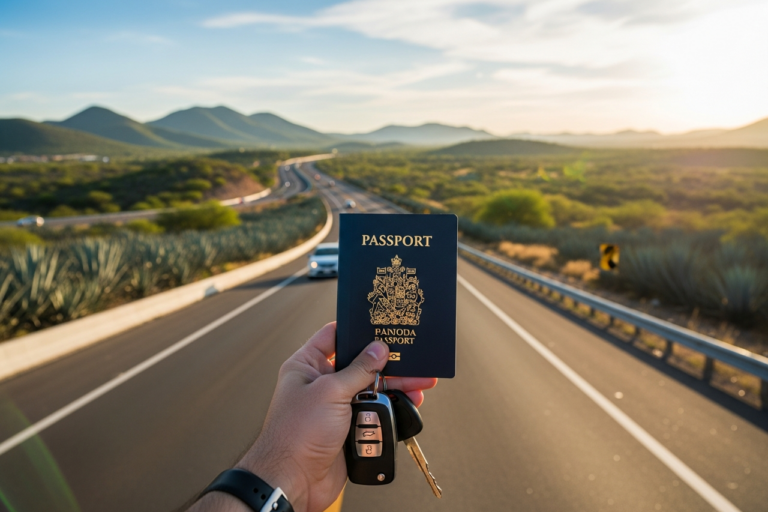
Key Highlights
Planning a road trip to Mexico? Here is what you should know if you want to drive there and you are not from Mexico:
-
You can drive in Mexico with a driver’s license from your home country. It must be in English or Spanish.
-
Get an international driving permit if your license is not in English or Spanish.
-
Your US auto insurance will not work in Mexico. You need to buy Mexican auto insurance.
-
If you cross the Mexico border with your own car, you need to get a temporary vehicle import permit (TVIP).
-
Many people rent cars, but check the age and paperwork rules before you do.
-
Learn about the local traffic laws. This is very important, especially if you drive in busy areas like Mexico City.
Introduction
Are you thinking about taking a road trip in Mexico? You can see ancient ruins and beaches at your own pace. Driving in Mexico gives you a unique opportunity to get to know the country in a new way. But before you start your driving adventure, you need to know the traffic laws. It is important to have a proper driving license and a valid tourist visa. Learn the local traffic laws so you can be safe. This guide will show you everything you need to have a good and safe driving experience in Mexico.
Overview of Driving in Mexico as a Foreigner
Driving in Mexico as a visitor from foreign countries is pretty simple, but it is not the same as driving back home. You can usually use your own license. Still, you have to follow all local traffic laws, and these can change depending on where you are. In mexico city or out on quiet rural roads, it is important to know the rules for your safety.
You must have the right papers for your car. You need mexican auto insurance because regular auto insurance from home will not work here. It is a good idea to check the minimum age rules for driving and renting a car so there is no stress later. Be sure you have all the papers with you. Let’s talk about who can drive as a foreigner and the kind of roads you will find in Mexico.
Who Qualifies as a Foreign Driver in Mexico?
If you are not from Mexico and you visit the country, you are seen as a foreign driver. This includes people who are in Mexico as tourists, those on business trips, or people living there for now who do not have permanent residency. People coming from foreign countries can drive in Mexico if they follow some rules.
The main rule is that you have to bring a valid driver’s license from your home country. This is true if you drive your own car into Mexico or if you rent a car in one of the tourist areas. The rules make it easy for visitors, as driving can be the best way to see the country.
It is important to remember there is a difference between being a tourist and having permanent residency. Tourists and those staying for a short time can drive with their foreign licenses for a set amount of time. But if you stay longer and get permanent residency in Mexico, you will have to get a Mexican driver’s license. For most short visits, your license from your home country is enough.
Main Routes and Road Types for International Drivers
When you drive in Mexico, you will find many kinds of roads. Major highways link cities. These roads are often in good shape. They are a good way to travel long distances. But, road conditions can change fast, especially when you leave towns and cities.
It is a good idea to use toll roads, called “cuotas,” when you can. These roads cost money, but they are usually in better condition, safer, and faster to use than the free roads, called “libres.” That small cost is often worth it for better road conditions and some peace of mind.
You can have different driving experiences, depending on where you go.
-
Toll Roads (Cuotas): This is the way to go if you want roads that are well taken care of and more secure.
-
Free Roads (Libres): These roads are not as easy to predict. At times, you might find potholes or speed bumps that are not marked.
-
Rural Areas: If you go into rural areas or remote areas, you may find unpaved roads. In these places, you may need a vehicle that can handle tough spots. It is smart to get advice from local people before you take off into these regions.
Valid Driver’s Licenses for Foreigners
One of the first things people want to know is if their driver’s license will work in Mexico. The good thing is that Mexico lets many people use their home country licenses. If you have a valid license from your country of origin and it is in English or Spanish, you should not have problems driving there.
If your license is not in one of these languages, you might need an International Driving Permit. This permit helps by putting your license details into words others can read, and you should keep it with your original license. If you bring the right, recognized license, your driving experience will start off well. Now, let’s see what this means for US, Canadian, and other drivers.
Can You Use Your US or Canadian Driver’s License?
Yes, you can use your valid driver’s license from the United States or Canada to drive in Mexico. These licenses are in English, and Mexican authorities accept them when you are a tourist. You do not need to get a special permit or a Mexican license for a visit like this.
It is important to keep your physical driver’s license with you when you drive. If the police stop you, or if there is a problem on the road, you will need to show it. A photo or digital copy will not be good enough. You need to have the real card in your wallet.
Make sure that your license from your home country stays valid while you are in Mexico. If it expires, you cannot use it. Bring your valid driver’s license and other travel documents so you can follow all local laws while you travel in Mexico.
Recognized Non-US Licenses and Other Countries
Drivers from many other foreign countries can also use their home driver’s license in Mexico, provided it meets certain criteria. The key factor is the language. If your driver’s license is printed in a language other than English or Spanish, you will need to obtain an International Driving Permit (IDP) before your road trip.
The IDP acts as a translation of your official license and must be carried alongside your original license. It is not a standalone driving document. This ensures that authorities in Mexico can understand your credentials, which is especially important if you plan to travel through rural areas where officials may not be multilingual.
Here’s a quick guide for licenses from various countries:
|
Country/Region |
License Accepted? |
Notes |
|---|---|---|
|
United Kingdom |
Yes |
Accepted as it is in English. |
|
Australia |
Yes |
Accepted as it is in English. |
|
European Union |
Varies |
Accepted if in English/Spanish. An IDP is needed for licenses in other languages (e.g., German, French). |
|
China |
IDP Required |
An IDP must accompany the original Chinese license. |
|
Japan |
IDP Required |
An IDP must accompany the original Japanese license. |
Scenarios When an International Driving Permit Is Needed
Some drivers do not need an international driving permit. But, there are times when the international driving permit is important. You should get the international driving permit if your license from your home country is not in English or Spanish. The international driving permit will show a translation for Mexican authorities so they can understand it easily.
Even if you have a license in English, you may want the international driving permit for extra safety. It helps as an ID and can make things easier with police or rental car workers. It is even more useful in rural areas because the people may not know much about documents from your country of origin.
Some cases where you should or must have an international driving permit include:
-
Your driver’s license is not in English or Spanish, for example it is in Mandarin, Arabic, or Russian.
-
You want to drive in rural areas, and the officials may not know what a license from your home country looks like.
-
The rental car company says you need one, though this is unusual for English licenses.
-
You want a document that is accepted everywhere and helps you talk with everyone, including authorities.
Essential Documents for Foreign Drivers
When you drive in Mexico, you need more than just your license. You should have a few important papers with you. First, always keep your valid passport with you. Make sure you have your Forma Migratoria Múltiple (FMM). People call it the tourist card. This card shows that you came into the country the right way.
If you drive your own car, keep your vehicle registration and a Temporary Import Permit (TIP). Try to keep all these documents together, so you can find them fast if you need them. These papers will help you have a smooth trip. Let’s talk about what papers you need for your valid passport, your tourist card, and your car.
Passport and Tourist Card (FMM) Requirements
Your passport is the most important piece of ID you need to bring. You must have a valid passport with you all the time in Mexico City, not just when you do a border crossing. This shows your citizenship, and almost every official will ask for it, from hotel check-ins to talking with the police.
Along with your passport, you must get a Forma Migratoria Múltiple (FMM). This is also called a tourist visa or tourist card. You can get this paper at the border crossing or you can fill it out online before you go. It will be stamped when you arrive. The FMM lets you stay in Mexico as a tourist for up to 180 days.
If you lose your FMM, it can make big problems for you. So, keep your FMM and your valid passport together in a safe spot. No matter if you fly into Mexico City or go by car, you can not visit without these two things. Make sure your passport will be good for the whole time so you do not run into any trouble.
Vehicle Registration and Temporary Import Permits
If you plan to drive your own car into Mexico, you must bring your current car registration. This shows that you own the car. If your car is leased or there is a loan on it, you will also need a letter from the lender. This letter must give you permission to take the car out of your home country.
If you want to go past the “free zone”—a 20-25 kilometer area along the border—you have to get a Temporary Vehicle Importation Permit. This permit shows you plan to bring your car back to your home country. The permit is not optional. You can get the permit at the border crossing or online through Banjercito.
When you apply for the temporary vehicle importation permit, you must bring a few important things and pay a deposit. Make sure to have:
-
Proof of your car registration and ownership.
-
Your passport and a valid driver’s license.
-
Money for the fee and a deposit. The amount of the deposit depends on how old your car is.
Other Key Documents to Carry
Beside what you must have, there are a few more documents that can help make your trip better. These aren’t always needed, but having them can save you trouble. For example, carrying some proof of address from your home country sometimes helps, even if it’s not a main need.
If you have a passport card, it is a good backup ID to bring. This is helpful, especially at land borders from the United States. For people who are not US citizens and live there with a Green Card, your Green Card is just as important as your passport. You need both to get back into the United States.
These are a few other important documents you should think about carrying with you:
-
Proof of Mexican Auto Insurance: This is needed. Always keep a printed copy of your auto insurance policy with you.
-
Contact Information: A list with your emergency contacts, your insurance provider’s number for claims and roadside assistance.
-
Vehicle Lienholder Permission: If your car is still being paid for, bring the paper that shows you have permission to take it into Mexico.
-
Rental Agreement: If you drive a rental car, keep the car rental agreement with you at all times.
Insurance Requirements for Foreign Drivers in Mexico
Knowing how auto insurance works is a key part of driving in Mexico. Many people think their regular auto insurance will help them when they drive south of the Mexico border. It does not. The law in Mexico says you have to get liability coverage from a Mexican insurance company.
If you do not have the right Mexican auto insurance, you may get into big trouble if you are in an accident. You could need to pay hefty fines. You could even go to jail. This is not just good advice for drivers. The law tells you that you must do it. After this, we will talk about why your US policy will not work and show you how to get the coverage you need.
Why US Auto Insurance Is Not Enough
Your regular US auto insurance is not accepted in Mexico. Even if your provider gives a little coverage just past the border, it does not meet the legal need for mexican auto insurance. Mexican law, based on the Napoleonic Code, says you are at fault until you show you are not, if there is a car accident.
You must use mexico auto insurance from a company that is licensed for mexico. In any accident, you have to show you can pay for losses or damage to third parties. Only a mexican auto insurance policy proves that.
Not getting proper mexico auto insurance can be a big problem. If you crash without it, the police may hold you until you can pay for the damage. This might lead to hefty fines and ruin your trip. It is important to have the right coverage. It is needed to protect you and others.
How to Purchase Valid Mexican Car Insurance
Buying Mexican car insurance is easy to do, and you can get it before you leave home. The best way is to buy it online from a good provider that helps tourists. This helps you compare the different insurance options and get your papers ready before you reach the border crossing.
You can also buy mexican car insurance at the border. There are many places for this close to the border crossing. But, if you get it ahead of time, you will feel less stress. If you use a rental car, the rental company will give you basic insurance in the total price, but they will usually ask if you want extra coverage for some more money.
Here are the common ways to buy insurance:
-
Online: Buy a policy from a broker before your trip.
-
At the Border: Buy from an agent at a land border crossing.
-
Rental Car Agency: Rental company offers basic insurance, and you can choose extra coverage.
-
Through a US Insurer: Some US companies work with Mexican insurers to sell policies.
What Mexican Insurance Policies Cover
Mexican auto insurance works in a different way than you may be used to. The key part is the third-party liability coverage. This is the coverage that is required by law. It pays for injury or damage that you may cause to other people or their things if something happens on the road. If you do not have this coverage, it is not legal for you to drive.
Many providers also let you add more coverage to your policy. This can give you better protection. A full policy will often have both collision and theft coverage for your own car. This is a good idea to have, especially if you drive a car that is newer or worth more money.
Here’s a look at what a full insurance policy can cover:
-
Third-Party Liability: This is the basic coverage that you must have for damage you may cause to others.
-
Physical Damage and Theft: This takes care of your car if it gets damaged or stolen.
-
Roadside Assistance: This means you can get help if your car breaks down, like for flat tires, lost power, or if you need a tow.
-
Medical Payments: This will help pay for doctor bills if you or people with you get hurt.
Remember, having the right auto insurance, including roadside assistance and additional coverage, makes sure you follow the rules and stay safe on the road with your mexican auto insurance.
Renting a Car in Mexico as a Foreigner
Renting a car in Mexico is a great way to travel around the country at your own pace. You can go where you want and find places that are not crowded by other people. There are many rental car companies to choose from. These are found in big tourist spots and at airports.
When you want to get a rental car, you will need some ID and must meet age and driving experience rules. The process is usually easy. Still, it’s good to know what will be asked of you before you go to pick up your car. Here, you will find out about the paperwork, age rules, and other things you should know to rent a car.
Acceptable Forms of ID for Car Rentals
When you go to get your rental car in Mexico, you will need to show a few forms of ID. Most rental companies ask for the same things. These rules are there to keep you and the company safe. If you have all your things ready, it will make the process much faster.
The things you need most are your valid driver’s license and your valid passport. Your license shows you can drive, and your passport proves who you are and where you come from. You also have to bring a major credit card with your name on it. The rental company will not take a debit card for the security deposit most of the time.
Here’s a list of what you should bring to the rental counter:
-
A valid driver’s license from your home country.
-
A valid passport.
-
A major credit card in the driver’s name for the security deposit.
Requirements and Age Limits for Renting Vehicles
The minimum age to rent a car in Mexico is usually 21. Most rental companies will charge extra to anyone under 25. You must have at least one or two years of driving experience to get the car. The legal driving age in Mexico is 18, but companies will be stricter about who can rent.
When you book your car, you need to check what age rules the rental company has. Some companies need you to be 25 if you want to rent a luxury car or a big SUV. The fee for younger drivers can be high. You should plan for this in your budget if you are under 25.
Besides age and driving experience, you have to show a credit card, your driver’s license, and your passport. Some companies might want to see your tourist visa (FMM) as well. This is so they know you have permission to be in the country. Always read all the terms and conditions before you finish your reservation with the rental company.
Renting vs Bringing Your Own Car
Deciding if you should rent a car or bring your own really depends on your trip. Renting can be good for short trips or if you will fly into Mexico. It is often easy and you do not have to worry about the border crossing or dealing with Mexico border paperwork. Your own car will not get any extra wear and tear.
If you choose to drive your own car, it can save you money on longer trips. You also get to take more things with you, and you have the comfort of your own car. But, bringing your own car means you will face more work. You will need to get a Temporary Vehicle Import Permit and must make sure your car is ready for Mexico roads.
Think about these things before you decide:
-
Convenience: Renting is easy if the trip is short, and you will not have to go through border crossing steps.
-
Cost: Bringing your own car might save money for longer trips, even though you need a permit.
-
Paperwork: Taking your own car means getting a temporary vehicle import permit and going through the Mexico border rules.
-
Insurance: You need Mexican insurance no matter what. If you rent, the rental company often handles insurance papers for you.
Key Traffic Laws and Road Rules for Foreigners
To drive the right way in Mexico, you need to know the local traffic laws and the way people drive there. Some of the laws may look the same as those in other places, but there are some differences. It helps to learn about speed limits, which car gets the right of way, and other local traffic laws to keep from getting tickets or being in accidents.
In mexico city, the traffic can get wild. Out in the country, roads can be pretty empty. But no matter where you go, knowing a bit can help a lot. Here, we will talk about some signs that are special to Mexico. You will also learn about rules for drinking, using seat belts, and tips for safe driving. When you know these things, you will be safer as you drive.
Unique Mexican Traffic Signs and Signals
Driving in Mexico gives you a unique opportunity to see and feel the culture. You will notice this in the traffic signs on the road. Some signs use pictures that people from all over the world can know. But some are special to Mexico and be written in Spanish. For example, “ALTO” tells people to stop. “CEDA EL PASO” means you should let another car go first.
Drivers in Mexico also use hazard lights in different ways. The driver might turn on hazard lights to show that traffic ahead is slow. Some use hazard lights as a way to say thank you when you let them pass. If you see a left turn signal on a highway, it can sometimes mean the road is good for you to pass, but always make your own careful choice first.
Keep an eye out for these common signals and speed bumps:
-
Topes: This sign says that there are speed bumps ahead. These speed bumps are everywhere and sometimes you will not see any color or paint on them.
-
No Estacionar: This sign means you can not park there.
-
Un Solo Carril: This sign tells you the road will get smaller and turn into just one lane.
-
Green Arrow on Traffic Light: Sometimes this arrow blinks to let you know the red light is coming soon. You should get ready to stop.
Knowing about these, hazard lights, speed bumps, and signs will help you drive better and safer when you travel on Mexico’s roads.
Speed Limits, Alcohol Laws, and Safe Driving Practices
Following speed limits is important for safe driving in Mexico. Limits are given in kilometers per hour (km/h) and often are lower than those in the US. In urban areas, the limit is usually about 40 km/h (25 mph). On major highways, it can be as high as 110 km/h (68 mph). Always look for signs. Limits might change fast.
Mexico has strict alcohol rules for people driving. The blood alcohol content (BAC) limit is mostly 0.08%, but some states have lower limits or zero. You will see checkpoints (called “alcoholímetros”) often, especially at night and on weekends. Penalties for being over the BAC limit are tough. So, it is best to never drink and drive.
For your safety, try to not drive at night. Rural areas might have roads that are dark and poor. Animals like livestock can walk onto the road. Watch out for speed bumps (“topes”). They are found everywhere and are usually not marked. Stay alert and drive in a careful way, since local drivers may act in a more aggressive style than you are used to.
Keywords: speed limits, speed bumps, urban areas, rural areas, major highways
Use of Phones, Seat Belts, and Child Seats
In Mexico, you cannot use a handheld phone when you drive. Just like in many other places, it is against local laws. If you do, you could get a big fine. If you need to talk on the phone, you have to use a hands-free device. The best thing to do for your safety is to stop the car if you need to use your phone.
Seat belt rules are strict. As the driver, you need to wear your seat belt, and so must all the people in the car, even in the back seat. This rule is a key reason people can stay safe in an accident. Every time you get into the car, make sure everyone puts on a seat belt.
When you travel with kids, you must know the child seat rules in your area. The rules might be a little different depending on where you are. But usually, kids under a certain weight or age will need to sit in a car seat.
-
Phones: Using your hands to hold your phone while driving is not allowed. You should only use a hands-free system.
-
Seat Belts: Every person in the car must wear a seat belt.
-
Child Seats: Young children must use the right type of car seat, following local laws.
-
Safety First: These rules help keep you safe. Always follow them.
What to Do if Stopped by Police or at a Checkpoint
During a road trip, you might get stopped by the police for a traffic issue. You could also pass through a military or police checkpoint. You need to stay calm and know what to do. If you are ready, things can be easy and not stressful.
Be polite the whole time. Have your documents ready to show. If you know your rights and the steps you should follow, you can avoid scams or problems. Let’s talk about how to deal with normal stops, pay fines, and where to go for help in an emergency.
Dealing with Routine Traffic Stops
If you see flashing lights behind you, pull over to a safe spot as soon as you can. Stay calm. Keep your hands where the officer can see them, usually on the steering wheel. The police officer will walk up to your car. He or she will likely ask to see your driver’s license and your car registration. They might also ask for your passport and your tourist permit (FMM).
Be polite and work with the officer, but do not give any documents until he or she asks for them. If you do not speak Spanish, say, “No hablo español.” Most officers in tourist areas know at least some English. Keep all your papers easy to get so you don’t have to look for them when they’re needed.
If the officer says you have broken any traffic laws, ask what the problem is. Sadly, some officers might ask for cash right away. This is against the law. You should ask for a written ticket so you can pay it at the police station.
Handling Fines or Tickets as a Foreigner
If you get a ticket for a traffic violation, the officer should give you a written ticket. You should not pay the fine right there to the police officer on the street. Ask for the official ticket, which is called an “infracción.” You can then take this ticket and pay at the police station or at a bank.
Sometimes the officer may want to take your driver’s license until you pay the fine. This happens a lot, but it is not always okay by law. To avoid this, you can say in a nice way that you are a tourist. You can ask if you can go with them to the station and pay the fine right there.
If you think you are being treated unfairly or told to pay a bribe, you can reach out to your country’s consulate. You can also call the Green Angels (Ángeles Verdes). They offer roadside assistance and are part of a government group. Paying bribes makes the problem of corruption worse, so it is best to go through the proper way, even if it takes more time.
Important Emergency Contacts and Assistance
Being ready for an emergency is very important when you travel. Before you go, make a list of key phone numbers and keep it in your car. Put in numbers for your country’s embassy or consulate, your Mexican insurance company, and local emergency help.
The Ángeles Verdes, or Green Angels, are a big help for tourists who drive in Mexico. The Green Angels are trucks that drive on major highways. They give free roadside assistance, first aid, and tourist info. You can get in touch with them by calling 078 from any phone in Mexico.
Here are the important numbers to call in case of an emergency:
-
Nationwide Emergency Number: 911 (Call this for police, ambulance, or fire help anywhere in Mexico).
-
Green Angels (Roadside Assistance): 078.
-
Your Insurance Provider: Use the number found on your policy for claims and help.
Conclusion
To sum up, driving in Mexico as a foreigner can be a good experience if you know what to do and you are ready before you go. You need to bring the right papers, have insurance, and know the local traffic laws. These things help your trip go well. If you know what to expect and take care, you will get to see the beautiful places and lively culture of Mexico with no trouble. Safety should always come first. If you want to go, you can reach out to get more details or help. Have a great trip!
Frequently Asked Questions
Do I Need an International Driving Permit in Mexico as a Tourist?
If you are a tourist and your valid license is in English or Spanish, you do not need an international driving permit. But, if your license uses another language, you do have to get an international driving permit as a translation. You must carry the permit with your original foreign driver license.
Can Foreigners Drive a Mexican-Owned Car in Mexico?
Yes, a foreign driver can drive a car that belongs to Mexican residents if they have a license that is valid. You need to have the owner’s okay to use it. The car’s insurance should cover you as a foreign driver. It is good to have a letter from the owner giving you that okay.
What’s the Minimum Driving Age for Foreigners in Mexico?
The minimum age to drive in Mexico is 18. If you have a driving license from your home country, and you are at least this age, you can drive in Mexico. But, to rent a car there, you will need to be at least 21. Drivers who are younger than 25 usually have to pay extra fees.



