Key Highlights
-
Vietnamese meal times start early. People in Vietnam have breakfast at about 7:30 am. Lunch is between 11:30 am and 1 pm, and dinner is from 6 pm to 8 pm.
-
Vietnamese food culture is all about eating together. Families sit down at the dining table to share their food.
-
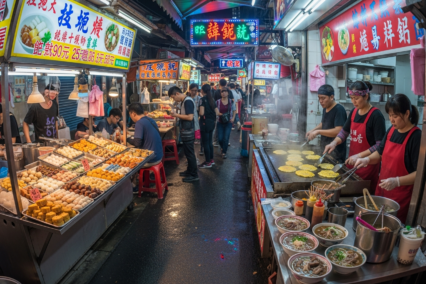
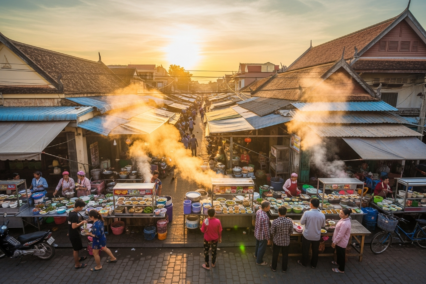
Street food is big in Vietnam. Stalls and local eateries are busy and full when people eat their main meals.
-
There are differences in each region. Cities like Hanoi and Ho Chi Minh City have their own way of eating dinner and other meals.
-
To get the best vietnamese food, find stalls with lots of people, look for clean setups, and make sure the food is fresh. Eating street food when the locals do gives you the best taste.
Introduction
Welcome to the tasty world of Vietnamese cuisine. If you plan your trip, you will get to enjoy a lot. The food in Vietnam has a nice mix of tastes. It can be sweet, salty, sour, bitter, or spicy. You will find many fresh herbs in every meal.
To get the full vietnamese cuisine experience, it is good to know when vietnamese people eat. The meal schedule helps you find the most real and yummy food in Vietnam.
Understanding Vietnamese Meal Times and Cultural Traditions
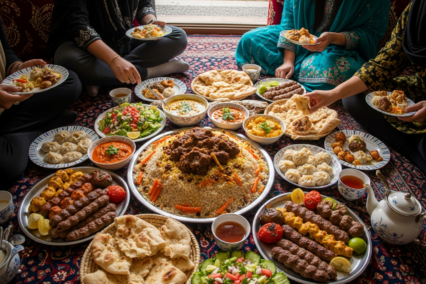
In Vietnamese culture, food means more than just eating to stay full. It is something people enjoy together. Vietnamese meal times bring family members together. They use this time to talk about their day and connect with each other.
The idea of sharing food is very important in Vietnamese food culture. People eat with their family, not just on big days but even on a normal weekday. Sitting at the table together is a tradition for Vietnamese families. It brings them closer and shows how much family matters for them.
Typical Hours for Breakfast, Lunch, and Dinner in Vietnam
To find the best food in Vietnam, you need to eat when the locals do, which means getting an early start. The early morning is a prime time for vendors selling everything from hearty noodle soup to sticky rice. If you wait too long for breakfast, you might find many stalls have already packed up for the day.
Lunch is a quick but important affair, typically taking place between 11:30 am and 1 pm. This is when you’ll see many people enjoying a “cơm bình dân,” a plate of rice with various savory dishes. Come dinner time, from 6 pm to 8 pm, sidewalks come alive with stools and tables for evening meals like grilled seafood and hotpots. A staple condiment you’ll always find on the table is fish sauce, used to customize your bowl of rice or noodles.
|
Meal |
Typical Time |
|---|---|
|
Breakfast |
6:00 AM – 9:00 AM (Prime time is around 7:30 AM) |
|
Lunch |
11:30 AM – 1:00 PM |
|
Dinner |
6:00 PM – 8:00 PM |
The Role of Family and Shared Meals in Vietnamese Culture
In Vietnam, the dining table is a big part of the home. It’s the place where family members meet every day to eat and talk. Sharing meals is a key piece of vietnamese culture and vietnamese eating habits. People sit together and eat from bowls and plates placed in the middle. Everyone gets to take from the same dishes, so the meal feels like something shared by all.
This way of eating helps everyone feel close and cared for. You see all the local people, from kids to older adults, sitting around the table. They pass plates, make sure everyone has some food, and show respect for each other. It’s part of the strong group feeling in vietnamese culture. Here, the group matters more than each person alone.
When the meal is over, the family often stays at the table. They talk some more with a cup of hot or cold green tea. This holds everyone together for longer. If you are a visitor in vietnam, joining in on this custom lets you see what matters to the people. It brings you close to the strong family bonds and shows what the vietnamese way of life is like.
Regional Variations in Meal Times Across Vietnam
While there are basic meal times in Vietnam, you will see things change as you move around the country. The different geography in northern Vietnam and southern Vietnam shapes the food and how people eat it. Life is faster in cities than in rural areas, and this changes how people plan their day.
There are small changes in eating habits if you look at the north, central Vietnam, and the south. This mix of ways to eat makes traveling in Vietnam fun and interesting.
Differences Between Hanoi, Ho Chi Minh City, and Other Regions
The rhythm of local life in Vietnam has a big effect on when people eat, and this really stands out when you compare big cities to rural areas. In Hanoi, which is the capital in the north, meal times are usually more traditional and planned. The city gets quiet quickly once the usual breakfast, lunch, or dinner times are done. It can get hard to find vietnamese food late at night there.
Ho Chi Minh City is different. This busy city in the south has a tropical climate and moves fast, so you can find tasty vietnamese food almost all day and night. Late at night, people can still enjoy snacks or a hot bowl of pho. Out in the rural areas, life moves around the sun. People get up early, usually to get started on work at sunrise, so they eat their meals sooner than folks who live in the city.
Here are some main differences you may notice:
-
Hanoi: People in Hanoi like to eat their meals early. The city gets quiet after breakfast, lunch, or dinner and food can be hard to find at other times.
-
Ho Chi Minh City: Here, the food scene runs almost 24/7. You can find pho or snacks late at night with no trouble.
-
Central Vietnam: Cities like Hoi An still have an easygoing way about meal times, but they usually stick to eating a little earlier in the day.
-
Rural Areas: In the countryside and rural areas
The Influence of Festivals and Holidays on Eating Habits
Festivals and special occasions really change vietnamese eating habits. At these times, people focus more on eating together. Meals turn into big, all-day events. The biggest holiday is the Lunar New Year, or Tết. It is the main time when local people eat and celebrate in a new way.
During Tết, families do not eat small, quick meals. Instead, they spend days making special foods. These dishes are eaten over many days. There is a lot of rice liquor for toasts and many foods you only see at this time. Meals last longer and feel more happy, as relatives and friends go from house to house to share the food and time together.
Even though there is a tropical climate, people still come together to cook and eat for these special occasions. The usual daily eating times are forgotten. People spend more time enjoying food, being with family, and honoring traditions.
Beginner’s Guide: Navigating Meal Times in Vietnam
As a traveller in Vietnam, you will see that learning local meal times and dining etiquette is a part of the fun. Vietnamese meals are tasty and do not cost a lot, but if you know a few basics, things will be a lot easier. People eat early here, so try to get used to that. If you wake up early, you will get some of the best food.
We will talk about important customs and tips for you. These will help you order, eat, or pay like people do in Vietnam. Try using chopsticks and get to know the way prices are shown in VND, or Vietnamese Dong. With these tips in your mind, you will feel good about trying all the great Vietnamese food out there.
Essentials You’ll Need to Get Started (Dining Customs, Etiquette, and Resources)
Getting around dining etiquette in Vietnam is easy. People in Vietnam are friendly, and they know that some people are new. One main thing to remember at most local eateries is to “eat first, pay later.” You will often order your food at the front. Then, you sit down and eat your meal. When you finish, pay the owner or the server as you leave. It’s normal to wipe your chopsticks and spoon with a napkin before you start to eat.
After you are done with your food, put your chopsticks across the top of your bowl. This shows the server that you are finished. In many places, you will get green tea with ice instead of water for free. It is a nice and cool way to enjoy your meal.
Here are some tips for having a good time at local eateries and stalls:
-
You can call out “em ơi!” to the server when you want their help.
-
If you do not know what to eat, feel free to point at the street food that other people are having.
-
When the place is busy, you might have to share a table with other people. Just give a smile, and all will be fine.
-
For a real street food experience in Vietnam, blogs can be better than TripAdvisor when you look for good advice.
Enjoy your time, your green tea, and your food in Vietnam!
Step-by-Step Guide to Enjoying Meals Like a Local
Are you ready to try vietnamese food like the people who live in vietnam? The best way to get the real taste is to go to local eateries and food stalls. These are busy places where residents go to eat. Most of these places are run by street vendors. Many of them focus on just one or two dishes, so you get the most vietnamese flavor.
This guide will help you see how to pick the best stalls and dishes. You will also know where to find them in vietnam. We’ll talk about their usual hours so you know when to go for breakfast, lunch, or dinner.
Step 1: Identifying Typical Foods and Where to Find Them
Vietnam has many types of tasty food, and each meal has something special. In the morning, local people often eat a hot bowl of noodle soup like pho or rice porridge. These meals are good for starting the day with energy.
For lunch, “cơm bình dân” is a favorite. It means “commoner’s rice.” People go to these places to get rice and a mix of dishes like caramelized fish, pork belly, and greens with garlic. You pick what you want and eat it with rice. At dinner, grilled seafood, hotpots, and barbecue are popular. Many people eat outside when the air is cool. There are fresh herbs such as basil on the table, so you can add them to your food.
Here’s a simple list of top dishes and where you can find them:
-
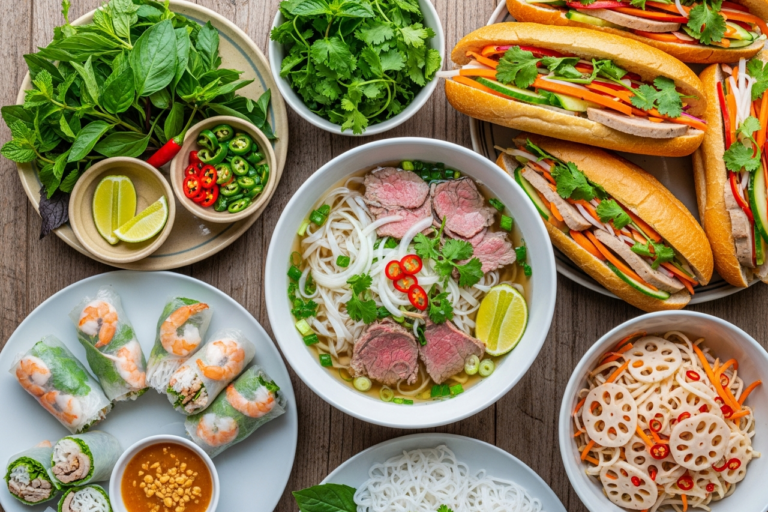
Pho: The famous noodle soup is usually eaten in the morning, but you can have it all day in big cities.
-
Cơm Bình Dân: These rice stalls let you pick your lunch foods.
-
Bánh Mì: These sandwiches with a French style are good for a quick bite. You can have them any time.
-
Grilled Seafood: Visit evening sidewalk stalls for the freshest seafood, cooked right in front of you.
Enjoy your meals with fresh herbs, pork belly, pho, and tasty seafood in Vietnam. You will find basil at most stalls, which makes the food even better.
Step 2: Understanding Restaurant and Street Vendor Opening Hours
The opening hours of restaurants and street food stalls in Vietnam are closely tied to traditional meal times. To get the best and freshest food, you need to sync your schedule with the locals. Prime time for breakfast is just after sunrise, while lunch stalls are busiest from about 11:30 am to 1 pm.
Dinner service at local eateries and street food stalls typically kicks off around 5 pm and peaks between 6 pm and 8 pm. If you arrive too late, you might find that your preferred spot has run out of food or closed for the day. While it’s worth trying new places, a busy stall is almost always a good sign. Don’t be afraid to wait; the crowd usually means the food is worth it.
|
Venue Type |
Operating Hours |
|---|---|
|
Morning Market Stalls |
Early morning, just after sunrise (approx. 6 AM – 9 AM) |
|
Lunch Stalls (Cơm Bình Dân) |
11:30 AM – 1:00 PM |
|
Dinner Restaurants & Stalls |
5:00 PM – 9:00 PM (Peak hours 6 PM – 8 PM) |
|
24/7 Stalls (Mainly in Ho Chi Minh City) |
Open all hours, especially for dishes like pho |
Snacks, Street Food, and Meals Between Main Dining Times
While breakfast, lunch, and dinner are important, Vietnamese cuisine is about more than those meals. You can find street food and snacks all day in Vietnam. Food stalls and vendors are set up everywhere. They sell tasty treats at any time, so there is no need to be hungry.
Snacks are a big part of vietnamese food culture. You get to try different flavors and textures. These stalls focus on freshness and fast service. It’s great for when you want a quick bite in the afternoon or while walking around.
Popular Vietnamese Snacks and Their Significance
Between main meals, Vietnamese people like to eat snacks that are full of flavor. These snacks are made with care, just like a main dish. These snacks are not just about eating. Many of them are important to the culture and are part of the daily life for many people. You can see people selling different kinds of snacks on the street. Some are salty, while others are sweet.
For example, bánh tráng nướng, which is like a grilled rice paper “pizza,” is a favorite in the afternoon. Another sweet treat is chè, a dessert soup. Many snacks use ingredients that are popular with Vietnamese people, such as sticky rice, coconut milk, and fresh fruit. Even a bowl of rice is often turned into something tasty with a few added items.
Some snacks you should try are:
-
Bánh Mì: This is like a smaller sandwich and makes a great snack.
-
Sticky Rice (Xôi): You will often see this with peanuts or other toppings on it.
-
Fresh Spring Rolls (Gỏi Cuốn): These are light, healthy rolls that are good for warm weather.
-
Sweet Desserts (Chè): This is a sweet bowl that can have beans, jellies, and coconut milk.
If you like things like sticky rice and coconut milk, or just want a bowl of rice made in a new way, these Vietnamese snacks will give you a good taste of Vietnam.
When Street Food Vendors Operate and What to Expect
Street vendors in Vietnam play a big part in the food scene. Their street food stalls open at the right times to serve what people need. Many get started just after sunrise. They set up early to catch people going to work and kids going to school. This is the best time to get hot and fresh street food for breakfast.
As time goes on in the day, what you can eat from food stalls changes. Lunch stalls show up around 11:30 am. By 5 pm, the sidewalks get busy again with more stalls getting ready for people to come after work for dinner. If you want to find a good spot, look for a stall with a lot of people—locals know where the street food is fresh and good. After you finish eating, put your chopsticks on the top of your bowl, which is the local way to show you’re done.
Here’s what you can look for when eating at street food stalls:
-
Many food stalls just make one or two street food dishes, and they do them well because they’ve been at it for years.
-
There will usually be small plastic stools set up right on the sidewalk for you to sit.
-
You can see how clean a spot is by looking at how they set things up and how they show their ingredients.
-
You usually pay for your food after you eat.
Vietnam, with all its street vendors and stalls, offers a lot of freshness and flavor at prime times of the day.
Conclusion
In the end, knowing the meal times in Vietnam is not just about a daily routine. It shows the culture and values that people have. The early morning breakfast is busy and full of people. Family dinners are about being together and sharing time. Each meal time gives you a peek into Vietnamese life.
When you go out and try street food or look for the little changes in different places, you learn a lot. If you follow how people in Vietnam eat, you will enjoy vietnamese cuisine even more. Are you curious and want to know more about daily meals in vietnam? Feel free to ask for a free talk and learn how to eat like a local!
Frequently Asked Questions
Are meal times consistent on weekends or during holidays?
On weekends, Vietnamese eating habits stay almost the same. But on special occasions and holidays like the Lunar New Year, meal times change. People let meals go longer and they are not strict about when to eat. Families gather to enjoy big feasts that can last many hours. This turns a normal day into a long celebration. It is all about vietnamese food and is a big part of vietnamese eating habits.
Do Vietnamese people take a midday siesta after lunch?
Yes, a midday nap after lunch is a normal thing in Vietnamese culture. This happens more in rural areas and smaller towns. Many Vietnamese people think this quick rest helps with digestion. It gives them energy for the afternoon. You will see shops and businesses close for an hour or two at noon. This is part of local life in Vietnam.
How do meal times affect restaurant opening hours in Vietnam?
Meal times play a big part in when most local eateries and street food stalls are open. These food stalls are packed during busy hours for Vietnamese meals. In cities like Hanoi, many stalls shut down between meal times. So, it is good to eat when the locals eat to not miss out.
What cultural traditions shape Vietnamese eating habits?
Vietnamese culture values the family and community, and you can see this at the dining table. Family members often sit together and eat from dishes that are shared. When eating, people use chopsticks to pass food to each other. It is also important to show respect to elders. These traditions help make eating a time for everyone to be together.