Key Highlights
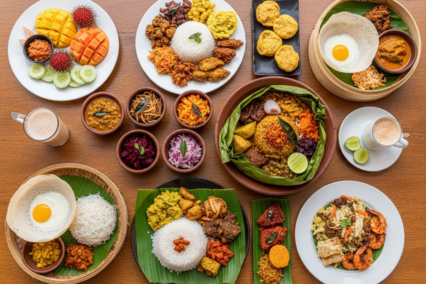
Here are the key highlights of meal times in Myanmar:
-
In Myanmar, people usually eat their meals early. Breakfast starts at around 5:30 or 6:00 am.
-
Rice is the main food in the country. It is the base of almost every meal, especially for lunch and dinner.
-
Many people have breakfast outside the house at a tea shop or on the street.
-
Mohinga, the country’s most loved dish, is a fish noodle soup. Many like to have it for breakfast.
-
Lunch is often the biggest meal of the day. It comes with rice, curries, and side dishes.
-
Dinner is often eaten at home and early. It has food that is much like lunch.
Introduction
Welcome to the tasty world of Myanmar. When you plan a trip to this country in Southeast Asia, you may know about the food of its nearby places, but have you tried Burmese food yet? In Myanmar, food means a lot to people. People often greet each other by asking, “Have you eaten?” This guide will show you the times when people eat during the day, common dishes you will find, and what to do and not to do at the table. It will help you know all you need to eat like someone who lives in Myanmar.
Understanding Daily Meal Times in Myanmar
The daily routine for Myanmar people often follows the times they eat, and meals are very important in their culture. Many people in Myanmar get up early. Their meal schedule shows this, as breakfast starts early in the morning. A traditional meal is something that brings family and friends together.
Knowing these times can help you enjoy the local food better. People in Myanmar eat breakfast from 6:00 am to 8:00 am. Lunch is at noon, usually around 12:00 pm. They have dinner early in the evening, between 6:00 pm and 7:00 pm.
Typical Breakfast Hours and Routine
In Myanmar, breakfast is a big part of daily life. People like to eat it outside the home. Many go to local tea shops or street stalls before the sun comes up. These places usually open by 5:30 or 6:00 in the morning to serve many people. Folks gather here, talk, and get ready for the day.
The main breakfast food is mohinga. This loved dish has rice noodles in a thick fish broth with lemongrass and garlic. It comes with a hardboiled egg, some crispy fried beans, and a bit of lemon on top.
People in Myanmar also enjoy noodle salads and bread. Indian-style breads like naan are common. They come with peas or curry. The best time to eat these is early in the day because the tea shops have the freshest food then. A hot cup of green tea often comes with these meals.
Lunch Timing and Expectations
Lunch in Myanmar is usually eaten right at noon, around 12:00 pm. This meal is often the biggest and most important one of the day for people. There are many different flavors and textures in Myanmar food, with rice curry as the main dish.
Myanmar’s curry is not like those from other countries nearby. A Burmese main dish uses a tomato and oil base and is lightly spiced with garlic and other spices. The curry comes in a small bowl and is served with a lot of side dishes.
You might get up to a dozen side dishes. These can be things like vegetable salads, boiled greens, pickled vegetables, and a strong fish paste for dipping. There is also a clear soup to help clean the taste, and everything is shared with a big plate of fluffy rice.
Evening Meal and Common Dinner Hours
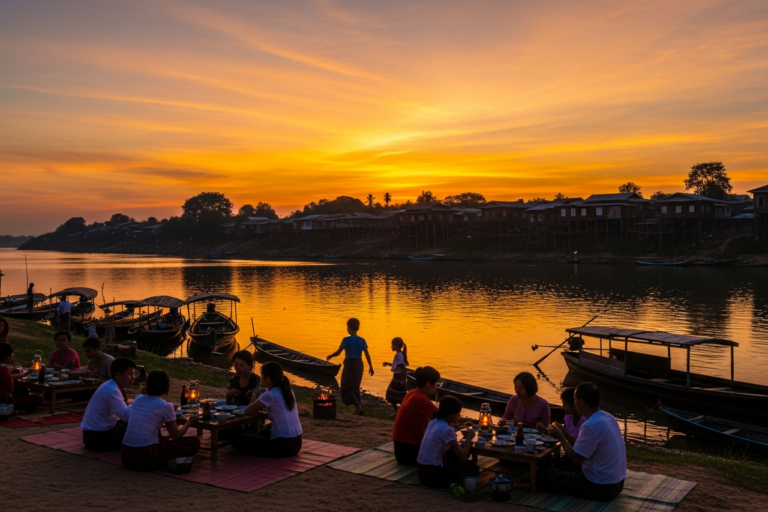
As the day ends, people start to think about dinner. In most Myanmar homes, families eat early. The evening meal is often between 6:00 pm and 7:00 pm. People here like to eat at home, so dinner is quiet and just for the family. This is different from the busy mornings.
For dinner in Myanmar, people often eat the same foods they have at lunch. A usual dinner is white rice with some curries or stir-fried dishes. These can have Burmese and Chinese tastes in them. All the food is set in the middle of the table. Everyone takes what they want and shares.
Some curry shops stay open in the evening. But the food they serve at night may not be as fresh as at lunch time. In many cities, people also like to go out for a more social dinner. Many folks go to a “beer station.” Here, you get cold beer with grilled barbecue and hot stir-fried meals.
Regional Differences in Burmese Meal Schedules
While people in Burma share some common eating habits, you will see that each area has its own schedule for meals. The country has many different landscapes and a lot of ethnic minorities. Because of this, each region has its own food traditions and ways of eating. In the major cities, what you eat and when you eat can be very different from what you find in the highlands of Shan State.
Many factors shape these changes. Local ways of living, how people farm, and cultural habits all play a part. In the next parts, you will see how eating times and foods change between major cities and rural places, how local markets help shape the meals, and how the weather can affect when people like to eat.
Urban Versus Rural Meal Times
There is a clear difference in when people eat meals in urban and rural places in Myanmar. In major cities like Yangon and Mandalay, life moves at a faster pace. People still have a traditional meal time, but they can be more relaxed about it. You will see many restaurants and street food vendors in the city, and they are open for longer hours, especially at night.
In rural areas, life follows farm work. People start working early, so they have breakfast at dawn to have energy for hard work. Lunch is the main meal at midday, and dinner is usually eaten early, not long after the sun goes down. This is because people slow down and stop working for the night.
Dining choices are not the same everywhere. In major cities like Yangon, you will find many places to eat, like restaurants and beer stations, for your dinner. But in smaller villages, people mostly cook and eat at home. This shows a more traditional meal that brings the family together in the home in Myanmar.
Influence of Local Markets on Eating Patterns
Local markets and street vendors have a big part in how people in Myanmar eat every day. These busy places are at the center of the food supply for the community. They always have fresh and seasonal produce, and this is what decides what people cook and eat at home. So, the ingredients that are easy to get shape meal choices.
Myanmar has many diverse geographical features. Because of this, each area grows or catches different foods. If you live in the coastal areas, there is a lot of seafood. If you are in inland regions, you will find more types of vegetables and meat. People bring all of this variety to their local markets, so each area has its own taste and style.
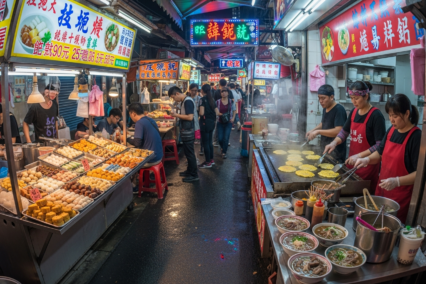
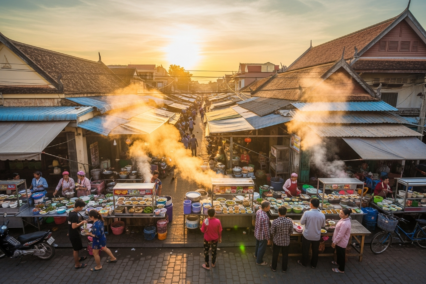
Street food is also a big part of life in Myanmar. Street vendors set up their stalls at many different times of the day. You will find people selling breakfast foods in the morning. Later in the day, you can buy snacks, and in the evening, you will see grilled food. The busy hours for these street vendors match up with the time when most people want something good and quick to eat.
Seasonal and Climate Influences on Meal Timing
Myanmar has cool, hot, and rainy seasons. The climate and the time of year affect not only the types of foods people eat, but also when they have their meals. Local fruits and vegetables change with each season. This means people always get fresh and new foods when they eat, and the menu is updated depending on what is growing at that time.
Based on traditional Burmese medicine, some foods are called “heating” and some are known as “cooling.” When the hot season comes, many people like to eat light meals. Cooling fruits and vegetables are also popular then. In the cooler months, people often go for bigger, richer dishes that give them warmth and help their bodies with energy.
The way people cook and the timing of meals also depends on the seasons. Farm work is important in Myanmar, and it follows the climate changes. In rural places, mealtimes may change when there is planting or harvest work to do. People plan their day around these times, making sure they have food ready to get their work done. Traditional Burmese medicine, the types of foods, the climate in Myanmar, and the way Burmese people live are all closely linked.
Staple Foods Enjoyed at Different Meal Times
Rice is the main part of Myanmar food. People eat it with almost every meal. This staple food is at the heart of many dishes full of flavor. While rice is a big deal, noodles are also loved by many people. Noodles are common for breakfast or as a snack.
There are tasty Burmese curries at lunch, and you will find hot noodle soups in the morning. Myanmar food gives you many choices for each part of the day. Here are some examples of dishes and ingredients you may get in Myanmar meals. You might see things like Burma’s curries, noodles, and other local staple foods throughout the day.
Popular Breakfast Dishes and Ingredients
Breakfast in Myanmar is tasty and filling. It is meant to give people energy to last through the day. The meal is not as big as lunch but it is still very important. The most well-known breakfast is mohinga. It is a noodle soup made with a fish broth, served over rice noodles.
Apart from mohinga, people in Myanmar eat many other foods in the morning. Noodle “salads” are a good choice. In these, rice noodles or egg noodles are mixed with things like shredded meat, onions, and garlic oil. Indian-style breads like naan or fried palata are enjoyed as well. These are often served with boiled peas or a simple curry.
Most people drink hot green tea with breakfast. Some other breakfast foods in Myanmar are:
-
Laphet Thoke (Fermented Tea Leaf Salad): This crunchy, tangy salad is enjoyed any time, but many people eat it to start their day.
-
Fried Samosas: These are pastries with potatoes or meat inside. They are fast and people often grab one as they go.
-
Noodle Soups: There are more noodle soups besides mohinga. These soups come in different broths and toppings.
People in Myanmar have many choices for a good morning meal, from rice noodles in mohinga to green tea, and even fermented tea leaf salad.
Lunch Specialties and Accompaniments
Lunch is the main meal of the day in Myanmar. It centers around rice, which brings everyone to the table to share the food. The classic Burmese lunch is a rice curry set. This meal gives a great mix of tastes and textures.
The curries are the main foods at lunch. Burmese curries are not as hot as Thai curries. They are made with oil, tomato, garlic, and spices, all cooked together. You can pick chicken, pork, fish, or vegetable curries, and these are served in a small bowl.
What makes this meal stand out are the side dishes around the main food. People enjoy many side dishes, like salads, boiled or fried vegetables, and dips. You will almost always see a strong and salty fish paste on the table to add more taste. Along with this, you will see soy sauce and other add-ons, so you can make your meal just how you like. There is also a clear broth soup. The broth helps clean the taste in your mouth after each bite.
Common Dinner Foods and Dining Habits
Dinner in Myanmar is a special time for families. Myanmar people often eat dinner together at home. This meal brings everyone together in a warm place where people can talk and spend time with each other. They usually eat early in the evening. This is also when families share what happened during their day.
The main dish for dinner in Myanmar is a lot like what people eat for lunch. Rice is always at the center of the meal. The main dish can be something like a curry or a stir-fry, sometimes made tasty with sesame seeds. There are also a few side dishes. These can be a vegetable stir-fry or a simple soup. This gives the meal a nice mix and makes sure everyone feels full.
In cities, people sometimes like to go out for dinner. Beer stations are a favorite spot for many. These places are lively and fun, with lots of grilled meats, vegetables, and cold beer to enjoy. Myanmar people may have rice wine during a special event, but beer is more popular for a normal dinner out with friends.
Cultural Customs and Etiquette Around Meals
Meal time in Myanmar is not just about food. It is a big part of the country’s traditions and how people act in social settings. There are some important customs to know, especially if you eat with others. For instance, you have to use your right hand to eat. People do not use the left hand because it is seen as not clean.
If you learn and follow these traditions, you will have a better time while eating in Myanmar. It also shows that you respect the local people and their ways. The next parts will talk about how families come together for meals and how religious festivals can change the way people eat, and these are some of the main customs around meals in Myanmar.
Family Dining Traditions in Myanmar
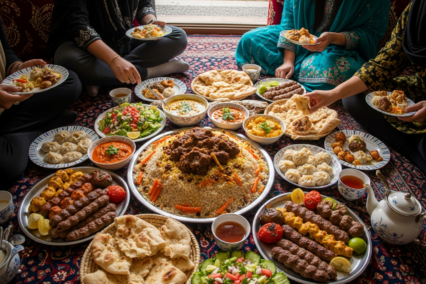
Family is the cornerstone of society in Myanmar, and this is deeply reflected in their dining traditions. Meals are almost always a communal event where family members eat together. Dishes are placed in the center of the table, and everyone shares from the common plates. Each person has their own small bowl of rice.
The main dish and various side dishes are served for everyone, reinforcing the sense of togetherness. This sharing style is practiced on all sorts of various occasions, from daily meals to festive celebrations. It’s a time for connection, conversation, and strengthening family bonds.
Here are some key aspects of family dining:
|
Tradition |
Description |
|---|---|
|
Sharing Dishes |
All main dishes and sides are placed in the center for everyone to share. |
|
Individual Rice |
Each person receives their own small bowl of rice. |
|
Seating Order |
Elders are often served first as a sign of respect. |
|
Using a Spoon |
While the right hand is used, a shared serving spoon is used to take food from communal dishes. |
Religious and Festival Impact on Meal Times
Religion has a big place in the daily life of people in Myanmar. Buddhism, in particular, guides many cultural habits, including when to have meals. There are set rules for the eating times of buddhists. For example, monks in Myanmar eat only before noon. After that, they do not eat. This rule affects when people give food to monks and when some ceremonies take place.
During big religious festivals, food is an important part of all things done. People cook special dishes. They share this food with their family, their friends, and with the community. Offering food to monks is common during these events and people see this as a good and kind thing to do. The giving of food may change how the day goes, as people want to catch the right time. Pray time at these events may also decide when people come together to eat.
These religious events bring more to the eating customs in Myanmar. Most of the time, families have meals at the usual hours. Yet, on these special days, the food, timing, and what people do can change. During these moments, you see how belief and food are strongly tied for the buddhists in Myanmar.
Meal Time Manners and Social Norms
In Myanmar, people show respect by following good mealtime etiquette. The way people act at the dining table is simple and clear. The most important rule is that you should use your right hand only for eating and passing food. People think of the left hand as unclean because it is used for personal hygiene.
When you share from dishes with others, it is best to take a small portion of ingredients at a time. Do not reach over the table or across someone else. It is also common to wait for the oldest person at the table to start before you begin to eat.
Here are a few key points of dining etiquette to remember:
-
Eat with your right hand: Always use your right hand to handle food.
-
Serve elders first: Show respect by allowing older individuals to serve themselves first.
-
Don’t take too much: Take only what you can eat from shared dishes to avoid waste.
-
Keep elbows off the table: Maintain good posture while eating.
Snacking, Tea Time, and Eating Between Meals
In Myanmar, people do not just eat the three main meals of the day. Snacking is something that many enjoy, and the culture around these snacks is full of taste and life. You can always find the time between breakfast, lunch, and dinner to get a good snack from a tea shop or a street vendor.
The afternoon is a great time for this. At around 3:00 pm, a lot of people stop for “tea time.” This is when you can sit down, have a light snack, drink some tea, or try other sweet drinks. It is also a time for people to talk with each other. Let’s take a look at the snack culture in Myanmar and see where you can find great snacks.
Myanmar’s Snack Culture and Favorite Treats
Snacking is a big part of everyday life in Myanmar. You will see all kinds of snacks everywhere you go. There is always a good treat waiting at a street food stall or a small tea shop. The people in Myanmar call these snacks ‘moun.’ You will find both sweet and savory choices. Burmese people like to eat them all day.
The Burmese are known to like deep-fried food. It is easy to find a street vendor who sells hot fried samosas, tasty pancakes, and all sorts of fritters. These foods make a good, quick bite when you are out. If you like sweet things, you will see snacks with coconut, glutinous rice, or semolina.
A cool, sweet snack you should try is shwe yin aye. It has coconut milk, jelly, and bread. Here are many other snacks that are popular:
-
Samosa: Fried dough with a filling like spiced potato or ground meat.
-
Myanmar-style pancakes: These are crispy and salty. You can find them with a street vendor.
-
Semolina cakes: These little cakes are made from banana, coconut, and semolina.
-
Tropical fruits: You can get these fruits fresh and ready to eat.
Tea Shops, Street Food, and Their Peak Hours
Tea shops in Myanmar are busy places where people like to gather. These spots are open from early morning until late at night. Many people go there for breakfast, a fast snack, or to sit and talk with friends over a hot cup of tea. The most crowded time at a tea shop is between 6:00 am and 9:00 am. This is when they serve well-loved breakfast dishes like mohinga, noodle salads, and other options.
Street vendors in Myanmar also follow what people want to eat during the day. In the morning, you will see street vendors selling breakfast foods. Later in the day, the food changes with the time. During the afternoon, people want snacks, so many vendors set up near offices and busy streets around 3:00 pm, ready for the tea time crowd.
When the evening comes, Myanmar’s street food looks different again. Night markets and street corners fill up with people as street vendors cook meat and fish on grills, or offer stir-fries and dinner items. These busy hours make it simple for people to get a snack or hot meal whenever they want.
Role of Snacks During Festivals and Celebrations
During festivals and happy times in Myanmar, snacks and street food play an even bigger role. On these days, people cook and share a lot of special foods. It is a time when family, friends, and the whole community come together. Food is one of the main parts of the fun, and it helps bring everyone closer.
On various occasions, such as the Thingyan water festival (the Burmese New Year) or the Thadingyut festival of lights, the streets are full of people selling traditional festive snacks. Many of these treats are made just for the festival time and you cannot get them at any other time of the year.
A lot of these festive snacks in Myanmar are sweet. They use things like glutinous rice, coconut, and jaggery. Eating them is supposed to bring sweetness and good luck for the coming year. Giving out these snacks to others is a way to show kindness and feel close as a group. These small acts make parties feel much bigger and brighter. The smell of tasty food cooking is all around, which makes the air feel full of celebration.
Conclusion
To sum up, understanding meal times in Myanmar helps you see the country’s deep culture and traditions. The usual times for breakfast, lunch, and dinner, plus the ways these change from place to place, show the one-of-a-kind Burmese dining style. You also see the value of family habits, things people do, and how common snacks and tea time are in daily life. All these points together add to the food scene in Myanmar. When you respect these traditions, you will enjoy Burmese food even more and get closer to the local people. If you want to know more about this interesting culture, feel free to ask for a one-on-one session to find out more about the food of Myanmar!
Frequently Asked Questions
Is breakfast a big meal in Myanmar?
Breakfast in Myanmar is a key meal, but it is not the biggest one that people have in a day. People often pick one filling dish for breakfast, like mohinga. Mohinga is a tasty soup with rice noodles. In Myanmar, many people go to a tea shop to eat their morning meal. This helps them have a good and flavorful start to the day. Eating at a tea shop is also important in myanmar food culture, making breakfast a special time. Mohinga and other noodles are a big part of their mornings.
How do family dynamics shape meal times in Myanmar?
In Myanmar, family is very important when it comes to meals. People eat together, and they share all the dishes from the middle of the table. Everyone gets a small bowl of rice. People use their right hand to eat, and they follow simple customs at the table. This helps everyone in the family feel closer and show respect for each other.
Are Burmese mealtimes different from other Southeast Asian countries?
Burmese meals have a different style from other Southeast Asian cuisines. In Myanmar, many people start their day with an early breakfast at a tea shop. The biggest meal is lunch, and it has a lot of dishes. Rice is usually the main food, served with curries that are not as spicy as thai food. The way people eat in Myanmar shows what is special about burmese cuisines and how they enjoy food in a different way than thai cooking.