Key Highlights
- In Papua New Guinea, people do not always eat at set times, especially when they live in the country. Meal times change based on what they do during the day.
- The foods people eat most in Papua New Guinea are the staple foods like sago, sweet potatoes, taro, and bananas. These are a big part of the local cuisine.
- Dinner is usually the largest meal of the day. People often have this meal with their family.
- In the city parts of New Guinea, people will have meal times that are more set. This is because of new ways of working and city schedules.
- On special occasions, people in Papua New Guinea have big meals or feasts like the Mumu. The Mumu is when a lot of food is cooked at one time in an earth oven.
Introduction
Have you ever thought about the way people eat in other parts of the world? In Papua New Guinea, the eating routine is linked to both culture and a way of life that comes from farming. The people in New Guinea do not always eat at set times like you might at home. Instead, the times they eat can change depending on their group, what they believe in, and what work there is to do.
In this guide, you will see more about local cuisine in Papua New Guinea. You will learn what food people eat, and also when people sit down to share it, from everyday meals to big feasts on special days. The rhythm of living in Papua and eating local cuisine is both simple and full of meaning.
Typical Meal Times in Papua New Guinea
In Papua New Guinea, people do not always eat at the same times every day like you see in many Western countries. Their local diet is mostly based on what they grow, so when they eat often depends on their daily work, especially if they live in the countryside. Many New Guineans may have a small meal in the morning before they go out to work in their gardens or to fish.
Most families eat their main meal in the evening. This is a time for everyone to come together after a day of work and share food. The evening meal is usually the biggest and fills you up the most. It often has staple foods like root crops and vegetables. The next sections will talk more about this daily eating schedule in Papua New Guinea and how it can change from one group to another.
Daily Eating Schedule: Breakfast, Lunch, and Dinner
The daily eating pattern for many New Guineans is practical and centered around staple foods. Breakfast is often light, perhaps consisting of leftover sago pancakes or fruit, consumed early before the day’s work begins. Lunch is also typically a smaller affair, sometimes eaten on the go or during a break from work in the fields.
Dinner, however, is the largest meal of the day. It’s a more communal event where families come together. This is when heartier dishes are served, often featuring a mix of starches, vegetables, and occasionally meat or fish. The evening meal is a cornerstone of daily life, providing nourishment and a chance for social connection.
Here is a simple breakdown of a typical eating schedule:
| Meal | Typical Time | Common Foods |
|---|---|---|
| Breakfast | Early morning | Light fare, such as fruit, pastries, or leftover staples. |
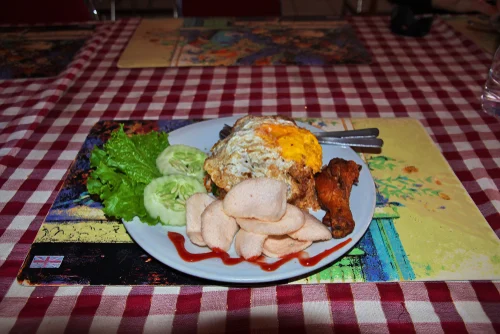
| Lunch | Midday | A small, quick meal, often sandwiches or salads in cities. |
| Dinner | Evening | The largest meal, featuring staple foods like sweet potato, taro, and vegetables. |
Rural vs Urban Meal Time Differences
There is a big difference in the way people eat in rural and urban parts of Papua New Guinea. In rural villages, life is slow. People do things like farm and chores every day, so meal times change. They eat when they get hungry or finish their tasks, not at set times.
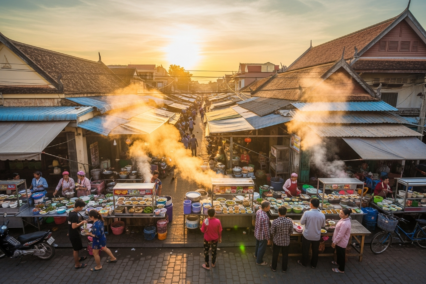
But in cities like Port Moresby and Lae, things are different. Many people work from 9 to 5, so meals happen at set times. People who live in the city often take lunch breaks at the same time each day. There are many more cafes and eateries to match this routine. Outdoor markets stay important, and you also see more fast food and restaurant choices popping up.
Key differences include:
- Rural: Meal times change and depend on things like farming.
- Urban: People eat at clear times and follow work or school hours.
- Food Access: In urban centers like Port Moresby and Lae, you find many different places to eat. This could be fast food, fancy restaurants, or outdoor markets with traditional food.
People living in Papua New Guinea, especially in bigger places like Port Moresby or Lae, now have more food choices. Rural areas still keep their slower way of life and the way they eat matches how they work every day. Outdoor markets are found across both cities and villages, showing the mix of old and new ways to share meals.
Cultural Influences on Dining in Papua New Guinea
Dining in Papua New Guinea is shaped by the culture and old local ways. Meals here are about more than the food. They are about bringing people together, sharing, and marking special times. Table manners in Papua New Guinea are usually easy-going. The focus is on enjoying both what you eat and those you spend time with. Sitting down to eat with your family or community is a big part of normal life. It helps everyone stay connected.
You can see these customs best when there are big events or special gatherings. How people in New Guinea make, share, and eat food shows the strong old traditions that have been kept for years. That is why papua new guinea food customs matter a lot, both on special days and for family time.
Traditional Feasts and Special Meal Occasions
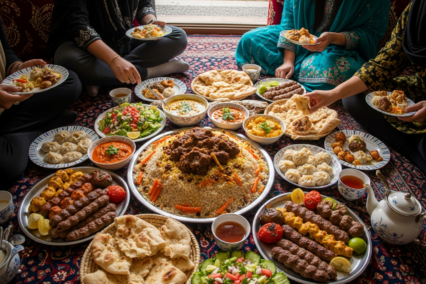
For special occasions, people in Papua New Guinea make big meals that show their food traditions. The most well-known dish is called Mumu. Many people see it as the national dish. Mumu is not something you eat every day. Instead, it is made for big events like weddings, holidays, and important gatherings. There is no exact time to have a Mumu because making it is a celebration on its own and can take many hours.
The Mumu is made with an earth oven. Hot stones get placed in a pit. Food goes on top of the hot stones. Then everything is covered and left to cook slowly. This method helps to blend all the flavors together.
Here are the common foods used in a Mumu:
- Pork or chicken
- Staple root vegetables like sweet potatoes, taro, and yam
- Leafy greens and other vegetables
In the end, you get a soft and tasty meal that everyone shares. A Mumu brings the whole group together, showing unity and kindness. The Mumu and cooking in an earth oven are both big parts of the life of New Guineans, especially on their special occasions.
Family Practices and Social Gatherings
Family meals are a big part of life in Papua New Guinea. People there know that sharing food is a good way to show kindness and to be part of the group. At get-togethers, food will often be set out for all to share. It is sometimes put on big palm leaves instead of plates. This makes everyone talk and join in, which helps people feel close.
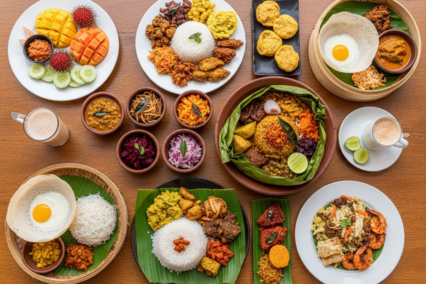
Papua New Guinean cuisine at these meals uses fresh and local things from the area. Many of the dishes will have coconut milk or cream in them, especially near the coast. This gives the food a rich taste. People like many kinds of drinks too, like coconut water, coffee grown in Papua New Guinea, and tea.
No matter if it is a small meal at home or a big event, eating together is an old custom in Papua New Guinea. This is the time when people talk, share with each other, and keep close ties with the family and the community. Every meal becomes a special and social time for all.
Conclusion
To sum up, meal times in Papua New Guinea tell us a lot about the culture in the country. People follow daily routines, and both city and village life have a big effect on how and when they eat. Food is a big part of getting together and having fun with others. There is a mix of old ways and new habits, so meal times and food are always changing, but people still respect their roots. If you want to know more about how people in papua new guinea or new guinea eat and what makes their food special, you can ask for a free chat. This is a good way to start learning about the food of papua. Your adventure into the tastes of papua new guinea is ready to begin!
Frequently Asked Questions
Are meal times fixed or flexible in Papua New Guinea?
Meal times in Papua New Guinea are often easygoing, especially in the countryside. Here, the local diet fits in with the daily farm work. But in cities and the city’s hotels, things are different. They usually keep to set meal times to match busy work and daily schedules. In Papua New Guinea, life in the city and the country can go at a very different pace.
How have modern lifestyles influenced eating habits in Papua New Guinea?
Modern life has changed how people eat in New Guinea, especially in Port Moresby. You now see many new places to eat, like eateries, cafes, and fast-food spots. They give people more choices for where to eat. Now, many have set times for eating, not like before when meal times were more flexible in Guinea. This shows how eating habits are not the same as they used to be.
What foods are most commonly eaten at each meal?
Papua New Guinean cuisine uses sweet potatoes, sago, taro, and yam as the base of most meals. Breakfast is usually light, but dinner is often the main meal of the day. In coastal areas, people eat a lot of seafood. Pork is something that is saved for special times and celebrations. All these things together make up a big part of this cuisine in Papua.