Key Highlights
-
Ugandan cuisine brings together African, English, Indian, and Arabic tastes. This mix makes the food in Uganda unique and full of flavor.
-
Meals in Uganda do not follow a fixed time. Lunch is known as the most important meal of the day, and people often eat dinner later.
-
The staple food for many Ugandan meals includes plantains called matoke, posho, and other starches. These are a big part of Ugandan food.
-
Main dishes in Uganda often have stews or sauces with goat meat, chicken, or fresh fish. These are common at special occasions.
-
Eating habits are not the same everywhere; city people get more types of food and enjoy a lot of street food, while those in the countryside may eat differently.
-
If you learn about local food ways, like eating as a family, you will better enjoy your time with Ugandan cuisine.
Introduction
Are you interested in the dining culture in Uganda? The food in Uganda shows a lot about its history and how people there live. Ugandan meals are tasty and give you a good way to learn more about this amazing country in East Africa. This African cuisine is truly special. It brings together tastes from Arabic, English, and Indian food. You can find good food everywhere in Uganda. Many people enjoy food from city restaurants, and others eat in small, quiet homes. Food is very important in the life of people in Uganda. Let’s go over when, what, and how people eat in Uganda, so we can learn even more about their ugandan way of life.
Understanding Ugandan Meal Schedules
In Uganda, people follow a more easygoing meal schedule than you find in many Western countries. In the rural areas, the pace of the day shapes when everyone eats. Lunch is usually the meal of the day for many Ugandans. It is often a big meal, and it helps people get ready for the rest of the afternoon.
This way of eating is part of life in Uganda and comes from work in the fields and a strong community feeling. You can see that Ugandan cuisine and the normal meal times fit right in with what people do each day. It gives a good view of what life in uganda is like. Let’s look more at when people have their meals and how flexible these meal schedules can be.
Typical Breakfast, Lunch, and Dinner Times in Uganda
Unlike in Western countries like Canada where breakfast is often a substantial meal, many in Uganda start their day lightly. A cup of tea or a simple bowl of porridge is common, especially in rural areas. Lunch, however, is considered the most important meal.
The main meal time in Uganda is midday, when people enjoy a large, filling lunch. Dinner is typically eaten much later in the evening, often after 8 p.m. or even 9 p.m. This schedule is prevalent across the country, though you might find more varied timings in cities like Kampala.
Here is a general guide to meal times in Uganda:
|
Meal |
Typical Time |
|---|---|
|
Breakfast |
7:00 AM – 9:00 AM |
|
Lunch |
1:00 PM – 3:00 PM |
|
Dinner |
8:00 PM – 10:00 PM |
Flexibility of Meal Times and Daily Routines
Meal times in Uganda are not strict. In Uganda, people usually have a loose schedule for ugandan meals. Ugandan meals mostly fit into the daily routine instead of being set by the clock. This makes life easier for everyone and lets people work in their own way.
For many people in uganda, especially those who live outside big cities, their work decides when they will eat. For example, a farmer might have a big lunch after working in the field all morning. But an office worker in Kampala could have a quick lunch so it fits into their busy work schedule.
This flexible way is common in the ugandan lifestyle. People follow the pace set by work, business, or family care. In Uganda, meals are often put into the flow of the day. Ugandan meals focus on helping people go about their daily life and spending time together, not always on eating at the same time every day.
Differences Between Urban and Rural Eating Habits
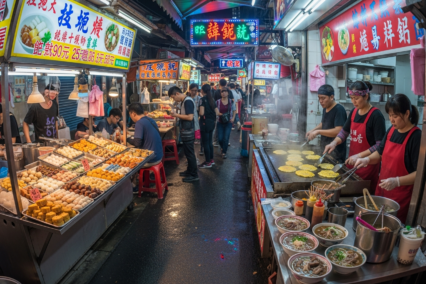
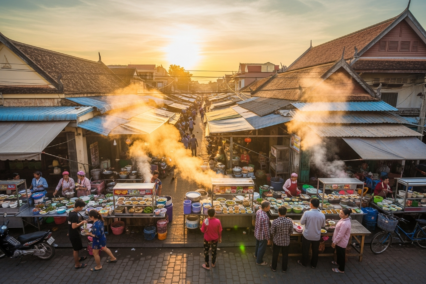
Eating habits in Uganda are not the same in all places. There is a big difference between city life and life in rural areas. In the cities, you can find many restaurants and try food from other countries too. You will see street vendors everywhere, and they sell snacks that are easy to eat and taste good. One popular snack they sell is called Rolex.
But things are different in rural areas. Most people there are farmers, and they cook meals at home with food that grows nearby. People there eat more traditional Ugandan cuisine, and it is made from foods that are basic and always found in the area.
These differences in where you live can change how people in Uganda eat, what meals look like, and what their daily life is like. The way people enjoy their snack, the food they eat, and their mealtime habits all depend on if they are in the city or the countryside.
Urban Versus Rural Meal Time Traditions
The way people eat in Uganda looks very different in the city and in rural areas. In busy cities like Kampala and Jinja, life moves fast. You can see this in the way people have their meals. There are many places to eat, like fancy restaurants and lively street vendors selling quick food to people who have a lot to do.
Out in rural areas, things go at a slower pace. Most families grow their own food. Meals are made at home, usually eaten together as a family. They use simple, local ingredients for real Ugandan dishes. You can spot street vendors here, but not as many as you would in the city.
Here’s a quick comparison:
-
Urban: People can eat from many kinds of restaurants, enjoy food from different countries, and grab snacks from many street vendors. City meals are often quick, and people may eat alone.
-
Rural: Most meals are home-cooked using fresh food that is grown nearby. Family members often eat together.
-
Variety: In the city, you will see a lot of different flavors mixed together, while rural areas focus on true Ugandan dishes using simple and rich local foods.
Weekday and Weekend Meal Patterns
Eating schedules change between the work week and the weekend. They often change for most people. During the weekday, meal time is set by work or school. Lunch is usually quick, like a packed meal or food from a close place.
On weekends, people enjoy ugandan meals in a more relaxed way. Families can cook together and eat without rush. Lunch on Saturday or Sunday may be bigger, with special dishes that are not made during busy work days.
This change lets families spend more time for meal time and being with each other. The weekend takes the push off the routine. Sharing ugandan meals brings people close. Food on weekends is not just about eating. It is about the joy of being with family and community.
Foods Commonly Enjoyed During Ugandan Meals
Ugandan cuisine has many hearty and tasty traditional dishes. The staple food in a lot of the country is matoke. This is a green banana that gets steamed and mashed. People often eat it with a spicy sauce or a nice stew.
Many other local dishes start with a starch like posho, which is made from maize flour, or they use cassava and sweet potatoes. These meals often come with groundnut sauce or stews that have meat or fish. Some special Ugandan dishes, like luwombo, are cooked inside banana leaves. This helps to keep in all the flavor. Let’s find out what foods they enjoy at different times of the day.
Traditional Dishes for Each Meal Time
For many people in Uganda, breakfast is simple. Most just have a cup of tea or a bowl of porridge to start their day. But there are other foods you can eat, like the popular “Rolex.” This is a chapati rolled up with an omelet and vegetables. People like it, and you can find it being made and sold on the street.
Lunch is the biggest meal for most. The main foods are starches matched with a sauce. You can find local dishes like matoke, which is steamed plantain. It’s often served with chicken stew, goat meat, or fish. Other starches people enjoy are millet bread (kalo), cassava, sweet potato, yams, and pumpkins. These are usually eaten with a thick groundnut sauce on top.
Dinner is a lot like lunch. You will see many of the same foods, such as starches and stews.
-
Luwombo: This is a stew made with chicken, beef, or goat meat cooked inside banana leaves.
-
Muchomo: Grilled meats like chicken, pork, or beef sold by people at the side of the road.
-
Kalo (Millet Bread): It is eaten with a vegetable sauce or groundnut sauce.
-
Ugali (Posho): This stiff cornmeal porridge goes well with greens, beans, or a stew.
Popular Beverages Served with Meals
What do people drink with their meals in Uganda? Water is a go-to drink, but there are many other choices that go well with Ugandan dishes. Tea is known as chayi there. People drink it all through the day, not just for breakfast. The tea is usually sweet and made with milk, and at times ginger is added to it.
If you do not want something with caffeine, Uganda has lots of fresh fruit juices. Because there are so many tropical fruits in Uganda, you will often see drinks made with mango, pineapple, or passion fruit. These cold and sweet juices go well with many Ugandan meals.
Here are some common drinks you may get:
-
Chayi: This is the local spiced tea. It has milk, ginger, cinnamon, and lemongrass.
-
Fresh Fruit Juice: These come from fruits like pineapple, mango, and passion fruit found in Uganda.
-
Water: You will see water at all meals.
All these drinks help bring out the taste of every meal in Uganda. Ugandan food and drinks go well together and give you a true taste of Uganda.
Cultural Customs and Etiquette Around Mealtimes
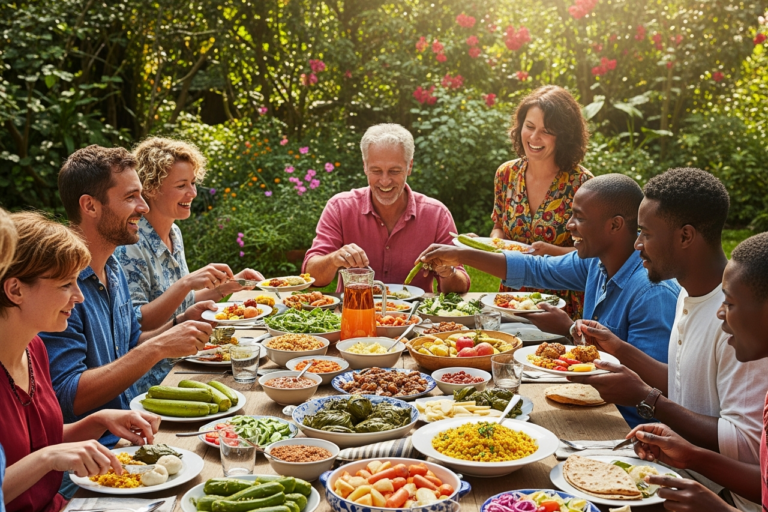
In Uganda, eating is not just about the food. It is a time for people to gather and connect. Ugandan meals are about being together with family and others in the community. People often eat together, and guests are always invited to join in.
If you learn about these customs, you will enjoy Ugandan cuisine even more. Every meal—whether it is an everyday meal or part of special occasions—comes with its own ways and traditions. These habits show how important food is in Uganda’s culture. Let’s take some time to know more about the social side and rules of being together during Ugandan meals.
Social and Family Meal Traditions
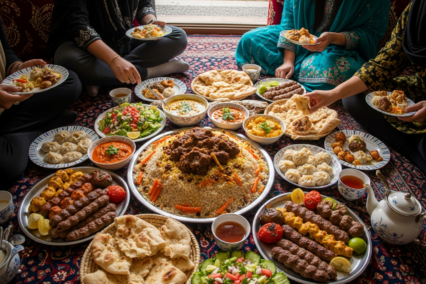
Family plays a big part in Ugandan food culture. Often, the family sits together and eats on mats on the floor. It is an important time to connect and share with each other. Most of the time, the women serve the food to make sure everyone gets enough.
One important part of the meal is that people stay seated until everyone is done eating. This is about showing respect for the local food and for everyone there. It helps remind people that the meal of the day is for all and not just for one person to eat alone.
Being welcoming is also a big part of meals in Ugandan homes. If someone comes by without warning, they will usually be asked to sit and have food too. Sharing is something people value highly. Because of this, eating a meal of the day in a Ugandan home often feels very special and warm.
Eating Etiquette During Holidays and Special Occasions
During holidays and special occasions, Ugandan cuisine stands out. People make more exciting Ugandan dishes for these times. There is always a festive feeling, and the meals feel special. The hosts put in a lot of work into cooking, and they want everyone—family, neighbors, and friends—to share the food. Most of the time, there is a lot of food for everyone.
One well-known dish for these special occasions is luwombo. It is a traditional Ugandan meal. People slow-cook chicken, beef, or goat meat inside banana leaves. They cook the meat with groundnut sauce and spices, which makes it taste very good. The banana leaves help make the meat soft, and they give it a rich taste and smell. Luwombo started as a dish for kings, but now you will usually find it at almost any big celebration in Uganda.
These holiday meals highlight how good Ugandan food can be. The portions are large, and there are many kinds of food to try. There is joy and a strong sense of people coming together. It all happens around one thing—a delicious shared meal.
Conclusion
In short, knowing when people eat in Uganda shows us much about their ways and daily life. There is the mix of old and new habits with meal times. People in cities eat at different hours than people in the countryside. Food means a lot there and brings everyone together. Traditional dishes and the drinks they have in Uganda offer many different tastes. The rules and habits for eating help make meals a time to connect with others. If you learn about their cooking and eating, you get to know what matters to them. If you want to learn more about Uganda or its traditional dishes, you can ask for more information.
Frequently Asked Questions
How do Ugandan meal times differ from those in the United States?
In Uganda, most people have their biggest meal of the day at lunch. People there often eat dinner much later, sometimes after 8 p.m. This is not like the United States. In the US, dinner is the main meal and people eat it earlier in the evening. Meal time in Uganda is more flexible, so people can eat at different times.
Are meal times in Uganda fixed or do they vary across regions?
Meal times in Uganda are not set in stone. They can change a lot, and that often comes from daily life in both urban and rural areas. Work, going to school, and spending time with other people can all affect when people in Uganda eat. Because of this, meal time there is not as strict as it is in other places.
What special foods are served during Ugandan celebrations?
For special occasions, people in Uganda get ready with big meals that have many local dishes. One favorite is Luwombo. This is a stew with chicken or goat meat. It cooks slow in banana leaves and there is groundnut sauce in it. You can also see fresh fish and lots of roasted meats during these times. There will be many tasty side dishes on the table to enjoy all together.