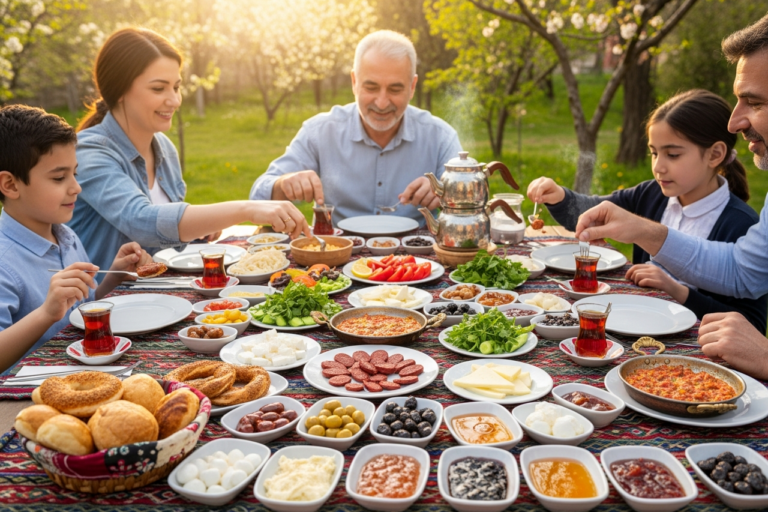
Key Highlights
-
Turkish cuisine has set meal times, and there is a big focus on a rich Turkish breakfast to start the day.
-
The meal of the day that matters most is often dinner. This is when family members come together.
-
Lunch is usually lighter and people eat it around 12 p.m. to 1 p.m.
-
On weekends, people enjoy a slow and long breakfast. This is a loved tradition that can last for hours.
-
Turkish tea is a big part of life. People have it all day with meals and snacks.
-
The times people eat can change a lot between city and rural areas. This also affects the different dishes people have.
Introduction
Welcome to the tasty world of Turkish cuisine! In Turkey, food is not just about eating. The people like to sit together and enjoy their meals. This is a big part of Turkish culture. Knowing when the meals are served helps you understand their way of life. The famous Turkish breakfast starts the day, and dinner is a time for everyone to come together in the evening. Each meal of the day has its own meaning and flow. Are you interested in what people eat, and when they eat, in Turkey? Let’s look at how these meal of the day customs are part of Turkish life.
Overview of Turkish Mealtime Traditions
The mealtime habits in Turkish cuisine show their long history and their close bond with family and friends. In Turkish culture, people like to eat together. Meals are a good time for everyone to talk, catch up, and slow down.
You see this in big cities and in the calm lands of Central Anatolia. The way people plan their meals and eat is shaped by history and where they live. Because of this, every meal in Turkish cuisine feels different. Now, let’s see how these customs started and how the land affects Turkish culture around meals.
Brief History and Cultural Significance of Eating Times
The history of Turkish meal times goes back to the Ottoman era. Back then, people had some different habits from what we see now. They usually had two main meals each day. The first meal would be in mid-morning after prayers. The second meal would be dinner right before the sun went down. This was a simple pattern, not the three-meal style we are used to today.
As time went on, changes in work life and western influences brought in the idea of three meals a day. Still, the importance of meals in Turkish culture did not change. Meals are key for family and social time. Sharing food is a big part of Turkish culture and hospitality.
The traditional Turkish breakfast is called “kahvaltı,” which means “before coffee.” Turkish breakfast grew to be a big and important meal. This change shows how eating habits in Turkey have changed, but they still keep the main value. Meals connect people and offer good food for the day.
Influence of Geography and Seasons on Meal Schedules
Turkey’s different landscapes have a big effect on when people eat. In rural areas, like farms, the sun and farm work decide meal times. Farmers often have breakfast early and eat a big lunch as their main meal.
In coastal places such as the Aegean region and the Black Sea, people eat fresh fish for dinner. Meals in these areas are often later in the evening so everyone can enjoy the cool air. In colder regions like Eastern Anatolia, winter meals are earlier and the food is more filling and warm to help with the cold.
Because of all these changes, meal times in a busy city like Istanbul may not be the same as in a small village. The pace in each place, the weather, and what food is grown nearby help make the meal times different all over Turkey.
Typical Daily Meal Schedule in Turkey
A usual day with Turkish food includes three main meals. These are breakfast (kahvaltı), lunch (öğle yemeği), and dinner (akşam yemeği). Every meal of the day has its own meaning. Each one shows something special about the country’s cooking style. You can taste this in the different dishes served each time.
Breakfast is often slow and big in Turkey. Lunch is smaller and light. Dinner is the top social time when families get together. Here is a closer look at when each meal happens and what you might find for breakfast, lunch, and dinner.
Standard Breakfast (Kahvaltı) Hours
The Turkish breakfast, called “kahvaltı,” is a meal that people look forward to. Most families serve it between 8 a.m. and 11 a.m. On busy weekdays, turkish breakfast might be fast, but many still see it as a good way to start the day. It is a time to sit down with family members before heading out for work or school.
The turkish breakfast is special because it has a lot of different foods on the table. Some usual things people offer are white cheese, also known as beyaz peynir, black olives, tomatoes, cucumbers, honey, jams, and warm bread that is just baked. It’s also hard to think of breakfast in Turkey without turkish tea. People fill glasses again and again.
Kahvaltı is not something people rush through. Unlike the quick breakfasts found in some other places, people like to slow down and enjoy this meal. It lets them talk with family members and friends, making everyone feel close before starting their day.
Common Lunch (Öğle Yemeği) Times
Lunch in Turkey, known as “öğle yemeği,” usually happens between 12 p.m. and 2 p.m. Most people like workers and students have their lunch break around 1 p.m. This meal of the day helps people get energy for the rest of the day. But lunch is often lighter and faster than breakfast or dinner.
People often eat dishes that taste like home cooking. Some of these include stews with green beans, tomato paste, and ground meat. These dishes are usually served with Turkish rice pilaf or rice pilaf on the side. A lot of people also eat a hot soup, which is common when it is cold outside.
In city areas, many office workers go to restaurants called “lokanta.” These places have lots of hot and cold foods ready to be served. This way, workers can eat a quick but good lunch before they go back to work. It also shows that what people eat can change depending on the time of the day.
Dinner (Akşam Yemeği) Patterns and Timing
Dinner, called “akşam yemeği” in Turkey, is the main meal of the day. People in Turkey usually have dinner later than those in other countries. Families come together for their evening meal between 7 p.m. and 9 p.m. This is an important time. It is when all can talk, share what happened during the day, and feel close.
The meal often begins with soup. Then comes the main dish. This could be meat, chicken, or fish. There are salads and vegetable dishes made with olive oil. Sometimes, you also see small dishes, called “meze,” especially when there is a special event.
If you look at Northern Europe, people there eat dinner much earlier. But Turkish dinner times are closer to the way their Mediterranean neighbors do it. Dinner in Turkey is slow and easy. It is like their famous weekend breakfasts. The most important part is the time with others, not just eating.
Turkish Breakfast Experience
The traditional Turkish breakfast is not just any meal. It is a long-standing part of culture in Turkey. People call it “kahvaltı.” The Turkish breakfast is a big and rich spread. It brings everyone together for an easy and fun start to the day. The table has many cheese varieties, olives, fresh vegetables, and jams.
The most important part of this experience is Turkish tea. It comes in tulip-shaped glasses and is poured many times. This morning habit is about enjoying the taste and sitting with others. It is about talking with people and liking what is on the table. Let’s see what foods and customs make a Turkish breakfast so special.
Popular Foods Served at Turkish Breakfast
A Turkish breakfast table is a treat for both your eyes and your taste buds. The foods you see can be different in each region, but most breakfast tables have some things in common. You will see different types of bread, like a regular loaf, a soft flatbread called “bazlama,” or “simit,” which is a ring-shaped bread with lots of sesame seeds on it.
The main dishes at a turkish breakfast are many kinds of cheese. White cheese, also known as beyaz peynir, is the cheese you see most often. It sits next to green and black olives, fresh tomatoes, cucumbers, and some other green vegetables. You will also get these favorite foods:
-
Menemen: Eggs scrambled up with tomatoes, green peppers, and onions. It’s full of taste.
-
Sucuklu Yumurta: Fried eggs made with slices of spicy Turkish sausage.
-
Jams and Honey: There are many fruit spreads and local honey, and they often come with a type of thick cream called “kaymak.”
This rich meal is enjoyed with a lot of Turkish tea. The tea is poured again and again during the meal. It helps to clear your mouth and makes the friendly conversations last longer.
Social Rituals and Morning Customs
The social side of a Turkish breakfast matters as much as the food. It’s a time for family members and friends to sit together and join in friendly conversations. People catch up and enjoy being with each other. The meal does not go fast. It often lasts for hours, mostly on weekends.
Turkish tea plays a big part in these morning times. It is made in a double teapot, called “çaydanlık,” and served in small, tulip-shaped glass cups. The tea gets refilled again and again. This helps guests stay longer and keep talking. You can hear the spoons tapping on glass cups, and it is a sound many people in Turkey know well. It makes the home feel good and warm.
Breakfast in Turkey is called “kahvaltı,” which means before coffee. Still, Turkish coffee comes out only after the meal ends. This coffee is made in a small copper pot called a “cezve.” It is served in small porcelain cups. It shows the official end of the meal. People share this coffee as a last chance to enjoy each other’s company together.
How Turkish Breakfast Timing Differs from Other Countries
The time and style of a Turkish breakfast really make it stand out from the first meal of the day in many other places. In most Western countries, this meal is often quick and simple. People eat it early in the morning before they go to work. In Turkey, the meal of the day is slower and bigger. People often eat it later in the morning, especially on weekends.
In many places, you will see coffee with breakfast. But in Turkey, strong black tea is what they drink most. The range of food is huge. There are many cheeses, fresh vegetables, and different types of bread like yufka ekmek or loaves of fresh bread. It feels like a big meal, not just a bowl of cereal or a slice of toast.
This way of eating shows how much people want to start their day with others and enjoy the time. A Turkish breakfast is not just about food for your body. It is also for building connections and enjoying being together. That is very different from the faster first meal of the day in most places.
Lunch Culture in Turkey
Lunch in Turkey is not as big as breakfast or dinner, but it still plays a key part in the day. It marks the time to take a break. People often recharge with a warm meal or grab some tasty street food.
Many like to eat home-made dishes. Stews or veggies with Turkish rice pilaf are common choices. Workers might get a quick meal at a local spot, and families may sit down to eat at home. Lunch culture in Turkey is mixed and simple. Now, let’s look at when people eat lunch and what dishes they choose most often.
When Do Families and Workers Eat Lunch?
Lunch hours in Turkey are mostly the same in different places. People usually eat lunch between 12 p.m. and 2 p.m. Workers who are in cities or towns take a lunch break from 1 p.m. to 2 p.m. That hour helps people take a needed break from work.
Family members who are at home, like in homes where old habits are strong, may have lunch a bit earlier, around noon. This is the time when kids get home from school to eat their midday meal. Eating at this time lets everyone in the family eat together. After lunch, they go back to their day.
In places like central Anatolia, lunch time can change. It often depends on the farm work that needs to get done. Workers out in the fields might stop for a longer break when it is hottest outside. They eat lunch then, because the meal helps people get through the rest of their hard work.
Typical Turkish Lunch Dishes
Lunch in Turkey is often made of warm and simple dishes. The food at this time is more filling than a sandwich but not as heavy as a big dinner. You will find that many Turkish food dishes for lunch are stews with vegetables and cooked in olive oil.
A typical lunch will give you a main dish with a side of rice or bulgur and a simple salad. You can find vegan options too, because a lot of the food has beans or other vegetables. Here are some common choices for a Turkish lunch:
-
Taze Fasulye: This is a nice stew with fresh green beans, tomatoes, and onions.
-
Kuru Fasulye: This stew has white beans. Some people add ground meat, and it is usually served with rice pilaf.
-
Lentil Soup (Mercimek Çorbası): You can see this soup almost everywhere. It is made with lentils and is often seasoned with hot spices like red pepper or lemon.
These lunches use starchy foods and are full of vegetables. They give the right kind of energy to people for the afternoon but do not feel too heavy. This is a big reason why these meals work well for the middle of the day.
Differences in Lunch Hours Between Cities and Villages
There is a clear difference in lunch habits between busy cities in Turkey and calm rural areas. In the bigger cities, lunch happens during a set one-hour break, usually between 12 p.m. and 2 p.m. Many people go to restaurants called “lokantas”, sit in cafeterias, or get quick street food.
In rural areas and villages, like those found in Central Anatolia, lunch is often the meal of the day. People plan their work around farming jobs, so the break at midday can last longer, especially when it is summer. They go back home to eat, enjoy a big home-cooked meal, and rest when the day gets hot.
The food on the table also shows this difference. In the cities, lunch can be just one dish. In rural places, lunches usually come with different dishes, tasty green salads from the garden, and yogurt. Eating in these quieter areas is slower, so people can enjoy more types of food and bigger meals. It shows how rural areas offer a wider mix of flavors than the fast city lunch.
Evening Meals and Social Gatherings
Dinner is an important part of the day in Turkish culture. It is more than just eating your last meal. It is a special time for family to be together, enjoying food and sharing stories. This time around the table is key to turkish cuisine and the way people live.
When evening comes, homes start to buzz as cooks make many different dishes. Dinner in Turkey is relaxed and goes on for a while. There are many courses. People take their time, connect, and unwind. Now, let’s look at how dinner timing and menus in turkish culture change. We can also see how these compare with meals in other places.
Timing of Dinner in Urban vs. Rural Turkey
The timing of dinner in Turkey varies between urban and rural settings, reflecting different lifestyles and work schedules. In urban areas like Istanbul or Ankara, dinner is typically served late, usually between 7:30 p.m. and 9 p.m. This later timing accommodates long work commutes and allows for a more relaxed meal after a busy day.
In rural areas, dinner is often eaten earlier, closer to sunset, around 6 p.m. or 7 p.m. This schedule is more in sync with the agricultural day, which starts and ends with the sun. The meal is still a significant family event, full of friendly conversations, but its timing is more practical.
These differences highlight how lifestyle impacts dining habits. Whether early or late, dinner remains the most important social meal of the day.
|
Location |
Typical Dinner Time |
Reason |
|---|---|---|
|
Urban (e.g., Istanbul) |
7:30 p.m. – 9:00 p.m. |
Aligns with longer workdays and commutes |
|
Rural Areas |
6:00 p.m. – 7:00 p.m. |
Follows the rhythm of the agricultural day |
Common Foods and Courses Served at Night
A Turkish dinner is a full and often fancy event. It starts with a light dish and then moves to a bigger one. Many times, the meal begins with soup, which is great in the cold months. After that comes “meze”—these are small starter plates that may have yogurt dips or vegetable dishes made with olive oil.
The main course is usually seen as the best part of the night. What you get here depends on the region and time of year. You may get meat dishes or fish that is fresh that day. Rice pilaf or bulgur often comes as a side, along with a fresh salad, at most meals. Some main course choices are:
-
Grilled Meats: Kebabs are loved by many people. They are made with lamb or chicken cooked with tomatoes and green pepper.
-
Fresh Fish: If you are near the sea, you will often see sea bream (çipura) or sea bass (levrek), usually grilled.
-
Vegetable Dishes: Meals like stuffed eggplants (karnıyarık) are hearty and can also be the main course.
After you eat the main dish, people often share fresh fruit. Later, there may be dessert and a cup of Turkish tea or coffee. This lets people sit, talk, and enjoy the evening for even more time.
Is Dinner in Turkey Served Later than in Europe?
Dinner in Turkey is usually served later than in Northern and Central Europe. In places like Germany or the UK, people have their evening meal at about 6 or 7 p.m. In Turkey, families often eat between 7 p.m. and 9 p.m. So, the meal of the day starts later than in most of Europe.
This timing is like other Mediterranean countries such as Spain and Italy. In these places, dinner is also a late event and it’s enjoyed together as a group. Along the warm Aegean coast, the climate is a reason why people wait for evening. They eat and spend time with family and friends once it’s cooler.
In the Black Sea region, the weather may be cooler, but families still keep dinner late. In this area of Turkey, the importance of sitting together and making meals a social time is strong. People put family and close ties ahead of sleeping early.
Regional Variations in Mealtime Customs
Turkey is a big country with many cultures. The way people eat at meal times can change a lot in each place. For example, what you see in the Aegean region by the sea is not the same as what you get in the mountains of Eastern Anatolia or along the Black Sea coast.
Where people live, the weather, and their own ways all help make these changes. Knowing about them helps you see the many sides of life in Turkey. Let’s look at how meal times can be different in busy cities, small villages, and towns near the sea.
Mealtime Patterns in Istanbul and Major Cities
In Istanbul and other big cities, the way people eat during the day is shaped by fast and busy work life. Breakfast happens quick, especially during the week. The tradition of a big weekend breakfast is still strong for many. A lot of people just get a “simit” while heading to work.
Lunch happens between 1 p.m. and 2 p.m. It has to fit the workday. Many office people eat at “lokantas” where they pick fast, ready-made Turkish food. Some go for street food if they want something different. The main meal of the day is dinner. People have it late, most times after 8 p.m., after they have made it through traffic and are home with their family.
City life in Istanbul also means there is food to get at almost any time, day or night. You can go out for a late-night snack or even have a full meal when you want. This 24/7 way is not easy to find in small towns. It helps people with all kinds of different work hours and keeps street food, Turkish food, and late meals always an option.
Rural vs. Coastal vs. Eastern Turkish Dining Hours
Dining times in Turkey are not the same everywhere. If you are in rural areas, people eat to match the sun and the farm work. The day starts with a big breakfast. Lunch is the main meal, and dinner is around sunset.
When you go to the Aegean coast, life slows down. Hot summers mean dinner is late, often after 9 p.m. People like to eat in the cool air at night. Lunch is smaller here, and many meals use olive oil and fresh seafood. These things are very common on the Aegean coast. In the Black Sea region, the meals are a bit earlier compared to the coast.
In eastern Turkey, winters are long and cold. The meals are big and use lots of grains and meat. People eat dinner earlier than on the coast because most want to be indoors and away from the cold. These ways of eating show that there is a different meal schedule in every part of the country.
Factors Affecting Regional Differences in Food Schedules
There are a few main things that shape when and what people eat in different parts of Turkey. One big factor is where you are. The weather and what grows well nearby decide what is on the table and the time the meal is served. For example, the Aegean region has a lot of olive trees. That is why people there often eat olive oil dishes. But in the east, where it is colder, there is more grain and animal foods on the menu.
The time of year matters, too. In summer, people wait to eat because the day is hot. So, they have meals later. Summer foods have dozens of different green vegetables because that is what is fresh then. In winter, people eat earlier in the day. The food is heavier, which gives warmth and energy for the cold.
People in each part of Turkey also have customs from their past that change food routines. In some parts, a pepper paste recipe might be a family secret. In other places, they are proud of how they cook fish. Together, these things—the local weather, what foods are around, and old habits—mix to make Turkish food and mealtimes very special and different from place to place.
Special Occasions, Weekends, and Holiday Meal Times
In Turkey, people often change their regular meal times for special days. Weekends, holidays, and religious events each bring a new feeling to eating together. Meals become bigger celebrations on these days, and are shared with family and friends. There are special dishes served to mark these times.
Weekend breakfasts in Turkish culture can go on for hours, with many people enjoying food and company. During Ramadan, meal times shift, and this shows how important sharing food is. These occasions show the social value and flexibility that food has in Turkish culture. Festivals and holidays really change the normal meal routine for everyone.
How Festivals and Holidays Affect Mealtimes
Festivals and holidays in Turkey can really change the normal mealtime schedule. On national holidays or during religious festivals, the usual weekday food routine gives way to a more free and fun way of eating. Food becomes the center of the day. People plan these meals with a lot of care and look forward to them.
For example, during bayram, which is when there are national or religious holidays, families will travel to see their loved ones. Mealtimes are big, with many people, and they can happen at any hour. You might see an unofficial meal with snacks and sweets. These are given to guests who stop by any time during the day.
Family picnics outside are also common when there are holidays. These times bring people together with a happy tone, and there is eating all day instead of set meal times. At these special times, it’s not about sticking to a certain time for lunch or dinner. It is more about using the time to be with family and friends as much as possible.
Weekend Brunch and Extended Family Gatherings
On weekends, the Turkish breakfast turns into something big, and people call it “serpme kahvaltı” or spread breakfast. This is the time when brunch really shines in Turkey. Family members and friends sit together at a table with even more dishes than you see on a weekday.
These weekend breakfasts usually start at around 10 or 11 in the morning. People take their time, and the meal can last into the afternoon, mixing both breakfast and lunch. It’s a special way for everyone to catch up and enjoy friendly conversations. No one feels rushed by work.
Weekend breakfasts are such a big thing that cafes and restaurants everywhere in Turkey serve special brunch menus on Saturdays and Sundays. It shows how much Turks value good times with family members and friends. They get together with tasty food, friendly conversations, and turn their time at the table into a little celebration.
The Impact of Ramadan and Religious Observances on Eating Times
During the holy month of Ramadan, the way people eat each day changes for those who follow Islam. They do not eat food or drink from sunrise to sunset, so the usual plan of three meals a day is replaced by two main meals: “sahur” and “iftar.” These religious rules set a new pace for what happens in daily life.
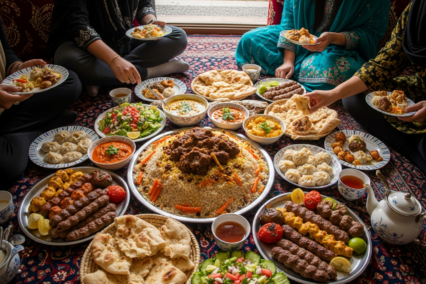
Sahur is the first meal of the day. People eat it before dawn, before the fast starts for the day. This meal of the day should be filling, so it can give enough energy to last all day. After sunset, Muslims have iftar, which is the meal that ends the fast. It usually begins with dates and water, then people eat a full dinner.
At iftar, the food is often more special and feels like a celebration. Families and friends come together and share this meal. The iftar menu might have special soups, pastries, main meals with hot spices, and food with lemon juice on top. This time shows how faith shapes mealtime and food traditions.
Conclusion
If you want to learn about Turkish culture, it’s good to know how people in Turkey eat together. Meals are an important part of life there. From the first meal of the day, like a Turkish breakfast, to eating dinner late at night, each mealtime has a special role. These meal customs come from long years of history, the land, and the way people live and connect with each other.
When you try a traditional Turkish breakfast or sit down for a meal with family, you can feel the kindness and welcoming nature of Turkish culture. Mealtime in Turkey is more than just the food on the table. It is about coming together, sharing with loved ones, and feeling happy. If you want to know more about this food journey, you are always welcome to reach out!
Frequently Asked Questions
Are restaurants in Turkey open during traditional meal times for tourists?
Yes, you can. In places where there are many tourists, the restaurants are open most of the day. They are happy to help and want you to have the best time. The locals might eat at certain times if they follow the meal of the day schedule. But you can get tasty Turkish food almost any time. So you will get to try something from Turkish cuisine and will not go hungry while you see the best of this country.
How did meal times differ in the Ottoman era compared to today?
In the Ottoman era, people did not have three meals a day like we do now. The daily schedule was simple. Most people in Turkish culture ate one meal in the late morning. This was done after prayers. Then, they had dinner just before the sun went down. Over time, things changed. Now, having three meals each day, with breakfast as a separate meal, is common in Turkish culture.
How do Turkish meal times influence what foods are served throughout the day?
The time of day changes the different dishes you see in Turkish cuisine. A Turkish breakfast is light and has things like cheese, olives, and bread. Lunch is usually warm food, often something like a stew made at home. Dinner is the main meal of the day and has bigger courses such as grilled meats or fish.