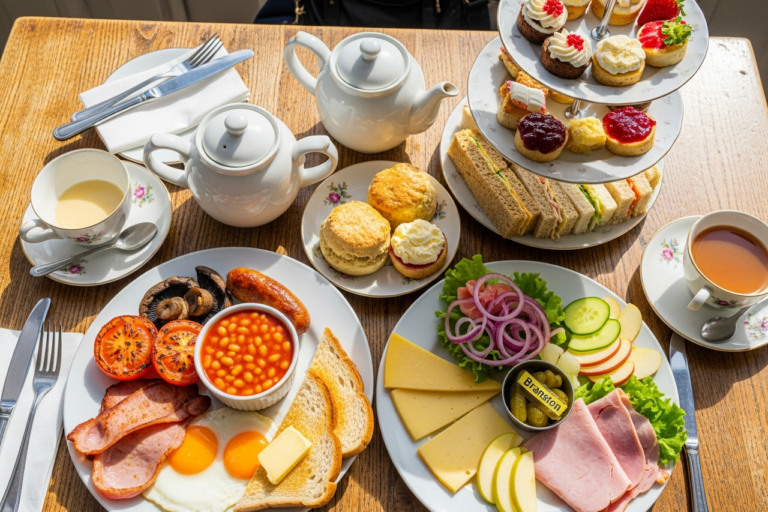
Key Highlights
-
British meal times be a bit tricky, because the names for meals like “dinner” and “supper” change in different places and for different social class groups.
-
In the United Kingdom, there be three main meals of the day. Breakfast is the first meal of the day. The midday meal comes next. The main evening meal happens last.
-
In some areas, “dinner” means the midday meal. In other places, it means the evening meal.
-
British culture brings in special traditions like “elevenses,” which is a morning snack. There also be the formal afternoon tea.
-
Knowing about these ways to eat helps people understand life in the United Kingdom, and makes your dining experience even better.
Introduction
Welcome to the world of meal times in the United Kingdom. Sometimes it might seem a bit confusing. If you are visiting from North America, you may notice that planning a dining experience can feel tricky. One person might call it “dinner,” another may say “tea,” and someone else will use “supper” for the same meal. This guide will show you the details of British meal times. You will know what to expect when you are invited to eat during your travels.
Overview of Typical Meal Times in the United Kingdom
In the United Kingdom, many people have a set routine for eating each day. Most people have three main meals, which happens at certain times. They have breakfast early, from around 6 a.m. to 9 a.m. The midday meal comes next and is usually between 12 p.m. and 2 p.m. The evening meal is taken later, from 5 p.m. to 7 p.m.
But meal times get confusing because the name for the main meal can change. The main meal of the day might be at noon or in the evening. It depends on the time of day and local habits. Someone might call the midday meal “dinner” or “lunch,” while the evening meal can be called “tea” or “supper.” This shows how much british food traditions and meal times can vary. The different ways people talk about the meal of the day in the United Kingdom tells us a lot about their culture.
British Breakfast: Timing and Key Traditions
The first meal of the day in Britain is always called breakfast. It happens early, between 6 a.m. and 9 a.m. This makes it different from lunch or dinner, which are later. This meal of the day gives you the energy you need to start your morning. And it is often enjoyed with a strong cup of tea.
Some people like to have a simple meal, such as cereal or toast. But the famous British breakfast is known as the “Full English.” This substantial meal is loved by many. For most people, it is more of a weekend treat and not something they have every day. What goes into a Full English?
-
Bacon, sausages, and eggs
-
Baked beans, grilled tomatoes, and mushrooms
-
Toast or fried bread
Some folks may want a smaller meal if they do not have a big appetite. No matter how much food you have, breakfast in Britain is important. It helps you start your day before heading to work.
Lunch and Light Meals: When and What to Expect
The midday meal in the UK is usually served between 12 p.m. and 2 p.m. This is where people can get confused with naming. For most, this meal is called “lunch.” It is a quick bite or light meal that helps break up the workday. But in some places, like the North of England, this meal is known as “dinner” and can be the main meal of the day.
If you want a typical midday meal, you will often find simple and easy foods. Many get a sandwich, soup, or a salad. The midday meal is made to be fast so people can return to their work or other things. Some usual choices for this meal of the day are:
-
Pre-packaged sandwiches from a local shop
-
A “meal deal,” which usually gives you a sandwich, snack, and drink
-
A jacket potato with different fillings
Whether you have a light meal or a main meal of the day, the midday meal is a key part of British meal times. It goes between breakfast and the evening meal. The midday meal keeps people in the UK fueled, whether in the North of England or elsewhere.
Evening Meals: Dinner, Supper, and Family Routines
The evening meal is the last meal of the day for most families in the UK. It is usually served between 5 p.m. and 7 p.m. Family members often sit together and talk about their day. The name for this meal changes depending on where you are and who you talk to. People call it dinner, supper, or sometimes tea.
It is good to know these terms if you want to feel like part of the local group. Some people say “dinner” when they talk about their main evening meal. Others use “supper” for a meal that is lighter and more casual. We will look at when people have this meal of the day and what makes “dinner” and “supper” different in British culture.
Typical Timings for Dinner in UK Households
The dinner hour in most UK households falls in the early evening. For families with children, dinner is often served earlier, typically between 5 p.m. and 6:30 p.m. This allows plenty of time for evening family routines before bedtime. Adults without children might eat a bit later, often between 6:30 p.m. and 8 p.m.
Historically, meal times have shifted. The main meal, or dinner, used to be eaten midday. However, with changing work schedules and the advent of artificial lighting, the evening became a more practical time for the last meal of the day. This evolution shows how British meal times have adapted to modern life. The terminology, however, can still be a source of confusion.
Here is a simple breakdown of how meal names can change depending on location and social background:
|
Meal Time |
North of England (Working Class) |
South of England / Middle & Upper Classes |
|---|---|---|
|
Midday |
Dinner |
Lunch |
|
Evening |
Tea |
Dinner or Supper |
Differences Between Dinner and Supper in British Culture
Yes, there is often a gap between the words “dinner” and “supper” in British culture. This difference is usually about social class and how formal the meal is. For many people, “dinner” means the main evening meal. It is eaten with family at the end of the day. It is the most substantial meal, and most people call it that.
But, “supper” can mean a few things. For some, mainly the upper classes, “dinner” can be a formal event with many courses. “Supper” is a more casual, simple evening meal. This gap can be small and often shows someone’s background.
Also, “supper” can be a very light evening meal or a quick snack before bed. This is smaller than the main evening meal. It could be something like a bowl of cereal or toast. Both words talk about an evening meal, but what each one means can change, depending on the person and the situation.
Unique British Meal Times and Customs
British meal times have a few special breaks that go beyond the main three meals. These breaks are not just a quick snack. They are seen as little rituals in the day. “Elevenses” and “afternoon tea” are good examples. Many people love them, and they make the day feel brighter. Some of these customs began because of social class, but now they are enjoyed by all as something nice.
These breaks can give people time to slow down and rest. Let’s take a look at these traditions like afternoon tea and learn why they matter so much in british culture and british meal times.
Elevenses, Afternoon Tea, and Other Special Traditions
One of the most famous things people do in Britain is called “elevenses.” Like the name says, this is a short break to take at about 11 a.m. People have a cup of tea or coffee at this time. They may also eat a biscuit or a small cake. It gives them a bit of energy to help them get to lunch.
Afternoon tea is another well-known custom. This is a more formal, light meal. People usually have it between 3 p.m. and 4 p.m. The Duchess of Bedford made it popular in the 19th century because there was a long gap between lunch and dinner. Today, afternoon tea is a treat, not something people have every day. The meal comes with sandwiches, cakes, scones, and a pot of tea.
Some other meal breaks that people in Britain love are:
-
Brunch: A mix of breakfast and lunch, eaten late in the morning.
-
High Tea: Not the same as afternoon tea. This is a bigger evening meal for working-class people. It comes with hot dishes.
-
Supper (No. 2): A small bite, like sweet treats or something simple, eaten before bed.
Conclusion
To sum up, knowing the meal times in the United Kingdom is important if you want to really enjoy British culture. From the big British breakfast to the classic afternoon tea, each meal shows a bit of daily life and how people in the UK get together. Learning about when meals usually happen can help you plan your day and make your trip better. Try out these special dining customs and taste the many good foods the UK has. If you want to explore more about food in Britain, you can book a free session with our travel experts.