Key Highlights
-
In the UAE, people often have dinner late. Most of the time, it is after 8 PM, especially if you are in cities like Dubai or Abu Dhabi.
-
On the weekend, Sunday is a big day for brunch. Many people in the Emirates enjoy long brunches, and it is a favorite thing to do with others.
-
When dining, it is good to use your right hand to eat and pass food. Using the left hand at the table can be seen as rude.
-
Being kind and showing hospitality is a big part of the culture. If someone offers you food, it is nice to take at least a little bit.
-
During Ramadan, meal times change. People have Iftar right after sunset and Suhoor before the sun comes up, which can change when restaurants open and close in places like Sharjah and other spots.
-
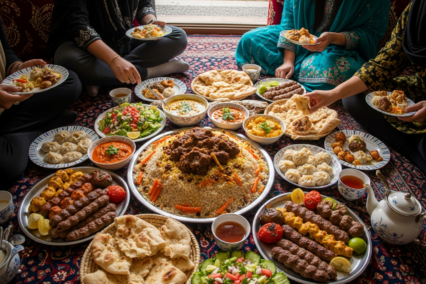
Family time is very important in the UAE, and large meals with everyone together often last late into the night.
Introduction
When you know about meal times and how people eat in the UAE, you can really feel more connected to local life. In places like Dubai and the other Emirates, meal times are not just for eating. These times are also for talking, sharing with family and friends, and showing care to others. Meals can be with family, for work, or sometimes with friends on the weekend. If you learn the way people eat during the day, you will feel more welcome, and you will see what daily life in the Emirates is like. This will make your visit even better.
Daily Meal Timings in the UAE
In the UAE, people tend to eat when it fits their busy days. This timing can change a bit between Dubai, Abu Dhabi, and Sharjah. Most people eat breakfast early. Lunch and dinner take place later than what you see in Western countries. Dinner is important there. It’s the main meal where family and friends get together.
Homes and places to eat in the Emirates get lively at night. People don’t rush through dinner. It often begins at 8 PM, or even later. The meal can last for hours because everyone eats and talks together. Here is a closer look at how people handle meal times and what happens during weekends in Dubai, Abu Dhabi, and Sharjah.
Typical Breakfast, Lunch, and Dinner Hours
Daily meals in the UAE follow a rhythm that balances work, family, and social life. Breakfast is typically eaten between 7 AM and 9 AM, getting the day started before work or school. Lunch is usually scheduled between 1 PM and 3 PM, serving as a midday break.
The evening meal is where the timing differs most significantly from many other cultures. Dinner in Dubai, Abu Dhabi, and Sharjah is a later affair, generally served from 8 PM to 11 PM. This allows families to gather after a long day and enjoy a relaxed, communal experience. On weekends, including Sunday, these dinner times might be even later as people socialize.
Here is a simple breakdown of typical meal times across the UAE:
|
Meal |
Typical Time Frame |
|---|---|
|
Breakfast |
7:00 AM – 9:00 AM |
|
Lunch |
1:00 PM – 3:00 PM |
|
Dinner |
8:00 PM – 11:00 PM |
Brunch Trends and Popular Weekend Meal Times
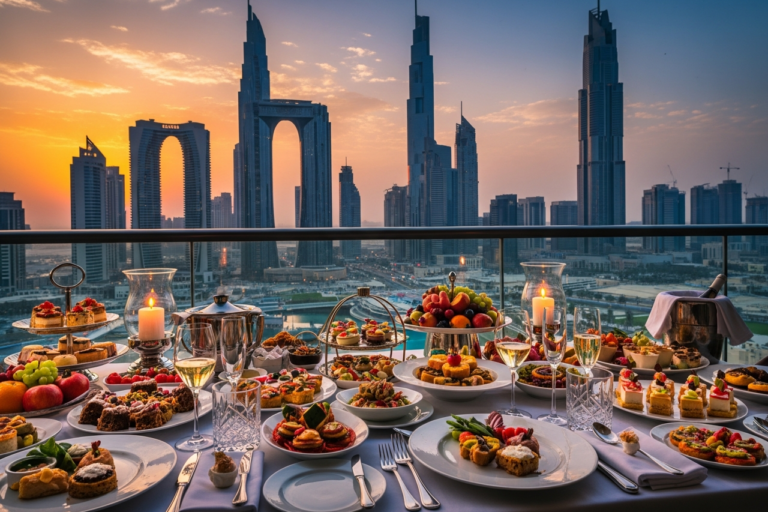
The weekend brunch is a big part of the social scene in the UAE. It is very popular in cities like Dubai and Abu Dhabi. This brunch is not just a normal late breakfast. It is a big meal that goes on for hours. People in the Emirates like to relax and hang out with friends and family at these brunches, especially on Saturday or Sunday.
You will see huge buffets, live cooking, and lots of energy at these gatherings. Most brunches in the UAE, including Dubai, Abu Dhabi, and Sharjah, take place in the afternoon. It gives people plenty of time to sit back and enjoy their time. Usually, brunch starts at midday and keeps going for about three to four hours.
Here are a few key points about brunch in Dubai and other Emirates:
-
Brunch usually starts between 12:30 PM and 1:00 PM.
-
They typically run for about three to four hours, often ending around 4:00 PM.
-
Many hotels and restaurants across Abu Dhabi, Sharjah, and Dubai offer themed brunches, making it a major weekend event.
Comparing UAE Meal Schedules with Western Countries
When we look at meal schedules, we see the biggest change comes with the evening meal. In some Western countries, people have dinner around 6 PM. But in Dubai and Abu Dhabi, people usually eat their last meal much later. Most sit down for dinner after 8 PM.
This gap shows the different ways people in the UAE and the West plan their days and spend time with others. In the UAE, the evening is a time to catch up with friends and family over food. This is not the same as many Western countries where people eat dinner earlier, and it is more about close family at home. Now, let’s look at the customs and habits in these places and see how they fit these schedules.
Differences in Dining Habits and Customs
In the UAE, eating is more than just about when you have a meal. It is about how people come together. In the UAE, meals are a time for people to share food, talk, and connect. This is a big part of life. People often use large plates and share, so that everyone gets to eat together. It is a tradition in the UAE and also in Dubai.
One important thing to know is how to use your hands at the table. In the UAE, you should eat and handle food with your right hand. The left hand is not used for eating, serving, or taking food from others because it is seen as not clean in these settings. This is important to follow, especially at traditional meals.
Here are some main differences you will see:
-
Use of Hands: People in the UAE use only the right hand to eat. This is a big cultural rule.
-
Pace of Meals: In Dubai, people take more time with meals. It is a social and relaxed time, not rushed like in some Western places.
-
Hospitality: People in the UAE and Dubai show their care by offering food. If you say no to food, it can come off as rude.
These customs show how important meals are for bringing people together in the UAE.
Late Dinners and Family Gatherings in UAE Culture
Yes, eating late at night is very normal in the UAE. It is part of daily life for people in places like Dubai and Abu Dhabi. This way of having dinner comes from the hot weather, the way people work, and how much they care for family and friends. When the hot part of the day passes and work hours are done, people see the evening as the best time to meet.
For most families in Abu Dhabi and Dubai, dinner is a big part of the day. It is a time where everyone can sit down together, tell stories, and get close again. People do not rush these meals. Many times, dinners last a few hours and can go until late at night, especially during the weekend on Friday, Saturday, and Sunday.
Having dinner late helps make family and community ties strong in the UAE. It is normal for one simple dinner with family to turn into a bigger group when neighbors or relatives come by. This love for having people over makes evening meals special and turns them into a long-loved habit in UAE life.
Cultural Etiquette and Traditions Around Meals
Eating out in the UAE is more than just having food. It is about being a part of strong customs. Good manners matter to the people here. They feel that sharing food shows how much they care for others. You can make a good impression with small acts.
One important thing is to use your right hand when you eat, pass food, or take a drink. This is seen not just in Abu Dhabi but also in Dubai and other places in the UAE. These old customs are still followed, even with new ways of living in big cities. Paying attention to these rules can help your time at meals feel more real and thoughtful.
Rules for Business Lunches and Formal Meals
Business lunches in the UAE, especially in Dubai, are a normal way people build new contacts at work. These meals feel formal, but most people are relaxed while they eat. The business lunch often starts at 1 PM, which is the usual time to eat in the middle of the day.
You may notice that people mix business topics with talk about daily life. Often, the real business chat does not start until after everyone eats their main meal. The focus of the lunch is to make trust grow and form a good bond between those at the table. When you eat in the UAE, it is key to follow the right etiquette. Be sure to use your right hand to eat and to pick up things, since using your left hand can be offensive.
Here are some tips so the meal goes well:
-
Wait for the host or the oldest person at the table to start eating.
-
Take coffee or tea if people offer, because it shows you respect their hospitality.
-
Dress in clothes that are modest and also fit the business setting, showing respect for the day.
These rules help you fit in and have a good meal with others in the UAE or Dubai.
Hospitality, Social Rituals, and Local Customs
Hospitality is very important in the UAE. In fact, it may be the most loved local custom. If you get an invite to an Emirati home, you will be seen as a special guest. People there often go out of their way to make you feel good when you sit at the table with them. They want you to eat well and feel welcome.
Serving guests food and drink is a big part of this. You are expected to say yes to what the host gives you, even if you only eat or drink a little bit. If you say no, or turn down their offer right away, it can look rude. In places like Sharjah, you will often get Arabic coffee and dates when you walk in. This is a well-known sign of a friendly Emirati welcome.
People take their time with meals. Eating fast is not common. You will have long talks and maybe more than one course, too. This is true, especially when families and friends get together on a Saturday or Sunday. This easy-going way is a big part of life in the UAE. It’s all about bringing people together, not just getting the meal done quickly.
Special Meal Times During Ramadan
In the UAE, meal times change a lot during Ramadan. Muslims do not eat or drink from sunrise to sunset. People in Dubai, Sharjah, and other cities in the UAE eat two main meals each day. The first meal is Iftar. They eat Iftar at sunset to break their fast. This meal is important. It brings people together and has a big meaning for them.
The second meal is Suhoor. People eat Suhoor before dawn. This meal helps give them energy for the day of fasting. These changes affect daily life in the UAE. Families, restaurants, and even public schedules adjust to the new times during Ramadan.
Changes in Family Dining and Community Iftar Practices
During Ramadan, family meals in the UAE, especially Abu Dhabi, become a time for everyone to come together. People break their fast at sunset with Iftar. This starts with dates and water, just like the Prophet Muhammad did. After evening prayers, the family sits down to enjoy a big meal.
This is a special time of sharing with others. In Abu Dhabi and the rest of the UAE, there are often many dishes made for loved ones, neighbors, and friends. People try to be more generous. Inviting others for Iftar is a well-loved practice.
Public Iftar tents are set up in many places. Here, anyone can join in and eat for free. This helps people from different backgrounds get closer and support each other. Kindness and giving are important parts of Ramadan. The family meal grows into a bigger event and brings everyone in the community together.
Impact of Ramadan on Restaurant and Travel Meal Schedules
Ramadan brings big changes to the way restaurants work and serve food in the UAE. In Dubai and other emirates, most places to eat will close during fasting hours. Some might give take-out meals only. Once the sun goes down, these restaurants get busy again. They offer Iftar buffets and special set menus. These dinners are loved by people who live there and those visiting. Many restaurants stay open late, so people can have Suhoor before the next fast.
When you travel, your meal times change too. Airlines flying to and from the UAE pay close attention to Ramadan. They let people know when it is time for Iftar on the plane. Sometimes, they hand out meal boxes with dates, water, and a snack to help passengers break their fast.
Airports also change food court hours for those who are fasting. Some food spots keep serving behind screens during the day for people who are not fasting. Still, the feel of the place changes to go along with Ramadan in Dubai and other emirates.
Conclusion
In the end, knowing about meal times in the UAE helps you see the rich culture in the area. The daily meals often bring family together. Special ways of eating during Ramadan also show important customs. Learning about these habits can make your time in the UAE better. It helps you take part in the local ways whether you live there or are just visiting. If you want to find out more about food in the UAE or need help with eating rules, you can ask for a free consultation. Enjoy your food journey!
Frequently Asked Questions
Are children’s meal times different from adults in the UAE?
In the UAE, kids usually eat before grown-ups, and their meal times are more open. Families in Dubai often have dinner late, but young kids get to eat first to keep their schedule. Still, even if kids have already eaten, they are always part of big family get-togethers.
What time are meals typically served in Dubai restaurants?
In Dubai, most restaurants serve lunch from 1 PM to 3 PM. Dinner starts at about 7 PM. In the UAE, the busiest time for dinner is between 8 PM and 11 PM. Many restaurants in Abu Dhabi and all over the Emirates keep their doors open late because people like to eat later in the day.
Do flight meal times vary when flying to or from the UAE?
Yes, the time you get your meal on a flight can change, especially if you fly with Emirates or another UAE airline during Ramadan. At that time, the airline may change how they serve food. They usually tell you when it’s time for Iftar and give special meal boxes so you can break your fast. When it is not Ramadan, the meal times on the plane will go by the normal schedules you see for most international flights.