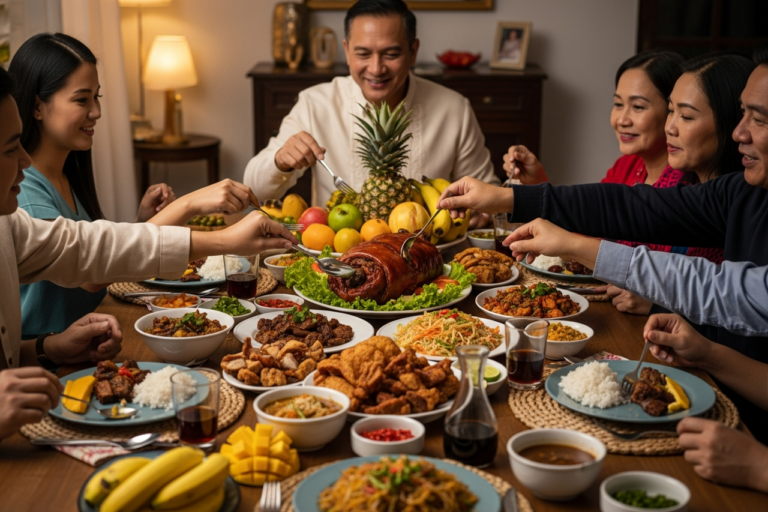
Key Highlights
-
Filipino meal times usually have as many as six or seven meals each day. These meals include main meals and snacks.
-
In the Philippines, family meals are important. The get-together meals let everyone share, talk, and feel close.
-
Filipino food shows three major meals in a day. These are Almusal for breakfast, Tanghalian for lunch, and Hapunan for dinner.
-
Snacks play a big role in the Filipino food day. People call snacks merienda, and they are more than a quick bite. Snacks help fill the time between main meals.
-
Meal times in the Philippines often change on special occasions, like big fiestas or holidays. Families and friends enjoy large meals with a lot of food during these days.
Introduction
Welcome to the world of Filipino food. Here, food is much more than something you need to get by. It is a way for people, family, and tradition to come together and celebrate life. For Filipinos, to eat is to share time with others. Eating in the Philippines is not just eating. It is a big part of life and what brings people closer.
The day in the Philippines starts with food in the early morning. There are more meals and snacks as the day goes by, right up to the late night. These meals help bring together almost everyone. If you want to know more about filipino food or what filipinos do at the table, you should learn about how they set up the day with meals. This will help you really see what their food and ways are like.
Understanding Filipino Meal Culture and Timing
In the Philippine Islands, the way of eating shows how much people care about their community and being generous. It is different from the three set meals in Western countries. In the Philippines, meal times happen more often and can change. You will also see this in other parts of Southeast Asia.
This way of eating helps make sure people do not get hungry. There’s always food to share and a reason to talk with others. If you want to learn more about Filipino cuisine, you need to be open to this way of eating. People in the Philippine Islands love having good company while they have their food. Now, let’s look at how many meals people have and why these meal times are so important to life with others.
How Many Meals Do Filipinos Eat in a Day?
Filipinos like to eat more than the usual three main meals in one day. Many people eat as many as six or even seven meals. It often depends on when the person wakes up and what their day is like. You will see this way of eating in both rural places and urban areas in the country.
The day often starts with two breakfasts. There is a big lunch, then an afternoon snack. There is also a big dinner, and some people even enjoy a midnight snack. Eating this way is very common and has been passed down from old to young, shaping the way of life for most Filipinos.
This is not just for one age group. Both the young ones and older folks join in. When you look at other countries in Southeast Asia, the way of eating in the Philippines is easy to spot. People enjoy many smaller meals, and it’s one of the things people love most about the culture. It also helps them get enough energy for a long day, no matter what part of the country they live in.
The Importance of Meal Times as Social Events
For Filipinos, meal times are special moments. Eating brings family together. It also brings the community close. It is almost seen as a sacred time. People once could not imagine eating alone. This shows how important it is to eat with others.
These times are a chance to share stories, celebrate good times, and make bonds stronger. It does not matter if it is a family meal or a big feast. Sharing food shows kindness and makes people feel connected.
Meal times are a big part of life for Filipinos. Every meal lets people connect and spend time together. Eating with others helps relationships grow and makes good memories for all.
Traditional Filipino Meal Structure
The way meal times work in the Philippines is meant to keep you full all day. The day includes main meals and snacks. You never see the dining table empty for too long. This pattern is a big part of real Filipino food.
Each meal and snack has a name and its own reason. It goes from the first light snack in the morning to the last treat at night. Knowing how this works helps you understand filipino food and how people live in the Philippines. Let’s take a look at the names and places of these meals.
Primary Meals: Names and Roles
Filipinos plan their day around the main meals and snack times, and each one has its own name and reason. The main meals are the most important part of what they eat, but a snack in between also plays a big part in their day.
This way of eating helps people have energy all the time. It also lets people meet and talk with others. The main course for lunch or dinner has a lot of food, but breakfast can be small or big.
Below are the main meals and snack times you will see:
-
Almusal: The first big breakfast in the morning.
-
Tanghalian: Lunch in the middle of the day. For many, this is the most important meal.
-
Merienda: A snack in the afternoon that is like a link between lunch and supper.
-
Hapunan: The supper, or the last big meal in the evening.
-
Panghimagas/Midnight Meal: A snack or sweet treat late at night.
Snack Times and Their Cultural Significance
In Filipino culture, snack time, or merienda, is not just grabbing a quick snack. The people see it as an important part of the day. It gives you a break to relax and talk with others. Many call it “pangtawid gutom.” That means “to bridge hungers.” It helps people get by until they eat their next main meals like lunch or dinner.
This way of eating helps make sure no one will go hungry for too long. Merienda can be a small snack or a big one. It depends on the time and the event. This is a loved tradition. It gives people energy and breaks up their afternoon.
You see all sorts of filipino food during merienda. Some snacks are simple pastries, and some are delicious rice cakes. For special occasions, the snacks look even fancier. People show off the tasty local food and how they can give generously as hosts.
Breakfast in the Philippines (Almusal)
Breakfast, or almusal, in the Philippines is more than just a meal. In many homes, people have two breakfasts. The first one, called painit, is light. It often includes hot chocolate and a rice cake. This is to warm the stomach early in the day.
After a few hours, people eat the second and bigger meal, known as pamahaw. This breakfast has garlic fried rice, known as sinangag, and it comes with flavorful dishes like tapa. This way of eating in the morning shows how rich and filling Filipino cuisine can be. It brings variety and joy to the start of the day.
Typical Breakfast Timing
The first breakfast, called almusal, starts very early. The painit is served at dawn, around 5:00 or 6:00 AM. This meal is light and helps get your stomach ready for the day. No matter if you are in a rural province or urban areas, this way of eating helps you start your morning right.
A few hours later, from 9:00 to 10:00 AM, you eat the heavier second breakfast, known as pamahaw. This one is bigger and gives you energy until lunch comes. If it is your first time trying this two-breakfast system, be ready for a surprise.
This routine is normal in many homes, both in cities and remote places. The breakfast menu for pamahaw usually includes rice and leftover viands from the night before. It gives you a strong and useful start to your day.
Popular Filipino Breakfast Dishes
Filipino breakfast is full of different tastes. You get something sweet, salty, and even savory in one meal. Usually, the day starts with a hot drink like sikwate, which is a hot chocolate, or some coffee. These drinks often go with food made from rice.
Garlic fried rice, called sinangag, is a staple in many homes. People serve it with a protein and a dip that most times has vinegar in it. Fresh fruits, like sweet mango and ripe papaya, often sit on the table too. These bring a cool and sweet touch next to the savory food.
Some well-known breakfast foods that many enjoy for a big morning meal, or pamahaw, are:
-
Tapsilog: Tapa or cured beef, garlic rice, and a fried egg.
-
Longsilog: This one has longganisa, or Filipino sausage, garlic rice, and an egg.
-
Danggit: Crispy, salted dried rabbitfish, eaten with rice.
-
Pandesal: This is a slightly sweet bread roll. Many love it with coffee.
-
Puto Maya: Rice steamed in coconut cream.
Popular foods like fresh fruits, coconut, garlic fried rice, vinegar, and different types of proteins like tapa really show what Filipino breakfast is all about.
Lunch in the Philippines (Tanghalian)
Lunch, called tanghalian, is the biggest meal of the day in the Philippines. People eat it in the middle of the day, usually at noon. It is the point that splits the morning from the afternoon.
This meal can be big and have many dishes, like at family meals on weekends or during special occasions. Even if work keeps people busy, Filipinos will find time for a good lunch. Some have food from home, while others grab a quick meal at a local spot. Now, let’s see when everyone eats and the foods they enjoy.
Typical Lunch Time for Families and Workers
The best time for tanghalian is right at noon, around 12:00 PM. This is still a strong tradition today, especially for family meals at home. It shows the middle of the day. In most workplaces, lunch breaks are also set for this time.
In urban areas, lunch can be quick with people finishing their food in just a few minutes. But it can also be slow and relaxed. No matter where you go, from 12:00 PM to 1:00 PM is the usual lunch hour in the country.
Even with fast and busy lives now, the midday meal has not lost its place. This time is important. You stop, eat, and get fresh energy for the rest of your day. It does not matter if you have family meals at home or you eat with people at work.
Common Dishes Served During Lunch
A traditional Philippine lunch is a treat for the senses. You will often see four or five courses served for a family meal. The main course can be many things, like soups, vegetable dishes, seafood, and meats. All these dishes come with rice.
People season these dishes with soy sauce, fish sauce (patis), and sometimes with strong fish paste. The food can be steamed, stir-fried, or boiled. After the salty and savory main course, people usually end the meal with sweet pastries or fresh fruits.
Here are some dishes you might see on the table at lunch:
-
Adobo: This is chicken or pork cooked slowly in soy sauce, vinegar, garlic, and peppercorns.
-
Sinigang: It is a soup that is sour and savory with meat or seafood and vegetables.
-
Lechon: Roasted pork. Many pick this for parties, but it is also good for lunch.
-
Escabeche: Fried fish that is topped with sweet and sour sauce.
Afternoon Snacks (Merienda)
The afternoon snack, called merienda, is something Filipinos love. It is more than just a small snack. It is often a big one that helps fill the time between lunch and dinner. Merienda is a key part of the day for many.
This afternoon break gives people a moment for good times and good food. It helps everyone feel ready to finish the day. No matter if the snack is sweet or salty, it is always welcome. Now, let’s look at when people enjoy this happy hour and find out what filipinos eat at this snack time.
Regular Merienda Hours
The afternoon merienda happens about two or three hours after lunch. Most people have this snack in the middle of the afternoon, around 3:00 PM or 4:00 PM. This is a good time to break up the long wait between lunch and the evening meal.
Everyone takes part in this, no matter their age group. You will see children eat merienda after school, and adults enjoy it during a work break. In urban areas, food stalls and cafes get busy at this time as people come out for their snack in the afternoon.
The idea of merienda is a big part of the culture. It is a set time in the day to stop, enjoy a snack, and get new energy before being back to your day. This can help you keep going until dinner.
Best-Loved Filipino Merienda Foods
The range of foods people have during merienda is very wide. There are sweet foods and there are also salty ones. You can get big noodle meals or lighter things like pastries. This is a good time to eat comforting foods that help people feel happy.
Many snacks for merienda are made from rice. For example, there is bibingka, which is a rice cake. There is also ginataan, a sweet dish cooked with coconut milk. Some snacks are more simple, like toast or even a small scoop of ice cream if it is a hot day. There are a lot of choices.
Here are some of the best-loved snacks people often enjoy for merienda:
-
Pancit: These are noodles that are stir-fried together with meat and vegetables.
-
Lumpia: Filipino spring rolls. These can be fresh or fried.
-
Turon: Ripe banana and jackfruit rolled up in a spring roll wrapper, then fried with sugar.
-
Halo-Halo: A well-known dessert made with shaved ice, evaporated milk, and a mix of sweet things including coconut and sometimes ice cream.
-
Ensaymada: This is a soft and sweet bread topped with sugar, butter, and cheese.
Dinner in the Philippines (Hapunan)
Dinner, or hapunan, is the main course at the end of the day in a Philippine home. In the past, this supper was served early, around sunset. Now, it is still a special time when all the family gets together after a long day.
Hapunan is usually not as heavy as lunch at noon. But the meal is still good and fills you up. Let’s look at the usual supper hours and the tasty foods you find at the Filipino dinner table.
Standard Dinner Hours in Filipino Households
In Filipino families, dinner usually starts early in the evening. People eat hapunan around 6:00 PM to 7:00 PM. This way of eating an early meal goes back many years, even before colonial times.
This meal time lets the whole family get together before it gets too late. Everyone can talk about their day and enjoy the food. Family meals are very important to them. Even if everyone is busy, they try to have this time together at the table.
Sometimes, dinner happens at 7:30 PM, but it is not as common. Most people sit down to dinner from 6:00 PM to 7:00 PM. This habit helps everyone end the workday in a nice way. It gives the family a peaceful start to their evening at home.
Foods Traditionally Served at Dinner
The dinner menu is usually a bit lighter than lunch. It is still filling and full of flavor. A typical hapunan has two or three dishes. These are always served with a big helping of rice. The main course still lets you pick from many options.
You can get dishes with seafood, meats, and vegetables. They are often made with coconut milk and little cooking oil. The flavors be rich. They make you feel good at night. Sometimes people use leftovers from lunch. These may be warmed up and served again. This way, no food goes to waste.
Common dinner dishes are:
-
Tinola: This is a chicken soup cooked with ginger, green papaya, and green vegetables.
-
Inun-onan: Fish gets boiled in vinegar and spices. It is like paksiw.
-
Bam-i: This noodle dish uses two kinds of noodles with meat and vegetables mixed in.
-
Afritada: This is a stew with tomato sauce, chicken or pork, and vegetables.
-
Utan Bisaya: This is a simple vegetable soup from Visayan regions, with a clear broth.
Late Night Snacks (Panghimagas & Midnight Meals)
The eating in the Philippines doesn’t stop after dinner. There are people who stay up late and have a midnight snack. This is common and can be something sweet, called panghimagas, or it can be a bigger meal at night.
These snacks are often eaten with other people, during movie marathons, or when someone wants a cozy treat before bed. It is normal to have a snack late at night, especially on weekends or special occasions. People get together and enjoy these snacks as a way to connect and have a good time.
When Filipinos Enjoy Late Night Snacks
Late-night snacks or midnight meals are what people like to have long after dinner. People that stay up late, maybe past 10:00 PM, will often get the urge for a snack. This feeling can be strong when you are up with others for movies or other fun times.
These snacks are great during family events or when the night is full of friends and parties. For example, you might have a movie night with cousins and that just makes you want a snack more.
This kind of eating is not like your main family meals. It is easy and not formal at all. You can have this snack alone or with people, but it will help everyone end the day in a nice way and feel good.
Typical Late-Night Treats in the Philippines
Late-night snacks are light and simple. The main idea is to fix a craving without making a big meal. The snack can be sweet, salty, or a mix of both.
You may see people with a bowl of instant noodles, some hot chocolate in a mug, or tasty dried fruits. It’s all about comfort and quick food at night. Sometimes people add a little rum to their drink for a nightcap.
Here are some common late-night treats:
-
Preserved Dried Mangoes: A sweet and chewy snack.
-
Masareal: A sweet snack bar made from ground peanuts and sugar.
-
Instant Noodles: A fast and filling savory snack.
-
Ice Cream: A classic treat you can enjoy at any time during the day or night.
-
Leftover Desserts: Maybe a slice of cake or a pastry saved from earlier.
Special Mealtimes for Gatherings and Celebrations
In the Philippines, people love to celebrate with good food. On special occasions like town fiestas, Christmas, and other holidays, the usual meal times change. There is a lot of food all day, and people eat more than usual.
These big gatherings show Filipino hospitality and their cooking traditions. Some dishes are saved only for these special occasions, like the Christmas Eve dinner called Noche Buena. These foods become the highlight of the celebration. Here is a look at how meal times and table rules change on these festive days.
Adjustments in Meal Times on Holidays and Fiestas
Yes, in the Philippines, meal times change a lot during holidays and special occasions like fiestas. On these days, the usual plan of breakfast, lunch, and dinner mixes into one long celebration of food. People set up buffet tables with many tasty dishes. Guests are asked to eat whenever they want all day.
When there is a town fiesta, houses open their doors to both friends and people from outside. You can find food in these homes from early in the morning until late at night. Meal times are not important anymore. The day becomes more like an open house, and everyone can join the meal.
In the same way, during big holidays like Christmas, families look forward to Noche Buena. It is a special meal served at midnight on Christmas Eve. This dinner replaces the usual hapunan and goes on until late at night. This shows just how important food is in our traditions and the way we celebrate the holidays.
Business and Social Gathering Etiquette
In the Philippines, people often meet for meals when they have business or social gatherings. Business breakfast is not common here, but many people like to have lunch or dinner for business talks. These meal times make it easy for everyone to relax and get to know each other better, but there are some rules you need to follow.
Let your Filipino colleagues start the talk about work. Most of the time, people talk about things other than work first. When your hosts feel ready, they will move from social topics to business. Whoever invites you will be the one to pay for the meal.
Here are a few things you should keep in mind about etiquette at these events:
-
Toasting: If you are the guest of honor, you may be asked to make a toast.
-
Paying the Bill: The host almost always handles the bill. It’s good manners to offer to pay, but the host will not let you.
-
Spouses: People usually do not bring their spouses to meals for business. The only time you might is when you join a social event at someone’s home.
-
Seating: At the table, the person being honored will sit on the right side of the host.
Filipino Mealtime Etiquette and Customs
When you sit at a Filipino dining table, you step into a place filled with warmth and kindness. You should know about the local customs and ways to help you feel comfortable at the table. The Filipino way of eating is about showing respect, sharing with others, and loving the food.
There are table manners people follow during family meals and certain rules to remember when you eat with locals. These habits come from the culture and help you handle any dining situation in the Philippines with ease.
Table Manners Observed During Family Meals
At a Philippine family meal, people try to show respect and share with the group. You should wait for the oldest person at the table to start eating. This is the way to show respect for your elders.
When you take food from plates everyone shares, do not take the last piece. This makes sure others get some if they want it. Use your right hand for eating, even when eating with your hands. People often do not use their left hand because it is seen as not clean.
Here are some common table manners in a Philippine meal:
-
Wait until you are told where to sit.
-
Fill your neighbor’s glass, not your own.
-
Pass food or eat only with your right hand, do not use your left hand.
-
If someone offers you more food, refuse once or twice before saying yes to a small serving.
-
When using a toothpick, cover your mouth with your other hand to be discreet.
Dos and Don’ts When Dining with Locals
Eating with Filipinos is a great way to get to know their culture. There are some things to do and not do at meal times that can help you show respect. One of the most important things to do is say yes when someone offers you food. This shows you enjoy their hospitality. You do not have to keep eating if you are full, but it is good to try the first serving.
One key thing not to do is refill your own drink. At meal times in the Philippines, you pour a drink for the person next to you, and they will do the same for you. This small step is an important tradition at the table. Also, if you eat with your hands, be sure to use your right hand only.
There are some more tips you can follow at meal times or when joining in at social events:
-
Do get there on time, even though the meal may start a bit late. This is called “Filipino time.”
-
Don’t start eating until your host says you can.
-
Do have a small taste of everything, especially if your host tells you to.
-
Don’t take the last piece from a dish that everyone is sharing.
-
Do give a big thank you to your host for the great meal.
Eating Out: Restaurant Meal Times in the Philippines
Eating out is something many people in the Philippines like to do. You can choose to eat at a small place, a fast food spot, or a fancy restaurant in Manila. The meal times in these places are much the same as usual, but they can change a bit to work with the busy city life.
Restaurants are most busy during lunch and dinner. It helps to know when these busy times are. This way, you can plan your next meal, whether you want to try some filipino food or taste something from fast food or another country. People eat out at different times than they do when they eat at home.
Popular Times to Dine Out
When people in Manila and other urban areas eat out, they usually follow the usual times for main meals. Lunch is the busiest hour, as most Filipinos go to restaurants between 12:00 PM and 1:00 PM. This happens in both simple places and places that are a bit nicer.
At night, dinner starts to get busy from 6:00 PM on. On weekends, people in urban areas often eat dinner a bit later because they are not going to work the next day and they want to relax.
You can get food anytime, especially in big cities. But most people still prefer to eat lunch and dinner at the usual times. If you do not want so many people around, you could try to get lunch early or dinner late.
Differences Between Home and Restaurant Meal Routines
While the core mealtime structure remains similar, there are some noticeable differences between dining at home and in a restaurant in the Philippines. At home, meals are often multi-course affairs prepared with love, and the timing can be more flexible, especially on weekends.
In a restaurant, the meal might be more focused on a single main dish, and the experience is often quicker, particularly for lunch on a workday. However, restaurants also offer the chance to explore a wider variety of Filipino food that might be too complex to make at home for a regular meal.
The social aspect of mealtime is amplified when dining out, as it’s often a planned social event with friends or for a special occasion. Here’s a quick comparison:
|
Feature |
Dining at Home |
Dining at a Restaurant |
|---|---|---|
|
Timing |
More flexible, especially for hapunan and weekends. |
Follows peak hours (12-1 PM for lunch, 6 PM onwards for dinner). |
|
Formality |
Casual and relaxed. |
Can range from casual to formal, depending on the establishment. |
|
Food Variety |
Often features family recipes and leftovers. |
Wider access to specialized or complex dishes. |
|
Social Context |
Daily family gathering. |
Often a planned social outing or celebration. |
Conclusion
To sum up, meal times in the Philippines are more than just about when people eat. They show the heart and culture of the country. Eating together means a lot to the people, and the food is always tasty and full of flavor. Every mealtime, from simple breakfast to big dinner parties, helps bring people closer and lets everyone share their stories. Being part of these meals lets you taste new foods and also understand the warm welcome of Filipino culture. If you want to learn more about meal times, you can ask for a free consultation.
Frequently Asked Questions
Do Meal Times Vary by Region or City in the Philippines?
Yes, the way people eat can change in different parts of the Philippines. Meal times and food customs are not always the same everywhere. For example, Cebu is known for having two breakfasts. In some farming places like Nueva Ecija, people may eat earlier. In urban areas like Manila, dinner can be later because of traffic.
How Do Filipino Meal Schedules Adapt to Modern Lifestyles?
In urban areas, people have changed the way of eating to match busy lives. Many still want to have lots of meals, but packed schedules make fast food more common. Even so, Filipinos love to eat together, and the old way of eating with many meals is still important to them.