Key Highlights
-
Swedish meal times usually start with an early breakfast. Lunch comes around noon. Dinner is often between 5 p.m. and 7 p.m.
-
For many in Sweden, lunch is the main meal of the day. It is a big, warm meal called dagens rätt.
-
Swedish dinners are often eaten early. This fits with work plans and helps people spend time with family.
-
The day has something special in Swedish food culture. It’s called fika. This is time set aside for coffee and cake, and it happens once or twice a day.
-
Traditional Swedish cuisine is common, but swedish dinners now often have international dishes the like pasta or tacos.
-
Fika is not just a snack. It is a way for people to get to know each other. Friends, family, and co-workers use it to connect.
Introduction
Have you ever thought about how people in some places set up their day around the meals they eat? In Sweden, the day is built in a special way when it comes to eating. This is a big part of Swedish culture. It’s not only about what is on the table but also when people sit down to eat. Swedish meal times start with an early breakfast and then a dinner that comes sooner in the day than many people might expect. These meal times in Sweden fit around work, family, and a unique tradition you may not see in other places. Let’s see how the day in Sweden moves forward, focusing on every meal, one by one.
Understanding the Swedish Meal Schedule
The typical Swedish meal schedule has a clear pattern. Most people in Sweden start the day with breakfast early in the morning. Lunch comes next and is the main meal of the day for many. Later, people eat dinner early in the evening. This way of life is a big part of Swedish culture. The plan for the day helps to keep work time and family time apart. After work, families want to relax and be together.
The meal times are not random. They fit into how people want to use their time best. If you look at the meal times, you get a good sense of how Swedish life works. In the next steps, we will check out the times for each meal and what food is there in a typical day in Sweden.
Typical Times for Breakfast, Lunch, and Dinner
In Sweden, the day starts with breakfast, typically eaten between 6:30 a.m. and 8:00 a.m. This meal fuels the start of a productive day. Lunchtime follows a fairly strict schedule, usually taking place between 11:00 a.m. and 1:00 p.m. Many restaurants offer a dagens rätt (dish of the day) during this window, making it a popular time for the main meal.
Dinner time in Sweden is notably early compared to many other countries. Most families will sit down for their evening meal between 5:00 p.m. and 7:00 p.m. on a weekday. This allows for a relaxed evening and quality time together. When dining out at Swedish restaurants, the peak times reflect this, with reservations often being made for a 6 p.m. or 7 p.m. start.
Here is a simple breakdown of typical meal times:
|
Meal |
Typical Time |
|---|---|
|
Breakfast |
6:30 AM – 8:00 AM |
|
Lunch |
11:00 AM – 1:00 PM |
|
Dinner |
5:00 PM – 7:00 PM |
Common Foods Served at Each Meal
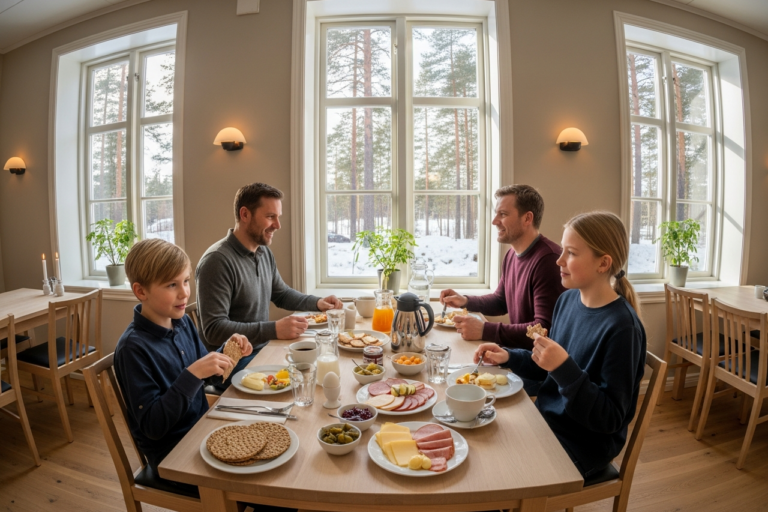
A typical Swedish breakfast is simple and helps fill you up for the day. You will often see open-faced sandwiches with cheese or ham, a bowl of muesli or yoghurt, and sometimes boiled eggs. It gives you a good start but does not feel too heavy.
Lunch is usually the main meal for many people in Sweden. The dagens rätt is the dish of the day. It can be fish dishes, pasta dishes, or traditional dishes like Swedish meatballs. Many people also like to eat salad or pasta at this time. When it comes to dinner, Swedes love their traditional dishes. But people also like new meals from other places. It is normal to eat tacos on Fridays or make pasta dishes during the week.
Here are some staples you may find in Swedish food culture:
-
Swedish Meatballs: These come with gravy, potatoes, and lingonberries.
-
Pickled Herring: This is a regular part of Swedish meals, mostly during special times.
-
Korv Stroganoff: This is a sausage stroganoff that comes with rice.
-
Pancakes: Swedish pancakes are thin and are often served with cream and jam for lunch or a light dinner.
Cultural Influences on Swedish Mealtimes
The way people eat in Sweden is very tied to the country’s past and what they value. People in Sweden often have dinner early. This is not just a new thing. It comes from a long way of life that puts family and time for yourself first after work. This way of eating is a big part of the Swedish work-life balance.
Old habits and the social meaning of meals have made these daily eating customs what they are today. It goes back to the time when many worked on farms and goes up to how people work in offices now. In Sweden, the time you eat is just as important as what you eat. Now, we can look deeper at the history and social side of the Swedish dining experience, and see how it became such an important part of the way of life in Sweden.
Historical Traditions Shaping Modern Eating Habits
Sweden still follows many old ways when it comes to eating. Long ago, people in Sweden would work on farms. They needed to eat the main meal of the day during lunchtime so they had the energy to work hard in the afternoon. Even now, many people have a big cooked meal for lunch. There are lots of traditional dishes in Swedish cuisine. Some of these are strong stews, fish dishes, and Swedish meatballs. These meals were made to give people what they need and keep them full.
Swedish food culture was shaped by how people kept food fresh for a long time. Winters in Sweden are long, and food did not last without help. So, many foods, like herring and lingonberries that you eat with meat, were pickled or cured. Over time, these foods and tastes have become a big part of what people know as Swedish cuisine now.
There are special days in Sweden, such as Midsummer and Christmas. On these holidays, meal times and what people eat change a bit. The meals during these days are more fancy and may have many courses. The food might be served for hours so people have lots of time to sit together. These meals and the foods people eat for them are there to help families and friends come together and enjoy the season, as part of Swedish food culture.
Family and Social Aspects of Dining
In Swedish culture, meal times are a big part of family and social life. Dinner time comes early in the evening and it is very important. The whole family gets to come together then, after school and after work. A recent poll shows that 9 out of 10 Swedes eat dinner with their family on most evenings. This shows how the meal helps people connect with each other.
Having dinner together is still important for the Swedes, but some people feel like they do not do it as much now as they did in the past. This happens because life is fast and busy, but the idea of a shared family meal is still strong. People use this time to catch up about the day and be with each other.
People in Sweden also invite friends over for dinner time, but maybe not as much and not as quickly as in some other places. Many people have their own experiences from growing up, where they would know to go home when their friend’s family was about to eat. Still, planned dinners with friends are common, and these meals give people a way to get closer and enjoy being together.
Early Dinners: The Swedish Approach
Eating dinner between 5 p.m. and 7 p.m. in Sweden is the norm. For many people, this can feel too early, but this is common for Swedish meal times. Having an evening meal at this hour is an important part of their way of life. A recent poll shows that most people in Sweden follow this dinner time, which matches the end of the workday.
There is a reason behind this choice for the evening meal. It is not by luck, but a part of what makes Swedish life balanced and healthy. There are a few practical and cultural reasons for setting meal times like this. Let’s look at why people in Sweden choose to have dinner earlier and how dinner time changes during the work week compared to the weekends.
Reasons Behind Sweden’s Earlier Dinner Routine
The reason why Swedish dinners happen early comes from a way of life shaped by work and family schedules. Most people finish work between 4 p.m. and 6 p.m., so having dinner early means they can eat right after getting home. You see this a lot in other Nordic countries, too.
This kind of timetable opens up the evening for other things. People can use the rest of the day for hobbies, working out, or just relaxing. If there are kids at home, having dinner early makes it easier to keep up bedtime routines. Most Swedish families have their evening meal together during the week.
Another reason this works is because, in Sweden, lunch is seen as the main meal of the day. This means dinner, or the evening meal, is usually lighter and not very formal. The main points behind their dinner time are:
-
It matches usual work hours.
-
It gives more space to spend family time at night.
-
It makes the evening feel longer so you can unwind.
-
The day’s main meal in the Nordic countries is often lunch, not dinner, and this shapes the evening meal.
This routine keeps Swedish dinners low-key and helps every day go more smoothly.
Differences Between Weekday and Weekend Meal Times
While Swedish meal times are set during the week, the weekends are much more easygoing. Breakfast is eaten later. It often turns into a long brunch. People do not stick to a strict lunchtime. They eat when they feel hungry. The clock is not the main guide.
The biggest change is at dinner. Weekend dinners are late and sometimes more special. This is the time to bring friends over, go out to eat, or have a longer meal at a restaurant. Meals change, too. Fun foods like tacos for “Taco Friday” or pizza are common. They work well for sharing.
This split between weekday and weekend is central in Swedish food culture. It shows the balance between the workweek and free time. People can slow down and enjoy the day at their own pace.
Fika – The Unique Swedish Snack Break
No talk about how people in Sweden eat is finished without talking about fika. It is more than a coffee break. Fika is a loved part of life in Sweden. It means taking some time to slow down and have a cup of coffee. You will almost always have a piece of cake, a pastry, or cookies in this moment.
This habit is part of every day. Many people in Sweden have fika breaks at work or at home. It lets people pause during the day and relax. They get a chance to connect with others, feel better, and enjoy the time. Now, let’s look at how fika is done and how important it is for Swedish people.
Fika Traditions: Popular Treats and Typical Timing
Fika can take place at any time, but in Sweden, people usually have it at two times. Many stop for fika in the mid-morning at 10 a.m., or in the mid-afternoon at 3 p.m. These breaks are the best way to fill the space between meals. They help people get more energy for their day. The cup of coffee served is always strong and fresh, and it is a big part of swedish cuisine.
Still, the main focus during fika is the treat you eat with your coffee. There are many choices, from simple cookies to more fancy pastries. Every local pastry shop, or konditori, in Sweden will have a wide range for you to pick from. The whole idea is to enjoy something sweet and rich in taste.
Popular fika treats include:
-
Kanelbullar: These are classic cinnamon buns.
-
Prinsesstårta: This is a sponge cake that is full of pastry cream and covered with green marzipan.
-
Chokladbollar: These are no-bake chocolate oat balls.
-
Kladdkaka: A sticky and rich chocolate cake.
Role of Fika in Daily Life and Social Gatherings
Fika is a big part of the Swedish way of life. It is not just a snack. In many Swedish workplaces, there are set fika breaks. People step away from their desks at this time. They chat, laugh, and get to know each other better. These fika breaks help people work together and feel happy at work.
At home, fika brings family and friends closer. When you ask someone to join you for fika, it shows you care. It is easy and relaxed, just having coffee and maybe a sweet treat. There is no stress like a big dinner. Many Swedish social gatherings, even small celebrations, often start with fika.
Fika is a daily thing and reminds people to slow down. It helps everyone be there for each other, even in a busy world. With fika, people take a short break to relax and talk. This way of life is simple, but it helps a lot with happiness and staying connected. Fika is at the heart of Swedish food culture.
Conclusion
To sum up, getting to know the Swedish meal schedule helps you understand the country’s special food culture. The usual times people in Sweden eat, and the loved tradition of fika, both show how much they care about food during family time and when meeting friends. You see this in the way they have a slow breakfast, a quick lunch, and an early dinner. All these habits show how it is not just about food, but also about being with others. If you want to try the Swedish way, think about adding some of these mealtime habits to your day. Enjoy your food and fika!
Frequently Asked Questions
Do meal times in Sweden change based on season or daylight hours?
Meal times in Sweden can move a bit depending on the season. In summer, when the days are long and bright, people in Sweden might have dinner later. They like to enjoy the daylight hours. When it is winter and gets dark early, they often eat dinner sooner. The early meal makes the home a warm and nice place for the day.
How do Swedish meal times compare to other European countries?
Swedish meal times often happen earlier than in Southern Europe. They are a lot like meal times in other nordic countries, Germany, and the UK. People in Sweden are used to having dinner early, usually at 6 p.m. This is different from places in the Mediterranean, where people have dinner much later.
Are there any special occasions that affect meal scheduling in Sweden?
Yes, special days and Swedish holidays like Midsummer, Christmas, and Easter do change the usual meal times. People often have big meals on these days that last most of the day. There may be a buffet-style meal, called a smörgåsbord, that becomes the main focus of the day. Family and friends come together to eat and spend time with each other for hours. On these holidays, the meal times are all about the food, company, and celebrating the day.