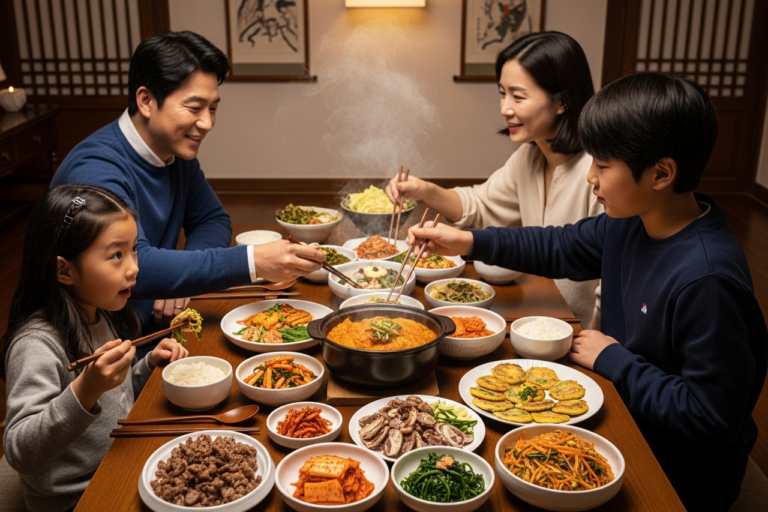
Key Highlights
Here are the key facts about meal times in South Korea:
-
Breakfast in Korea is often big, with a bowl of rice, a main dish, and side dishes like kimchi.
-
Lunch is usually eaten between 12:00 PM and 1:00 PM. It is a fast meal, but it fills you up for the day ahead.
-
Dinner comes after 6:00 PM and is more of a group event in daily life. People like to eat with friends or coworkers and may drink soju.
-
Korean food has a lot of variety. There are many side dishes, called banchan, served with the main dish.
-
Meal times can change depending on whether you are in the city or a quiet town.
-
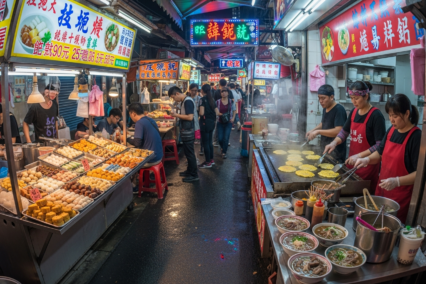
Late-night snacks are common. Many street food stalls stay open late.
These points show what a normal day looks like with meals in South Korea. You see bowls of rice, tasty korean food, banchan, snacks, and soju come into daily life in Korea.
Introduction
Are you thinking about going to South Korea? Learning about Korean food and when people eat is a good way to get into the daily life there. The mealtime in Korea may not be the same as what you know. If you find out the local times for breakfast, lunch, and dinner, it will make your trip better. You will fit in more with the people, and you can enjoy Korean food even more. This will help you get into the daily life in south korea, and make your time in this country good.
Overview of Meal Times in South Korea
In Korea, the meal of the day means a lot in daily life. People build their routine around three main meals. The time for each meal and the food served is not the same as what some may expect. Every meal of the day has its own role and pace.
Breakfast gives the first boost of the day. Lunch is usually fast and friendly for those who are busy. Dinner is a moment to relax and talk with others. If you understand these meal times, you can plan where to eat and make your trip better. Take a closer look at how tradition and modern trends shape these meals in Korea.
Traditional Structure of the Korean Daily Meals
The way people eat in Korea focuses on both balance and having many choices. There is always a bowl of rice on the table. That is the base of every meal. The main dish can be a soup, stew, or even something grilled.
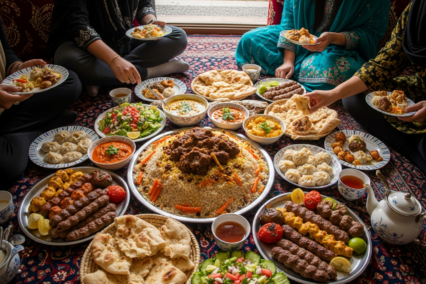
One thing that makes a meal in Korea special is the many side dishes called banchan. These side dishes are small, and everyone at the table shares them. Banchan brings different tastes and textures to the meal of the day, like spicy kimchi or fresh seasoned vegetables. Even the most simple meal will still have some banchan.
You can see this style of eating at breakfast, lunch, and dinner, but the food may change. People in Korea love a meal that gives them all they need, with a bowl of rice and plenty of side dishes. This is a big part of daily life and shows how much they care about food.
How Modern Lifestyles Influence Eating Schedules
Modern daily life, especially in busy places like Seoul, changes the way people eat. Work and school take up a lot of time. These things decide when people eat and what food they have. The old, slow meals at home are now made to fit busy days.
Many people use lunch as a short break at work or school. Most eat at cafeterias or places close by. These places give quick meals that are still full and good. People get their own plate or a set menu. They eat fast and then go back to what they are doing.
Meal times are not fixed in these fast-moving days. While the main ideas of Korean dining stay the same, the way people use them is now different. People find ways to enjoy their meals, even when they are pressed for time.
Breakfast in South Korea
A traditional Korean breakfast is not like the light meals you see in many Western countries. It is a full cooked meal and is usually eaten from 7:00 AM to 9:00 AM. People in Korea say that a big breakfast gives them the right energy to get their day going.
In the morning, you may find a bowl of rice, some soup, and side dishes like kimchi served on the table. Some now pick faster foods like toast or cereal, but the hearty morning meal is still an important part of the food life in Korea. Now, let’s look at what is often served.
Common Foods Served During Korean Breakfast
A traditional Korean breakfast may be different from what you expect. It is like lunch or dinner. The meal is meant to be balanced and give you energy. The bowl of rice is usually there, and it gives you the carbs you need.
With the bowl of rice, you will get a variety of side dishes. Kimchi is always there. Other side dishes can be seasoned vegetables or a main dish. The main dish may be a light soup, grilled fish, or an egg dish. Some common breakfast choices are:
-
Gyeran-mari (rolled omelet)
-
A fried egg
-
Kimchi jjigae (kimchi stew)
-
Rice soup
These meals are loved in homes. But now, many people are busy and go for faster food, like toast or cereal. Still, the tradition of a hearty morning meal is a special part of Korean food and the variety of side dishes you see in this food culture.
When and Where Koreans Typically Eat Breakfast
Koreans usually eat breakfast between 7:00 AM and 9:00 AM. For many families, making a big breakfast is still an important part of the morning. It helps children and working adults start their daily life with a full stomach. Most people eat this meal at home before they go out.
In Korea, daily life moves fast now. Where people have their meal of the day, breakfast, can be different. Students and office workers often eat in cafeterias at school or work. Cafeterias serve traditional Korean breakfast sets. This way, people get a warm meal without needing to cook.
In every part of the country, people still care about eating breakfast. Some with busy daily life might grab something to eat quickly on the go. Even if where or how the meal is eaten changes, the importance of the first meal of the day stays the same in Korea.
Lunchtime Practices in South Korea
Lunch in south korea is often quick. It takes place between 12:00 PM and 1:00 PM. People there need to eat and go back to work fast, so lunchtime is made to give energy without needing a long break.
But even though lunch is fast, it is hot and fills you up. Most people have a main dish, a bowl of rice, and some side dishes. Kimchi is almost always served. This lunch break matters and is part of the daily routine. Now, let’s talk about which dishes are liked the most and where people go to eat in korea.
Popular Lunch Dishes and Meal Sets
During lunch time, a lot of Koreans want meals that taste good and are ready fast. Most restaurants give set menus so you can order and eat without waiting long. A usual lunch for Koreans has a main dish with rice and some side dishes, which people call banchan.
These meals are made to be good for you and also help fill you up. You will always see kimchi on your table and some other side dishes too. They help add even more flavor to your main dish. Some top picks for lunch are:
-
Bibimbap (rice with vegetables and meat)
-
Bulgogi (grilled beef that has been marinated)
-
Kimchi Jjigae (a full kimchi stew)
-
Doenjang Jjigae (stew made with soybean paste)
These main dish items are very common for lunch. This is because they are fast to make and still taste great. They also keep all their healthy parts. You get enough energy from these meals to go back to work and finish your day. The side dishes, main dish, and kimchi really make eating lunch quick and enjoyable for Koreans.
Restaurants, Cafeterias, and the Lunch Hour Rush
The lunch hour in south korea, from 12:00 PM to 1:00 PM, is very busy. This is true in big cities like seoul. At this time, many office workers and students leave their buildings. They go to places nearby to eat lunch.
Most workplaces and schools in korea have cafeterias. These are popular because they are easy to get to and not expensive. Cafeterias are made to serve a lot of people in a short time. The menu often changes every day, and everyone gets their own plate. This helps things move fast.
Restaurants in busy areas also get ready for the lunch rush. They make special menus and serve food quickly. This busy time is just part of the daily life in south korea. If you want to skip the crowd, you can eat before or after the main lunch hour.
Dinner Time Routines and Traditions
Dinner in Korea, called jeonyeok, is usually eaten after 6:00 PM. It is different from lunch because people take their time at dinner. Families often gather for this meal of the day. Friends come together, and coworkers relax after work.
The evening meal is the biggest meal of the day for many. It can go on for hours, mostly when there are social events. It will have a main dish, rice, and side dishes like kimchi. Now, let’s look at the usual dinner time and customs in Korea.
Usual Timing for Evening Meals in South Korea
The evening meal in South Korea generally starts after 6:00 PM. This timing is heavily influenced by the typical 9-to-6 workday. After finishing work and commuting home, people settle in for dinner, which is often the main social meal of the day.
In large cities like Seoul, dinner can happen even later, as people might meet up with colleagues or friends directly after work. In contrast, in a more rural part of the country, dinner times might be slightly earlier, aligning with a different pace of daily life.
While there’s flexibility, the period from 6:30 PM to 8:30 PM is the peak time for dinner. This schedule allows for a relaxed meal, whether it’s a quiet family dinner or a lively gathering.
|
Meal Time |
Typical Schedule in Korea |
Notes |
|---|---|---|
|
Dinner |
6:00 PM onwards |
Main social event of the day |
|
Lunch |
12:00 PM – 1:00 PM |
Quick, hot meal during the workday |
|
Breakfast |
7:00 AM – 9:00 AM |
Often a hearty, full meal |
Typical Dinner Foods and Social Customs
Dinner is a great time to enjoy some of Korea’s well-known foods. Meals such as samgyeopsal, which is grilled pork belly, and Korean fried chicken are top picks for groups. These meals are fun and shared, since they be cooked right at the table. You also get a variety of side dishes, like kimchi, next to the main dish.
Socializing is a big part of dinner. When you eat with friends or coworkers, people like to drink alcoholic drinks like soju. Drinking together helps build friendship and makes connections stronger. Many times, these dinners lead to a “second round” (icha), where the group heads out for more snacks or drinks at another spot.
For families in Korea, dinner is special. It gives everyone a chance to gather, talk about their day, and be with each other over a shared meal. This shows how good food can help bring people together and keep relationships strong.
The Role of Snacks and Late-Night Meals
In Korea, people keep eating after dinner. Snacks and late-night meals are a big part of daily life and have to do with how people live there. The nightlife in Korea is very lively. You will get food at almost any time. You can go to street stalls or relaxed spots to eat.
The snack culture, called bunsik, is important. This means people like to eat all kinds of simple and tasty snacks. It does not matter if it is a small bite or a big meal with friends late at night. Snacking is a big thing in the food world in Korea. Let’s look at some popular snacks and see why many people like it there.
Bunsik, Street Food, and After-Dinner Snacks
Bunsik means cheap Korean food that you find at street stalls and simple restaurants. These snacks are loved by many people. They are great when you want to eat something quick or need a treat after dinner. There are many to choose from, so you will find one you like.
Street food helpers are in busy spots and have tasty things that can be sweet or salty. These foods are not just for guests; folks living there have them often as part of the day. Here are some of the most well-known bunsik and korean food snacks:
-
Tteokbokki (spicy rice cakes)
-
Gimbap (seaweed rice rolls)
-
Odeng (fish cake skewers)
-
Hotteok (sweet pancakes)
These snacks are easy to get and taste great. They let you try more, bringing you closer to new and good Korean food. They help fill the time between meals or can be the main dish if you feel hungry late at night.
Why Late-Night Eating is Popular in Korean Culture
In Korea, late-night eating is a big part of the daily life, and this comes from people working long hours and the social culture. After working late at the office, many people like to get together with their friends or workmates to relax, talk, and have some food and drinks. You will see that for a lot of people, these nightly meetings are just a normal thing.
People often share snacks and drinks like soju during these late-night times. It lets them build friendships outside of work. The idea of “icha” and “samcha” means that groups often go out for a second or even third stop in the same night. At each stop, they try different food or drinks.
Because there are so many people enjoying this fun nightlife, many restaurants and street food places stay open until late. For people in Korea, eating snacks late at night is not just for filling up when hungry. It is a valued social time that helps make bonds and grow friendships with others.
Unique Customs and Etiquette During Mealtimes
When you eat in Korea, you will see that meal times follow special customs. People in Korea do this to show care and respect for others. If you know and follow these rules, you will avoid problems and show that you like the local culture.
You should wait for the elders to start eating before you begin. The way you handle dishes and share food is also important in Korea. If you eat with family or work friends, these habits matter a lot. Learning about these key parts of Korean dining etiquette will help you fit in and enjoy your time in Korea.
Table Manners and Family Traditions
Respect for elders is the heart of Korean table manners. The top rule at the table is to wait for the oldest person to pick up their utensils and begin eating. You should not start your meal before they do. This shows respect and is a common custom in Korea.
When there are shared side dishes, you need to take small amounts and put them on your own plate before you eat. It is not okay to eat straight from the main dishes in the center. This helps keep things clean and lets everyone enjoy the food.
These family ways are taught from parent to child and kept strong through the years. Following these steps in Korea is part of caring about the culture and showing respect to the people you eat with.
Dos and Don’ts for Foreigners Dining in South Korea
For people who are not from Korea, eating with locals may feel hard at first. But there are some simple rules that can help you. If you follow these, the hosts will be glad, and you will feel less stressed during the meal.
One big rule has to do with chopsticks. Do not leave them upright in your bowl of rice. This is a sign used for the dead and is seen as rude. Try to eat at the same speed as everyone at the table. Don’t go too fast or too slow.
Here are some easy dos and don’ts to keep in mind:
-
DO wait until older people start eating before you eat.
-
DON’T pick up your bowl of rice from the table to eat.
-
DO take drinks that other people pour for you with both hands.
-
DON’T blow your nose while at the table.
You do not need to be great at the language. If you try to follow these rules for eating, people will see that you care about their ways.
How Work and School Affect Mealtime Schedules
Work and school hours play a big role in daily life in Korea. Most people go to work from 9 in the morning to 6 at night. Students have a schedule close to this, too. Because of this, meals are set up around these hours. There is a fixed one-hour lunch break, and this is true for both students and workers.
With this plan, everyone has time to eat without messing up their work or school duties. It also makes rush hour easy to notice at restaurants and in cafeterias. People find ways to handle these schedules, and things change a bit on the weekends.
Adapting to Varying Work and Study Schedules
In Seoul, the city moves fast. Not everyone works from nine to six. People have different work or study hours, so they change their meal times to fit their schedule. This kind of flexible daily life makes things easier for everyone.
Many restaurants and stores stay open all day and night. You can grab hot meals or snacks, no matter what time it is. This helps people who work late or study after dark, so they can eat when they want.
The way food is offered in Seoul changes to match what people need. Even though normal meal times are still important, there are many choices for people who don’t follow a usual routine. This means anyone can get food when they need it, no matter how busy their day or night gets.
Impact of Weekends and Holidays on Meal Times
On weekends and holidays, meal times in Korea are not as strict as during the workweek. People take their time when eating. The schedule is much more open. Breakfast can be later in the day. Meals are often a bit nicer and more social.
Weekends are a good time to eat out with family and friends. People may go for a long brunch or a big dinner with friends. Meal times are not rushed. It’s about enjoying the food and spending time with others.
Holidays like Chuseok (Korean Thanksgiving) and Seollal (Lunar New Year) show how important food and family are in daily life in Korea. Families get together to cook and share big, traditional meals. These times help bring everyone closer and make the celebrations special.
Comparing Korean Meal Times to Those in the United States
For an American, meal times in Korea can feel new and different. Both in the United States and Korea, people eat three meals a day. But there are many changes in what is on the table, when people eat, and how much the meal matters to people. In the United States, people often have a small breakfast. In Korea, breakfast is big and filling.
Learning about these daily life and meal time changes in Korea can help you blend in better when you visit. It’s not just what you eat. It’s also about when you eat, and how people share their food. Let’s look at how daily eating routines are not the same for these two countries, and share some good tips for anyone from the United States to use in Korea.
Main Differences in Daily Eating Routines
The daily eating habits in Korea and the United States show how the two cultures look at food in different ways. One big difference is breakfast. People in the U.S. often have a fast, light breakfast, but in Korea, a breakfast is a big meal and can feel like lunch or dinner.
Lunch in the U.S. might just be a sandwich. In Korea, lunch is usually hot and eaten while sitting down, even if it’s quick. Dinner is the main time for people to eat together in both places. In Korea, dinner starts later. It can last a long time with lots of rounds of food and drinks.
Here are some main differences:
-
Breakfast: In Korea, it’s filling and tasty. In the U.S., it’s light and sometimes sweet.
-
Lunch: Lunch in Korea is hot and served quickly. Lunch in the U.S. can be a cold sandwich or salad.
-
Social Aspect: Dinner in Korea is a big event, often lasting much longer than it does in the U.S.
-
Side Dishes: There are many side dishes, called banchan, at meal times in Korea. Sharing these is special to Korea.
Side dishes and banchan stand out at Korean meals. People see them as a key part of eating in Korea.
Adjusting to Korean Meal Times as an American Visitor
For American visitors in Korea, changing meal times can be a good way to enjoy the culture. The biggest shift is the time zone, and the jet lag that comes with it. Eating at local meal times helps your body get used to this faster.
Try to follow the local routine. Start your day with a bigger breakfast so you have energy for all you see and do. Join people for lunch at a busy spot, and get a tasty set meal fast. At dinner, take your time and enjoy being with others. If you are open and willing to try these new times, your trip will be better.
Don’t worry about eating at new hours or trying things you haven’t before. Being flexible makes your visit to Korea much more fun. You will get to know the culture, and many people will welcome you and show you their ways.
Conclusion
In short, knowing meal times in south korea helps you see more of korea’s great food and ways of life. Each meal, from early morning breakfast to busy lunchtime and evening dinners spent with family or friends, means more than eating. It shows the strong care for family and tradition in south korea. As you move through the day and try the different meal plans shaped by modern life and old rules, you will find many flavors and things to enjoy. Taking part in these eating habits can help you like korean food and culture even more. It will make your trip a special memory. If you plan to go, dive into these local meal times for a better feel of south korea and korea.
Frequently Asked Questions
Is it common for Koreans to skip meals like breakfast?
Many younger people in Korea have busy lives and may eat fast food or skip breakfast. Still, this is not how things usually are there. Koreans think the first meal of the day is important because it gives you energy to get through the day. A lot of people in Korea still make time in their daily life to sit down and have a good breakfast.
Are family meals important in Korean culture?
Yes, in Korea, family meals are very important in daily life. This is a big part of family traditions. People enjoy sharing a meal, especially the main dish and side dishes at dinner. This is the time they come together, talk about the day, and get closer as a family.
Do restaurant hours always reflect typical meal times?
Most places to eat in Korea have more people during meal times. Lunch is busy from 12 to 1 PM. Dinner gets busy after 6 PM. Some restaurants close for a while between lunch and dinner. But many near busy spots in the city or tourist places stay open all day for anyone who wants food at a different time.