Key Highlights
-
In Saudi Arabia, the way people eat shows both new ways of living and old traditions.
-
For most people, lunch is the main meal of the day. It is usually eaten in the early afternoon. Dinner often happens later at night.
-
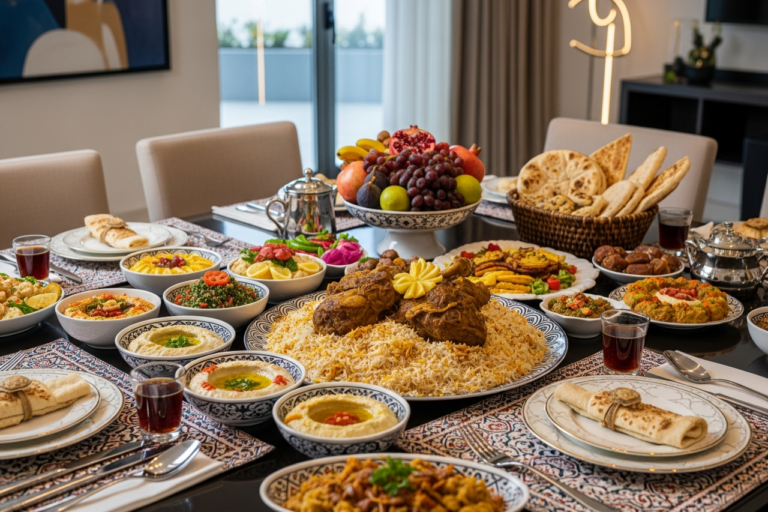
Saudi cuisine has a lot of rich flavors. One famous dish is Kabsa. Many people in Saudi Arabia call it the national dish.
-
Eating habits in Saudi culture are very important, especially when you eat with other people. There are clear rules and customs people follow.
-
During Ramadan, meals change a lot. Religious rules affect when and how everyone in Saudi Arabia eats during this time.
-
Knowing about meal times and eating habits in Saudi Arabia helps people see the way of life in the country. It shows how the people live and connect with each other.
Introduction
Welcome to a look at the flavors and eating times in Saudi Arabia! In saudi society, when and what people eat is a great way to learn about the culture. In saudi arabia, meals are not just about food. They are special times when people can meet and spend time together. The time for breakfast, lunch, and dinner says a lot about the day and how people live in arabia. This guide will show you the usual meal times and the food habits you will find there.
Typical Meal Times in Saudi Arabia
In the Kingdom of Saudi Arabia, people have main meals according to a pattern. This pattern helps them with work, seeing people, and holding on to old traditions. Breakfast is often light and happens early when the day starts. Lunch is the biggest meal for most people. They usually eat it in the early or middle afternoon.
In the evening in Saudi Arabia, dinner happens much later than you may see in other parts of the world, like in many Western countries. People in the kingdom of Saudi Arabia have dinner late, after they finish work for the day. This gives them time to sit and talk with friends or family in the evening. Now, let’s look at when people usually eat and how meal times can be different in other parts of Arabia and Saudi Arabia.
Breakfast, Lunch, and Dinner Hours
The daily meal schedule in Saudi Arabia is an essential part of its culture. Breakfast is generally a light meal to start the day, while lunch is the main event. Dinner is a more social, often lighter meal enjoyed late in the evening.
This rhythm accommodates the climate and the structure of the workday. People often eat dinner as late as 9 PM or 10 PM, making it a time for family and friends to gather after their obligations are met. The main meals are a cornerstone of daily life.
Here is a general guide to meal times:
|
Meal |
Typical Time |
|---|---|
|
Breakfast |
7:00 AM – 9:00 AM |
|
Lunch |
1:00 PM – 3:00 PM |
|
Dinner |
8:00 PM – 10:00 PM |
Differences Between Urban and Rural Meal Schedules
Meal times can be different in busy cities and small towns in Saudi Arabia. In places like Riyadh and Jeddah, many people follow the quick pace of city life. They have set work hours, travel to jobs, and that shapes their eating habits. Lunch is often fast, while dinner happens later because of work or social events.
In the countryside, it can be different. There, people keep old customs and follow life led by farm work or local jobs. Meals are usually earlier. People in these areas eat around natural day cycles and what their families have done for years.
Everywhere in Saudi Arabia, people still eat breakfast, lunch, and dinner. But the exact time for each meal is flexible in rural places. The gap between city and countryside eating shows how lifestyle can change everyday food times. Eating habits in saudi arabia, and between places like jeddah or riyadh, can tell us a lot about life in the country, the food, and local routines.
Foods Traditionally Served at Each Meal
The Saudi cuisine brings you a wide range of food items that you can eat for every meal. The day might start with a light breakfast, and then move to a large and hearty lunch. Many of the popular dishes show the rich history of saudi food. Each meal in saudi comes with certain staple dishes that many people enjoy.
There are many different flavors and textures in this cuisine. Rice, chicken, and spices be a big part of the meals. Let’s look at some of the traditional food items you will find at a saudi table during the day.
Common Breakfast Dishes
In Arabia, people usually start the day with a light breakfast. Even though it is not a big meal, it is an important one. Most people do not skip it because they need this first boost of energy for the day. The meal has some staple dishes. These are easy and quick to make, but they can fill you up and taste good.
You will see a lot of fresh things on the table. Many of these have a lot of flavor. People often drink coffee, tea with mint, or some fresh juice to go with the food. It is common to smell spices like cinnamon and cardamom. These often mix into the air around the table.
Some common breakfast items are:
-
Flatbread
-
Cheeses
-
Fruits and dates
-
Jam
-
Jareesh (crushed wheat with ghee)
-
Coffee or tea
Popular Lunch and Dinner Options
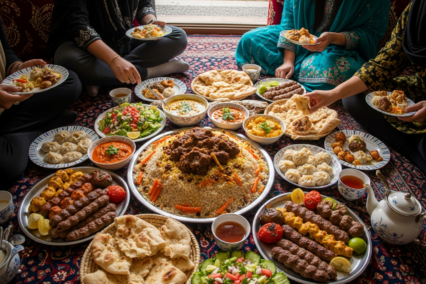
Lunch is the main meal of the day in Saudi culture, and it is also the heaviest meal. At lunch, there are the most special dishes. This is the time when you get to see how rich Saudi cuisine can be. The main dish is often rice and chicken made with a mix of spices.
Dinner is lighter than lunch. It can have soups, salads, or smaller meat dishes. After dinner, people like to have dessert. A well-known sweet is Umm Ali, which is a tasty pastry. Saudi Kabsa is the national dish and is very popular at lunch, but people can eat it for dinner, too.
Popular lunch and dinner dishes in Saudi cuisine are:
-
Kabsa (rice with spiced chicken)
-
Machboos (another spiced chicken and rice dish)
-
Shawarma
-
Soups and stews
-
Mandi (rice and meat dish)
-
Mutabbaq (pastries)
Meal Customs and Etiquette in Saudi Arabia
Dining in Saudi Arabia comes with its own set of rules and practices. These come from its long history and strong culture. The main meal of the day brings people together and shows kindness. When you know some basic etiquette, you will have a better time and also show that you respect your hosts.
How you use your hands and what you say before or after you eat are all part of these traditions. They are key parts of the eating experience. In the next parts, we will look at how families in Saudi Arabia dine together and how religion affects eating habits in this country.
Family Dining Traditions and Social Interactions
In Saudi society, people like to eat together. Family members will almost always have the main meal of the day as a group. This is a special time for everyone to connect and share with each other. When you visit, you will get a lot of kindness, and it’s good manners to take what is offered.
In many homes, the honored guest gets served first. After that, they serve the older people at the table. It is also common to talk about the health of the host out loud and wish everyone well. People usually say “sahtain,” which means “enjoy your food,” before anyone starts.
You must use only your right hand to eat and pass food. The left hand is not used in these moments because it is seen as not clean. Following these traditions is important in Saudi culture. They show that respect and being together mean a lot in Saudi life, so every meal can be a good time to spend with people.
Cultural and Religious Influences on Meal Timing
Religion has a big part in the daily life and eating habits in Saudi society. Before you eat, people often say “Bismillah.” This means “in the name of God.” At the end of the meal, people might say “Daimah,” hoping the food at the host’s table will stay full.
This is seen the most during Ramadan, the holy month in Saudi when people do not eat or drink from sunrise to sunset. The fast ends with the Iftar meal right after sunset. This meal is a big time for families and friends to come together.
Because of Ramadan, the main meals move to after sunset for Iftar and before dawn for Suhoor. The time when people eat and what they do each day changes a lot, so they can follow these religious customs well. This shows the strong link in Saudi between faith and food, and how much the name of God means at the start and end of the meal.
Conclusion
Knowing the usual meal times in Saudi Arabia helps you see the rich culture in the country. People in Saudi Arabia start with breakfast early. They also have late dinners with friends and family. Each meal time comes with its own traditions and brings people together. Learning about when people eat, what foods are popular, and the way people act at the table gives you a better day in Arabia. This is good for both people who live there and those who visit.
By taking part in these ways of dining, you can better enjoy Saudi culture. You also add something good to your own meals when you eat with others. There is a warm feeling of community and being close to people. The next time you eat in Saudi Arabia or think about how people eat all over the world, remember how these food customs shape us and connect us to each other.