Key Highlights
-
Russian people eat three main meals of the day. These meals are called breakfast (zavtrak), lunch (obed), and dinner (uzhin).
-
In Russia, lunch is the main meal of the day. This is different from many Western places. Lunch often has more than one course.
-
Breakfast is usually at 7 to 8 a.m. It comes before work or school starts.
-
People have lunch between 1 and 3 p.m. Dinner is a time for the family to sit together at about 7 to 8 p.m.
-
Russian cuisine has food like hot soup, rye bread, and porridge served at different meals of the day.
-
Many Russian people also enjoy snacks. These often come with a cup of tea and some pastries during the day.
Introduction
Have you ever thought about what russian people eat each day? Russian cuisine is known for some famous dishes, but there is more to how and when they eat their meals. The people there really want home-cooked and traditional food instead of things you get in a store. Food is big in their day-to-day life. This guide will help you learn about russian mealtimes. You will see what they have at breakfast and what evening tea looks like. With this, you get a real look at the country’s way of eating.
Overview of Mealtimes in Russia
In Russian culture, the way people eat during the day is very different from what you see in some other places. There are three main meals of the day. They are called zavtrak (breakfast), obed (lunch), and uzhin (dinner). The Russian language shows how much people value these meals, because the words for lunch and dinner are not always easy to match up with the English words.
The way the meals of the day are planned comes from Russian history and the way life works every day in Russia. You will notice the times of meals and how big they are might not be the same as in your country. Let’s talk about how many meals people eat in a day in Russia and how this daily plan has come from their past and culture.
Typical Number of Daily Meals
Most Russians like to have three main meals each day. The day usually starts with breakfast, then comes lunch, and ends with dinner. This is how many russian families organize their eating and daily life. Some people add a small snack in the afternoon. This is called a “poldnik.”
Lunch, which is the second meal, is normally the biggest meal of all. It often has a soup and a main dish that fills you up. Dinner, which is known as the third meal, also matters a lot, but it’s not as heavy as lunch. For russian families, it is a special time to sit together and talk after the day is done.
This habit of having three meals—breakfast, the second meal at lunchtime, and the third meal at night—is a big part of russian life. It helps people get good food and make time to sit, eat, and be with family. Russians focus on well-planned meals, not eating a little now and then all through the day.
Historical Evolution of Russian Meal Times
The way people eat in Russia today comes from old habits that go back to the past. For a long time, folks made lunch the main meal of the day. They needed a big meal at midday to get energy for work, especially hard work in villages.
When Russia changed over the years, things got more set, especially in the Soviet days. The country put canteens in offices and schools, making most people eat lunch around 1 or 2 p.m. Lunch turned into the main meal of the day, while dinner got smaller. That is why now, in Russian culture, dinner is not as big.
People in Russia have always liked eating together. You can see this in how they plan their meal times. Dinner may be lighter, but the evening meal is a chance for family to sit together, talk, and connect after a busy day at work or school. This change shows how the main meal and the evening meal fit their past and what they think is important.
Russian Breakfast Traditions
A Russian breakfast, called zavtrak, is made to give you enough energy for your day. This meal is not something you grab in a rush. It is warm and big. Russian breakfast is known for being hot, and people often eat some type of porridge.
In Russian cuisine, foods like tvorog, which is a lot like cottage cheese, show up on the breakfast table often. They focus on dishes that are filling and good for your body. These foods help you start your day in a good way. Now, let’s see when people have this meal and what foods you might find.
Usual Time for Breakfast in Russia
For most Russian families, the day starts early. Breakfast also begins early for them. Most people in Russia eat their first meal between 7:00 and 8:00 in the morning. This way, everyone has time to sit down and have some food before leaving for work or school, which usually starts at 9:00 a.m.
In many russian families, this early meal is a must. A russian breakfast is not just about eating. It is a moment for everyone in the home to get ready for the day. It helps set a good and steady mood for what comes next.
Across Russia, people follow this breakfast time. It does not matter if you are in a large city or a small town; those early hours are for the first meal. This makes sure people do not start the day without having something to eat.
Common Foods on the Breakfast Table
So, what do you eat for breakfast in Russia? The food is usually warm and fills you up. You will see dishes with grains and dairy. These foods help to give you a good start in the morning.
Most breakfasts have a hot dish at the center. One common choice is kasha. This type of porridge is a staple. It can be made out of buckwheat, semolina, or oatmeal. You might eat it with butter on top. Syrniki is another favorite. These cottage cheese pancakes taste great and are often served with sour cream or jam.
Here are some other breakfast foods you can find:
-
Boiled or fried eggs.
-
Butterbrots. These are open-faced sandwiches on a single slice of bread. You can find toppings like ham or butter.
-
Tvorog. It is close to cottage cheese. You can eat it by itself or use it in dishes like syrniki.
-
Toast with cheese, usually served with tea, coffee, or juice.
Lunch as the Main Meal
In Russia, lunch, or obed, is seen as the main meal of the day. People usually eat the biggest and most filling foods at this time. When it is a work day, many cafes and restaurants have a “business lunch.” You get a full meal with more than one course, and the price is good for people who want a big meal.
This midday meal is not just a quick snack. It is often planned out, with soup, a main course, and a drink. For people in Russia, lunch has a deep meaning. It is the point of the day where you stop to eat and get energy, and you get a pause from work.
Timing and Social Importance of Lunch (Obed)
The Russian lunch happens between 1:00 and 3:00 in the afternoon. This lines up with the usual one-hour break most people take at work, which is called “obedennyi pereryv.” People use this time to enjoy the main meal of the day and not feel rushed.
The Russian word for lunch is “obed.” It shows how important lunch is in the Russian language and culture. The word “obedat” means “to have lunch” or “to eat a bigger meal.” This shows that lunch is not just about food; it is also a set time in the day when people take a pause. Many people at work go to a cafe nearby. Some will bring a big meal from home.
Lunch is the main meal for a lot of people. It usually comes with a main course and some other dishes. Spending time with others is also important. Some eat with co-workers, and some workplaces order food for everyone. It’s a planned break that helps everyone feel ready to finish the day.
This is why in Russia, lunch is more than just a quick meal. It is the main meal of the day and a big part of both work life and culture.
Traditional Dishes Served at Lunch
A classic Russian lunch has a few main parts. The meal usually starts with the first course, and this is a hot soup. Russian soups stand out for being both filling and rich in taste. Often, the hot soup can almost be enough for a small meal on its own.
After the first course, people have the second course. This main course is usually some kind of meat or fish, and there will be a side with it. The side might be potatoes, pasta, or a type of porridge like buckwheat. This mix helps the russian lunch keep you full and gives good energy for the rest of the day. Then at the end, the third course is a drink—like tea, coffee, or kompot, which is a sweet drink made from boiled fruit.
Here are some examples of russian lunch dishes you might see:
-
Borscht or shchi as the hot soup.
-
Meat with a side of potatoes.
-
Solyanka or rassolnik, which are also tasty russian soups.
-
A drink like kompot or tea to finish the meal.
Russian Dinner Practices
Dinner, known as uzhin, is the second largest meal in Russian culture. It comes after the bigger lunch. The evening meal is a special time for the family. This is the time when people come back from work and kids return from school. Everyone sits at the table. They share stories from their day and spend some time together.
A typical Russian dinner has some appetizers and a hot main course. The main course is not as big as lunch, but dinner is still important. It helps to bring the family closer. Let’s talk about the usual time people have dinner and the foods that are often on the table during a typical Russian dinner.
Customary Dinner Hours
In Russian homes, the evening meal usually starts at around 7:00 or 8:00 p.m. This is a good time for the whole family to be together after they finish their work or other things they have to do. For many Russian families, this is the only time during the week when everyone can sit down, talk, and enjoy a meal together.
This schedule turns dinner into an important time for the family. People often watch the news together on TV while they eat, so they can know what is going on in the world. Having a set dinner hour helps make this meal a special part of family life.
Even though lunch is the main meal for most families, the evening meal in russian homes is not just a light snack. It is a full meal that everyone sits down for at the table. The family spends good time together, making strong family bonds before the night comes.
Typical Foods Eaten at Dinner
A typical Russian dinner often begins with one or two appetizers. You might see some salads or cold cuts on the table. The main dish is hot, and it may look like what you get for lunch but with a smaller serving.
For the main course, there will be something such as potatoes, meat, or fish. This meal will fill you up but is not as heavy as the big lunch. After the main dish, people usually drink tea. They like to add sugar or jam to their tea, which helps them end the meal in a nice way. Sometimes, you may get a light dessert like some fresh fruit.
Here’s what you might find on a dinner table:
-
A hot main dish of meat or fish with a side.
-
Potatoes prepared in different ways.
-
Appetizers like salads.
-
Tea with sugar or jam to finish the meal.
Snack Culture and Secondary Meals
Snacking in Russia is more than just eating between the main meals. It is often about being good to guests and taking time to relax. A cup of tea with some sweet pastries is a popular choice for a break between lunch and dinner. This is not fast or rushed. For many people, it is a small moment with its own special meaning.
These snacks and breaks are also a good way to connect with people. You might see drinks with very low alcohol content, like kvass, as part of this food culture. But keep in mind that stronger drinks, such as Russian vodka, are usually saved for important days or special parties. They are not used for casual snacking.
The Role of Tea and Pastries Between Meals
For many Russian people, the cup of tea is more than a way to relax. It is a loved part of daily life. To them, this is not just a drink. It gives you a break and a way to enjoy some sweets or pastry. Most do this in the late afternoon—around 4 or 5 p.m.
This snack time, that some call “poldnik,” brings back good memories for those who went to kindergarten in Russia. There, kids would often have a sweet snack and a warm drink. In many russian homes, to offer tea and something sweet to any guest is seen as a key practice of kindness.
The tea-drinking time often has:
-
A strong cup of black tea, to have with sugar or jam.
-
Some cakes, buns, or pastry.
-
A nice time to talk and relax with people.
Light Evening Snacks (Uzhin)
While “uzhin” is the Russian word for the main evening meal, sometimes people also use it to talk about a lighter snack or a late meal if they had dinner early. This second, smaller evening meal is not something that every home does. It can happen in some families.
This snack is usually quick and simple to make. It is not a full extra meal, but just something little to eat before bed. You can think of it as a final, cozy bite to finish the day, especially when there is a big gap between your evening meal and when you sleep.
Common light evening snacks include:
-
A glass of milk or kefir.
-
A small bowl of a light type of porridge.
-
A piece of fresh fruit.
-
A slice of bread with butter or cheese.
Regional and Urban vs. Rural Differences in Meal Times
There is a usual pattern for eating times in Russia, but it can change from one place to another. The way people in big cities like Moscow or St. Petersburg eat can be different from those who live in the countryside.
In the city, life is often busy. Many people make their meal times fit around long work days. In rural areas, meal times often match up with farm work and follow a set routine. This is because life there moves at a different pace. Let’s look at how people eat at different times in the city and in the country.
Meal Patterns in Russian Cities
In major Russian cities like St. Petersburg, the pace of life often shapes eating habits. While the tradition of a large lunch holds, the format might adapt. The “business lunch” offered by cafes is a popular urban phenomenon, providing a quick yet complete meal for office workers on a tight schedule.
Dinner might be eaten later in the evening in cities, as longer commutes and work hours push family gatherings to a later time. The core tenets of Russian culture around meals remain, but they are molded to fit the urban environment. Breakfast might also be a quicker affair during the week.
Here is a look at a typical meal schedule in a Russian city:
|
Meal |
Typical Time |
Common Foods |
|---|---|---|
|
Breakfast |
7:30-8:30 a.m. |
Kasha, toast with cheese, coffee |
|
Lunch |
1:00-2:00 p.m. |
Business lunch (soup, main course), often eaten out |
|
Dinner |
7:30-8:30 p.m. |
Hot main course (meat/fish with side), eaten at home |
How Meal Schedules Differ in Rural Communities
In rural areas, meal times be set more by the sun and the day’s work. People wake up early. Breakfast is meant to give you energy for a morning full of physical work. Lunch is still the biggest meal of the day. This is a time to refuel during a busy day.
In these places, the whole family comes together for meals that are almost always home-cooked. Food comes from nearby. The family uses traditional recipes that have been shared for many years. There is a deep connection to the land and its seasons. This affects what food you will find on the table.
For Russian families, dinner is still a good time for everyone to get together, but it might happen a little earlier than in the city. The main course is filling and hearty. You will almost always see a single slice of bread with each part of the meal. The whole way of life in these small towns or villages is slow, and the time people spend eating matches this slow pace.
Customs and Etiquette at Russian Mealtimes
Mealtimes in Russian homes have their own customs and manners. These rules show the strong value people place on being warm and kind to guests. If you get an invite for a meal, you will see that hosts in Russian homes have special feelings about offering food and sharing their space. They do a lot to make sure you feel happy and cared for.
There are also some small, unspoken rules to follow while you eat. Some Russian words used at the table are also a part of the mealtime. If you learn about this, it will make your time as a guest better. Here is what you can look forward to if you get invited, plus a few of the old ways you might see.
What to Expect When Invited to a Russian Home
Getting asked to eat at someone’s house in Russia is a big deal. It shows friendship and means a lot to the host. There will be plenty of food because being kind and generous is a big part of russian culture. Your host will make more than one dish, and they will want you to eat a lot.
You will find that the vibe there is warm and inviting. You almost always meet the whole family at these meals. The hosts will have special feelings about making sure you are at ease and not hungry. People talk with each other, tell stories, and get closer while they eat.
When you get this kind of invite, you should:
-
Bring a small gift for the host, like flowers, a box of chocolates, or some dessert.
-
Be ready to eat a lot; saying no to food can look rude.
-
Say something good about the food to the host.
-
Take part in the talk and enjoy the people you are with.
Unspoken Rules and Traditions During Meals
There is more to a Russian meal than just the common customs. There are some things you should know that people might not talk about. For example, people in Russia have a saying: “When I eat, I am deaf and dumb.” This means that when you eat, it is good to stay quiet and focus on chewing well instead of talking with your mouth full. But, once it is time for tea at the end of the meal, people like to talk. This is when it is fine to chat.
This way of eating shows how much they value the food. Another thing you should know is that people often eat every dish with bread. In the past, bread was very important because there was not always enough food, and now it is just something everyone does. If you pay attention to these details, it will show the people you are eating with that you respect them and their way of doing things.
Here are a few more things to remember:
-
Always keep your hands on the table where people can see them. Do not put them in your lap.
-
It is polite to have at least a small bit of all food offered.
-
Pouring drinks is something the host will usually do.
-
Wait until the host starts eating and then you can begin.
Special Occasions Influencing Meal Times
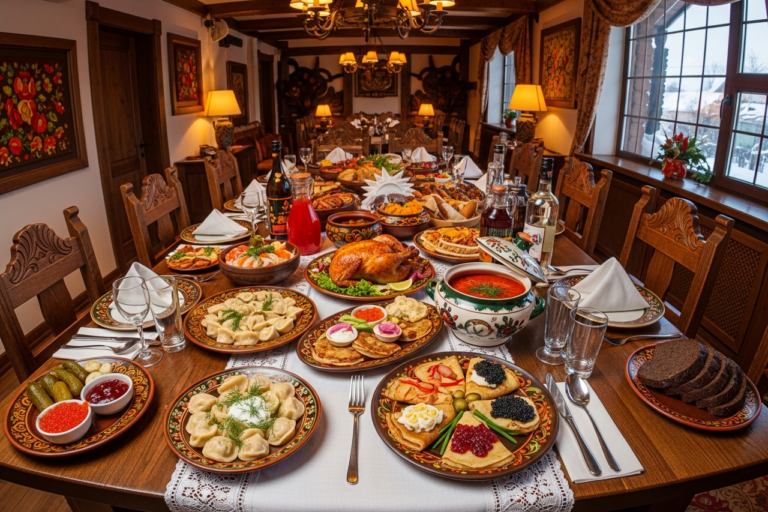
On holidays and special days, people in Russia often forget about their normal meal times. In russian culture, a big celebration meal takes the main spot on these days. The meal is long, and there is a lot of food, drinks, and people having fun together.
No matter if it is New Year’s Day, a birthday, or even a wedding, the plan changes. Instead of the usual breakfast, lunch, and dinner, there is one big meal for all. Family and friends come together. They sit, eat, and talk for many hours.
Holiday and Festive Meal Scheduling
The time a meal starts during a big holiday can change a lot. On New Year’s Eve, people often begin eating late, and the meal goes on after midnight. But for birthdays or weddings, the meal can start in the late afternoon and last for many hours.
In Russian culture, it’s the celebration that sets the schedule, not daily habits. A holiday meal is about more than just food. It’s a time to sit with people, talk, and enjoy many dishes together. The table, or “zakusochnyi stol,” is covered with appetizers, salads, and cold cuts, and these stay on the table the whole time.
The main things to know about these holiday meals are:
-
Meals can go on for hours.
-
The time they start is flexible, usually late in the day or evening.
-
There is not a clear break between different foods; dishes are served one after another.
-
Drinks, mostly vodka and raising a toast, play a big role in the party.
Religious and Cultural Observances Affecting Mealtime
Religious observances, especially those in the Orthodox Christian tradition, play a big part in russian culture and can change when people eat and what they eat. One of the biggest examples is the Great Lent, which happens before Easter. At this time, many people stay away from eating meat, dairy, and eggs.
Maslenitsa, known as “Pancake Week,” comes right before Lent. For a whole week, families get together and eat lots of blini, which are pancakes. It is a happy time and gives people a chance to eat well before the quieter period of fasting starts. These times bring new foods to the table and move around normal mealtimes.
Religious and cultural events in russian culture that change mealtimes are:
-
The Great Lent, which brings food limits.
-
Easter, which is a big feast after the fast.
-
Maslenitsa, which is a whole week for pancakes.
-
Christmas, when there are special meals for the holiday.
Conclusion
To sum it up, learning about mealtime traditions in Russia gives you a good look at what the people there do every day. Meals like slow breakfasts and lunch as the main meal show what is important to people in Russia. Each meal tells a story about their customs and how things have changed over time. Maybe you will have a traditional Russian dinner, or just a quick snack with tea. Either way, these things can help you enjoy russian cuisine even more. If you want to know how these traditions compare with your own or want to learn more about the main meal in Russia, you can get in touch for a free consultation.
Frequently Asked Questions
How do Russian meal times compare to those in the United States?
In Russian culture, lunch is the main meal of the day. This is not the same in the United States, where most people eat the biggest meal at dinner. The meals of the day in Russia have a big lunch with many courses. This way of eating is a lot like some other European countries.
Are there standard meal times across all of Russia?
Most Russian families eat their meals of the day at set times—breakfast in the morning, lunch around midday, and dinner in the evening. The exact times can change. In cities, people may eat dinner later because of their daily routines. In the country, mealtimes often fit with when people finish work. But russian families still keep to a similar pattern with their meals everywhere.
What foods are considered essential at each Russian meal?
Different meals need different foods. For breakfast, people often have porridge or cottage cheese. When it is lunch, the main course usually has hot soup. At any main dish, you will almost always see bread on the table, with rye bread being the most common. Sour cream is also often served with many dishes.