Key Highlights
-
In Polish culture, people eat the main meal of the day, called ‘obiad’, in the late afternoon. This meal is usually between 3:00 and 5:00 PM.
-
Breakfast is early and light. People eat it at home. Supper is a smaller and simple meal at night.
-
Home cooking is very important in polish cuisine. Many families like to meet at home to enjoy their main meal together.
-
The polish daily schedule, often from 8 a.m. to 4 p.m., plays a big part in the way people set their meal times.
-
‘Obiad’ has a key place in polish food and culture. It often has two courses, so it is not just a quick lunch.
-
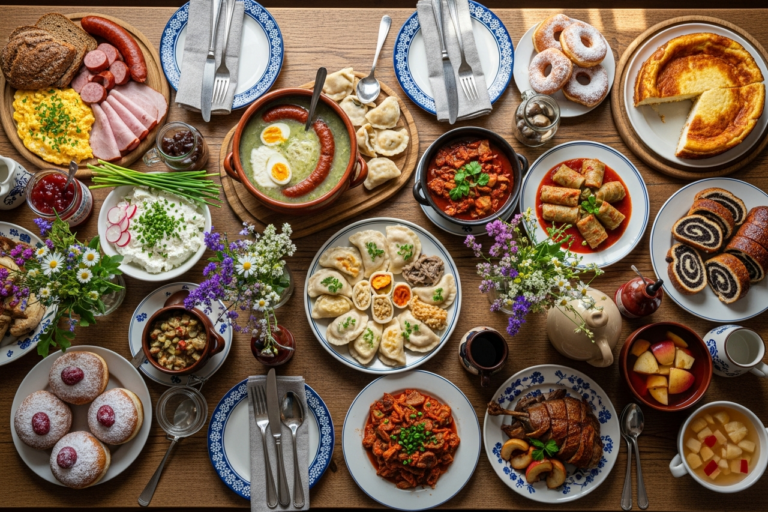
Many people know polish food for things like pierogi, but daily meals offer many kinds of dishes. You may find potatoes and foods made with flour often.
Introduction
Are you making plans to visit Poland and want to try the food there? If you want to really enjoy polish meals, it’s good to know when and how people eat in Poland. The times and ways people eat may not be the same as what you are used to. This simple guide will take you through a normal day with polish meals, starting from the first meal and ending with the last. Knowing these things will help you feel good, look through menus, and get a real taste of life in Poland.
Understanding the Polish Daily Meal Schedule
The daily meal routine in Poland is not the same as in many other places. In Poland, people start the day early. Most Poles have the main meal of the day much later. The workday usually goes from morning to the middle of the afternoon. This work time has a big effect on when people eat.
Because of this, the main meal is often eaten after work when people get home. Polish cuisine is built around this late and filling main meal. Next, we will talk about the main meal times and how Polish meal routines are different from other countries.
Typical meal times for breakfast, lunch (obiad), and dinner
In Poland, meal times are directly influenced by the typical workday, which often runs from 8 a.m. to 4 p.m. Breakfast is eaten early at home before the day begins. The most important meal, however, isn’t a midday lunch but a late-afternoon meal called ‘obiad’. This is the main meal of the day, a substantial, often two-course affair enjoyed at home.
Dinner, known as ‘kolacja’, is a much lighter meal eaten in the evening. This structure places the largest meal in the mid-afternoon, a key difference for many visitors. Understanding these Polish meals and their timing is essential to experiencing the local polish cuisine authentically.
Here is a general guide to when you can expect Poles to eat their main meals, though times can be more relaxed on weekends.
|
Meal |
Typical Time (Weekdays) |
Typical Time (Sundays) |
|---|---|---|
|
Breakfast (Śniadanie) |
6:00 AM – 8:00 AM |
Later, more relaxed |
|
Lunch/Obiad |
3:00 PM – 5:00 PM |
1:00 PM – 2:00 PM |
|
Dinner (Kolacja) |
7:00 PM – 8:00 PM |
Lighter, often leftovers |
Comparison of Polish meal routines with other European countries
Polish meal times have their own pattern that is not like many other European countries. For example, in places such as Italy and Spain, many people enjoy a long lunch break. Their main meal is often around midday, and dinner can be very late. In Poland, things are different. People take short work breaks, so the main meal, called ‘obiad’, happens in the late afternoon.
Because of the way work is done in Poland, there is not a long lunch. People want to finish work early and go home for ‘obiad’. That changes how polish meals fit into daily life compared to other countries like the Netherlands. There, people might work fewer hours and have more choices about when to eat.
In polish culture, starting early and eating a big meal at home after work is a key habit. The main meal, or ‘obiad’, is very important. It is a time for family and friends to come together. For many people, this is what shapes their day. It is not like other places in Europe, where dinner in the evening is the focus. In Poland, ‘obiad’ is in the center of meals and daily life.
Breakfast in Poland (Śniadanie)
In Poland, breakfast is called ‘śniadanie’. It is a simple meal, but it matters a lot. People in Poland have this meal early in the morning, at home, before they go to work or school on weekdays. The food for breakfast is mostly not sweet. People have pastries at other times in the day and not for this meal.
There is also something known as ‘drugie śniadanie’. The name means “second breakfast.” This is like a small snack. It could be a sandwich or even some yogurt. People take this snack to work or school. It helps to keep them going until the main meal later in the day. Now, let’s see what most people in Poland eat in the morning.
Foods commonly eaten in the morning
A Polish breakfast is simple and gives you energy for the day. You will not see many sweet pastries that some people may expect. Instead, this meal has more salty foods. The main part is usually fresh bread, which is a big part of polish food. There are open-faced sandwiches called ‘kanapki’ that many people eat in the morning.
These sandwiches use good and fresh things to make them special. Dishes like pierogi are well-known in polish cuisine, but people do not eat them for breakfast. The goal of this morning meal is to give you a good start, but not fill you up too much.
These are some of the foods you can find at a Polish breakfast:
-
Bread rolls or slices of bread with butter
-
Cold cuts, cheese, and sliced tomatoes or cucumbers
-
Scrambled or boiled eggs
-
Yogurt or cottage cheese
When and how Polish families enjoy breakfast together
Polish families usually get up early on weekdays. They also eat breakfast early. Most people start work at 8 a.m., so they get up around 6 a.m. The first meal of the day comes soon after. This early wake-up is a big part of Polish culture. People like to start work on time and finish early.
The aim is to come home by late afternoon. That way, they can have the biggest meal of the day with family. So, breakfast is eaten quickly at home. It helps everyone get out the door fast. It’s not common for people in Poland to eat breakfast in a café before work. Most just eat at home and then go to the office.
This busy morning is a big part of how Polish meals work during the week. Days are planned around the 8-to-4 work hours. Meal times fit well with this plan. A short family breakfast is the fast but important start to the busy weekday in Polish culture.
Lunch or Obiad – Cultural Distinctions
When you start to explore Polish cuisine, you’ll see the word ‘obiad’ come up a lot. People sometimes call it ‘lunch’ or ‘dinner’, but these words do not fit it well. Obiad is the main meal of the day in Poland. It has its own time and meaning in Polish culture. This meal is not just a small or fast lunch in the middle of the day.
Obiad is a big, warm meal. People in Poland usually eat it in the late afternoon. To see what sets it apart, you have to know what this meal means in the Polish way of life. Let’s take a look at what makes obiad special and how it is different from a usual lunch.
What defines ‘obiad’ in Polish culture
In Polish culture, ‘obiad’ is the main meal of the day. It is much more than just eating. This meal is also an important family event for the people. It happens after he, she, or you are done with work or school. The time is usually between 3 p.m. and 5 p.m. on weekdays. Families use this time to get together, have a warm home-cooked meal, and talk about their day.
A traditional Polish ‘obiad’ comes in two parts. First, there is soup, called ‘zupa’. This can be a clear broth or a thicker soup, like tomato. After this, people have the second course. Polish people love eating at home. Saying no to a home-cooked ‘obiad’ can feel like a serious mistake.
Sundays are special when it comes to the main meal of the day. The main meal on sunday is usually around 1 p.m. For many families in Poland, the Sunday ‘obiad’ is a lovely tradition. It shows how important the main meal is in Polish culture.
Differences between ‘obiad’ and a traditional lunch
The food you get at a Polish ‘obiad’ is not like what you may see at a regular Western lunch. In a lot of places, people have a sandwich or salad for lunch. But in Poland, the ‘obiad’ is hot and will fill you up. It is seen as the main meal of the day. It is there to give you energy after working all morning.
There is something special about the way the meal is put together. The ‘obiad’ nearly always starts with the first course, which is a soup. After that, you get the main dish. Most of the time, this main course will have meat, potatoes, and a salad called ‘surówka’ on the side. This is much more than just a quick snack you have at your desk.
Sometimes, the main dish can stand alone, like when you get pierogi, gołąbki, or bigos. Having a warm, big meal with more than one course at home during the afternoon is what makes ‘obiad’ different from an everyday lunch. The focus is really on the main meal and not just grabbing a quick bite to eat.
Dinner in Poland (Kolacja)
In Polish cuisine, the evening meal is called ‘kolacja’. Many people might call it dinner or supper. This meal is much lighter than ‘obiad’, which is the main meal earlier in the day. Since people already have the main meal, ‘kolacja’ does not have a lot of food.
Polish families usually eat this evening meal between 7 p.m. and 8 p.m. The food for this meal is simple and not heavy. If you are used to having a big dinner at night, this lighter supper may be a surprise. Now, let’s see what kind of foods people eat and how they spend this time in Polish homes.
Typical foods and dining customs for evening meals
The evening meal in Poland is called supper. People in Poland like to keep this meal light. They have a big ‘obiad’ earlier in the day, so at night, they do not need another large main dish. ‘Kolacja’ is often quick and simple. Sometimes, it’s just sandwiches. The popular ‘kanapka’ comes back because Polish people enjoy good bread and need a fast meal.
This way of eating comes from both tradition and how people spend their time. The evening meal is not a feast. It is about making something easy and not taking much time. At night, polish cuisine is not heavy or rich.
Here are some of the foods people often eat at an evening meal in Poland:
-
Open-faced sandwiches (‘kanapki’)
-
Cold cuts and cheese
-
Scrambled eggs
-
Yogurt or leftovers from ‘obiad’
Meal routines and timing on weekends, holidays, and across regions
On weekends, people in Poland do not stick to the strict meal times they have during the week. Saturdays often start with chores at home. Later in the day, people slow down and spend time talking and relaxing. Sometimes, they make a barbecue, especially when it’s warm. The usual 8-to-4 schedule is gone, so there is more freedom with Polish meals.
Sunday is an important day in Polish culture. It is a day when most families rest. Many go to morning mass. The main event of Sunday is the family ‘obiad,’ which is served earlier than on weekdays, mostly at about 1 p.m. This Sunday meal can be more detailed. It may take hours to get ready. It often begins with chicken broth with noodles.
This change in meal times on weekends shows that food is a big part of family and social life in Poland. While weekdays are all about being fast and getting things done, weekends are for enjoying your food and the people around you. These traditions help shape Polish culture.
Conclusion
In the end, learning about meal times in Poland gives you a good look at the deep roots of polish culture. People enjoy breakfast together, and ‘obiad’ means much more than just food—it’s about family and being with others. When you find out more about how people in Poland eat, you will see how their habits show what matters to them, not just what they like to eat. These meal times show their way of life and values. So, if you plan to go to Poland, or you want to understand polish food and customs even from far away, taking in these meal traditions can help you see global dining in a new way. If you want to know more about polish cuisine, you can get in touch for a food experience that brings out the real taste of these special meals.
Frequently Asked Questions
How strict are traditional meal times in Poland today?
Meal times are still important in Polish culture, but they are starting to change, especially in big cities. On weekdays, many Polish people still have their main meal, called ‘obiad,’ later in the day. Still, with new work styles and daily routines, some people in Poland now have different eating habits.
Are there regional differences in meal times across Poland?
The main set-up of meal times in Poland is about the same everywhere. But, there are small changes in when people eat and what foods they choose. Cities and villages have their own ways, too. People stick to the traditional meal schedule more often in small towns and out in the country.
What are the Polish terms for breakfast, lunch, and dinner?
The Polish names for meals are ‘śniadanie’ for breakfast, ‘obiad’ for the main afternoon meal, and ‘kolacja’ for the evening meal or supper. Keep in mind that ‘obiad’ means the main meal of the day. It is not just a lunch.