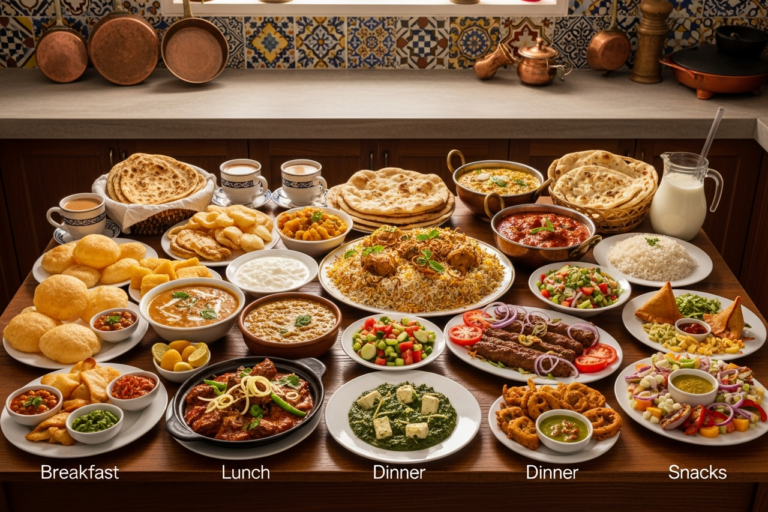
Key Highlights
-
In Pakistan, people eat breakfast early in the day. The evening meal is much later, usually after 8 p.m.
-
Lunch is often the main meal on weekdays.
-
Tea time is important. There is a special time each day for a snack and a hot drink.
-
When it is Ramadan, meal times change a lot. People adjust food and drink because of fasting from sunrise to sunset.
-
Table manners matter a lot. You should use your right hand when eating.
-
Meal times in Pakistan are not just about food. They help bring family, friends, and guests together and show good hospitality.
Introduction
Welcome to the world of Pakistani dining. In Pakistan, a meal is not just about food. It is a time for people to come together, full of tradition and full of family and history. The style of cooking in Pakistan has many rich smells and tastes. It is shaped by Muslim roots and a mix of different places in the country.
To really get the feel of life in Pakistan, you need to know when people eat their meals. These times of day shape how people live. From early breakfasts to late dinners, people in Pakistan use mealtime to sit with family and friends. Meals are a big part of how people connect with each other in this country.
Pakistani Meal Schedule Overview
The meal schedule in Pakistan moves with a special pattern. This way of eating helps balance work, family, and old customs. People in Pakistan start the day with breakfast. It comes early and helps set up the hours that come after it.
Lunch comes in the early afternoon. It is usually the main dish for the day. People often have their largest meal at this time.
Dinner is not early. It happens later and may last well into the night. This lets people spend time with friends and family after work. While there can be small changes in the schedule, this plan stays the same most times. It helps everyone get ready for the next day.
Cultural Importance of Meal Times
In Pakistan, people usually eat meals in a way that follows both their culture and the teachings of Islam. Most people here are Muslim, and being a good host is very important. The main way they show this is by sharing food. Unlike in the United States, where dinner can be early, in Pakistan, the evening meal often happens later. This gives everyone more time to talk and be with each other.
The idea of eating together is strong in Pakistan. Many times, people like to eat from one big platter. This helps families and friends get closer. It is not like in the United States, where many people eat their own food by themselves. Even though India, which is next to Pakistan, has some food traditions that are a bit like this, Pakistan’s mealtime is special. The timing of the evening meal really shows the different way of living in Pakistan.
In the end, these meal times are not only about eating. They help people feel close, show kindness, and build a sense of community. The time people spend eating together says a lot about what is important in Pakistan. Being there for one another and making time for each other comes first.
Factors Influencing Eating Patterns
There are a few important things that shape how people eat in Pakistan. One of the big things is the gap between life in major cities and living in the country. In places like Karachi or Lahore, work hours often decide when people have their food. Office jobs set the time for lunch and dinner. In the rural areas, people are more likely to eat based on their farm work and on when the sun is up.
Religious fasting, especially during Ramadan, also changes the eating times for people all over Pakistan. The style of cooking matters a lot, too. What food people have can depend on what spices and ingredients are in their kitchens at the time. In a big busy city, you may see people have a quick and light meal. In a quiet village, they might have a slow-cooked dish that takes time and care.
All these things make for many different eating habits in the country. The daily routine in the major cities is set by office timing, while meal times in the country go with nature. In the end, everyone in Pakistan works their own way around eating, whether it’s because of a work schedule, the weather, fasting in Ramadan, or just the kinds of food and spices they like to use for their meals.
Typical Breakfast in Pakistan
Breakfast in Pakistan is called nashta. This meal is strong in flavor and fills you up. People eat it early in the morning. It helps them get the energy to start the day. You will find different kinds of bread with tasty sides.
Some common foods are paratha, which is a flakey flatbread. People eat it with potato curry, chana masala, or a plate of lentils. With this meal, many have a hot cup of chai or try their own drink with yogurt called lassi.
This way to start the day is well loved by people in Pakistan.
Common Breakfast Foods
The breakfast table in Pakistan is filled with many tasty and energizing foods. The food you get depends on where you are or who is making it. But the country has some breakfast favorites that people in all places love. The style of cooking here is often rich and salty. This is not like the sweet morning meals that are popular in some other places.
These foods are often served with sides like pickles, raita, or chutneys. These extras help balance the taste. Some common breakfast foods you will find are:
-
Paratha: This is a flaky, pan-fried flatbread. It can be eaten plain or filled with things like potatoes or meat.
-
Halwa Puri: This meal is for special mornings. It comes with halwa, a sweet pudding made from semolina, and puri, a deep-fried bread. It is often served with potato curry or chickpea curry on the side.
-
Nihari: This dish is a slow-cooked meat stew. Most people use beef or lamb. Nihari is very popular, especially on weekends.
-
Chana Masala: This is a flavorful chickpea curry. It is often enjoyed with puri or naan.
The food served at breakfast in Pakistan is made to keep you full and help you face whatever the day brings. A morning meal in the country is more than just food. It is a true feast for your taste buds and a chance to enjoy the national
Usual Breakfast Timing
In Pakistan, people eat breakfast early in the morning. Most have this meal between 7:00 AM and 9:00 AM. This helps them get food before they go to work or school. This early time helps the body get ready for the day with more energy and focus.
The breakfast in Pakistan is big enough to keep you full until lunchtime. Since the meal is filling, people do not often eat a snack in the middle of the morning. The goal is to give you enough energy to last until the next meal.
By starting with a good meal in the morning, people set the plan for how they eat for the rest of the day. The eating schedule continues up to the last meal, which is late in the evening. This way of eating is an important part of their day. It helps get everyone ready for their daily work and helps them feel ready for the next day in Pakistan.
Breakfast Differences in Urban and Rural Areas
The breakfast experience in Pakistan is not the same in every place. In major cities, people usually move fast in the morning. They go for breakfast that is quick and easy to eat. Many still enjoy traditional breakfasts, but some just grab simple things like toast with eggs or buy commercial cereals. These foods fit into their busy way of life.
In the countryside, breakfast can be very different. People there are more likely to follow the old traditions for breakfast. The style of cooking is hearty and the food is cooked fresh, using local items. A farmer, for example, will have a big breakfast before starting work early in the morning. This can include homemade bread, fresh dairy items like lassi (their own drink), and strong curries.
How fast people live is what mostly sets these places apart. In major cities, life is quick so people pick breakfast for speed. In rural areas, life ties into farms and old customs. This makes breakfast a slow, filling meal that keeps the old recipes and ways of eating.
Lunchtime Traditions in Pakistan
Lunch in Pakistan is the main dish for many people and it matters a lot. People eat it in the early afternoon. It gives them a break and the energy to get through the day. This meal will be warm and full of good flavor, often using lots of spices.
You can have lunch at home with family or buy it fast from a local spot. This meal is a big part of the daily way of life in Pakistan. You may see a platter with rice, bread, and curry. It shows how much people in this country love spices and great food.
Popular Lunch Dishes
Pakistani lunch is full of color and taste. You get to pick from many different dishes. The meals are made to fill you up and give you energy for the rest of your day. People eat a lot of rice and bread, often with curries and grilled meats. These are packed with spices.
Lunch in Pakistan highlights good and well-loved food. Most plates come with a fresh salad or some cool raita. This helps calm the heat from the spices. Here are some top choices for lunch:
-
Biryani: This is a rich rice dish. It has layers of spiced rice, mutton or chicken, and sometimes potatoes.
-
Daal Chawal: This is simple, tasty comfort food. It’s made with lentils cooked well and served over steamed rice.
-
Sabzi: This means a mix of vegetable curries. You can eat them as the main meal or on the side.
-
Karahi: This is a thick, tomato and spice curry cooked in a special pan. Folks often make it with chicken or mutton.
Each of these meals shows how wide and lively Pakistani food is. Some dishes are simple and homemade, while others are fancy or made for big days. A lunch like this will fill your appetite and make you feel good at the table.
Lunch Serving Times
The timing of lunch in Pakistan generally falls in the early to mid-afternoon, but it can vary based on location and daily schedules. For most people, especially in urban areas, lunchtime is a welcome break from the workday.
Typically, lunch is served between 1:00 PM and 3:00 PM. This timing allows people to complete their morning tasks before sitting down for a substantial meal. This meal is crucial for replenishing energy levels to tackle the remainder of the day before the late dinner.
Here is a general overview of lunch serving times, which can differ between urban and rural settings.
|
Location |
Typical Lunch Time |
|---|---|
|
Urban Areas |
1:00 PM – 3:00 PM |
|
Rural Areas |
12:00 PM – 2:00 PM |
This midday meal bridges the gap between an early breakfast and a late dinner, ensuring that energy levels remain stable throughout the day and into the next day.
Weekday vs. Weekend Lunch Habits
Lunch habits in Pakistan change between weekdays and weekends. On weekdays, lunch is simple and quick. Many people like office workers and students eat food they bring from home or buy something good from a café or canteen nearby. Here, the goal is to fill the appetite and be back at work or school on time.
On the weekend, things slow down. Families take their time, sit together, and eat a bigger lunch. Often, they may have a big late breakfast and call it brunch, mostly on Sundays. People enjoy dishes that need more time to make but are worth it for the day.
This way, the weekend lunch ends up as a time to relax and connect. It is not just about filling the appetite. It is also about spending time with family and friends, which makes it more special in Pakistan.
Dinner Routines Across Pakistan
Dinner in Pakistan is the last meal of the day. People have this evening meal later at night. Families in Pakistan gather for supper after a busy day at work or after finishing other jobs. This time is not just about eating. It is a way for all to sit together and talk.
In major cities and even in quiet villages, dinner usually starts between 8:00 PM and 10:00 PM. People like this late time because it gives them the chance to relax, shop, or meet others before they get ready for bed. This makes the last meal of the day special for many in Pakistan.
Timing for Evening Meals
The timing for the evening meal in Pakistan is something you really notice about how people there eat. In many Western countries, people usually have dinner earlier in the evening. But in Pakistan, most people like to have their evening meal later. It’s normal for supper not to be served before 8:00 PM. Often, people will sit down as late as 10:00 PM or even more, especially when it’s a weekend or there is a get-together with friends and family.
There are a few reasons for this late time. One is the hot weather, which makes people want to have a meal when it’s cooler in the evening. Another reason is that people like to visit and see their friends and family at night after work is over. On top of that, the style of cooking in Pakistan takes more time, and evenings let home cooks or chefs get prepare a good, filling meal.
When the food comes to the table at night, people are very hungry. Eating late helps people work up an appetite after a long day. This late supper is more than just a meal—they see it as a great way to relax, talk, and spend time together before heading to bed for the night.
Main Dishes Served at Dinner
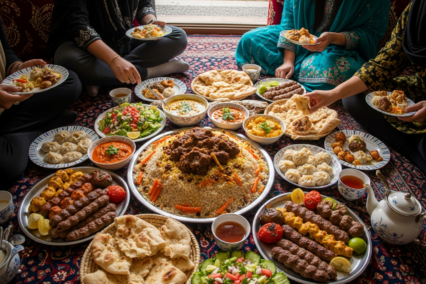
Dinner in Pakistan is a big deal. People like to have many main dishes that are rich and full of flavor. The meal usually has some kind of meat, but you will always see vegetarian options too. Breads like naan and roti are very important. People use them to scoop up every bit of the tasty gravies.
The food is known for the use of spices that smell good and taste great. You will see a big platter on the table with several dishes. Everyone sits together and shares the food, which helps people feel close. Here are some favorite main dishes found at dinner in Pakistan:
-
Chicken or Mutton Korma: This is a soft and creamy curry made with meat. It uses yogurt and mild spices like cardamom and cloves.
-
Seekh Kebabs: These are made from minced meat with spices. The mix is shaped onto skewers and then grilled or cooked in a pan.
-
Aloo Gosht: This dish gives you the comfort of meat stew and the taste of potato curry. It mixes meat and potatoes in a tomato stew.
These foods truly show what Pakistani cuisine is all about. These dishes bring warmth and comfort to the end of the day. Eating dinner in Pakistan is always a good and tasty experience.
Family Dynamics and Dinner Time
Dinner time in Pakistan brings the family together. It is a time to bond, talk, and connect. This is often the one time in the day when all family members sit with each other. Good table manners are a big part of this time. Even at home, the meal can feel formal.
There is great respect shown to elders during dinner. The head of the table is saved for the oldest man or main male of the family. The senior members of your party get their food first, showing respect. This way of seating and eating shows the value placed on older family members. It makes sure that elders stay honored and respected.
Kids learn table manners from the start. They wait for the elders to begin before they take their own first bite. They also learn to eat nicely. Dinner is about more than food in Pakistan. It helps all in the family learn respect and spend time together.
Snack and Tea Customs
In Pakistan, people like to have afternoon tea between lunch and dinner. This is more than a small snack. It is a big part of life. At around 4:00 PM to 5:00 PM, many stop what they are doing. They take time for afternoon tea and talk with others.
During this break, they enjoy a hot own drink. Most people choose tea. They eat both savory and sweet snacks with it. This is the time when people like to relax and chat with friends, family, or coworkers. These moments let them have some fresh sips before they start their evening.
Traditional Snack Foods
The snacks you get at Pakistani tea time are just as important as the tea. It is not only simple biscuits on the table. Most of the time, there are fresh bites, both salty and sweet, that are full of flavor. These snacks are arranged on a platter and everyone can have some.
The salty snacks have a good mix of spices, so there is a little kick in each bite. This helps people wake up in the late afternoon. Here are some snack foods you might see:
-
Samosas: These are crunchy triangle pastries. They come with spiced potatoes, peas, or ground meat inside.
-
Pakoras: These snacks are made with veggies like potatoes, onions, or spinach. They are covered in a spiced chickpea flour batter and fried.
-
Dahi Bhalla: These are soft cakes made from lentils. They sit in creamy yogurt and get topped with sweet and sour chutneys.
-
Cake Rusk: This snack is like a crispy, twice-baked biscuit. It is just right for dipping in your tea.
This mix of snacks turns tea time into a small party. It will give you a good energy boost and help you get through the day until dinner.
Afternoon Tea Rituals
The ritual of afternoon tea in Pakistan is a nice pause that happens every day. It takes place in the late afternoon, often between 4 PM and 5 PM. At this time, offices may slow down, and families come together at home. The main part of this ritual is the tea, usually a strong, milky chai.
This is not just about grabbing your own drink quickly. It means sitting down and taking a real break. People make a platter of snacks and share them, which helps everyone talk and connect. Pouring, serving, and having slow sips of tea let people unwind. It gives them a chance to clear their minds and rest.
Whether it is a formal afternoon tea with pretty cups and many snacks or just a simple cup of chai with a single snack, the heart of this ritual stays the same. It is a great moment to leave daily work behind and take a quiet, helpful break.
Social Impact of Snack Times
The social impact of snack times, especially the afternoon tea tradition, is big in Pakistan. Many people look forward to this daily break. It gives everyone a good chance to talk and get to know each other more. In many offices, it is a time when people from across the company can meet. They mix with others, share thoughts, and grow friendships in a relaxed space.
For friends and family, snack time helps people become closer. It gives all a set time to meet and share what is new in their day. Asking someone to join for tea is an open and warm way to show you care. There is no stress, and people feel they belong when they meet up for this.
Talking about payment arrangements in a cafe, the common thing is that the person who invites will pay. People look at this as a kind and good thing to do. Being generous in this way is a usual part of life for many there. In the end, afternoon tea and having a snack together makes social ties stronger. The little snack in the day is about much more than just eating.
Meal Times on Special Occasions
On special days, people in Pakistan change their normal meal times and follow different ways of eating. Big events like Eid and the holy month of Ramadan bring new food traditions. These times change how and when people eat to fit the joy and the religious meaning of the season.
Food is even more important during these events, with special dishes made and served. Families get together more often, and meal times become bigger and happier. Meals are set around family gatherings or special religious times, not just around work or a normal daily routine.
ramadan, pakistan
Festive Meals During Ramadan and Eid
During Ramadan, the way Muslims in Pakistan eat changes a lot because of fasting. People wake up early to eat a meal called Sehri before it gets light outside. After this, they do not eat or drink anything until the sun goes down. When it is time to break the fast, they have a meal known as Iftar.
Iftar is a happy time for all. People usually start with dates and water. Then, they eat different snacks and have cold drinks. A bigger dinner comes later in the evening. Ramadan is not just about food, it is about being together. Mosques and homes in Pakistan open their doors for big Iftar events. Friends, families, and even those who need help are invited.
When Ramadan ends, people celebrate with Eid al-Fitr. This festival lasts three days and is full of food. Many people make sweet dishes at this time. They invite relatives and friends to their homes for big lunches and dinners. Everyone enjoys the time together and shares the joy.
Adjustments in Meal Schedule for Celebrations
Special events in Pakistan often change when people eat their meals. At weddings, the main supper is not served at the usual time. The meal is usually served after 10:00 PM. People wait until all of the ceremonies are over. This big supper is a grand part of the night, and everyone looks forward to it.
When it is time for religious holidays, such as Eid al-Adha, other things matter more than eating on time. On these days, people gather for prayer and to do the sacrifice. After that, families use some of the meat to make lunch, but this meal is often served later and may last into the afternoon or even longer as families share and cook the meat.
These changes show that in Pakistan, supper and other meals during special days are not set in stone. The normal schedule is put aside so people can focus on their faith, community, and having a good time together. Ramadan is another time when this happens. The way people eat adjusts to the needs of every event, and the meal becomes a key part of the celebration.
Family Gatherings and Food Timings
At family get-togethers in Pakistan, food is served at a time that fits what is going on, not because of a set time. When people are invited over, dinner usually starts late to let everyone arrive and to give them more time to talk before eating. The goal is to care for the guests, not to stick to a clock.
The main dish is the big moment. The host waits until they feel it’s the right time. This is often after everyone has calmed down and had snacks. The meal is enjoyed together, with all people sitting around a table or even on the floor.
Respect for older people is always shown, just like in daily meals. The elder family members get served first. The head of the table makes sure each person is happy and has enough food. These times bring the family closer, and everyone feels the bond over shared food.
Etiquette and Social Norms During Meals
When you are asked to join a meal in Pakistan, you will see that how you act at the table matters a lot. The people here believe in being good hosts, and they expect guests to be kind, too. There are a few common table manners that you should know.
One of the main rules is to use your right hand when eating or passing food. The left hand is not to be used, since it is seen as not clean. It is also important to give respect to the senior members of your party at the meal. If you know these rules and use them, it will help you enjoy your meal in Pakistan more and show respect to the people with you.
Table Manners in Pakistan
Showing good table manners is a way to show respect in Pakistan. No matter if you are eating at someone’s home or at a place to eat, people will like it when you follow local ways of eating. These rules are easy to follow, but they mean a lot. The way people eat comes from the country’s culture and faith.
One main thing is about which hand you use when eating. You can use utensils, but if you touch food, always use your right hand. People often share food from one big platter in the middle. It is seen as polite to take food that is right in front of you, not from across the platter. Here are some key tips on table manners in Pakistan:
-
Use Your Right Hand: You should always eat, give, and take food only with your right hand.
-
Wait for Elders: Wait for the oldest person or the head of the table to start eating first.
-
Pace Yourself: Eat at a calm and steady speed. If you eat too fast, people might think it is not good.
At the end, it is good manners to take another serving if your host gives it to you. This shows you enjoy the meal and are thankful. While you may turn it down once to be polite, in Pakistan it is normal to say yes when your host offers it again once or twice.
[keywords: table manners, head of the table, right hand, utensils, platter, pakistan]
Hospitality Traditions
Hospitality is a big part of Pakistani culture, and you really see this when it comes to food. If you go as a guest to a house in Pakistan, people will welcome you with a lot of warmth. They will give you a drink, like tea or even a cold own drink, as soon as you get there.
The host will work very hard to make good food for you. They are happy to have you at their table. You should always say yes to the food and drink they give, because if you say no, it can look rude. It is good manners to say something nice about the food. This shows you are thankful.
When it comes to payment arrangements at a restaurant or another place outside the home, this same feeling of kindness is there. If someone invites you, they will almost always want to pay the bill. People do not usually argue over the check. If you want, you can invite them to go out next time. This is a good way to return the favor.
Conclusion
To sum it up, when you look at how people eat in Pakistan, you get to see a lot about the culture and how people live and work together. Meal times are very important. The food in Pakistan is tasty and each meal shows a different side of life during the day. People come together over food, making it a big part of family and community meetings. For lunch, many love biryani because it smells so good and tastes great. Later in the day, there are tea times full of talks and laughter.
Every meal has a story, and each one helps you understand more about what makes pakistan special. When you join in these meal traditions, your food experience gets better. You also feel closer to the people and their way of living. If you want to learn more about the foods and customs in pakistan, you can get a free talk to see how these special eating habits can fit into your life.
Frequently Asked Questions
Do meal times vary between cities and rural areas in Pakistan?
Yes, meal times can change based on where you live. In major cities, meal times usually fit around a 9-to-5 workday. People eat dinner later in these places. In the country, people plan meals around farm work and when it gets dark. So, lunch and dinner in these areas often happen earlier than in the city.
Are there unique meal customs for weekends in Pakistan?
Yes, that is true. On the weekend, people do not rush when it comes to meals. Breakfast may be served later than usual. Many families enjoy brunch instead. This is a mix of breakfast and lunch. It is your chance to eat some special foods that are not made on busy weekdays. For many, the meal feels more like a celebration.
What is the traditional time for tea in Pakistan?
In Pakistan, people usually have afternoon tea between 4:00 PM and 5:00 PM. This is a special break where you take some time to enjoy hot tea. Many people have a small snack, which can be salty or sweet, with their tea. This helps fill the time before the evening meal. It is a way to relax and have a few sips with friends or family.