Key Highlights
Here’s what you need to know about Omani meal times:
-
In Oman, meal times can be flexible. Lunch is usually the biggest meal of the day, and people have a lighter dinner.
-
Omani hospitality is a big part of eating together. If you get invited into an Omani home, it is seen as a real honor.
-
It is a mark of respect to know local customs. For example, you should eat with your right hand.
-
Omani cuisine is well known for its rice dishes with chicken, meat, or fish. You will see these a lot at lunchtime.
-
Meal times change in a big way during special occasions. For example, during Ramadan, people in Oman have big feasts at night.
-
Oman has so many different foods for you to try. From traditional Omani dishes to street food, there is a lot for people to explore.
Introduction
Welcome to Oman. Here, food means more than just something to eat. It is a big part of Omani culture and daily way of life. When you visit, it helps to know the right meal times in Oman. This will let you get close to the Omani people. You can share stories, make good memories, and enjoy time together at the table. This guide will give you all the basic things you need to know about Oman’s food traditions.
Understanding Meal Times and Food Culture in Oman
In Oman, meals are a big part of daily life. They show how important community and togetherness are in Omani culture. The pace of life often fits around making and sharing food. Every Omani meal is a special moment.
You will see that Omani cuisine is a real treat to enjoy. If you know about local food culture in Oman, your trip will be better. You will learn more than just what things taste like. You will also get to know the stories that come with them. Let’s take a look at why meals and hospitality are so important in Oman.
The Importance of Meals in Omani Daily Life
Meals are an important part of daily life in Oman. They mean more than just food to the Omani people; they are times for connection and tradition. An Omani meal does not happen in a hurry. Family and friends get together, talk about their day, and grow closer. This feels like a big part of the Omani way of life.
For Omani people, to share food shows care and a sense of community. They value sharing a meal, no matter if it is a small breakfast or a big party. Eating together gives people time to stop, relax, and enjoy being with others in their life.
If you visit Oman, you will see this special part of their culture. You will notice that food is about more than eating. It helps build relationships and carries on what is special in Omani daily life by sharing these meals together.
How Omani Hospitality Shapes Meal Times
Omani hospitality is well-known. It shows the most during meal times. If you are asked to eat at an Omani home, that is a big deal and a mark of respect. It is a way for people to show their kindness and for you to get to know true Omani culture.
When you go, this is not just a meal. You get to see local customs right in front of you. You can feel what Omani family life is like. They will do a lot to make sure you are at ease and have a good time.
If you are a guest in an Omani home, keep these points in mind:
-
Bring a small gift, like chocolates or flowers, to show your thanks.
-
Always take your shoes off before you go into the house.
-
Wait for your host or the main person at the table to start eating before you do.
This is all part of the way people show care and hospitality in Omani culture and during meal times.
Typical Meal Times in Oman
In Oman, people usually eat their meals at different times each day, but there is a pattern. Lunch is the main meal for most. It is big and has many traditional Omani dishes. At night, dinner is lighter. People eat it later in the evening.
Knowing about meal times in Oman is useful for you. It helps you plan when you want to try Omani cuisine at a place in town or just grab a quick bite. In this guide, we will see the usual meal schedule. You can learn how things might be different on weekends, and how meal times change from cities to country places.
Breakfast, Lunch, and Dinner Schedules
The daily meal schedule in Oman follows a pattern that prioritizes a substantial midday meal. Breakfast is typically light and eaten early, setting the tone for the day. Lunch is the main event, often enjoyed with family, while dinner is a more relaxed affair.
This structure allows for a slower, more deliberate enjoyment of Omani cuisine. You’ll find that many Omani dishes, especially rice-based ones, are reserved for lunch. Dinner might consist of simpler fare, sometimes even just snacks or sandwiches.
Here’s a general guide to meal times in Oman:
|
Meal |
Typical Time |
Notes |
|---|---|---|
|
Breakfast |
7:00 AM – 9:00 AM |
Usually a light meal to start the day. |
|
Lunch |
1:00 PM – 3:00 PM |
The main and largest meal of the day, often featuring rice with meat or fish. |
|
Dinner |
8:00 PM – 10:00 PM |
A lighter meal, eaten later in the evening. |
Weekend vs Weekday Differences
Meal times in Oman can change from weekdays to the weekend, just like in many other places. The Omani weekend, which is Friday and Saturday, is mostly about rest, being with family, and enjoying bigger meals. Lunch on these days can be very big and feel like a party.
During the week, people may eat faster because of work and school. Even with these busy days, in Omani culture, it is still important to eat lunch with your family. Sharing a meal, especially lunch, stays important to most Omani families.
Here are some ways meal times can be different:
-
Longer Lunches: Lunch on weekends can take more time. There can be a few courses and people spend more time talking together.
-
Dining Out: Many families like to go out and eat at restaurants during the weekend.
-
Special Dishes: Families often keep special omani local customs and dishes for their weekend get-togethers.
These meal times and local customs are a big part of omani culture.
City and Rural Variations in Meal Times
You might see that meal times and how people eat can change a lot between big cities like Muscat and the smaller towns or villages in Oman. In big cities, life moves faster. Meal times often fit with modern work hours. Many city restaurants also open for more hours and serve all kinds of people.
In smaller towns and village areas, things move in a slower and more traditional way. For the omani people there, meal times often follow the daily work on the farm or old customs. Many omani prefer to keep to these schedules. When it gets hot after lunch, people in these places often slow down for some time during the day.
But, no matter if you are in Muscat or in one of those smaller towns in Oman, hospitality from the omani people does not change. Being together for food is still very important. You can be at a fine spot in Muscat or a simple mountain home, and you will see the same warm, omani way of welcoming guests and sharing meals.
Beginner’s Guide: How to Adapt to Meal Times in Oman
Getting used to Omani meal times can help you feel more part of the local life. It is about more than just the time you eat. You also learn the way people act and the things they do at every Omani meal. This can help make your time eating there much better.
If you follow some easy steps, you can feel sure about what to do at meal times. You will also show respect for the ways that people in Oman eat. This goes from the food you have in the morning to the times you eat in the evening. Here is what you need to know to start out and enjoy each omani meal.
What You’ll Need to Get Started (Awareness of Local Etiquette and Customs)
The best thing you can do when you join an Omani meal is to keep an open mind and know the local customs. Omani culture puts a lot of care on showing respect and being polite. This is big when it comes to eating together. If you keep a few things in mind, you will leave a good mark.
When you are asked to come to an Omani home, you are seen as an honored guest. The people there want to share their food and the things they do with you. If you show true interest and thank them, it will mean a lot.
Here are some things to remember:
-
Always use the right hand when you give, take, or eat food. The left hand is not used.
-
If you sit on the floor to eat, sit with your legs crossed. Try not to show the soles of your feet to anyone.
-
Wear clothes that cover you well, especially if you go to a private Omani home.
Step-by-Step Guide to Navigating Omani Meal Times
Trying your first Omani meal can be a fun and good thing to do. If you break it down into easy steps, you will feel ready to taste traditional Omani dishes and take in all the warm hospitality in an Omani home. This small guide will show you what it is like, from morning until night.
When you eat at a family’s Omani home or go to a local place to eat, these tips will help you feel calm. There is a chance here to taste many new things and see what the Omani way of life is all about.
To get the most from eating out or being invited in for a meal, just follow these few steps:
-
Step 1: Watch and enjoy a light, simple meal in the morning.
-
Step 2: Take your time with lunch, as this is the main meal.
-
Step 3: At night, enjoy a smaller meal a bit later in the day.
-
Step 4: Always thank your hosts and show you care for their hospitality.
Step 1: Observing Breakfast Traditions
The Omani day usually starts with a simple breakfast. Even though breakfast is not as big as lunch, it is still important. In many homes, you will see traditional Omani bread. This bread is a big part of Omani cuisine. People like to eat it with things like cheese and honey. This goes well with warm, fresh bread.
Drinking Omani coffee, known as kahwa, is one part of the morning that many people look forward to. This type of coffee has cardamom in it, which gives it a special smell and taste. Serving Omani coffee is also a symbol of hospitality. People often drink it all day, not just in the morning. You will usually see it poured black into small cups, and most people do not add sugar.
Another thing people know is Omani halwa. This sweet treat is well-known, but it is not usually eaten for breakfast. Most of the time, you see Omani halwa on special occasions or you get it with Omani coffee when you visit someone’s home. Breakfast in Oman is a light and good way to get ready for the day, so people pick foods that are fresh and good for health.
Step 2: Experiencing Lunch and Midday Meals
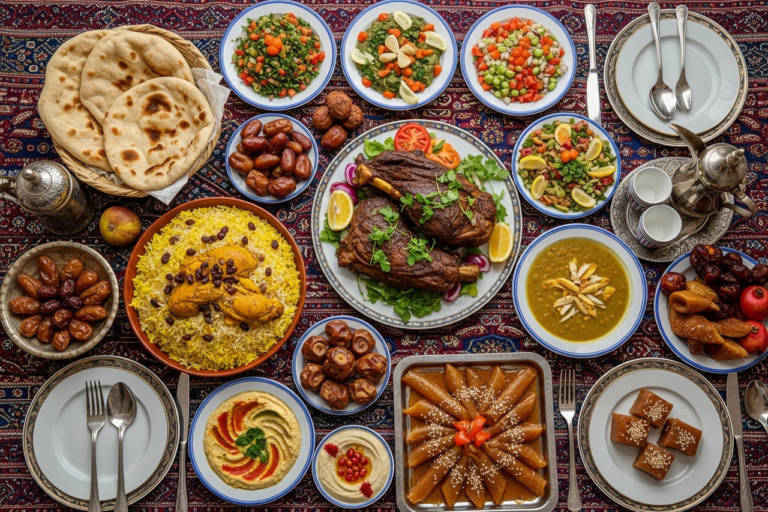
Lunch is at the center of the Omani meal schedule, and it is also the biggest meal of the day. At this time, you get to try classic Omani dishes. Most of them have rice with spices, and there will be a main dish with chicken, meat, or fresh seafood.
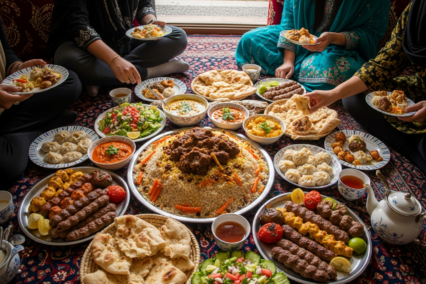
An Omani meal at lunch is something people do together. Families get together and eat from big trays of food. This makes things feel warm and friendly. Many people use their hands to eat, which is old Omani way. Locals say this can make the food taste better.
If you visit Oman, lunch is a good time to try Omani cuisine and see what people love. Be open and taste local omani dishes like Shuwa or Majboos. If using your hands is not for you, you can ask for cutlery. That is fine.
Step 3: Enjoying Dinner and Evening Gatherings
Dinner in Oman is usually lighter and more casual when compared to lunch. People often eat it late, between 8:00 PM and 10:00 PM, or sometimes even later, especially if it is the weekend. It gives families another chance to be together after they have finished what they needed to do during the day.
The food you get for dinner is often more simple. At lunch, there may be a large rice dish that is the main part of the meal. For the evening omani meal, people often eat grilled meats, soups, salads, or sandwiches. In many omani homes, it is normal for people to eat what is left over from the big lunch earlier that day.
If you visit an omani home for dinner, you will see true omani hospitality. The meal is often simple, but the main goal is to be with each other. People use this time to talk, relax, and enjoy a calm evening in oman together.
Essential Customs and Etiquette Around Meal Times
In Omani culture, following local customs during meal times is seen as a big mark of respect. Even small actions show that you value their way of life. One clear rule is to always use your right hand when you eat or handle food, because the left hand is seen as being for cleanliness.
If you are at an Omani home or eating at a restaurant, good manners matter a lot. These ways are a part of their culture and have been for a long time. From how you act while eating to how you behave when dining out, there are basic etiquette tips you need to know when it comes to omani culture.
Table Manners and Sharing Meals
Good table manners are very important in Omani culture. The most basic rule is to use your right hand. In Islamic tradition, the left hand is seen as unclean. You should always use your right hand for eating, passing dishes, and taking food. When you try, it shows a mark of respect, even if you make mistakes. Foreigners often get forgiveness, but trying the Omani way is always good.
When all of the people at the table share a big dish, eat from the part that is in front of you. Do not reach over and take food from another person’s spot. That is seen as rude. It is like eating from someone else’s plate in Western culture.
Here are a few key points on manners:
-
Wait for your host to start eating before you begin.
-
If seated on the floor, sit cross-legged and avoid pointing the soles of your feet towards others.
-
It’s polite to accept what is offered, but you are not expected to overeat.
Eating at Home Versus Dining Out
Both having a meal at home and eating out are things most Omani people like to do in Oman. But each one gives you a different way of spending time together. When you eat in an Omani home, it’s a close and warm experience. It’s all about family, hospitality, and the old ways that have been passed down. For a lot of Omani people, the big meal of the day is lunch. Most people eat this with their family at an Omani home.
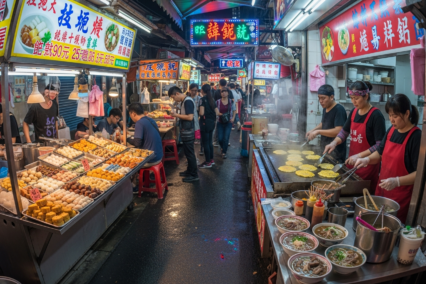
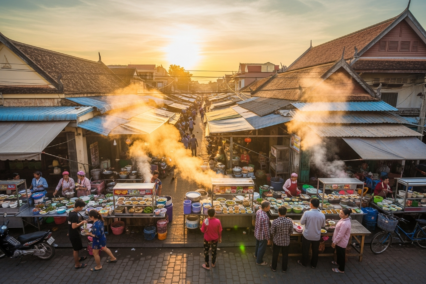
Going out to eat lets you try new things. You get to pick from many places, like street food stalls and nice restaurants. Many choose to do this for dinner or when the weekend comes. Families and friends like to go out together on these days.
Getting invited to an Omani home shows real hospitality, and it is something to be proud of. Trying restaurants and street food is also a great way to see more of Omani culture. No matter which way you pick, both show different parts of Oman, the people, and what their food can be like. Both will help you get to know their love for good meals.
Restaurant Opening Hours and Dining Options
Restaurant opening hours in Oman often match the common meal times in the area, but there is some room for changes, especially for tourists and people from other countries. Most local restaurants are packed during lunch hours from 1 to 3 PM, and again from 8 to 11 PM for dinner. A lot of small places will shut their doors in the afternoon between lunch and dinner.
If you are in big cities like Muscat, or near busy places that get a lot of visitors like Shatti Al Qurum, or in main parts of town like Al Khuwair, you will see more choices for food. Hotels and restaurants that serve international food usually stay open longer for all kinds of schedules people might have. In smaller towns such as Nizwa, food places stick to more simple and regular hours.
Here are some things to keep in mind when you think about your meal times:
-
Lunch Rush: Most local restaurants get packed from 1 PM to 3 PM.
-
Late Dinners: Dinner often gets busy after 8 PM at many places.
-
Hotel Restaurants: These places are good for eating outside the usual hours as many of them serve food all day.
Special Meal Times and Foods During Ramadan and Festivals
During special occasions like Ramadan and big festivals such as Eid, life in Oman changes a lot. People change their meal times during these days. You will see fasting, big family meals, and a strong feeling of togetherness. It is a good time to learn about Omani traditions.
Omani cuisine gets even better during these days with special Omani dishes you will not find at other times. People move away from their usual routine. Instead, they come together in the evenings for food, family, and prayer. Here is how people change their meal times during Ramadan and what Omani foods you might see.
Changes to Meal Times During Ramadan
During the holy month of Ramadan, Muslims do not eat or drink from sunrise to sunset. This changes the way people plan their meals every day. There are two main meals during Ramadan. Iftar is the meal that breaks the fast at sunset. Suhoor is the meal people have before sunrise to get ready for the day without food or drink. People do not eat or drink in public when the sun is out.
Iftar is a happy time for everyone. People often start with dates and water. Then they have a big meal with omani dishes. Families and friends get together at this time. Many hotels and restaurants have special Iftar buffets, where people can taste lots of traditional omani dishes.
These are the main things that change during religious events like Ramadan:
-
No Daytime Eating: Restaurants stay closed during the day and open after the sun goes down.
-
Iftar: The meal at sunset is very important. Many people enjoy a big buffet or join together with family.
-
Suhoor: People eat this meal very late at night or just before the sun comes up.
Popular Dishes for Religious and Cultural Events
Religious and cultural events in Oman are special. People in Oman celebrate these moments with dishes that show the rich taste of Omani cuisine. The meals for these events are often big and full of flavor. They use good meats, like lamb, and use a lot of spices such as saffron, cardamom, and cinnamon.
Shuwa is one of the best-known foods for celebrations. It is made with lamb or goat that sits in spices and cooks slowly under the ground. People eat this meal during Eid, and it is the main dish on the table. Omani halwa is another food that you will often see. This sweet is thick and shiny. It is made with sugar, starch, and flavors like rosewater, saffron, and cardamom. Guests get Omani halwa at happy times as a sign of good hospitality.
Some of the most loved celebratory foods are:
-
Shuwa: Slow-roasted, spiced lamb or goat. It is always on the table for Eid.
-
Omani Halwa: This sweet treat is a symbol of hospitality and is very important in Omani culture.
-
Majboos: A rice dish with meat and a lot of spices, served for special times.
All these foods show the heart of Omani cuisine. The use of meat, many spices, saffron, and cardamom make the taste and smell special. Whether it’s a holiday, Eid, or family gathering, you can taste
Conclusion
To sum up, knowing about meal times in Oman helps make your trip better and lets you get closer to the local culture. There is a lot of meaning in how people eat together in Oman, and their hospitality is a big part of their food habits. Every meal has its own story. You might try an Omani breakfast or the bigger fest meals. If you remember how people act at the table, you will have better talks and maybe make new friends with people in Oman. As you try different foods on your journey, keep an open mind, show respect, and get ready to enjoy the great tastes found here. If you want to know anything else or need some help to plan when or what to eat, please ask for guidance!
Frequently Asked Questions
What are the most common foods served for each meal in Oman?
For breakfast, you will see people eat traditional Omani bread. They often have it with cheese and honey. Lunch is usually the main meal of the day. People eat rich Omani dishes at this time, like rice with chicken, meat, or fish. Dinner is lighter. At this time, you might get soups, salads, or a sandwich.
Omani coffee and dates are there all day. People like to share them. It is a way to show hospitality in Omani homes.
How late do people typically eat dinner in Oman?
In Oman, people normally have dinner late at night. Most of the time, Omani families eat between 8:00 PM and 10:00 PM. In an Omani home, dinner is usually lighter than lunch. This time is the same in both big cities and smaller towns. It lets families sit together and rest at the end of the day.
Are there any differences in restaurant hours for tourists?
Yes, if you are in places for tourists, like Shatti Al Qurum in Muscat, you will find many hotel restaurants and places with food from different countries. They stay open longer and have flexible hours. This is to help people who visit the area. But most local restaurants that mainly serve Omani people follow old meal times. They close in the afternoon and open again for dinner. Meal times do matter for these local restaurants with Omani food and customers.
What should visitors know before joining an Omani family meal?
When you get an invite to an Omani home, it is a mark of respect to say yes. When you go inside, take off your shoes. Bring a small gift with you. You should use your right hand to eat and to pass food. This is a good way to show that you respect Omani culture and the way of life in Oman.