Key Highlights
-
Nepali meal times are a big part of daily life. People care more about eating well than following a fixed clock.
-
The day starts with the cup of tea. People have their first real meal later in the morning.
-
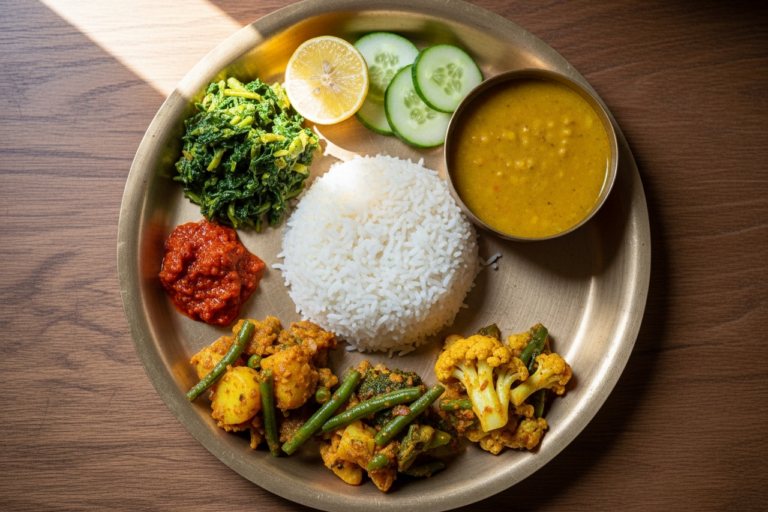
Dal bhat is a main part of nepali food. There is rice and lentil soup together, and most have it for lunch.
-
In Nepal, lunch is the big meal of the day. Dinner is smaller and not as much as what people eat at lunch.
-
People like to snack with friends and family in the late afternoon. Momos or sel roti are some of the top nepali food for these times.
-
For festivals, the meals get special. People make nepali food like bhat, sel, and other dishes, showing nepali food culture and coming together as a group.
Introduction
Have you ever thought about how daily life is shaped by food in other parts of the world? In Nepal, meal times are not just about set hours. They are a big part of the culture through the day. People do not look at the clock for eating. They go by the smooth flow of meals with family and friends. Learning when people eat is a great way to get closer to Nepali cuisine and see the old and new food habits. This guide will take you through a normal day of eating in Nepal, from the first cup of tea in the morning to the last bite before bed.
Overview of Meal Times in Nepal
In Nepal, food means more than just stopping hunger. It helps shape the day for Nepali people. The meal times are a big part of daily life here. People in Nepal put patience and being together above rushing. They do not always follow the set three-meal rule. Meal times can change and move around.
In many Nepali households, there is a simple flow to eating. Meals are cooked and eaten together, helping to break up what needs to be done each day. Nepali people do not just watch the clock for meal times. They come together when it feels right. This helps them stay strong for the jobs ahead, and it brings everyone in the house closer.
Typical Scheduling for Breakfast, Lunch, and Dinner
The timing of meals in Nepal might seem different if you’re used to a Western schedule. The day often starts with a light, early morning drink, followed by a more substantial first meal a few hours later. Lunchtime is the main event, with dinner being a simpler, comforting end to the day.
This approach to eating ensures people have the energy they need for work, which is often physically demanding. The focus is on a large, sustaining midday meal rather than multiple large meals spread throughout the day. Below is a general guide to Nepali meal times.
|
Meal |
Typical Time |
Description |
|---|---|---|
|
Morning Tea (Chiya) |
6:00 AM – 7:00 AM |
A cup of sweet milk tea, often enjoyed before any other food. |
|
First Meal (Khaja/Breakfast) |
9:00 AM – 10:00 AM |
A light meal, sometimes leftovers or simple roti. |
|
Lunch (Dal Bhat) |
12:00 PM – 2:00 PM |
The largest meal of the day, centered around dal bhat. |
|
Afternoon Snack (Khaja) |
4:00 PM – 5:00 PM |
A social time for street foods like momos or samosas. |
|
Dinner (Bhat) |
7:00 PM – 9:00 PM |
A lighter version of lunch, often with rice and simple vegetables. |
Influences on Daily Eating Patterns
The way Nepali people eat every day is shaped by farm life, daily work, and their traditions. Many people in Nepal, especially those living outside cities, plan their meals around their work. Lunch is usually big to give people the energy they need to work hard in the fields or do other tasks.
Their eating habits are simple and have a purpose. People do not often snack before lunch because they want to finish morning work first. They wait to eat, knowing they will soon have a good plate of dal bhat. This shows how important food is in daily life for Nepali people.
Nepali food culture is all about feeding the body and bringing people together. Meals are the key part of the day. People use this time to rest and be with family or friends. These food habits have been passed down over many years and are a big part of what makes nepali food and nepali people special.
Nepali Breakfast Traditions
In Nepal, people do not start the day with a big meal. The morning begins with a quiet moment and a warm cup of chiya. This is Nepali milk tea. It is the real way to wake up in homes all over the Kathmandu Valley and in other places in Nepal. It gives you a calm feeling before you start your work for the day.
In Kathmandu and other parts of Nepal, people do not have a big “breakfast” like you see in the West. People may have a light snack with milk tea or wait for a bigger meal later in the morning. This way, the day starts slow and easy. Food is there to give comfort and help you get ready for what comes next. A cup of chiya sets the tone for the morning in the Kathmandu Valley.
Common Breakfast Dishes and Drinks
A Nepali breakfast is simple and makes you feel at home. The main thing in the morning is a cup of tea. In Nepal, this is called chiya. Chiya is a sweet milk tea made with black tea leaves and spices. It’s more than just a cup of tea. For many people, it is a way to start the day, warm the hands, and wake up the mind.
People in Nepal do not eat a big meal for breakfast. The food with the morning milk tea is light, easy to make, and gives just enough energy to have a good start. On special mornings, you might find something special like sel roti added to the menu. Sel roti is made with rice flour.
Here are some foods that you may find with Nepali milk tea:
-
Chiya: Sweet Nepali milk tea.
-
Roti: Simple flatbread. People sometimes eat it with chiya.
-
Leftover Rice: Rice from last night. It is often fried quickly for breakfast.
-
Sel Roti: Ring-shaped and a bit sweet. It is made from rice flour and is often for special moments.
-
Puffed Rice (Bhuja): You can eat it plain or mix it with other foods.
When Nepali People Eat Breakfast
In most Nepali households, the first thing to eat in the morning is not a full meal. People in the house have a cup of tea, usually between 6:00 and 7:00 AM. This does not count as breakfast. It is more like a simple start to the day. The sound of boiling water fills the house as everyone gets ready for the day ahead. People drink their tea quietly while doing morning chores.
The next meal, which you can call breakfast, is eaten much later. Most people eat it around 9:00 or 10:00 AM. This fits with when work or school begins for many people. The food at this time is light and is not meant to be a big meal.
This later morning meal shows a lot about Nepali food and how people live. It is common for the morning to be a time for doing tasks before thinking of food. People often feel that after working, food is the reward. The time of day is important and helps decide when people eat. Waiting for breakfast is a normal part of Nepali food culture.
Lunch Culture in Nepali Households
Lunch is the most important meal of the day in most Nepali households. The food is made to keep you going until the end of the day. At lunchtime, dal bhat takes the top spot. This meal is a big part of Nepali food and nepali cuisine and gives you all that you need in one plate.
During lunch, things in the home slow down or stop. People gather, eat, and talk with each other. No one rushes through this meal. Everyone takes their time and enjoys the food. If you want to really know nepali food culture, you have to know why lunch, especially dal bhat, means so much in nepali households and nepali cuisine.
Popular Lunch Foods Across Nepal
The main food that people eat for lunch in Nepal is dal bhat. This is not just any meal. Dal bhat is a plate that shows the soul of Nepali cuisine. It gives people the energy they need to keep working for the rest of the day. You can find dal bhat in every home, from busy places like Kathmandu to small villages high in the mountains.
Dal bhat stands out because it is simple and tasty, and you can enjoy it with so many side dishes. The main parts of dal bhat stay the same, but people add different side dishes. What people add can depend on the time of year, which part of Nepal they are in, or what the market sells that day. It feels familiar but also can surprise you each time.
Here’s what is on a regular dal bhat plate:
-
Bhat: Steamed rice. This is the base of the meal.
-
Dal: Lentil soup that adds a lot of flavor.
-
Tarkari: Curry made with a variety of vegetables.
-
Saag: Stir-fried green leafy vegetables, like spinach or mustard greens.
-
Achar: A tangy pickle that gives the food some strong flavor.
-
Papadum: A thin slice that is crispy.
This is the meal that says a lot about Nepali cuisine and what people usually eat in Nepal.
Lunch Timing: What to Expect
In Nepal, lunch is very important. People usually have it from midday to 2:00 PM. This is the time when most people stop what they are doing. They come together for the main meal of the day. A lot of Nepali people need this meal to keep up their energy. It helps them get through long hours of work or study.
Having lunch at this time is smart. The sun is high, and people need food to feel good. In nepali food culture, lunch is not something to hurry. People sit down, eat slow, and try to feel better for the rest of the day. It is normal for someone to offer you more food, and the best way to show thanks is to take it.
A big lunch is a big part of nepali food. Nepali people make this their main meal. This is different from what many Western countries do. Over there, people sometimes just have a quick or small lunch. But in Nepal, lunch is at the heart of the nepali diet. It is what many look forward to each day.
Dinner Customs and Practices
As night comes, kitchens in nepali households start to buzz again. The energy is softer now, not as lively as at lunchtime. Dinner is the time people look for comfort and begin to slow down. This meal ends the day in a nice way and brings families close before they go to bed.
Dinner is often more simple and light than what people have at lunchtime, but it is still very special in nepali culture. It’s not so much for getting energy to do work. It’s more about spending calm moments with people you care about. The food people eat at dinner matches this peaceful, relaxing time.
Traditional Dishes Served at Dinner
Dinner in Nepal is often much like lunch. The main food is usually dal bhat, but dinner is more simple. There are not as many side dishes. You get some basic foods that are easy to cook and eat.
Even though the meal is simple, it does not lose its taste. Nepali food still has the main things in it like rice, lentils, and vegetables. These are cooked with a mix of good Nepali spices. The meal is warm and filling. It helps to make you feel at home when your day is almost over. Sometimes, instead of rice, you may get dhido, which is a thick porridge.
These are some foods you might see for dinner in Nepal:
-
Rice (Bhat) or Dhido: This is the main food on the plate.
-
Lentil Soup (Dal): The soup is more basic compared to lunchtime.
-
Green Leafy Vegetables (Saag): These are greens, fried fast in a pan.
-
A Simple Vegetable Curry: This often has potatoes or other veggies that are fresh.
-
A Small Portion of Pickle (Achar): This brings a little spice to the meal.
Nepali food for dinner keeps things easy. That is what makes dal bhat, lentil soup, green leafy vegetables, and simple side dishes a big part of eating in Nepal. The main food gives great taste, and it’s nice to end the day
Dinner Time in Urban and Rural Areas
Dinner time is not the same in every place in Nepal. There is a small change between city and village life. In rural Nepali households, people like to eat dinner early. Most families finish their meal just after sunset, around 7:00 PM. This is because many people work on farms. They start early and finish when the sun goes down.
But in busy cities like Kathmandu, there is a lot going on. People often come home late because of work, school, and city traffic. So, families in the city sit down for dinner at 8:00 PM or even 9:00 PM.
Even with these changes in time, the idea of eating together is very important. Dinner stays a special time every day. It is when families get to talk and be with each other. Nepali food and the nepali food culture show how much people in Nepal value family. This is true in a small village or in the middle of a big city. Both ways, it is a big part of daily life in Nepal.
Snacks and Light Meals Between Main Courses
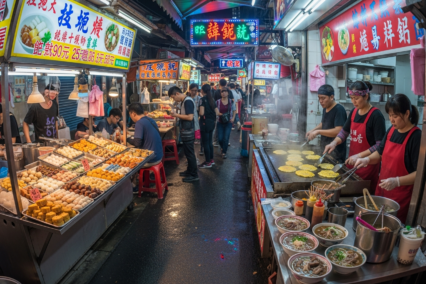
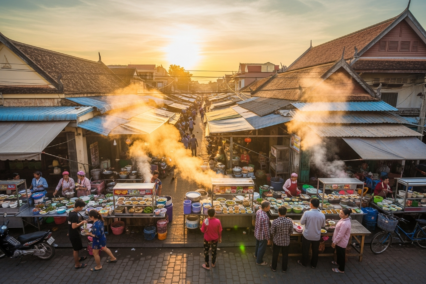
Nepali food is not just about the main meals. There is also a fun and social part that comes out in the late afternoon. This is when people enjoy snacks, or “khaja.” As the workday starts to end, the streets get busy. You can hear oil sizzling and see steam rising from dumpling baskets.
Snack time is not just about eating. It is a time when people come together. People stop at stalls to eat momos, snacks, fritters, and dishes like bara. They talk, laugh, and share these treats. It is a good moment to relax before going home for dinner.
Types of Snacks Enjoyed Throughout the Day
The world of Nepali snacks is full of flavor. There are many different tastes you can enjoy between meals. From salty to sweet, these snacks are an important part of Nepali food. You can see lots of street vendors in Kathmandu and other places selling these tasty snacks.
People usually eat these snacks while standing, often sharing with friends. They bring energy and a lot of taste, filling the time between a big lunch and a lighter dinner. Many people who visit fall in love with Nepali cuisine during these small snack times.
Here are some popular snacks:
-
Momos: These are steamed or fried dumplings. They are a top favorite in the country.
-
Samosas: These are fried snacks with spicy potatoes inside.
-
Chatpate: This is a spicy and tangy mix made from puffed rice, noodles, potatoes, and spices.
-
Bara: These are pancakes or fritters made from lentils.
-
Sel Roti: This snack is a little sweet and made from rice flour, shaped like a ring.
-
Yomari: These are rice flour dumplings filled with something sweet and steamed.
Snacks like sel roti and yomari show how much people love rice flour in the Kathmandu Valley. All these bites make Nepali snacks something to remember.
Timing and Social Occasions for Snacking
The best time to enjoy snacks in Nepal is late in the day, from 4:00 to 5:00 PM. Schools finish and people leave their offices around this time. There is a fun feeling of hunger, and the streets turn into a busy café. Many people gather at food stalls to try their favorite snacks.
Eating snacks in the afternoon is not just about food. It is also a time to meet friends and relax after work or school. The moment feels lively, and the talk is easy. Snacks are different from big meals. There is no strict plan, and people often eat them when they feel like it.
This time is popular for snacks, but people in Nepal like to enjoy snacks at other times too. Social events or festival days are also great moments to share snacks. The food habits in Nepal are relaxed, and people love sharing momos or having a hot samosa together, no matter what time it is.
Festivals and Special Occasion Meal Schedules
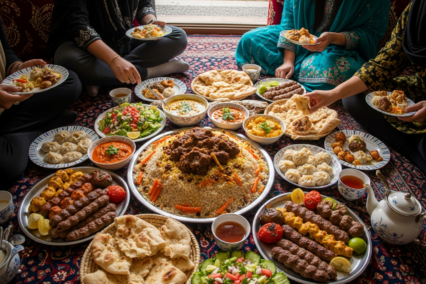
During festivals and special days in Nepal, normal meal times are not followed. Instead, food becomes the most important part of the day. Kitchens are busy with people, new smells, and meals made just for these events. There is a lot to eat, and people focus on giving, sharing, and keeping old traditions alive.
Meal times are not about just eating to keep working. These times are about being happy and thankful. The food is more special, and people eat with not only the family, but also with many friends and the community. Nepali cuisine really stands out at these celebrations and meals, letting everyone see the full mix of taste and culture in the food of Nepal.
Changes During Holidays and Celebrations
When a festival comes, the usual nepali meal times change. People do not just have a big lunch and a simple dinner. The whole day turns into a celebration with food. There are special dishes that you do not see every day on the table. Eating goes on all day.
Nepali people like to host big feasts at this time. This kind of feast is called a “bhoj.” Family and friends come together and eat. There is no set time for eating. Food keeps coming out, and people eat whenever they gather. It is a time for sharing, and homes open up so that everyone can enjoy some of the best nepali food.
This change in how and when people eat shows how important festivals are to nepali food culture. Festivals are a time for people to remember old ways, show thanks, and feel close to each other with good food. There are no strict meal times during these days. The celebration makes its own rules for the day.
Unique Cultural Foods Served at Festivals
Festivals are a time when people get to try special foods that have a special place in Nepali cuisine. Each dish brings a story about seasons, family, and saying thanks. Most of these foods are cooked only for big celebrations. This makes them a awaited treat in the year.
A well-known food for festivals is yomari. It is a soft dumpling made from rice flour and shaped like a fish. The inside has a sweet mix of molasses and sesame seeds. People enjoy it most during the Yomari Punhi festival, which comes at the end of the rice harvest.
Here are some other festival foods people love:
-
Yomari: Dumplings made from sweet rice flour.
-
Sel Roti: Deep-fried bread from rice flour that is important for festivals such as Tihar. Some people just call it sel.
-
Juju Dhau: This is called the “king yogurt” of Bhaktapur. It is thick and sweet, made from buffalo milk.
-
Samay Baji: This Newari meal comes with beaten rice and many side dishes.
-
Various Sweets (Mithai): People share these sweets in many colors during the celebrations.
All these foods and their side dishes show the rich and tasty world of Nepali cuisine, especially during festival time.
Cultural Significance of Meal Timing
Meal times in Nepal have a deep cultural meaning. People do not just focus on when they eat but also think about how food is part of everyday life, work, and in their groups. The meal times come from old farming habits in Nepal. Many people needed food for energy when working, so the big meal at midday is important.
In Nepali households, people often eat together. This is special for families and helps them feel close. People take their time at meals and share food. This means that for them, being together and feeling connected is more important than just being fast. That is why meal times are a big part of Nepali food culture.
Regional and Family Traditions
Nepali meal times can change from place to place. What people eat and when depends on their region and family habits. In the high Himalayan region, meals are made to fit the cold weather and hard jobs like herding or trekking. People there eat energy-rich foods more often.
Family customs are a big part of nepali food culture. Each home has its own routine. It comes from their old ways passed down to them. Some families have a set time for afternoon tea. Others have special recipes they like to make. These small things play a big part in what makes nepali food special.
In the end, these changes show the nepali culture is both flexible and personal. Where you are — in a busy city or in a quiet mountain village — does not matter. There is always one core value. Food helps you nourish the body and brings family and community together.
Comparisons with Western Meal Schedules
The way meals are planned in Nepal is very different from what you see in a lot of Western places. The big thing that stands out is when people eat their main meal and why it matters so much. In the West, families sit down for dinner as the main meal after work or school. In Nepal, lunch is the most important meal.
This key change makes daily life and food habits in Nepal look and feel different. When you look at nepali cuisine, you see lunch gives people more energy for the day, while dinner is smaller and lighter. In the West, lunch often is not a big meal, and people like to snack more throughout the day.
Here are some ways these meal rules are different:
-
Main Meal: Lunch is the main meal in Nepal. In the West, dinner is the main meal.
-
Breakfast: Nepal has a light and late breakfast. The West likes a more full meal in the morning.
-
Dinner: Dinner in Nepal is lighter. In the West, it is the heaviest meal.
-
Snacking: Nepal has a special afternoon snack time with people together. In the West, people snack by themselves anytime.
-
Pace: Meals are slow and shared with others in Nepal. In the West, meals are often fast and people eat alone.
Nepal’s cuisine gives shape to its daily life and food habits as people make lunch the main focus. This is a big change from the way the West
Conclusion
In short, knowing about meal times in Nepal helps you see more of nepali culture. A hearty breakfast often starts the day, with lunch and dinner usually shared with family or friends. Each meal time is special and shaped by where people live and how they eat in Nepal. Snacks and light meals are also part of the routine and add something good to each day. Festivals bring even more unique traditions to nepali cuisine. By learning about these meal times and the way food is served, you get to know nepali culture much better. If you want to find out more about nepali cuisine or plan a trip, you can reach out for help or a consultation.
Frequently Asked Questions
Are meal times different in urban vs rural parts of Nepal?
Yes, there can be small differences in meal times. In the countryside, people often have their meals based on the sun and farm work. Dinner is usually earlier. In the city, life is busy and fast. People often eat dinner later at night, after they finish work and the drive home.
Do Nepali people follow a set meal schedule during festivals?
During festivals, Nepali people do not stick to their normal meal times. Instead, they eat in a more relaxed and happy way. There is a lot of food, and special dishes come out all day. People are not worried about eating at a certain time. The focus is on sharing meals with family and friends and enjoying the celebration with plenty of food.
Is snacking common between main meals in Nepal?
Snacking is a big part of daily life in Nepal. In the late afternoon, people in Nepali households come together for “khaja.” They eat street foods like momos or samosas. This snack time helps bridge the gap between lunch and dinner.