Key Highlights
-
Check out the daily flow of moroccan cuisine, where you start with a light breakfast and finish with a big dinner later at night.
-
You should know that when it comes to moroccan meal times, it is about more than just food. it is also a social event filled with moroccan hospitality and old traditions.
-
In moroccan food, lunch is the main meal. It often includes tagine or couscous, and is usually eaten from 12 PM to 3 PM.
-
Get to know how afternoon mint tea is more than just a drink; it is a special part of moroccan hospitality that brings people together.
-
Dinner usually comes after 8 PM, and it is when family sits together to share the meal and good time.
-
Find out about important dining etiquette in moroccan cuisine, like using your right hand when you eat, so you can really enjoy the taste and feel the hospitality.
Introduction
Welcome to the tasty world of Moroccan cuisine. Morocco is known for tagines and couscous, but there is much more to enjoy. The country has many flavors and recipes that show its traditions. To really enjoy it, you need to know about the way people eat.
From the first sip of sweet mint tea in the morning to the last bite of dinner, meal time in Morocco is not just about food. It is about coming together. It is about showing hospitality and slowing down. People take time to enjoy each other’s company and the food. This is what makes Moroccan cuisine and eating in Morocco so special.
Overview of Moroccan Meal Times
In Morocco, people have meal times that are set but not rushed. Most Moroccans start their day with a small breakfast. Lunch comes next and is usually the biggest meal of the day. Later in the day, there is an afternoon tea break that many enjoy, then dinner is served late in the evening.
This way of eating lets people slow down and spend time with each other. Breakfast usually happens from early morning up to about 10 AM. Lunch is often between 12 PM and 3 PM. Dinner mostly starts after 8 PM. Knowing this can help you fit in with the daily way people eat in Morocco. It is good for getting the real taste of Moroccan food and the lifestyle of Moroccans.
Daily Rhythm of Eating in Morocco
The daily eating rhythm in Morocco shows a lot about the culture. People start the day with a simple breakfast. They often have fresh bread with jam or olive oil. Moroccan mint tea is always there. This light meal is just the beginning, leading to lunch, the main event of the day.
Moroccans eat lunch from around noon to 3 PM on weekdays. Lunch is their biggest meal. It can be a slow-cooked tagine or lots of couscous, especially on Fridays. People take this time to step away from work and share some great food.
Dinner happens later in the evening and is lighter. In Morocco, it’s important to eat food with your right hand. The left hand is not used for eating. This etiquette, along with set meal times, is a key part of life in Morocco.
Cultural Importance of Scheduled Meals
In Morocco, having planned meals is more than just a daily habit. This is a big part of life and shows true Moroccan hospitality. When family or friends gather for a meal, it is a special moment to be together. The host will start by saying “Bismillah” (in the name of Allah). This tells everyone to begin eating.
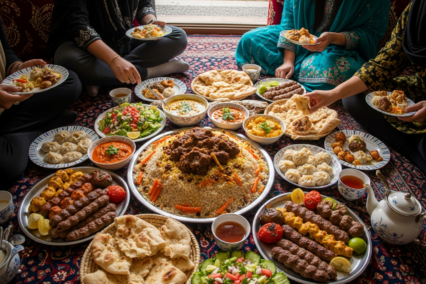
A typical Moroccan meal is for sharing. Most dishes are put in the center of the table. Then, everyone eats from these shared plates. This way of eating helps people feel close to each other and shows real hospitality. You will notice the smell of spices in the air, whether you are in a home or in a restaurant in the medina. These smells are also a great part of the meal.
While it is good to be there on time, people in Morocco are often not strict about when meals start. It is common to show up a little late for a meal. Still, it is best not to be too late, since the host will likely have the food ready at a certain time. Most of all, it is about coming together to enjoy Moroccan food and spend good time with others.
Traditional Moroccan Breakfast
A classic Moroccan breakfast brings together different tastes and feels. The meal usually has fresh bread, like khobz or msemen. People eat it with spreads, such as olive oil with spices or honey. Drinking Moroccan mint tea is a big part of the morning. It gives warmth and shows hospitality. Fresh fruits, such as figs or oranges, are also served. The breakfast is about sharing time and food with family and friends. It lets them enjoy traditional Moroccan cuisine together.
Typical Breakfast Foods and Beverages
Breakfast in Morocco is a real treat and has many tasty dishes and drinks. You will find fresh bread on the table, usually with a little olive oil or honey. People also love having Moroccan pancakes, known as baghrir. These pancakes are soft and light, and they taste great with some syrup on top.
No Moroccan morning is complete without a glass of mint tea. This Moroccan mint tea is famous and is often served in nice glasses. It goes well with fresh orange juice.
A bowl of fava beans with spices is also a good choice if you want something healthy. With all these foods—fresh bread, Moroccan pancakes, mint tea, orange juice, seasoned fava beans, and sweet honey—breakfast in Morocco is full of flavor and sure to make you want more.
Usual Breakfast Hours in Morocco
Breakfast in Morocco usually happens between 7 and 10 AM. The time can change, though, depending on the place. In busy tourist areas like Marrakech and Casablanca, the smell of fresh bread and pastries fills the air early on. This draws people from the area and visitors. Many Moroccan families eat breakfast together. This shows how important community and hospitality are in Morocco. As the day goes on, people often drink mint tea and try a mix of tasty dishes. It is the way to start the day with the rich traditions of moroccan cuisine.
Moroccan Lunch Rituals
Lunch in Morocco is more than just a time to eat. It is a bright moment for people to come together. You will often see tables with tagine. This dish stands out in moroccan cuisine—full of chunks of meat, vegetables, and lots of spices. The meal is about enjoying traditional moroccan cuisine with family and friends, and shows real moroccan hospitality.
People in morocco usually have lunch between 1 PM and 3 PM. This gives everyone enough time to sit down and really enjoy what is on the table. You will get fresh moroccan bread and also pastries. These add even more flavor to the meal and make the whole experience special. Every day, lunch is a “come together” time that brings out the best of moroccan hospitality.
Popular Lunchtime Dishes
In Morocco, lunchtime is a good time to try the best of moroccan cuisine. The tagine is a stew cooked slow with chunks of meat and spices like cumin and coriander. Couscous is also served often. It is made from semolina and goes well with vegetables and herbs.
Pastries with almonds or figs give you something sweet at the end of the meal. Olives topped with olive oil bring a salty taste, making all the flavors come together.
Common Lunch Hours for Moroccans
Lunch in Morocco usually happens between 1 PM and 3 PM. It is not only about food. It is a time when family and friends get together. People in Morocco show their hospitality during this meal. You get to enjoy dishes from Moroccan cuisine with those you care about. When the weather is hot, lunch can be a bit later. This gives everyone more time to relax.
People like to take it slow. They might drink mint tea or another cool beverage, enjoying each moment. In Morocco, lunchtime is about good food, good company, and welcoming hospitality.
The Moroccan Tea Time Tradition
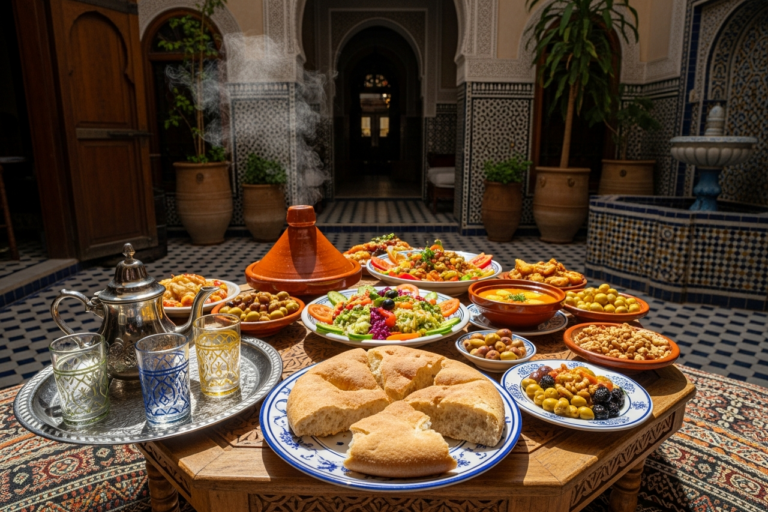
In Morocco, tea time is much more than a break. It is a deep-rooted part of culture and hospitality. People often call Moroccan mint tea “Berber whiskey.” It is a sweet drink with green tea, mint leaves, and a good amount of sugar.
Moroccan mint tea is a sign of friendship. It is served to guests in homes, shops, and riads. This tea time gives people a chance to sit together, talk, and enjoy life. The way the tea is poured, from up high, is a special skill and adds to the moment.
Significance of Afternoon Tea
Afternoon tea in Morocco shows true hospitality and good manners. When someone offers you Moroccan mint tea, they want to welcome you. It’s a tradition to say yes. If you refuse, it may be taken as rude. The tea is often very sweet, made from green tea and a big bunch of fresh mint leaves.
Making and serving the tea is more than just a chore. The host will usually pour the tea from high up into small glasses. This way, air mixes in, so the tea gets a frothy top and cools off a bit. This step is important to people, whether you are sitting in a busy medina café or a calm home.
During this tea ritual, people talk and connect. It’s a time to take a break and enjoy the day with each other. Sometimes, mint tea comes with snacks like almonds or nuts. It’s a nice way to refresh and share moments together.
Snacks and Sweets Typically Served
The Moroccan tea ritual gets even better with a nice selection of pastries and snacks. These tasty treats make the cup of tea feel like a small meal. It is just right for holding you over until dinner.
You can see many types of goodies on the table. There are simple nuts and dried figs, and there are also fancy, handmade sweets. The pastries change by region and season. But they are always made with a lot of care. The selection of pastries shows off how good Moroccan bakers are. The flavors you get will be from honey, almonds, and orange blossom water.
So, what are the things you may see beside your tea?
-
Cornes de gazelle: Crescent cookies filled with almond paste.
-
Chebakia: Flower cookies fried with honey and covered in sesame seeds.
-
A selection of pastries: This includes many cookies and sweets, often made with almonds and honey.
-
Dried fruits and nuts: Like dates, figs, and almonds.
Evening Meal: Moroccan Dinner
As night comes in Morocco, dinner is the main time for people to get together. But it is usually not as heavy as lunch. Family sits down to eat and talk about their day. Dinner often starts late, after 8 PM.
Moroccan food for dinner shows the great flavors in moroccan cuisine. You might get tagine with lamb or a good stew. There can be grilled meats, too. The smell of spices fills the air and makes the meal feel warm and nice. Dinner is a cozy part of moroccan food culture.
What’s on the Dinner Table in Morocco
A typical Moroccan dinner table brings together many tastes and textures. It is a good meal, though usually lighter than lunch. Dinner is still important, especially if the family is hosting people. The meal almost always starts with different salads and some fresh bread.
The main course is a big part of moroccan food. It might be a tagine, which is a stew slow-cooked in a cone-shaped pot, or other dishes that are roasted or grilled. The use of spices such as cumin, turmeric, and ginger is key. They help give that deep flavor people like in typical moroccan food.
Here’s what you may see on a Moroccan dinner table:
-
A variety of cooked salads: These are served first.
-
Tagine: A stew with meat like lamb or chicken. There can be a vegetarian stew as well.
-
Mechoui: This is lamb that cooks slow until it gets really tender.
-
Fresh bread (khobz): People use it to pick up sauces and stews.
-
Olives: These are common and often served with herbs and olive oil.
Timing and Atmosphere of Moroccan Dinners
In Morocco, people have dinner late at night. Families often sit down to eat around 8 PM or even later. During the warmer months, they wait for the heat to go down before they have their meal. This helps make the diner feel calm and slow.
Moroccan dinners are full of warmth and joy. Everyone comes together as a family. They share plates of food and have fun talking to each other. No matter if it’s a simple meal or a big gathering, they focus on being together and enjoying the food in good company.
At dinner, a few customs are important. People use their right hand to eat, and they share dishes with everyone at the table. On Fridays, couscous can show up for dinner, but usually, it is eaten for lunch. The feeling is all about hospitality and family love. Dinner in Morocco is a time they value and look forward to each day.
Restaurants and Dining Out in Morocco
Dining out in Morocco is like going on a fun trip. You will find places with fancy food and small spots hidden in the medina. There are many kinds of moroccan food to try. When you walk into a restaurant, a waiter will take you to your seat and give you the menu.
The waiter may not come back right away. That is normal. People take their time when they eat. Just let the waiter know when you are set to order. Going out to eat is a great way to try different moroccan food and be part of the lively feel of morocco.
Restaurant Opening Hours vs. Meal Times
When dining out in Morocco, you’ll find that restaurant opening hours generally align with the traditional meal times of the local population. However, establishments in tourist-heavy areas may offer more flexible hours to accommodate visitors from different time zones.
Most restaurants serving lunch will open around noon and stay open until 3 or 4 PM. For dinner, service typically starts around 7 PM and can go late into the evening, especially in larger cities and during the summer. It’s always a good idea to check the specific opening hours of a restaurant you want to visit, particularly if it’s a smaller spot in a medina.
Here is a general guide to restaurant service times, though they can vary:
|
Meal |
Typical Service Times |
Notes |
|---|---|---|
|
Breakfast |
7:00 AM – 11:00 AM |
Many cafes and hotels serve breakfast. |
|
Lunch |
12:00 PM – 3:00 PM |
This is the main meal; many places are busy. |
|
Dinner |
7:00 PM – 11:00 PM |
Service starts later than in many Western countries. |
Tips for Travelers Dining Out
Dining out in Morocco can really be one of the highlights of your trip. To get the most out of it, it helps to know a bit about the local customs and basic etiquette. The pace at restaurants can be slow, so you should relax and not rush things. Take your time to enjoy the setting.
One big thing to know about service is what the waiter does. In many Morocco restaurants, the waiter may show you to your seat and give you the menu. Then, he will leave you alone to look over your choices. This is not bad service. It’s a form of respect, letting you decide what you want without being in a hurry or interrupted. If you want to order or get the bill, you have to signal the waiter yourself. Also, people in Morocco usually give a tip—it’s normal to leave around 10% of the total.
Here are a few more tips for your meal:
-
Learn a few words: It’s good to know a bit of French or Arabic. Try simple things like “please” and “thank you.” This small step will be appreciated and shows respect for Moroccan hospitality.
-
Be patient: Service here is often relaxed, but people are friendly. Enjoy the ambiance and the way Moroccan hospitality makes you feel welcome.
-
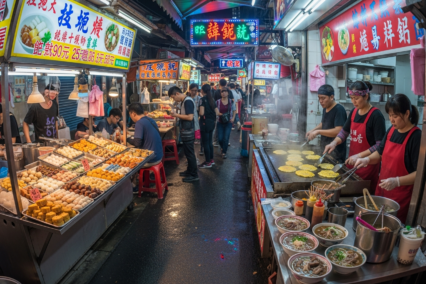
Try street food: If you want a good option for real moroccan cuisine, stall food in the medina is a great way to get it. Busy places are often the best choice.
*
Special Considerations for Meal Times
There is a common way that people in Morocco eat their meals, but you should know there can be some things that change this. The time people have food and their eating customs can change based on where you are in the country and what time of year it is.
Life in big, crowded cities is not the same as life in the calm, quiet villages. This change in pace can make people eat at different times. Also, important religious times like Ramadan change the way days go. This includes when people have Moroccan food.
Meal Timing Differences: Urban vs. Rural Areas
In Morocco, you can see that meal times are not the same in big cities or small towns. The pace of life in cities like Casablanca and Marrakech is fast, but eating together with family and friends is still very important. People in these cities often have dinner later, especially those who live in busy areas.
In rural parts of Morocco, life moves along with the sun and farming. Meals, like dinner, are usually eaten earlier. People there start their days early and end them sooner as well.
Even though meal times can change from place to place, some things stay the same all over Morocco. Everyone values eating with others, using fresh food, and showing kindness and hospitality—whether you are in a fancy restaurant in Marrakech or at a home in the Atlas Mountains.
Changes in Meal Routine During Ramadan
The holy month of Ramadan changes daily life in Morocco. Meal times are also changed. People who follow Ramadan do not eat or drink from sunrise to sunset. Breakfast and lunch are not eaten on these days.
The fast ends at sunset. People eat a meal called “iftar” at this time. This meal is a happy event. Families and friends come together. Iftar often starts with dates and water. Then, there are soups. Pastries like chebakia and other dishes are served. Restaurants that are closed during the day open at night to serve iftar.
Before sunrise, a meal called “suhoor” is eaten. It helps to give people energy for the day ahead. If you visit Morocco during Ramadan, you need to be mindful and kind. Do not eat or drink in public during the day. Plan ahead. Keep snacks with you or eat in your hotel. You may also want to join locals for a special iftar meal in the evening.
Conclusion
To sum up, knowing the meal times in Morocco helps you feel the real culture and hospitality. Every meal, from a slow breakfast to a dinner with others, shows what Moroccan hospitality is about. If you follow the customs and eat at the right time, you get more out of your meal and see the warmth in Moroccan life. As you try Moroccan dishes or sip afternoon tea, each meal gives you a chance to make good memories. Get ready to enjoy the flavors of Morocco and what this country has to offer. If you want more tips about food during your trip, feel free to ask.
Frequently Asked Questions
Are there special customs to follow at Moroccan meal times?
Yes, there are some rules to follow. One big rule of etiquette is to eat with your right hand, especially when you share food with others in a communal dish. In Morocco, it is good manners to accept offers of food and tea. This way, you show respect for Moroccan hospitality. When you say nice things about the food, your host feels good.
Do meal times in Morocco vary between weekdays and weekends?
Meal times are usually the same each day. But weekend lunches, mainly on Fridays, can be bigger and last longer. Friday is when many moroccans eat couscous. Families often sit down together for a big and relaxed lunch. Moroccans love this meal because it lets them take their time and be with family, sharing couscous and good moments.
What should travelers expect regarding breakfast times in Moroccan hotels or riads?
In many hotels and riads in Morocco, breakfast is given at a time that works for you, usually between 7:30 AM and 10:30 AM. You will find Moroccan bread, pastries, jams, and hot drinks like fresh coffee or mint tea in the morning. This way, you can start your day with some mint, sweet food, and a nice drink.