Key Highlights
-
People in Kuwait eat a late breakfast, then lunch in the afternoon, and have dinner late at night.
-
Most eat three main meals each day. Snacking is also common.
-
Hospitality and etiquette are very important in Kuwaiti dining, mainly when families come together.
-
It helps to know about local dietary habits and the reasons for meal timing in Kuwait.
-
Meal patterns often change a lot during Ramadan or on weekends. They can be different from days in the week.
-
Research about nutrition surveillance in the Middle East finds that not having regular meal timing may help cause noncommunicable diseases.
Introduction
Welcome to the tasty world of Kuwait! If you come here or just want to know more about the country, learning about their food is a great start. To know the people of Kuwait, you have to look at more than what they eat. It is important to see when people in Kuwait eat their meals. Meal timing is an important part of every day and shows how old custom, friend’s time, and new ways all come together. This guide will show you how people in Kuwait eat and their meal times. You will get a look at day-to-day life, meal timing, dietary habits, and what makes this place special.
Typical Meal Times in Kuwait
In Kuwait, people eat meals at different times than many do in Western countries. The day is shaped around three main meals, but these meals happen later. This fits the lifestyle in the Middle East.
National nutrition surveillance system data tells us more about how meal timing works. Breakfast comes in late morning. Lunch happens in the mid-to-late afternoon. Dinner is often a social event, held late at night. We will go into the exact time for each meal soon.
Breakfast Traditions and Timing
Breakfast in Kuwait is not eaten very early. Most people eat the first meal a bit later, between 9:00 AM and 11:00 AM. The mornings are slower, and the nights go late, so the day starts at a different time for many.
This meal plays a big role in the dietary habits of people in Kuwait. During the workweek, breakfast can be fast and simple. On weekends, when families can come together, breakfast is often a bigger meal. People take their time to eat and talk.
The timing of breakfast helps set the meal timing for the whole day. This is the first meal that shapes how people in Kuwait plan their day around food, family, and spending time together. It shows that being together and following these habits are important parts of life in Kuwait.
Lunch Customs and Popular Hours
Lunch is the main meal of the day for many Kuwaiti families. It is usually served in the afternoon and much later than lunch in most other places. Most families eat lunch between 2:00 PM and 4:00 PM.
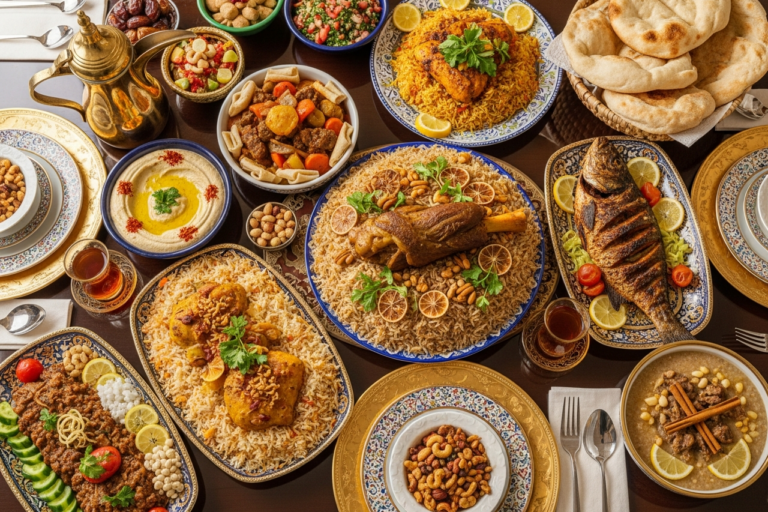
This meal is often big and shared with everyone at home. It is a way for people to catch up after school and work. Meal frequency in Kuwait is built around this important gathering. Nutrition surveillance often looks at lunch as it tells us a lot about daily calories. Popular lunch dishes are:
-
Machboos (rice with meat or chicken)
-
Various stews (Maraq)
-
Grilled fish
Eating lunch at this time lets people take a good break during the hottest part of the day. Families usually rest after lunch, then get ready for the evening.
Dinner Habits and Evening Meals
Dinner in Kuwait usually happens late in the day. People often eat a big lunch, so the meal at night is lighter and starts later, often between 8:00 PM and 10:00 PM or even after that. This is even more common during weekends. The dinner in Kuwait is mostly a social time and not a formal or heavy meal.
The meal timing and dietary habits for dinner are changing now. In the past, the evening meal was lighter, but these days it can be bigger for some people, especially when they go out to eat. These changes in what and when people eat are being studied because there are more health problems like ncds now.
For many Kuwaiti families, dinner is still a chance for everyone to get together, share some snacks or have a small meal, and talk. Eating late fits with the way people in Kuwait like to socialize and relax in the evening.
Frequency and Number of Meals Per Day
In a Kuwaiti home, people usually have three main meals each day. These are breakfast, lunch, and dinner. But, people also like to snack between meals. So, snacks are common and part of daily food habits.
This way of eating is key for nutrition surveillance. The timing and number of meals can change your health. Many studies in the region look at how meal frequency and snacking lead to the development of noncommunicable diseases. This makes it an important subject for both health experts and the public. Now, let’s take a closer look at how many meals people eat and the snacking tradition in Kuwait.
Standard Kuwaiti Meal Count
Most Kuwaitis adhere to a three-meal-a-day structure. This schedule, however, is punctuated by the intake of snacks and beverages like tea and coffee throughout the day, increasing the overall meal frequency. This pattern is deeply rooted in the social fabric of the country.
National nutrition surveillance system data confirms this standard, but also highlights variations based on age, lifestyle, and work schedules. These variations are important for health experts to understand, as irregular eating patterns are sometimes linked to NCDs. The typical structure provides a rhythm to the day for most Kuwaiti families.
Here is a simple breakdown of the standard meal count and general timing:
|
Meal |
General Timing |
|---|---|
|
Breakfast |
9:00 AM – 11:00 AM |
|
Lunch |
2:00 PM – 4:00 PM |
|
Dinner |
8:00 PM – 10:00 PM |
Snacks and Late-Night Eating Culture
Yes, snacking and late-night eating are a big part of life in Kuwait. There are many long evenings and people there often eat dinner late. That is why many like to have snacks at night. It is normal for friends and families to sit together, drink tea, have coffee, and eat sweets at night.
You can see this way of eating in the local food scene. Many cafes, dessert shops, and restaurants stay open late. There are now many food delivery apps, too. These let you order late-night snacks right to your door. Some even offer special menus and downloads for easier ordering. The most popular late-night food includes:
-
Sweets and pastries
-
Shawarma and other quick bites
This night eating is seen as a fun social event. But it can be hard for their dietary habits when it comes to being healthy in today’s world.
Social Traditions and Etiquette Around Meal Timing
In Kuwaiti culture, having a meal is about hospitality and bringing people together. The timing of when someone invites you to eat is important. Saying yes shows respect. Saying no to food might feel like you are not accepting their kindness.
There is special etiquette in a meal. People use only the right hand when eating. Meal timing and these habits make eating with others in Kuwait feel warm and full of meaning. Let’s see how these traditions happen at family gatherings and when eating out in public.
Family Gatherings and Celebratory Meals
Family get-togethers are a big part of life in Kuwait. Food is at the heart of these events. Most people meet up for a big late lunch on Friday or Saturday, or sometimes for dinner in the evening. Evening dinners usually start late and last for hours.
Hospitality is one of the most important things with these meals. The meal timing is not strict. Getting together is more about spending time with people before eating. Guests get served first. It is good manners to take what they give you. The way the meal happens follows social rules about respect and being generous.
-
Fridays and Saturdays are the best days for big family lunches.
-
Calls at night often have snacks or a light dinner.
These special meals help people keep family close and carry on kuwaiti traditions. Meal timing, hospitality, and etiquette are all important parts that make food bring everyone together.
Restaurant Hours and Local Dining Patterns
Restaurants in Kuwait set their hours to match how people eat in the country. Many places open later in the day. They stay open very late at night because that is when a lot of people like to eat. Lunch does not start to get busy until 2:00 PM. The dinner rush usually gets going after 9:00 PM.
This change in hours comes from the special meal timing and dietary habits that are common in Kuwait. It shows how business can change to meet what people want. Restaurant hours fit with when most people want to go out for a meal. Many people in Kuwait enjoy their evening meals together with family or friends.
-
Lunch specials might run from 1:00 PM to 4:00 PM.
-
Dinner service is busiest from 9:00 PM until midnight or later.
So, if you want to eat out in Kuwait, do not be surprised if restaurants stay open late. It’s just part of how things go in the local food scene. It is also a good way to see how meal timing and dietary habits shape life in Kuwait.
Effects of Ramadan and Weekends on Meal Timing
In Kuwait, people usually change their meal timing during special times like Ramadan and weekends. In the month of Ramadan, the whole day changes because people fast from sunrise to sunset.
On weekends, people also eat their meals later and take more time to enjoy them. This is much different from the routine people follow on weekdays. These changes show how meal timing in Kuwait can be different based on the time and occasion. Now, let’s look at these differences in meal timing more closely.
Fasting Practices and Iftar Timing
During Ramadan, life in Kuwait changes a lot. The timing of meals shifts. Muslims in the country do not eat or drink from sunrise to sunset. This fast affects the way people eat through the day.
The fast is ended with Iftar at sunset. Iftar is more than a meal. It is a time for families and friends to gather. Its time matches with the sunset prayer. After Iftar, some people will have Suhoor right before dawn. This helps them prepare for the next day without food or drink.
This change in meal timing at Ramadan is part of both the culture and the religion. Because of these changes, health officials give advice about how to keep a good diet and avoid issues. The new eating pattern can cause trouble for some people, especially those with NCDs in Kuwait.
Weekend vs. Weekday Meal Schedules
Yes, meal times in Kuwait are definitely different on weekends compared to weekdays. The work and school week, typically Sunday through Thursday, imposes a more structured, albeit still late, schedule. Meals might be quicker and more functional.
The weekend, which is Friday and Saturday in Kuwait, brings a more relaxed and social approach to eating. Meal timing becomes more flexible and is often later than on a weekday. Lunches are larger and longer, and dinners can stretch late into the night as people socialize with family and friends. This shift is a key observation in nutrition surveillance studies examining lifestyle habits.
Here’s a comparison of potential meal schedules:
|
Meal |
Weekday Timing |
Weekend Timing |
|---|---|---|
|
Breakfast |
9:00 AM – 10:00 AM |
10:00 AM – 12:00 PM |
|
Lunch |
2:00 PM – 3:00 PM |
2:00 PM – 5:00 PM |
|
Dinner |
8:00 PM – 9:00 PM |
9:00 PM – 11:00 PM+ |
Influences and Trends in Kuwaiti Meal Timing
Meal timing in Kuwait comes from both old customs and the way people live now. The traditions are strong, but work life and new trends also shape when people eat. This mix brings about different dietary habits.
These changes in meal timing are good to look at, as they may have long-term effects on public health in Kuwait. Some people may even develop noncommunicable diseases because of these trends. By knowing more about these changes, we get a better idea of how dietary habits in Kuwait work and what the future may be like.
Cultural, Work, and Lifestyle Factors
A lot of things help shape when people eat meals in Kuwait. Most of all, culture is at the center. Family get-togethers and friendly social visits matter a lot. They make meal timing late in the day, so everyone can share food together.
The way people work also changes when they eat. Many jobs and offices close early in the afternoon. Because of that, families often have their biggest meal, lunch, later in the day. The way people live has changed for the weather, too. In Kuwait, people and their friends spend more time outside in the evening, when it is not so hot.
-
The hot climate makes people rest during the middle of the day and do more in the evening.
-
Socializing is a big tradition in Kuwait. It usually happens during long meals at night.
All these things put together shape kuwaiti meal timing and dietary habits, showing how hospitality and life in kuwait shape the way people eat.
Changes in Recent Years
In Kuwait, how and when people eat their meals has been changing lately. There is still a lot of tradition in the way meals are timed, but things are not the same as before. The way people in the West eat is starting to show up here more, too. You can see this with the younger people and those who have come from other countries to live in Kuwait.
Another big change has to do with food delivery apps. People can now use downloads to get food brought to them at any time. Lots of apps run deals and this has made it easy for everyone to eat late at night or order whatever they want, when they want it. This means people try more kinds of food and often eat on their own schedules.
Nutrition surveillance programs keep an eye on all these shifts. They look at how often people snack, and what the main meal times are like now. These changes are important for people to understand the overall health in Kuwait and how new ways of meal timing could affect diet and well-being.
Conclusion
To sum up, learning about meal times in Kuwait helps you see the rich culture and customs people have here. Breakfast starts early, and meals can last late into the night. The time when you eat in Kuwait means a lot to the people. It shows how daily life, family, and friends all come together. Ramadan and weekend meal habits add extra meaning, as the way people eat with others brings them closer. Eating in Kuwait is not just about food, but also about being together with family and the community. You can learn a lot about kuwaiti life when you get to know these customs. If you want to try these traditions in kuwait or have some questions about dining in this place, just ask for more details!
Frequently Asked Questions
Are meals in Kuwait eaten at specific times, or do families vary?
Meal timing in Kuwait usually follows some common patterns. Still, each family may be different. Most people eat meals late, but things like work, school, and what people like can change when they eat. But one thing that does not change is how important meal etiquette and social dining are in Kuwaiti dietary habits.
Is it common to eat late at night or have midnight snacks in Kuwait?
Yes, in Kuwait, people eat late at night and enjoy snacks in the evening. This is a big part of meal timing and the usual dietary habits in the country. Many cafes and restaurants stay open late for people to eat and spend time together. It is a special part of the culture in Kuwait.
How does Ramadan impact daily meal timings in Kuwait?
Ramadan changes the way people eat in Kuwait. The fasting starts at dawn and ends at dusk. There are two main meals, which are Iftar at sunset and Suhoor before dawn. This change in meal timing is a big part of the month and affects daily life and health.