Key Highlights
-
Meal times in Kenya be breakfast, lunch, and dinner. These times can change in some places in the country.
-
Common breakfast foods in Kenya include tea with bread or mandazi. Lunch and dinner mostly have ugali, stews, and sukuma wiki.
-
In cities, meal times often depend on work hours. In rural areas, they go more with farm work and other jobs outside.
-
Tea time is a big part of life in Kenya. It shows how much they care about being good hosts in their food culture.
-
As life in places like Nairobi gets faster, meal schedules also change. People eat at different times now.
-
On special occasions and holidays, people use unique food traditions. They get together for big meals, and sometimes normal meal times change.
Introduction
Knowing when meals are served is important if you want to enjoy the rich culture in Kenya. The food of Kenya is a great way to explore east Africa. Each meal is not just about eating. It shows how people come together, follow tradition, and go about their day. In this guide, you will see how typical meal times look in big cities and in quiet country areas. This helps you know more about daily life in Kenya.
Typical Meal Times in Kenya
In Kenya, daily life is shaped around three main meals. These are breakfast, lunch, and supper, which some call dinner. Most Kenyans get up early and end their day with a filling meal at night. Breakfast is usually between 6 AM and 9 AM. People often eat lunch between noon and 2 PM. Supper starts after 7 PM.
The usual timings are not fixed rules. Life in Kenya is full of variety, so meal schedules often change with place and habit. In the city, food can be quick and on the go. In the countryside, families may relax and enjoy their supper, often with ugali. Every meal has its own way of being part of life for Kenyans.
Standard Breakfast Hours and Morning Foods
Breakfast in Kenya is an important part of the morning. Many Kenyans eat between 6 AM and 9 AM. The meal is often light but gives people the energy they need for the day. Some will head to an office, while others go to work on a farm. Most people start the day with chai. This is a hot tea that has milk and sugar.
Breakfast in Kenya is simple, but it helps people get ready for the morning. These are the main things you might see:
-
Mandazi: This is a deep-fried dough. It tastes like a doughnut, but it is not very sweet. Sometimes, the mandazi has coconut and cardamom in it.
-
Bread (Mkate): One slice of bread is often eaten with the morning tea.
-
Porridge: This is a warm and filling food. It is great when the weather is cold.
This meal helps Kenyans start the day strong. It prepares them for what comes next. Breakfast is also a calm time before the day gets busy.
Common Lunch Times and Midday Dishes
Lunch in Kenya usually happens between 12 PM and 2 PM. This time gives people a needed break in the middle of the day to rest and get energy. Lunch is bigger than breakfast and helps get you through the afternoon. People stop for lunch whether they are students, office workers, or out in the fields.
Lunch in Kenya uses staple foods. The meals are rich, filling, and tasty. You can find stews and starches that help you feel full and are good for you. Some favorites of the people in kenya for lunch are:
-
Ugali with Stew: This is a stiff porridge made from maize meal. People eat it with a savory stew. The stew can be meat or vegetables.
-
Githeri: This is a one-pot meal. The stew has beans and corn. Sometimes there is meat or potatoes in there, too.
-
Rice with Maharagwe: Here people have plain boiled rice with bean stew. The stew has onions and tomatoes in it.
With the main meal, there is often sukuma wiki (which is sautéed kale) or kachumbari, a fresh salsa with tomatoes and onions. Lunch is an important part of the day in Kenya. It keeps people going until evening.
Evening Dinner Routines and Popular Meals
Dinner, sometimes called supper in Kenya, is the main meal of the day. People usually eat dinner between 7 PM and 9 PM. The family comes together at this time to talk, relax, and eat good food. After the day’s work, school, or a safari, supper helps everyone wind down.
For the evening meal, there is often a mix of starch, protein, and vegetable. The dishes be filling and help people feel good. Some top meals for this time are:
-
Ugali with Sukuma Wiki and Stew: This is a famous mix in Kenya. Ugali and greens go with a tasty meat or veggie stew.
-
Nyama Choma: On special occasions, grilled goat and beef is a favorite. Many also have it for dinner, especially when eating out.
-
Chapati with a Hearty Stew: These soft flatbreads are great for scooping up beef or bean stew.
This meal is very important in Kenyan family life. It gives everyone a chance to be together and eat before ending the day.
Variations in Meal Times Across Kenyan Regions
Kenya has many different landscapes, and the same can be said about its food times and dishes. The time people eat and what they have on the table can change a lot from one place to the other. For example, people in the Swahili areas by the coast eat in a different way than those in the north who are mostly herders. This mix is one thing that makes food life in east Africa so interesting.
Life in Nairobi moves fast. Out in the villages, people live at a slower speed. Here, what you eat and when you eat depends a lot on local life. What food you can find, and the country’s history, help shape these eating habits. All together, this makes the way people eat in Kenya so lively and full of life. Now, we will take a closer look at these changes.
Differences Between Urban and Rural Eating Schedules
There is a clear difference in how people eat in places like Nairobi and in the countryside. In the city, the 9-to-5 workday shapes when people eat. Lunch is quick, and some people eat at their desks or in cafes nearby. Dinner often happens late, after a long trip home.
In rural areas, things are not as fast. People often follow the sun and the farming year. Families might sit together for a bigger lunch, as it’s the most important meal of the day. Dinner is simpler and happens earlier because their day starts early.
What people eat shows this split, too. Maize meal is found everywhere, but city people in Nairobi might have more types of food. They can find international cuisine and foods like chapatis. People in the countryside usually eat what they grow, so the meals are fresh and local. You see more ugali in rural diets, but chapatis show up more in the urban areas.
Mealtimes for Children and Family Life
For children in Kenya, meal times fit around the school day and daily life. Breakfast comes early, usually before 7 AM. This helps make sure kids eat and get ready for school to start the day in a good way. Lunch often happens at school, but some children will go home to eat around 1 PM.
The evening meal, called supper, is very important for families in Kenya. Parents and children come together for supper, which is about more than food. This is a special time when they talk, connect, and share what happened in their day. It helps make family bonds stronger.
Meal schedules can change depending on the parents’ work hours. Many parents try to arrange their day so they can have at least one meal with their children, mostly supper. On weekends or during special occasions, meal times can be more relaxed. This gives families a chance to have longer, happier times together.
Traditional and Modern Kenyan Meal Timetables
The meal timetable in Kenya has changed over time. In the past, mealtimes were linked to farm work and people living together as a group. Meals used to be simple and made with food that grew nearby. People would eat with their family or the whole community.
Now, daily life in Kenya is different, especially in cities and with people working jobs in offices. The fast pace of life has brought new ways of eating. People eat at different times, and the food might be different, too. The next sections will talk about how weekly meals in Kenya have changed. You will also see that special occasions in Kenya still keep old customs alive.
Weekly Patterns and Changing Lifestyles
Weekly meal patterns in Kenya have adapted significantly due to changing lifestyles. While the tradition of having a lot of meals centered around family remains, the structure has shifted. Weekdays in urban areas are fast-paced, with quicker lunches and dinners often scheduled around work and commutes. Weekends, however, offer a chance to slow down and enjoy more elaborate meals or social gatherings like a nyama choma barbecue.
This shift is a direct result of modern life. People working in cities have less time for a leisurely midday meal, a stark contrast to the traditional rural timetable. Below is a simplified look at how a weekly meal pattern might differ.
|
Day |
Traditional (Rural) |
Modern (Urban) |
|---|---|---|
|
Weekday |
Light breakfast, large midday lunch, simple supper. |
Quick breakfast, fast lunch, main supper late evening. |
|
Weekend |
More social meals, often involving extended family. |
Brunch, eating out, special home-cooked meals (e.g., chapati). |
Even with these changes, the evening supper remains a cherished time for family connection across both urban and rural settings. The essence of Kenyan hospitality continues, whether you’re on a city adventure or a classic safari.
Meal Times During Special Occasions and Holidays
During special occasions and holidays in Kenya, people do not stick to their regular meal schedules. This is a time when they come together, eat as a group, and enjoy the day. Meals can happen over many hours because it is more about the celebration than the clock. People like to share and give a lot.
The food during these special occasions is often big and full of color. It is better than what most people eat every day. There are dishes that you only see at these gatherings. These foods have rich spices and use more tasty things. You will see foods like:
-
Nyama Choma: This is grilled meat, usually goat, cooked in large pieces. It is the main dish at any big celebration.
-
Pilau: This is rice with a strong smell, cooked with spices. It often has chicken or other meat.
-
Mukimo/Irio: This is a famous Kikuyu dish. It is made by mashing potatoes, maize, peas, and greens together.
These events help people in the community come together. Friends and family cook, eat, and have a good time as a group. The main idea is to share joy and be good to others. This is why mealtime is such a big part of any Kenyan holiday.
Kenya
peas
spices
Foods Eaten at Different Meal Times in Kenya
The food in Kenya is as wide-ranging as the people. Each meal comes with special tastes and dishes. Some foods, like ugali, rice, and chapatis, are the base for many meals. What comes with these changes as the day goes on. Kenyan food uses things found nearby.
From breakfast to dinner, every meal is made to fill you up and feel good. You can get rich stews with meat or lentils and fresh veggie sides. Now, let’s see what foods you might find on the table in kenya at any time of day.
Typical Breakfast, Lunch, and Dinner Foods
Kenyan meals have a nice routine, with different foods for each time of day. Breakfast is usually light and helps you start your day with energy. Most people have chai (tea) and a simple snack with some starch, like mandazi or bread.
Lunch and dinner are bigger meals. They have a mix of carbs, protein, and veggies. Ugali is a staple and shows up a lot, but it is always served with other tasty foods. People use fresh, local things that make every meal feel special. You could eat:
-
Breakfast: Mandazi, porridge, or bread with milky tea.
-
Lunch: Githeri (a stew made with maize and beans), rice with bean stew, or ugali with a vegetable side.
-
Dinner: Ugali with sukuma wiki and a meat stew, chapati with stewed beef, or matoke (plantain stew).
You can see the feeling of Kenyan food in these meals. Simple parts come together to make dishes that fill you up and leave you looking forward to the next bite.
Snacks and Tea Time Traditions
In Kenya, people do not go long between meals without having tea and snacks. Tea, called chai, is a big part of life. Many have it not just for breakfast, but also around 10 AM and again at 4 PM. This “chai time” gives everyone a chance to take a break, catch up with friends, and feel rested.
Showing kindness and welcoming others is very important in Kenya. Offering a guest tea is something every host likes to do. Along with the tea, there is usually a little something to eat. Snacks are a big part of the day. You can find some that are sweet and some that are salty. Here are a few common snacks found in Kenya:
-
Samosas: Crispy snacks that are fried and filled with spicy meat or vegetables.
-
Mandazi: This is a soft, slightly sweet pastry. It is much like a doughnut and is perfect for any time.
-
Grilled Maize: Corn on the cob cooked over fire. It is known as a street food snack.
Snack time is not just about eating. It brings people together. This shows the warm and friendly spirit found all over Kenya.
Customs and Rituals Associated with Kenyan Mealtimes
Mealtimes in Kenya are full of customs and rituals that go past just the act of eating. In Kenya, food is about coming together, showing respect, and being welcoming. The way food is handed out and eaten helps show what people care about most in the country.
You will see people wash their hands before eating, share food from the same platter, and welcome even people they don’t know to join. All these habits are a big part of what mealtime means. In the next parts, we will look at why sharing meals is important and talk about how hospitality is a key part of life in Kenya.
Importance of Shared Meals
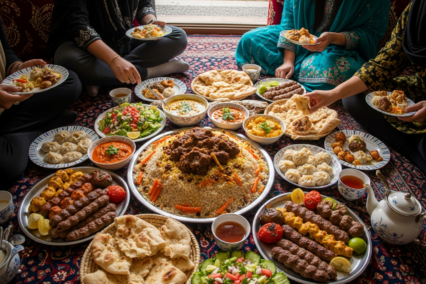
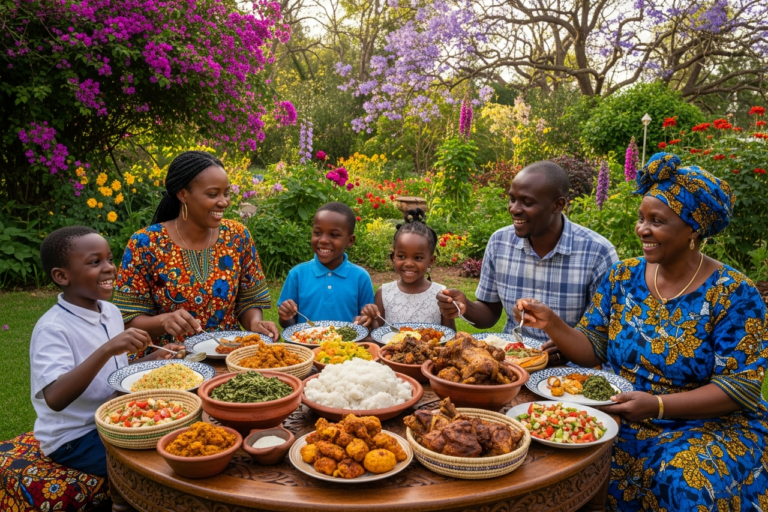
In Kenya, people show their sense of community by sharing food. It is the way family, friends, and even those you do not know can feel close. Supper at night is an important moment. Families use this time to sit together, talk, and feel like they have come back to each other after a long day.
Eating together is a big part of life in Kenya. Most times, the food is put on one large plate in the center. Everyone eats from this plate. Doing this, especially with foods like ugali, shows the feeling of unity. It makes everyone feel like they belong.
These meals are not just about eating. They help people build their relationships. They let people feel like they are part of something bigger. This habit makes the community strong. People support each other and live in harmony.
Role of Hospitality and Food Culture
Hospitality is the main part of Kenyan food culture. People take pride in having guests in their home. They see offering food as one of the best ways to show welcome and kindness. No matter if you come by surprise or expected, you will most likely get a meal or at least some tea.
People show their kindness in the way they serve their food. When you visit, they often make special meals, like nyama choma, a tasty stew, or pilau rice, to say thank you and make you feel at home. It is rude to say no when someone offers you food, because it means friendship.
This strong care for others makes sure no one goes hungry. It brings everyone together. Sharing whatever you have, even if it is not much, is part of everyday life for them.
Conclusion
In Kenya, meal times show a lot about the country’s food and customs. From breakfast in the morning to dinner at night, every meal uses different foods and follows certain ways people eat together. In cities and in the countryside, meals often bring people together and help build friendship and kindness. When you take in these traditions, you can make your meals better and feel closer to your family and friends. Learn more about Kenya and its cuisine by looking into its meal customs. You might even add some of these habits to your own life to get a taste of this lively culture.
Frequently Asked Questions
How have meal times in Kenya changed with modern lifestyles?
Modern life in Kenya, mostly in cities, makes people eat at different times now. The usual 9-to-5 job means that lunch is fast, and dinner happens later than it used to. Still, many families in Kenya like to eat dinner together. This family meal keeps the old customs alive, even as daily life changes.
Is tea time a significant part of daily meals in Kenya?
Tea time is important in Kenya. People call it “chai.” You will see that folks drink tea many times a day. They like to have it with snacks. It is a big part of showing good hospitality. It brings people together to talk, share news, and feel close. Many in Kenya use milk and sugar in their tea. Sometimes, they add spices too.
Are meal times different during holidays and special family gatherings?
Yes, during holidays and special occasions in Kenya, people do not stick to set meal times. Instead, everyone enjoys eating all day. The food culture comes out strong when big meals are made and shared with others. It’s not about what time it is. It’s about being together, celebrating with good food served across the day to mark the event.