Key Highlights
-
In Jordanian cuisine, most people eat lunch as the main meal of the day. They usually have it in the mid-afternoon.
-
When it comes to Jordanian food, there is a big focus on hospitality. People often have large social gatherings around meals.
-
Breakfast in Jordan is a light meal. Dinner is not very big and is served late at night.
-
Mealtimes can change in Jordan and might be more flexible than what people are used to in Western countries. This is even more true for those who eat with their family.
-
The national dish called Mansaf is an important part of the Jordanian cuisine experience.
-
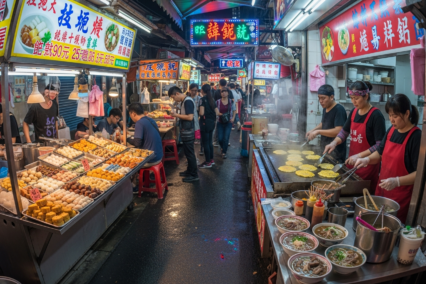
Many people also like to snack on street food, such as falafel and shawarma. Snacking on these is a popular part of daily life.
Introduction
Welcome to Jordan, where every meal is full of flavor. If you are going to travel to this part of the Middle East, you will find many foods to try. People in Jordan love food, and eating is a big part of their culture. To really enjoy Jordanian culture, you need to know about their mealtimes. Whether you join a small family for dinner or join in a big group feast, each Jordanian dish has a story behind it. These meals show tradition, kind acts, and a strong sense of community. Get ready to enjoy food in Jordan that is just as warm and welcoming as the country and the people you will meet.
Overview of Jordanian Meal Times
In Jordan, meals help shape how people spend their day. You will notice that the meal schedule is not the same as having three equal meals like in some other places. People often start the day with a light breakfast. Then, there is a big lunch, which is long and relaxed. Later, people have a small dinner, and they eat it late.
This way of eating is pretty normal for middle eastern countries. The main meal of the day is an important time. Families and friends get together to eat, talk, and enjoy the food. When you know about this meal schedule, you get to really be a part of life there and try tasty jordanian food the right way.
Breakfast, Lunch, and Dinner – Typical Hours
When you receive a Jordanian invitation to eat, the time of day can be a bit different from what you might expect. A Jordanian breakfast is usually a light affair, often eaten around 8 AM. It’s designed to be a simple start to the day.
The most significant shift comes with lunch, which is the main meal of the day. Don’t be surprised if you’re waiting until around 3:30 PM to eat this hearty meal. This later timing for the largest meal is a cultural norm. Dinner, consequently, is pushed later into the evening, often happening around 9 PM or even later. It’s typically a lighter meal, sometimes consisting of leftovers from lunch.
|
Meal |
Typical Time in Jordan |
|---|---|
|
Breakfast |
Around 8:00 AM |
|
Lunch (Main Meal) |
2:00 PM – 4:00 PM |
|
Dinner |
8:00 PM – 10:00 PM |
Regional Variations in Meal Schedules
There is a usual way people eat meals in Jordan, but the times you eat can change when you travel around. In busy places like Downtown Amman, life moves fast. People in the city may eat at different times, and restaurants often stay open longer. But a big lunch, eaten late in the day, is still important to many.
If you leave the city and spend time with a local family in Wadi Rum or travel near the Dead Sea, you will notice the daily meal plan feels more steady. These areas stick close to old habits, shaped by what people do each day such as work, looking after the home, school, or even taking a break in the afternoon.
Many people in the West eat lunch around noon and have dinner by 6 PM. In Jordan, the main meal usually happens later in the afternoon. People find this slow meal with others more relaxed and friendly, which is different from what some may get used to, where lunch can feel rushed.
Cultural Significance of Meals in Jordan
In Jordanian culture, eating together is much more than just having food. Meals are at the heart of social life. Food is a way to show hospitality, kindness, and bring people together. When you have a meal with a host family, you join in something special that makes your bond stronger and shows respect.
Every meal in Jordanian culture has its place in social gatherings. Breakfast can be a calm time with your family. Lunch is the big meal where people gather and share food. Dinner is often a quiet moment to relax with loved ones. Sharing meals with others is how people get close and make good memories.
Family Gatherings and Social Traditions
Family is the heart of life for people in Jordan. You can really see this when everyone sits down for a meal of the day. Eating together is a big part of the daily routine for them. The main meal of the day is usually lunch. It ends up being a big event where the whole family, including aunts, uncles, and cousins, get together to share food and talk with each other.
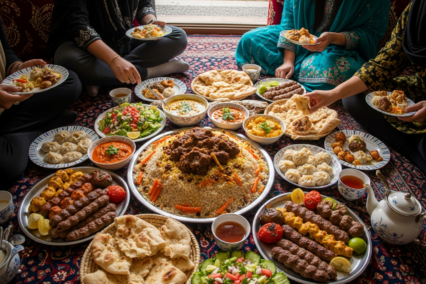
At these social gatherings, there is plenty of food. You will notice a large platter in the middle of the table. They set it there so everyone can reach in and eat from the same dish. The way they eat brings the group closer. There is a strong feeling of unity and that everyone is equal. It makes people feel part of one group.
Some common traditions at a Jordanian meal of the day are:
-
Waiting for all the guests and elders to sit down before eating.
-
Sharing food from a large platter in the center.
-
The host often tells people to eat more and not stop.
-
Staying and talking after the meal for some extra time.
Hospitality and Sharing Food
When you get a Jordanian invitation for a meal, you should know that you will see a lot of food on the table. The people want to show you their care and be good hosts by giving you more than enough to eat. This is how they make their guests feel welcome and show respect.
If you are served a Jordanian dish, you may see that the piece of bread, like pita, is used more than a fork or spoon. You take off a small piece of bread and use it to pick up your food. This is a simple and common way to eat in Jordan.
One thing you need to keep in mind is to eat with your right hand. This is not just common in Jordan but in a lot of Middle Eastern places. You do not need to be quiet or shy at the meal. The people like it when you try every dish and even ask for more. Taking a second helping shows you like what they made.
Foods Commonly Enjoyed at Breakfast
A typical Jordanian breakfast is simple, tasty, and makes you feel full. It is not a heavy meal like lunch, but the flavors really stand out. You will almost always find fresh pita bread on the table, along with olive oil and za’atar.
Za’atar is a tasty spice mix. It has thyme, sumac, and sesame seeds in it. In a Jordanian breakfast, it is common to take a piece of bread, dip it in olive oil, and then dip it into some za’atar. This is a special part of the meal. It is a really good and easy way to enjoy food from this area.
[olive oil]
[jordanian breakfast]
[sesame seeds]
[pita bread]
[piece of bread]
Popular Traditional Breakfast Options
Beyond the basics, a traditional Jordanian breakfast can offer many tasty dishes. These are often served at the same time, so you get a mix of different tastes and textures with your meal. This helps you start the day in a good way.
Beans are common, and many of them be mixed and made smooth like creamy dips. Hummus is made with ground chickpeas, and foul uses fava beans. Both of these can be topped with olive oil or some fresh herbs. Cheese is also common, with soft cheeses from goat milk adding to the meal.
Popular breakfast foods are:
-
Hummus: This is a rich and smooth dip made of ground chickpeas, tahini, lemon, and garlic.
-
Foul Medames: This is a warm dish where cooked fava beans are mashed up with oil, lemon, and some spices.
-
Labneh: This is a thick and tangy yogurt that has been strained, then topped with olive oil.
-
Manakish: This flatbread comes with toppings like za’atar, cheese, or minced meat.
-
Falafel: These are crunchy fried balls made of ground chickpeas or fava beans.
Beverages Served During Breakfast
In Jordan, people usually have drinks after they finish eating. It’s not like in some places where you have a drink with your food. But in the morning, things can be a bit different.
Coffee is something many people have in the morning. You may get strong Arabic coffee that smells great, or a small cup of Turkish coffee that is bold and full of flavor. People also like to drink sweet, hot tea with mint in it. This tea is very common and people have it through the day, not just in the morning.
If you do not want coffee or tea, you can sometimes get fresh juices. These drinks are there, but you will not see them as much with your food as coffee or tea. Goat milk is not often served as a drink, but you can find it in many cheeses and yogurts at breakfast. You may also get a glass of water with some lemon juice in it.
Lunch – The Main Meal of the Day
Get ready for the highlight of the Jordanian food day: lunch. This is not just a quick sandwich that you eat at your desk. Instead, it is the main meal of the day. For most people, this meal of the day is also the biggest meal of the day. Lunch is usually served in the mid-afternoon. It is a big and slow meal that people often share with family and friends.
This meal is important in both Jordanian cuisine and culture. At lunch, you often get to enjoy complex and traditional foods. You might even have Mansaf, which is the famous national dish of Jordan. Lunch time is made for being together, talking, and eating home-cooked food that tastes good.
Classic Jordanian Lunch Dishes
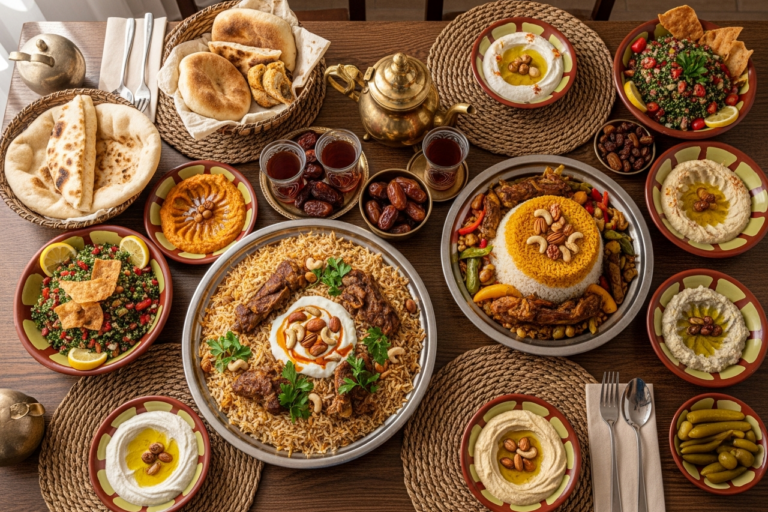
Lunch in Jordan is a big meal that brings people together. You will often find a rice dish or a tasty chicken dish right in the center. Everyone shares these main courses. There are also many small dishes, salads, and dips that go with them. This creates the best mix of flavors and textures on the table.
One well-known rice dish is Maqluba. The name means “upside-down.” It is made in a single pot with layers of meat, rice, and vegetables. After cooking, it is turned out onto a platter and served. Mansaf is known as the national dish. It is lamb cooked in a yogurt sauce with rice. Mansaf and many lunch dishes are topped with pine nuts that add great crunch and flavor.
Here are some classic lunch dishes:
-
Mansaf: The national dish made with lamb, yogurt sauce, and rice.
-
Maqluba: An “upside-down” rice dish with vegetables and meat, sometimes chicken.
-
Zarb: A Bedouin barbecue where meat and vegetables are cooked underground.
-
Kofta: Spiced meat patties, most often baked in a tomato or tahini sauce.
-
Mezze: A group of small dishes such as hummus, baba ghanoush, and salads.
Lunch Dining Customs and Etiquette
When you have lunch with a host family in Jordan, you will see how people share the food. There is often a large platter set down in the middle of the table. Everyone will eat from this same big dish. This helps make all the people at the table feel close and friendly.
The main utensil you use will be a piece of bread. You will see your host tear off a piece of bread and use it to pick up the food. This is something you can get good at with a bit of practice. It is also a very easy way to eat. Make sure to use only your right hand when you eat, especially if the meal is shared from a large platter.
The host family in Jordan may urge you to eat more, again and again. This shows they like to welcome people into their home. Eat some of each dish, including the main food and the salads that are often served with a lemon sauce. This shows that you appreciate your host and their meal.
Evening Meals and Jordanian Dinner
After a big, filling lunch in the middle of the day, dinner in Jordan tends to be much lighter. People have it later in the evening, sometimes at 9 PM or even after that. It’s rare to see a big rice dish served again at this time.
Instead, jordanian cuisine usually has dinner with leftovers from lunch or some lighter foods. Dinner is the time when people eat a small snack before bed, not another feeling meal. This way, people don’t waste food, and the meals stay balanced and easy.
Typical Dinner Foods
Unlike the big main dishes people have for lunch, dinner in Jordan is simple. People do not usually make another big, hot meal at night. Instead, they go for quick and easy food.
Dinner often has small dishes like a mezze. You might get things like hummus, cheese, olives, and fresh vegetables with flat bread. There, a bowl of warm lentil soup can be a good, light dinner. Many times, people just heat up the leftovers from lunch and eat them.
Sometimes, tasty food like warak enab (stuffed grape leaves) is served. The goal is to have a meal that fills you up but is not too much. This is very different from the big lunch that comes before.
Reasons for Later Dining Hours
Dinner times in Jordan are later because of how people eat and the flow of daily life. In Jordan, lunch is the most important meal. It’s served in the middle of the afternoon. People eat a big lunch, so they do not get hungry for a while. That means there is no need to have an early dinner.
This way of eating also matches the way people live. The evening is a good time for social gatherings. People hang out with friends and family or go outside to enjoy the cool weather. Whether you are at a family home or walking in downtown Amman, things get busy after dark. A later dinner works well here and gives people another chance to connect.
There are a few reasons why dinner is late:
-
The Climate: It’s hot in the day, so it feels better to eat and do things after the sun goes down.
-
The Main Lunch: Since lunch is big and late, people stay full until the evening.
-
Social Culture: The evening is for socializing. People often have dinner together as part of these social gatherings.
Snacks and Small Bites Between Meals
In Jordan, people mostly stick to main meals, but they sure like snacks too. You will not find people eating small dishes between breakfast, lunch, and dinner as much as you might in some Western places. But the street food there is great when you need a quick snack.
It’s not common to see a large platter of snacks in someone’s home. Instead, people love to go out and grab something to eat. You can find some of the best falafel, shawarma, and other tasty things out on the streets. These snacks help keep you going until your next main meal.
Jordanian Street Food Traditions
Jordan is famous for its street food. You can find tasty snacks at good prices all over the city. It is a big part of life in Jordan, and there are popular places that have fed both local people and visitors for many years. These foods are more than just snacks—they are well-known places for good eating.
If you are in Amman, you should go to Hashem Restaurant downtown. It is known for having the best falafel and hummus. This place keeps things simple and puts all focus on good food. For those who like shawarma, Shawarma Reem is also a must-visit. It is known for great taste and quick service.
Trying street food is the best way to enjoy snacks while in Jordan. Here are some foods you should try:
-
Falafel: Chickpea balls fried and served in soft pita bread.
-
Shawarma: Slices of chicken or lamb meat in bread with toppings and pickles.
-
Kunafa: A pastry with cheese and sugar, very sweet and popular.
-
Fresh Juices: Look for carts selling fresh pomegranate or orange juice.
You will find that the street food, including places like shawarma reem and hashem restaurant, gives you the best taste of local life and some of the best falafel around.
Tea and Coffee Rituals
In Jordan, tea and coffee are not just things you drink. They are important signs of care, welcome, and good times with people you know or have just met. People offer them to guests at any time of day. This shows you are welcome and starts a feeling of friendship. For many in Jordan, these drinks are a big part of normal, everyday life.
Sweet mint tea is everywhere in Jordan. You will usually get it hot and in small glasses. It gives a sweet and fresh feeling and makes for a good time with people. When it comes to coffee, there are two main kinds you might see. Turkish coffee is very strong and thick. People pour it in small cups. Arabic coffee is not as strong and often has cardamom. It comes in little cups without handles. Serving this kind of coffee to guests is a way to show respect and welcome.
These drinks are not only about getting caffeine. They give people a good reason to sit, take a break, and share time together. You might drink a fast cup after your meal, or take it slow with tea in the afternoon. No matter how you do it, these drink moments are important in Jordanian culture. They help people enjoy being with each other, no matter the time of day.
[https://www.example.com]
Observing Meal Times During Ramadan and Holidays
During special occasions like Ramadan and other holidays, people in Jordan change the way they eat. When it is Ramadan, many people go without food during the day. This means the schedule for meals is different. At night, people eat and spend time together as a group.
Other holidays and special days in Jordan are also a time for special foods and big meals. There may not be a normal big lunch, but you will see a lot of fresh and fancy food. It is common to see a favorite jordanian dish, most of all the national dish of jordan, called Mansaf. These meals turn into big events. The focus is on family, tradition, and having a good time together.
How Ramadan Alters Mealtime Schedules
The holy month of Ramadan changes when people eat in Jordan. People fast from dawn to sunset during this time. This means they do not eat or drink during these hours. Because of this, the daily routine is set around two main meals.
The fast ends at sunset with Iftar, which is the main meal of the day. Most people start Iftar with dates and water. After that, there is a big feast. Family and friends come together to enjoy this meal. A traditional Jordanian dish is usually at the center of the table. It is often served on a large platter for everyone to share. Before dawn, people have another meal called Suhoor. This meal helps them get energy for the next day.
The Ramadan meal schedule in Jordan looks like this:
-
Iftar: The meal of the day that breaks the fast at sunset. It is often a large, shared feast.
-
Suhoor: A meal eaten before dawn. This meal gets people ready for the day of fasting.
Special Celebratory Foods and Practices
Special occasions in Jordan always come with special food. On holidays, weddings, and big get-togethers, people eat meals that are fancier than what you get every day. The food made for these special occasions gets a lot of care. It is right in the center of any big celebration.
Mansaf is the national dish. People love to eat it at almost every big event. There are also other dishes with a nice mixture of rice and meat. You will see these dishes with a lot of pine nuts on top. Side dishes are important too, with different salads and dips you only get on special occasions. You might have a dip with some sour cream or get lemon juice squeezed over the top for extra flavor.
Celebratory food practices usually include:
-
Preparing large quantities: You need a lot of food to serve all the guests and sometimes you share with neighbors.
-
Serving Mansaf: This is the main food for important guests or for big occasions because it is the national dish.
-
Elaborate desserts: Special sweets, like Kunafa, are made to mark the day and make it sweet.
Conclusion
To sum up, knowing when people eat meals in Jordan helps you enjoy the culture and get the best out of your visit. The country has a rich history that you can feel, whether you are with family around a table or trying street food outside. Every meal is a mix of old ways and true kindness. You could be having a long breakfast, or joining in on big meals during Ramadan. Here, eating together means a lot. It’s all about spending good time with others and sharing your food.
When you go to Jordan, take part in the usual ways people eat and try the tasty street food. Each meal has something special for you to enjoy. Happy dining!
Frequently Asked Questions
Are restaurants in Jordan open during traditional meal hours?
Yes, you can find jordanian food at many times in Downtown Amman. Many restaurants offer meals at different hours. The local jordanian culture likes to have lunch late. But, there are places that serve nice jordanian food all day. In tourist spots, you will see they change meal times a little to help people from other countries.
Is it common to snack between meals in Jordan?
At home, people do not plan their snacks as much. Still, street food is a big part of daily life. Lots of people like to get the best falafel or a shawarma as a quick snack between meals. You can eat these snacks while you walk or when you meet friends for a social gathering.
How long do typical meals last in Jordan?
Lunch is the main meal of the day in Jordan. This meal is usually not rushed. When you eat with a host family or at social gatherings, it often takes at least an hour or even more. People spend this time enjoying Jordanian food from a large platter. There is time to talk, relax, and eat together. The main idea is to be with others, enjoy the food, and not hurry through the meal of the day.