Key Highlights
-
In Japan, people eat dinner between 6 PM and 8 PM. This is the usual meal time, and most follow it.
-
Japanese restaurants often focus on one main dish. These places can be full during busy hours.
-
It is good to know dining etiquette in Japan. You should use chopsticks the right way and always show gratitude.
-
Get to know key Japanese words. Say “itadakimasu” before eating and “gochisousama deshita” when you finish.
-
Sticking to the typical dinner time shows how daily life in Japan is set and routine.
-
Tipping is not common in Japanese culture, so you do not need to leave extra money.
Introduction
Welcome to the rich and tasty world of Japan! The best way to get to know this country is to try the food. There is more to it than just what you eat. It is also about the time you eat. Meal times are a key part of daily life for Japanese people. These times can be very different from what you may know. When you understand the way people in Japan plan their food, it is easy to enjoy your time with good food. You can feel this anywhere, be it in a busy city or a quiet town.
Understanding Meal Times in Japan
Japanese people tend to have set meal times. These meal times often fit around work and school schedules. Because of this, restaurants in Japan can be very busy during certain hours. Dinner in Japan may happen a bit earlier than in the United States.
If you know these meal times, your trip will be easier. You can enjoy breakfast, lunch, and dinner more if you follow the customs for each meal.
Breakfast Schedules and Customs
Breakfast in Japan is called “asagohan” and is usually eaten from 7 AM to 8 AM. The time comes from the way work and school schedules start the day. People need to be ready and have food before they leave. In Tokyo, many people just buy a quick onigiri, which is a rice ball, if they are busy or need to hurry. A full Japanese breakfast, though, has more parts to it.
This meal can have steamed rice, miso soup, grilled fish, and side dishes like pickled vegetables. All the foods together give a filling and tasty start to the morning. It is not sweet like breakfast in some other places, like the West. People in Japan use soy sauce a lot to make the food taste better.
If you are a visitor, you may want a place to sit and eat before you go out. But most locals in Japan will eat in their own homes rather than go to a cafe in the morning. Outside of hotels, it can be hard to find a place for breakfast. You can stop by a convenience store instead, where you will find many good and quick foods for breakfast to help start your day.
Lunch Hours and Dining Habits
Lunch in Japan, called “hirugohan” or “chushoku,” usually happens between 12 PM and 1 PM. This is the main time when restaurants are busy. Office workers and students take their lunch break at this hour. You can see japanese people leaving their offices and schools to get a good meal.
Many places have special lunch sets, known as “teishoku.” These are a good deal. They come with a main dish, rice, soup, and a side. People like to eat bowls of ramen, fresh sushi, or grab an easy “obento.” Obento is a lunch box that is part of Japanese culture. The boxes are nicely put together, made at home, or bought from stores and train stations.
Lunch hours are set and don’t allow much change. It’s common to see long lines at ramen shops and places that serve popular dishes. In big city areas, japanese people stand in line to enjoy their meal around midday.
Dinner Time Traditions
The typical dinner time for Japanese people is between 6 PM and 8 PM. This is when families come together to eat. Dinner, called “bangohan,” is a big part of Japanese life and has many customs. It is a chance to relax and have a good meal after a busy day.
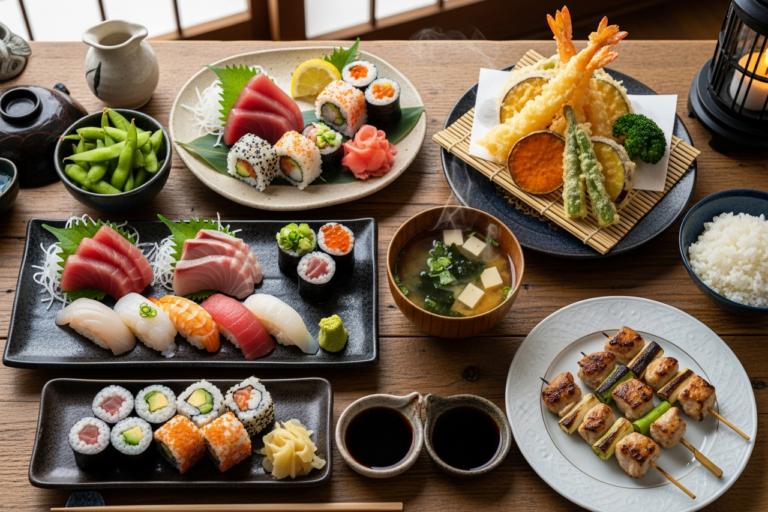
A usual dinner often has several courses. These may include rice, soup, and side dishes with fish, meat, and vegetables. If you eat sashimi, you should follow proper etiquette. For example, add wasabi to the fish, not mix it in your soy sauce.
After you finish your meal, it is nice to show your gratitude. This dining etiquette is key to eating in Japan. It shows respect for the food and the cook. If you follow these customs, you show that you understand the culture and what the meal means to everyone.
Regional and Seasonal Variations in Japanese Meal Times
In Japan, people have set meal times, but you may see small changes in different places. Life in a city is busy and fast, so eating habits can be different from those in a quiet rural town. Japanese people often have dinner a bit earlier than people in some other countries because their daily life is well-organized.
The way people eat can be shaped by their daily life, job habits and the time of year. Let’s look at how meal times switch between city and countryside, and between weekdays and weekends.
Urban vs. Rural Meal Patterns
In bustling urban centers like Tokyo, meal times often revolve around demanding work schedules. Lunch breaks are typically a quick affair, squeezed into a busy day. While dinner might be later for some office workers, the general population still adheres to relatively strict meal times. This fast-paced life contrasts with the more relaxed rhythm of rural areas.
In rural Japan, meal times can be more aligned with natural cycles and agricultural work. People might eat earlier, especially in farming communities where the day starts at sunrise. The pace is slower, and meals are often enjoyed with less of a rush compared to the city.
Here’s a simple comparison of how meal times might differ:
|
Meal Time |
Urban (e.g., Tokyo) |
Rural Area |
|---|---|---|
|
Breakfast |
7:00 AM – 8:00 AM, often quick/on-the-go |
6:30 AM – 7:30 AM, often at home |
|
Lunch |
12:00 PM – 1:00 PM, quick restaurant meal |
12:00 PM – 1:00 PM, often at home |
|
Dinner |
7:00 PM – 9:00 PM, can be later |
6:00 PM – 7:30 PM, typically earlier |
Differences on Weekdays and Weekends
During the week, the meal times for Japanese people often depend on work, school schedules, and time spent going from one place to another. Many have breakfast early in the day. Lunch is a set break in the middle of the day. Dinner times do not change much either, but some people who work long days might have dinner much later.
On the weekends, things change. People no longer follow strict routines, so meal times can be more relaxed and change from day to day. Families and friends will sometimes gather for a late breakfast, a longer lunch, or dinner that lasts longer, too. This is also a good time just to sit down, eat, enjoy food, and spend more moments together. No one is in a hurry like during weekdays.
Restaurants also get busy at unusual hours on the weekends. Some people will eat out later at night, while others may have a long lunch that even goes into the afternoon. This change gives people the chance to be with others and not rush their meals.
This is how Japanese people enjoy their meal times on both weekdays and weekends, with school schedules having a big part in setting their routines.
Dining Out During Popular Meal Times
When meal times come around in Japan, Japanese restaurants get very busy. If you want ramen or another special dish, you will see a lot of diners who want the same thing. This is often how it is in big cities. At lunch and dinner, the crowd can be very big.
It is good to know what you will find and learn some ways to get a nice meal without waiting long. Here is what goes on inside a busy restaurant and how you can skip a long wait.
What to Expect at Busy Restaurants
When you go to busy Japanese restaurants during meal times, it can be quite an experience. These places, especially ones known for one main dish like ramen or sushi, are small. They might only have room for a few diners at one time. That’s a big reason you sometimes see long lines outside the door.
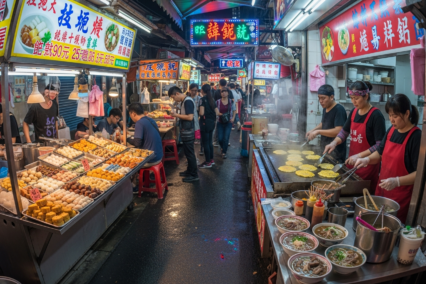
Inside, it is both lively and quick. Staff move fast, mainly at lunch, because they want to help as many people as they can. Many times, you will sit at a counter and get to see chefs prepare food right there. For many, this is a cool part of the whole japanase restaurants feel.
Here’s what you can usually find:
-
Long Queues: You may wait in line for 30 minutes to an hour at a popular spot.
-
Small Spaces: The room is tight, so don’t bring big bags or plan for a lot of space.
-
Ticket Machines: Some spots have you buy a meal ticket by vending machine before you sit down.
-
Quick Turnover: People do not stay too long after they eat. Staff often need your seat right away for other diners.
Tips for Avoiding Crowds
If you do not want to spend your time waiting in line during your trip, there are good ways to get away from the biggest crowds at Japanese restaurants. The best way is to change your meal times. Try eating a bit earlier or later than most people. This can really help a lot. For lunch, you should eat around 11:30 AM or after 1:30 PM.
It is also a good idea to look for places away from busy tourist spots or train stations. You will often find hidden spots that serve great food and feel more local by just walking a short way off the main streets. There are also restaurants that let you make reservations online or by phone, but keep in mind that some popular ones are booked for months.
Here are a few quick tips to help you stay out of the lines:
-
Dine Off-Peak: Try lunch before noon or after 1:30 PM. Have dinner before 6 PM or after 8 PM.
-
Make Reservations: Set up a table early, mostly for dinner. Your hotel concierge can help you if you do not speak Japanese, because not all staff use English.
-
Go for a Set Lunch: Some high-end places have low-cost lunch sets. This gives you a nice meal for less money and might also mean fewer people are there than at dinner.
-
Explore Side Streets: Go near the main roads, but not on them. This way you might find good food with fewer people around
Essential Japanese Phrases and Etiquette at Meals
Knowing the right time to eat is good, but if you learn a little about dining etiquette and use some helpful phrases, your meal will feel better. In Japan, showing gratitude for your food is very important. You should also use chopsticks the right way. If you use them wrong, some people might think it is bad manners.
Try to learn easy phrases like “sumimasen” to call someone or say thank you. This will make people appreciate you more. Now, let’s look at common words for the table and talk about some top rules of dining etiquette you need to follow.
Common Words and Phrases Used at the Table
Using some Japanese words at the table shows your respect and gratitude. You do not need to know a lot of Japanese. Even a small try means a lot to japanese people. Before you begin your meal, you say “itadakimasu.” This word thanks the one who made the food and those who gave or grew it.
If you want to get the server’s attention, just say “sumimasen” which means “excuse me.” When you finish eating, you say “gochisousama deshita” to thank the people for the meal. It lets them know you like the food. Restaurant staff in places that get tourists may know some english, but using these words is a nice show of gratitude.
Here are a few key phrases to remember:
-
Itadakimasu (ee-tah-dah-kee-mah-su): “I gratefully receive.” Said before eating.
-
Gochisousama deshita (go-chee-so-sah-mah desh-tah): “Thank you for the meal.” Said after eating.
-
Sumimasen (su-mee-mah-sen): “Excuse me.” Used to call a waiter.
-
Oishii (oy-shee): “Delicious.” A nice compliment to the chef.
Important Dining Etiquette Rules
Showing good manners while eating in Japan is important and shows respect. One of the key things is how you use chopsticks. There are some things you should not do, as they are seen as bad manners. For example, sticking your chopsticks straight up in a bowl of rice is not okay. People do this during funerals, so it has a sad meaning. You should also not pass food between pairs of chopsticks, as this is a big taboo.
If you have soy sauce, pour a little into the dish on your table. Do not pour it right on your rice or food. Just use it to dip. Try to finish all the food on your plate, which is a good way to show gratitude for the meal.
When you eat in casual places in Japan, especially when places are busy, do not stay after you finish your meal. It is best to leave so others can sit down sooner.
-
Don’t stick chopsticks vertically in your rice.
-
Don’t pass food from one pair of chopsticks to another.
-
Don’t pour soy sauce directly over your rice.
-
Try to eat everything you have taken.
-
Don’t tip; good service is standard and expressing thanks verbally is sufficient.
Conclusion
Understanding meal times in Japan is important if you want to get to know the culture. From early breakfast habits to lively dinner times, every meal shows a part of life in Japan. You get to see how people eat in different parts, and if you learn about dining etiquette, you can have a better time and be polite. It does not matter if you go out to eat when it gets busy or if you want to learn a few simple phrases, knowing these things can help make your meal feel special. You can use meal times to get closer to Japanese culture and enjoy tasting all the good food you find. If you want to know more, you can book a consultation with us to get travel tips just for you.
Frequently Asked Questions
Are Japanese meal times earlier or later than in the United States?
In Japan, people usually eat meals a little earlier and follow a set schedule compared to the United States. The typical dinner time for Japanese people is between 6 PM and 8 PM. Many keep these strict meal times, and that fits with the organized way of life in Japan.
How should I greet others before a meal in Japan?
Before having a meal in Japan, people say “itadakimasu.” This word is used to show gratitude for the food and for everyone who made it possible. At meal times, japanese people always say it. It is a big part of etiquette in the country. Saying it shows their thanks and respect.
Is it acceptable to linger at the table after finishing my meal?
In many Japanese restaurants, some of them are small and busy. It is seen as bad manners to stay around too long after you finish eating. This way, other people can get a seat. You should get up, pay, and leave after you put down your chopsticks for the last time. This is the right etiquette.