Key Highlights
-
Israeli meal times are not set in stone. Breakfast comes early, lunch is the main meal and happens about midday, and dinner is later and lighter.
-
The well-known Israeli breakfast is big. It includes things like salads, cheeses, and eggs. It helps set the mood for the day.
-
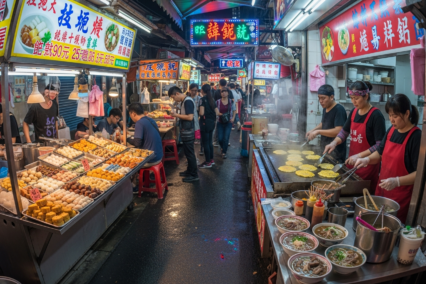
In big cities like Tel Aviv, israeli cuisine is lively. Street food can be found most times of the day.
-
Weekend meals matter a lot, and the friday night Shabbat dinner is special. It is a time for people to come together and has its own time.
-
Israeli food culture brings in middle eastern and Mediterranean flavors, so every meal feels new and full of taste.
Introduction
If you are planning to go to Israel, get ready for some great food. The Israeli food you find there is full of fresh things. People use a lot of olive oil in many of the dishes. The tasty dishes show the middle eastern flavors. You will see this in the busy city food spots and in the quiet kitchens at home. Food is a big part of life in Israel.
It is not just about what people eat. It is also important to know when people eat during the day. This guide will help you learn the meal times and daily food habits. This way, you can enjoy the food scene and eat just like someone who lives there.
Overview of Israeli Meal Times
The rhythm of meal times in Israel is usually more relaxed and happens later than what you see in the US or Europe. Israeli cuisine fits a Mediterranean lifestyle, so meals are about spending time with people and not just eating for energy. Breakfast comes early. Lunch is the biggest meal for the day. Dinner is lighter and often eaten late at night.
In big cities like Tel Aviv, people may change this schedule to match a fast life. Still, the main ideas do not change. The time of day for each meal can shift because of work, family, or plans with friends. Let’s take a closer look at how eating in Israel depends on the city, the day, and what shapes these meals.
Understanding the Daily Eating Schedule in Israel
Israelis usually eat breakfast between 7:00 AM and 9:00 AM. At this time of day, breakfast often has fresh vegetables, cheeses, and eggs. This makes it a filling meal to start the day. It is a big part of Israeli food culture.
Lunch is the main meal in most Israeli homes. People eat it from 12:00 PM to 3:00 PM. During lunch, you can see them eat bigger plates with meat, rice, and cooked vegetables. The time of day for lunch can change. It depends if you are at work, school, or at home.
Dinner in Israeli cuisine is smaller and comes later in the day. Usually, dinner is between 7:00 PM and 9:00 PM on weekdays. On special nights or when there is a get-together, it can be even later. This meal is lighter than lunch. It could just be salad, yogurt, or bread with spreads. It is a peaceful way to end the day.
Influences Shaping Meal Time Routines
The way people eat in Israel comes from many different places and times. The middle eastern weather is hot, so people in Israel often have their meals later at night, especially in summer. People like to sit down for food after the sun goes down.
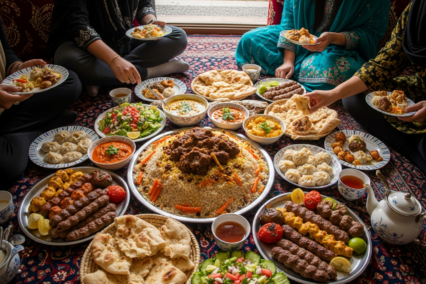
Jewish rules also shape when and how meals happen. On Shabbat and other special days, there are clear ways meals need to be made and eaten. This creates a rhythm to the week and the year. On these special occasions, people in Israel gather for big meals with a lot of dishes. These meals are shared with family and friends. It helps bring people together.
There are many groups in Israel, and they have each brought their food habits. This has changed not only what is on the table, but when people eat.
-
Sephardic Jews from North Africa and the Mediterranean showed how to have slower, multi-course meals.
-
People from Europe brought their meal times too. Over time, these mixed with the ways people are now used to in Israel.
-
Meals and times from the Second Temple period can still be seen a little bit in today’s ways of eating.
People in Israel mix old and new ideas about mealtimes every day.
Comparing Israeli and American Meal Schedules
When you compare meal schedules, you’ll notice some key differences between Israel, the US, and Europe. In the US, dinner is often the largest meal of the day, and it’s typically eaten earlier in the evening. Israelis, in contrast, prioritize lunch as their main meal and have a much later, lighter dinner.
This mirrors patterns in some Mediterranean parts of Europe, but with its own unique twist due to factors like Jewish dietary laws and a six-day work week for many. Yes, dinner is usually eaten late in Israel, especially in social settings.
Here’s a simple comparison to highlight the differences:
|
Meal |
Typical Time in Israel |
Typical Time in the US |
|---|---|---|
|
Breakfast |
7:00 AM – 9:00 AM |
7:00 AM – 9:00 AM |
|
Lunch |
12:00 PM – 3:00 PM (Main Meal) |
12:00 PM – 1:00 PM (Lighter Meal) |
|
Dinner |
7:00 PM – 9:00 PM (Lighter Meal) |
6:00 PM – 7:30 PM (Main Meal) |
The Israeli Breakfast Experience
The Israeli breakfast is more than just a meal. It is very important to the people there. You will not find a quick cereal on the table. Instead, you get a big mix of different tastes and feels. The food may include a chopped vegetable salad, dairy products, eggs, and bread from bakery shelves. It is very different from the usual breakfast in the US or Europe. Israeli breakfast is full of fresh and savory items.
If you enjoy strong Turkish coffee at home, or sit in a café, this morning meal means a lot to people. It shows the Israeli style of loving fresh food and eating together. Let’s look at when this famous Israeli breakfast is eaten and why it stands out from all others.
Typical Breakfast Times Across the Country
Most people in Israel eat their breakfast between 7:00 AM and 9:00 AM during the week. This time of day is when families get ready for work and school. A good meal helps start the day right. The Israeli breakfast gives energy, using fresh and healthy food.
In places like Tel Aviv, the breakfast time can be more open. Early morning meals are normal, but many cafes keep serving classic Israeli breakfast later into the morning. They do this for people who move at a slower pace, and for travelers who want to try israeli food.
On weekends, mostly on Saturdays, breakfast is not rushed. Families and friends like to come together for a late brunch. The meal lasts longer and turns into a special time to talk and enjoy each other’s company, not just a quick meal before going out.
Popular Morning Foods in Israel
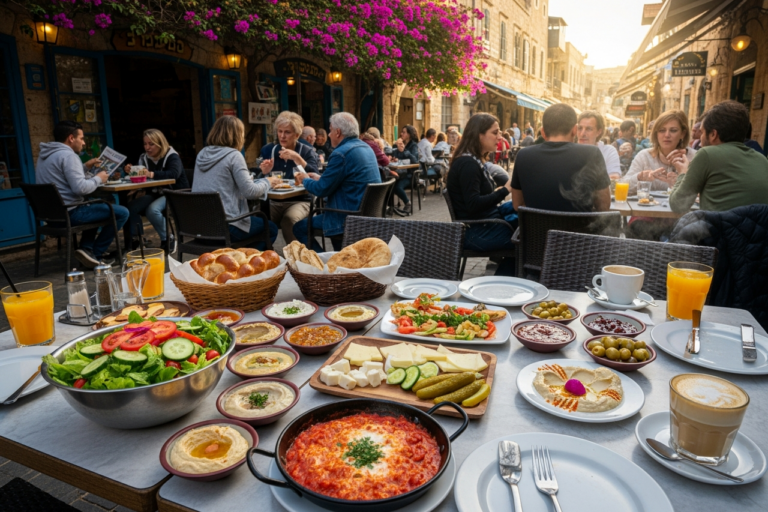
The Israeli breakfast table looks bright and full. The main part is the chopped vegetable salad, which has cucumber, tomatoes, and parsley. It only needs a little lemon juice and olive oil for flavor.
You will see many dairy foods with the salad. There is cottage cheese, yogurt, labneh, and soft white cheeses. All of these go well with olives, slices of avocado, and different spreads. People often add fresh fruits, like figs or mango, depending on what is in season.
It’s the mix of these foods that makes an Israeli breakfast so special.
-
The Salad: Chopped cucumber, tomato, onion, and parsley.
-
Dairy: Things like cottage cheese, yogurt, and hard cheese.
-
Spreads and Sides: Hummus, tahini, avocado, and sometimes spicy sauce like amba.
-
Breads: Many types of fresh breads, rolls, and pitas you can eat with the spreads.
Breakfast Culture in Homes and Cafés
At home, an Israeli breakfast is often simple. You might see bread with cheese and a few fresh vegetables on the side. But even at home, the food is fresh and full of flavor. This is what you find in Israeli cuisine.
In places like Tel Aviv, a café breakfast is much more than this. Cafes here try to outdo each other with impressive Israeli breakfast options. The meals at these spots are meant for people who want to take their time. You usually get eggs made the way you want, several small salads and dips, fresh bread from the bakery shelves, and a drink like coffee or juice.
This café culture is a big part of life now in Israel. Here, breakfast is not only about eating in the morning. It is also a time to spend with others and enjoy the moment. Many restaurants stay open during the main hours for these meals, especially in cities. So, it is easy for anyone who wants to join in on this tasty morning routine.
Lunch Traditions in Israel
In Israel, lunch is the main meal of the day. People in Israel eat lunch in the middle of the day, and it is often the biggest meal with a lot of filling food. The meal can have meat, fish, or beans, and it almost always has rice dishes and some cooked vegetables. It is the time when people in Israel stop to eat and get some energy for the rest of the day.
People eat lunch at work for a quick break, or at home with their family for a slower and more relaxed meal. This midday meal is very important in the daily routine. When and where you eat lunch in Israel can change how the meal feels and what it means to you.
When Do Israelis Usually Have Lunch?
Most Israelis eat lunch from 12:00 PM to 3:00 PM. This is the time when people all over the country stop for their biggest meal of the day. The exact time people eat lunch can be different. Many office workers take their lunch break at 1:00 PM.
Lunch is often made up of a main protein, like chicken or fish. It also comes with a carbohydrate, such as rice dishes or couscous. Cooked vegetables are usually on the side. The meal is made to give people energy for the rest of the day.
Even lunch at work is usually a proper cooked meal. It is not just a simple sandwich eaten at a desk. This love for a big meal at midday is an important part of israeli food and daily life.
Workplace Lunch vs. Family Lunch
The food at a workplace lunch and a family lunch may be the same, but the feeling is not. At work, lunch is set and takes place at a certain time. Many offices in Israel have their own eating area, or people get help from restaurants nearby. These meals are often made hot and cost less because the workplace pays some of the price.
A family lunch is not so strict. It is more calm and allows people to talk and be together. This is true for Fridays before Shabbat, and during school breaks. It is a chance for all in the family to spend time, eat food, and share many dishes.
No matter where you are, lunch is very important. For families and work teams, lunch is about real, cooked food. It shows how much lunch matters in Israel’s culture, no matter the place.
Lunch Breaks in Schools and Businesses
In Israel, people really value lunch breaks. In schools and at businesses, lunch is not something they rush through. Israeli culture makes sure the break is long enough to sit and enjoy a hot meal.
In schools, kids often get a hot lunch, especially if they stay at school for a longer day. The meal aims to be healthy and usually has some protein, a carbohydrate, and fresh vegetables. This way, kids eat a solid meal, like the lunch they have with family at home. Businesses think a good lunch break is very important.
-
Businesses: Many places give workers access to an on-site cafeteria where they can eat different israeli food. Some companies give lunch vouchers so people can eat at local spots. This helps workers leave their desks and have a real break.
-
Schools: The school lunch program is a big part of the day. There is a strong belief that kids who eat well with fresh vegetables grow and learn better.
Dinner Habits in Israel
Israeli dinner habits are not the same as lunch. For lunch, people in Israel like a big midday meal. But at night, dinner is light and simple. It is often an easy meal with dairy products, salads, eggs, or just bread with some spreads. You can think of this meal as more of a snack, not a big, formal dinner.
But things change when there are special occasions or during Shabbat. On these times, dinner turns into a big, happy meal. You might see chicken soup or other big dishes on the table. This shows that most dinners during the week in Israeli cuisine are light, but they can be filled with fun and food during these special times.
Standard Dinner Hours During Weekdays
On most weekdays in Israel, people eat dinner between 7:00 PM and 9:00 PM. This is because lunch is the main meal. People have a big meal in the afternoon, so they do not need a large dinner early on.
Dinner is usually light. You may see a salad, some yogurt, an omelet, or bread with cheese and vegetables. People want something easy and filling before going to bed.
In Tel Aviv, adults often eat dinner even later, more so when meeting with friends. After 9:00 PM, many make restaurant plans. This is normal in Israel and fits well with the Mediterranean social way of life.
Timing of Children’s Evening Meals
For kids in Israel, dinner happens earlier than it does for adults. Parents usually give dinner to their kids between 6:00 PM and 7:00 PM. This helps make sure the kids eat before they start getting ready for bed.
The meal is called “aruchat erev.” It is a lot like the light dinner that adults eat, but it comes at a more kid-friendly time of day. On the plate, you may see eggs, cottage cheese, bread, and cut-up veggies. These are simple, good-for-you kinds of Israeli food that kids can eat easily.
Even in busy places like Tel Aviv, parents stick to this early dinner for their children. It helps keep the evening routine simple. Adults then have their own lighter meal later, giving them time and flexibility.
Social Aspects of Israeli Dinners
Weekday dinners in Israel are mostly easy to make, but spending time together is a big part of eating here. The friendly feeling and welcome matter most. People love to invite friends or family over for a meal. Even a basic dinner will become something bigger and special when guests come.
These dinners with loved ones or friends usually happen later at night. It is not just about Israeli cuisine. It is about talking, laughing, and making real connections. This is when you sit and enjoy being together.
This focus on eating together in israel shows two things:
-
Hospitality: In Israel, if you cook for someone, it means you care about them. You might plan the meal or get together at the last minute. Either way, it can turn into a great night with good israeli food.
-
Community: Eating together brings families and the whole neighborhood closer. It is a big part of life, especially on weekends and holidays. It helps everyone feel like they belong.
Weekend Meal Times and Shabbat Dinners
The weekend in Israel starts on Friday afternoon and ends on Saturday evening. During this time, eating habits and traditions change in big cities and all over the country. Meal times slow down. They become more focused on being with family and friends.
The Friday night Shabbat dinner is key in the Israeli weekend. It is a happy and important meal. Many people come together at this time. It marks the start of a day to relax.
Shabbat follows Jewish food rules. This turns eating into a special part of the Israeli weekend. Even in big cities where not everyone follows these rules, you can still see Shabbat’s impact. Weekend meals are not just food—they are a unique cultural experience in Israel.
Shabbat Friday Evening Dinner Timing
The Shabbat dinner on Friday night usually starts after the sun goes down. This is because the Sabbath begins at sundown. Families like to come together not long after sunset for this meal. The dinner often lasts a long time. There be lots of food, talking, singing, and rituals at the table.
If you are in an observant Jewish family, the meal follows a strict schedule. It goes by the rules of the religion and the dietary laws. Dinner begins only after the evening prayers. The Shabbat candles are lit first. This helps to mark the end of the work week in a clear and special way.
Even those who are not very religious still keep the tradition. Many families have a big dinner on Friday night. It is a link to their culture, a good break from busy days, and a chance to come together with family over lots of food.
Lunches and Family Meals on Saturdays
Saturday lunch is an important part of the Israeli weekend. After the slower pace of Shabbat, people often have a big meal with family. It is common to bring together many generations at the table. The meal is usually in the early afternoon, right after morning plans or synagogue.
Hospitality is at the heart of Saturday family meals. Families like to have friends or relatives over. This keeps the same feeling of community from the friday night dinner. Because people do not cook during Shabbat, most food is made beforehand. This is why you often see slow-cooked dishes.
These lunches are not just about eating. They are a main way that people spend time together. They are a special time to catch up, build stronger family bonds, and enjoy a day of rest with others.
Differences in Weekend vs. Weekday Meals
The way people eat in Israel changes a lot between weekdays and weekends. During the week, most stick to a simple plan. They have a big breakfast, then a bigger lunch, and at night, a smaller dinner. The main purpose is to get energy for work and school.
When the weekend comes, especially on Shabbat, the meal routine is different. People sit down for fancy, long meals. These can have several courses and last hours. The time of day is not so important. What really matters is coming together, enjoying good israeli food, and celebrating. You can see this shift from religious homes to the big cities of israel.
The main differences are:
-
Pace and Purpose: On weekdays, meals are quick and focus on getting things done. On weekends and shabbat, meals are much slower. They are social and feel like celebrations.
-
Complexity: Israeli food on weekends is more special. People make dishes that take more time and are saved for shabbat or holidays.
Holiday and Festival Eating Schedules
In Israel, special occasions and holidays change how people eat and what they cook. During these times, there are big meals that make the normal daily routine different. You might see jelly doughnuts, called sufganiyot, for Hanukkah or the special foods served for Passover and Rosh Hashanah. In all of these celebrations, food like doughnuts is very important for marking the day.
These meals are more than just eating together. They bring people closer to their past, their faith, and their community. Many times, the timing and what you eat at these gatherings follow old traditions set by generations before.
Special Meal Times for Jewish Holidays
Jewish holidays change when meals happen. Dinners are often in the evening after the holiday starts, like on Shabbat. Many times, there is another big lunch the next day. The timing for these meals comes from the religious calendar and Jewish food rules.
On Passover, people have the Seder. It is a special dinner held on the first night. The meal follows a set routine and lasts late into the night, with eating and drinking in a certain order. During Hanukkah, there is no set time for meals. People enjoy fried foods like sufganiyot and latkes throughout the eight days. Many eat them in the evening, often after lighting the menorah.
These meal times happen because of religious rules and old traditions.
-
Rosh Hashanah: People have dinner with special foods that stand for a sweet new year.
-
Passover: The Seder meal follows a lot of steps and takes a long time.
-
Hanukkah: There is not a set time to eat, but fried foods like sufganiyot are common. Many eat them in the evening, after lighting the menorah.
How Holiday Meals Affect Regular Eating Patterns
Holiday meals change how we eat. The normal dinner and lunch routine stops for a while. Instead, people have big meals for lunch and dinner, sometimes many days in a row.
Meal times do not matter as much now. Everyone eats when the holiday meal is ready. This often happens later in the day and goes on for a longer time. People follow the timing of the celebration, not their usual schedule.
This is all part of what makes the holiday special. People enjoy eating israeli food, spend time with their family and friends, and let themselves relax a bit. For these days, it is OK if things do not stay in their usual order.
Examples from Passover, Rosh Hashanah, and More
Different holidays in Israel have their own food traditions and eating times. On Rosh Hashanah, the Jewish New Year, families come together for a big evening meal to start the holiday. The next day, they have another special lunch. Both meals include foods that stand for good things.
The Passover Seder is maybe the best-known holiday meal with a set order. This meal is eaten on the first night of Passover and, for people outside Israel, also on the second night. It follows steps that everyone sticks to, and it can go on for hours. During Passover week, there are food rules that change what people can eat.
These holiday meals are a big part of israeli life.
-
Rosh Hashanah: Evening and midday meals show hope for a sweet new year.
-
Passover: Seder is a long meal at night, and the food changes for a week.
-
Shavuot: People eat lots of dairy, usually at lunch or dinner, to celebrate the holiday.
Eating Out in Israel: Restaurants and Street Food
Eating out in Israel is a great way to try the country’s lively food scene. There is something for everyone, from fancy restaurants to busy street food stalls. Israeli cuisine brings together many flavors. You can find traditional dishes, a lot of international cuisine, and there are plenty of vegan choices, too. In tel aviv or at machane yehuda market, the best food is easy to find almost any time.
It is simple to get a place to eat during regular meal hours. The late-night spots and fast food options are everywhere. Let’s look at when and where you can eat out in israel.
Israeli Restaurant Opening and Closing Times
Restaurant hours in Israel are generally accommodating, especially in major cities. Most restaurants open for lunch around noon and stay open for dinner until late, often 10:00 PM or 11:00 PM. Cafes often open early for breakfast and stay open throughout the day.
In lively areas like Tel Aviv or near markets like Machane Yehuda Market, you’ll find that many establishments have extended hours to cater to the constant flow of people. However, it’s important to be aware of Shabbat. Many restaurants, especially kosher ones, will close on Friday afternoon and reopen on Saturday evening.
Here’s a general guide to restaurant hours:
|
Establishment Type |
Typical Opening Hours |
Typical Closing Hours |
|---|---|---|
|
Cafés |
7:00 AM – 8:00 AM |
10:00 PM – 11:00 PM |
|
Restaurants (Lunch) |
12:00 PM |
4:00 PM |
|
Restaurants (Dinner) |
6:00 PM |
11:00 PM or later |
|
Street Food Stalls |
10:00 AM |
Late into the night |
Late-Night Dining and Popular Eating Spots
Late-night dining is big in Israel’s big cities, especially in Tel Aviv. People go out at night, then head to street food spots and late-night places for food. You can get falafel, street food like shawarma, pizza, ice cream, or even sushi past midnight.
The nightlife in Tel Aviv means you never have to worry about being hungry, no matter the time. Food places stay busy after dinner. People eat and hang out with friends late at night. Many restaurants in Tel Aviv stay open, so last-minute food trips happen often.
Popular late-night options include:
-
Street food: Shawarma, sabich, and falafel stands are well loved after going out and at parties.
-
24/7 establishments: In Tel Aviv, diners and places serve ice cream and meals day and night.
Street Food Availability During Common Meal Hours
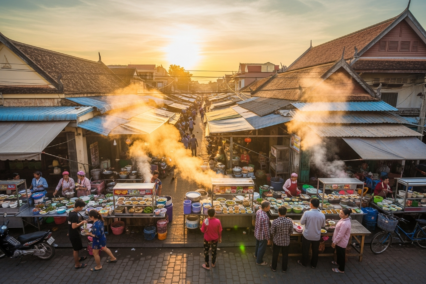
Street food is at the heart of israeli cuisine. You can find it at any time of the day. When people eat lunch or dinner, street food spots get busy. Lines are long for falafel, shawarma, and sabich. People come for tasty and low-cost meals.
Machane yehuda market is packed with the smells of fresh bread, spices, doughnuts, and meats cookin’ on the grill. You can walk around and try lots of street food—both savory and sweet. For many people in israel, street food is not just a snack. It can be a full meal.
Street food is always there when you need it. It does not matter if you want plans for lunch or just grab a snack in israel. The stalls are open, and they will serve you something good.
Cultural and Religious Factors Affecting Meal Times
Meal times in Israel are shaped by both cultural and religious reasons. Many Jews follow certain food rules, and Shabbat has a big effect on when people eat. This weekly event makes the weekend feel special and different from the rest of the week. For many, these beliefs set the main schedule for meals.
But that’s not all. The different groups of people in Israel add their own habits too. For example, Sephardic Jews who came from North Africa and the Middle East have brought their own ways. These many traditions mix together to make meal times in Israel something special to look at.
This blend of customs from Shabbat and the ways of Sephardic Jews shows how rich food time is for people in Israel. It makes you think about when and how you eat in a new way.
The Role of Jewish Dietary Laws in Scheduling Meals
Jewish dietary laws, known as kashrut, shape when and what people eat in Israel, especially for those who follow these rules closely. One clear example is Shabbat, the day of rest for Jews in Israel. Shabbat goes from Friday night at sundown until Saturday night when three stars are out. On Shabbat, cooking is not allowed, so people prepare israeli food ahead of time.
A popular dish for this time is cholent. This slow-cooked stew is made before Friday night and then eaten for lunch on Saturday. The Friday night dinner begins after sundown, which matches the start of Shabbat.
Kosher kitchens keep meat and dairy foods apart. While this does not decide what time people eat, it does change what you find at each meal. Because of this, some foods may be served at certain times during the day. All these jewish traditions around food are a big part of life in Israel and shape what and when people eat on Shabbat and Saturday, making israeli food culture unique.
Diverse Traditions Among Israeli Communities
Israel is the home to many cultures, and you can see this in the way people eat. Immigrants from all over have brought their own ways and mealtime habits. These different styles have blended with local ways, making meals in Israel something special.
Sephardic Jews who came from North African places like Morocco and Tunisia bring a style that is all about hospitality and spending time with people. They like slow, big dinners with many courses where the family and friends gather. People in Israel picked up this love for relaxed evening meals and made it common. This is different from the more rigid meal schedules that some European Jews may have had.
You’ll see this mix in everyday life:
-
North African Influence: Serving plenty of small salads (salatim) as starters before the main dish is a Moroccan and Tunisian Jewish style. Now, this is something you find in homes and restaurants all over Israel.
-
Mediterranean Pace: Dinner time in Israel is slow and social, especially at night. This comes from the mood shared with other places around the Mediterranean.
This fusion, brought by sephardic jews from morocco and tunisia, truly reflects hospitality at mealtime among jews throughout israel.
Conclusion
In the end, knowing when people in Israel eat shows how much culture and new ways come together in their meal times. The country has a strong breakfast culture. People also enjoy slow dinners with family and friends. Meal times in Israel are tied to what people around them do and their faith.
When you understand these eating habits, you see right into the lives of the people of Israel. If you want to visit Israel, or if you just want to know more about israeli cuisine, you will get more out of it if you join in their meal traditions.
If you want to know more about israeli food or need tips for your visit, you can get in touch anytime for a free consultation!
Frequently Asked Questions
Is dinner usually eaten late in Israel?
Dinner in Israel is often eaten late. Most people have dinner between 7:00 PM and 9:00 PM on weekdays. This is common there because lunch is the main meal that people have during the day. In tel aviv and other cities, meal time can start even later when it is a social get-together. For shabbat dinners, people may sit down even later, and the meal might go late into the night.
How do Israeli meal times differ from the US or Europe?
The big difference is that in Israel, people eat lunch as the biggest meal of the day. But in the US and a lot of Europe, dinner is the main meal. So, Israeli dinners are smaller and usually eaten later in the evening. On weekends and holidays in Israel, meals are also shaped by Jewish rules and traditions around food.
Are restaurants open during traditional Israeli meal hours?
Yes, restaurants in Israel open during normal meal times. Cafes in the morning are busy. Restaurants at lunch and dinner are full. In tel aviv and at machane yehuda market, you can get best food and street food at most hours. You can find great israeli meals all day.