Key Highlights
-
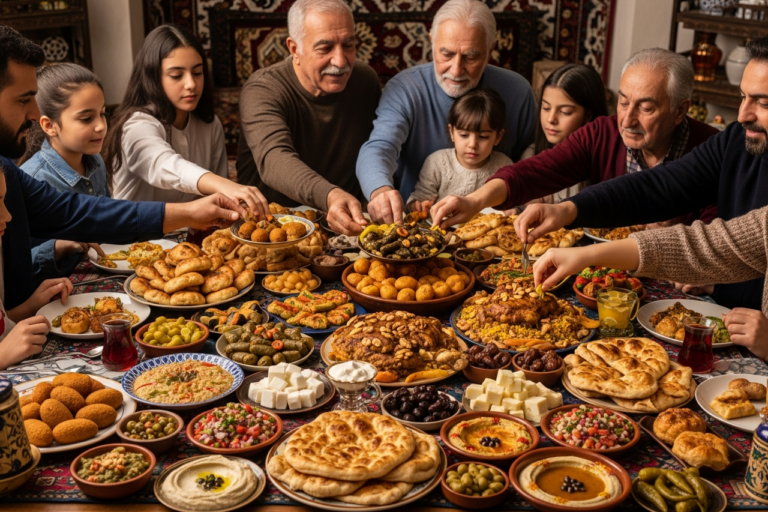
In Iraqi cuisine, people usually eat lunch as the main meal of the day. They will have big dishes at this time.
-
Breakfast is important for family life, and often there will be fresh bread like samoon on the table.
-
Dinner is not as heavy as lunch, except when there are special occasions.
-
Meal times in Iraq are shaped by cultural traditions, religious events such as Ramadan, and family life.
-
Iraqi food has a long history. Masgouf, kebabs, and different kinds of stews are some of the most popular foods.
-
Snacks and chai are part of everyday life in Iraq. They are important for hospitality and when people get together and chat.
Introduction
Welcome to the tasty world of Iraqi food! In Iraqi culture, meals are special. Meal time is not just a routine. It is important for family life and showing hospitality. People in Iraq value the moments for breakfast, lunch, and dinner. These moments bring the family together. Learning about meal times shows how much food means to them. It lets you see the heart of Iraq. Iraq has a long history with food. The dishes are old and taste good. Let’s take a closer look at how people in Iraq eat and what their daily customs are.
Daily Meal Patterns in Iraq
In Iraq, people shape their daily routine around meals. The main meal of the day in Iraqi culture is lunch. This is different from the US and Canada, where many people see dinner as the biggest meal.
Families in Iraq come together for lunch. It is a large and important meal. After this big lunch, there is a smaller dinner in the evening. This way of eating is a part of how people live in Iraq. A meal at noon brings everyone together.
Each meal is set at a different time. The main meal of the day stands out. We will talk more about these times and what makes lunch and dinner special in iraqi culture.
Typical Times for Breakfast, Lunch, and Dinner
Understanding the typical meal times in Iraq helps to appreciate the structure of daily life. Breakfast is generally eaten in the morning, setting the tone for the day. This is followed by a substantial lunch in the early afternoon and a lighter dinner in the evening.
These times can vary slightly from family to family or between urban and rural areas, but the general schedule remains consistent across the country. The rhythm of these meals is a fundamental part of the Iraqi culinary experience, distinguishing it from many Western cultures where dinner is the primary focus.
Here is a general guide to meal times in Iraq:
|
Meal |
Typical Time |
|---|---|
|
Breakfast |
7:00 AM – 9:00 AM |
|
Lunch |
1:00 PM – 3:00 PM |
|
Dinner |
8:00 PM – 10:00 PM |
Structure of Iraqi Meals Throughout the Day
The way people in Iraq eat shows a lot about their culture. In Iraq, lunch is the main course of the day. Everyone comes together to enjoy this big meal. This is not like in the West, where people have a light lunch and a bigger dinner.
These meals are about more than just eating. They be about family and community. The main meal is a chance for everyone to sit down, share local cuisine, and spend time together. Fresh flatbread is almost always on the table. People use it to scoop up and enjoy the food. Breakfast and dinner are lighter. They help fit around the big lunch.
Here is what meal times look like:
-
Breakfast: This meal is light, but it helps start the day.
-
Lunch: Lunch is the main course with many dishes to try.
-
Dinner: This meal is lighter, with simple foods or leftovers.
-
Snacks: People like to eat snacks and have a cup of chai during the day.
Breakfast Traditions
In Iraq, breakfast is a special part of the morning. It is a time when the whole family comes together before people go to work or the kids leave for school. This meal is for talking and sharing, with simple food that tastes good.
There is almost always a cup of chai on the table. The hot drink helps everyone feel ready for the day. The meal is also made better by some fresh bread. Eating together like this is an important part of family life in Iraq. Up next, we will look into the different foods you can find in a traditional Iraqi breakfast and talk about why this meal is important for many people in Iraq.
Common Breakfast Foods
An Iraqi breakfast gives you a mix of great flavors. It is often simpler than lunch, but it still has many choices. One key thing in this meal is fresh bread. The samoon, which is diamond-shaped, is usually baked fresh and served warm.
This fresh bread goes well with different foods. At the table, you might find eggs, cheeses, and dips. Maklama, with lamb, eggs, and tomatoes, is a main breakfast dish. It gives a tasty start to your day.
Here are some usual foods you get in an Iraqi breakfast:
-
Samoon: This is a traditional Iraqi bread. It works well for dipping.
-
Maklama: This is a dish with lamb, eggs, and tomatoes.
-
Cheeses and Olives: They are simple and fresh and go well together.
-
Dips: You might see baba ghanoush or hummus here.
-
Chai: Sweet, hot tea is always part of the meal.
Social and Cultural Importance of Morning Meals
In Iraqi culture, breakfast is much more than just something to eat in the morning. It is a big part of family life and shows how important hospitality is to the people. When families gather for breakfast, they get a chance to spend time together. This time helps everyone feel close before the busy day begins.
Breakfast is also a good time to show kindness to guests. Sharing this first meal with people is a friendly and warm action. It shows that the people of Iraq care about community and like to give to others, which are both strong values in Iraqi culture.
The way people have breakfast every day can affect how the rest of the day goes. When families start their morning together, it makes them feel connected. This practice is a big part of daily life and shapes the way other meals are shared all through the day.
Lunch as the Main Meal
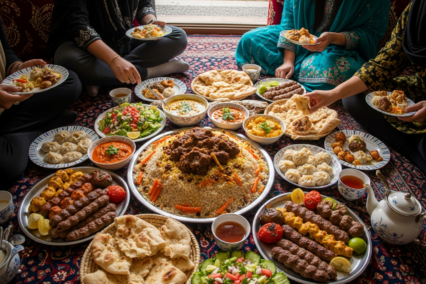
In Iraq, lunch is the main meal of the day. This is true in cities like Erbil and Mosul and in small villages too. Lunch is usually served early in the afternoon. It is bigger and more filling than other meals. At this time, families get together and share a lot of tasty Iraqi food.
Lunch is at the center of daily life in Iraq. It is not rushed, like the lunch breaks that many people have in other countries. Because lunch is so important, it helps set the daily routine and work hours for many people. Let’s see the top dishes served for lunch and how lunch time can change in different parts of Iraq.
Popular Lunch Dishes
The lunch table in Iraq shows the country’s food traditions. One popular dish is masgouf. This is often seen as the national dish of Iraq. It uses carp, a river fish, that is grilled. The fish gets marinated and slow-cooked. People know it takes a lot of time to get it ready.
Other than fish, dishes with lamb are everywhere. You will see kebabs with rich taste, or stews that feel filling. These meals include many spices that stand out, but they are not as hot as in other nearby places.
Here are some popular lunch dishes in Iraq:
-
Masgouf: The national dish, a grilled carp.
-
Kebabs: Skewered and grilled lamb or chicken.
-
Stews: Rich and savory, often served over rice.
-
Dolma: Stuffed vegetables, a regional favorite.
-
Rice and bread: Essential accompaniments to every main meal.
Lunch Timings in Urban vs Rural Areas
While lunch is consistently the main meal across Iraq, the exact timing can vary between urban and rural areas. In urban areas, the workday or school schedule often dictates a slightly later lunch, aligning with the close of business hours for a midday break.
In rural areas, lunch may be served earlier. The timing is often tied to agricultural work schedules, with the main meal providing a much-needed rest and source of energy in the middle of a physically demanding day. Family customs also play a significant role in determining when lunch is served.
This table shows a general comparison of lunch timings:
|
Area |
Typical Lunch Time |
Influencing Factors |
|---|---|---|
|
Urban Areas |
2:00 PM – 3:00 PM |
Work schedules, school hours |
|
Rural Areas |
12:00 PM – 2:00 PM |
Agricultural work, daily chores |
Evening Meals and Dinner
As night comes in Iraq, people take their time with dinner. Dinner is not as heavy as lunch. On most days, families sit together at the dinner table and share easy meals. At times, people eat leftovers from lunch.
Things are different when there are family events or guests in the house. In those moments, dinner gets bigger and turns into a fun time to show real hospitality. Now, let’s talk about the foods served for dinner. We will also see how the meal is not the same on regular days and weekends in Iraq.
Typical Foods Served at Dinner
A typical Iraqi dinner is simple and light. Most people eat a big lunch, so the main course at night is not heavy. Families often use leftovers from lunch, like stews and rice dishes.
When someone makes a fresh meal, it has lighter food. People may eat small pieces of grilled meat, salads, and fresh flatbread. The main goal is to have a meal that feels good but does not fill you up too much.
Here are some foods you may find at an Iraqi dinner:
-
Leftovers from lunch, like stews and rice.
-
Lighter soups and salads.
-
Small amounts of grilled meat or chicken.
-
Yogurt and different dips.
-
Fresh flatbread for scooping and dipping.
Differences Between Weekday and Weekend Dinners
The difference between weekday and weekend dinners in Iraq shows how much family life and special occasions matter. On a normal weekday, dinner is simple and quiet. It’s a moment for the close family to talk after a busy day. The food is easy to cook and eat.
Weekend dinners are not the same. The meal turns into a special occasion. Families get together with relatives and friends. The food is bigger and takes more work to prepare. These dinners are about enjoying time with others and celebrating, and the dishes are more varied. Meals often last into the night.
This change shows the role of cultural traditions in Iraq. Weekdays are for daily routine and rest. Weekends are for coming together, celebrating, and showing hospitality with bigger meals. This helps build strong family life and ties to others.
Snacks and Between-Meal Treats
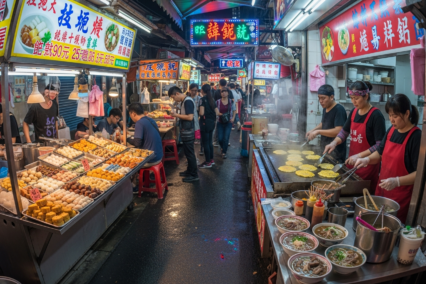
Snacking is something that many people in Iraq like to do. People often eat these tasty foods between their main meals. The street food scene in Iraq is full of different things you can try. You will find everything from falafel to a big variety of dips with bread. These snacks are about more than hunger. They also help people spend time with their friends and family.
A cup of chai is almost always with you during these snack times. People drink chai both at home and when they get food from a street food vendor. We will talk about some much-loved Iraqi snacks here. Tea and street food have a big place in how people in Iraq live each day.
Traditional Iraqi Snacks
Iraq’s street food scene has a lot to offer to people who love snacks. When you walk around the streets in towns and cities, you will see many street vendors. They sell food that is fast, tasty, and doesn’t cost much. These snacks are a big part of Iraq’s culture. You can grab one when you need a quick bite to keep going.
Many folks love falafel and shawarma in Iraq. These foods are enjoyed by people the most. They are not just like other fast food you get. Some cooks make them with care and use lots of spices. Iraq’s street food is a key part of every day for many folks. It also gives people a way to meet and talk with each other.
Here are some popular traditional snacks:
-
Falafel: Deep-fried chickpea fritters, often served in bread.
-
Shawarma: Sliced meat cooked on a rotating spit, served in a wrap.
-
Kebabs: Smaller skewers of grilled meat sold by street vendors.
-
Sfiha: Small meat pies.
-
Various pastries and sweets: Often enjoyed with tea.
Role of Tea and Small Bites in Daily Life
Tea, or chai, is more than a drink in Iraq. It is a big part of social life. People in Iraq like to drink it from small glasses. This strong and sweet cup of chai is enjoyed all day. When guests come, offering chai is a way to show good hospitality and make them feel welcome.
The act of drinking tea happens a lot during the day. It gives people a time to pause and talk. A cup of chai is shared with family, given by street vendors, or served at work meetings. The hot water, tea leaves, and sugar make this drink simple. People also enjoy it with small snacks, which helps bring them together and feel close.
Having tea and snacks happens often, not just at main meals. It shows how life and traditions of Iraq go together. These moments of sharing chai and food help build a sense of community and give people more chances to welcome and talk with others. This way of living is important and shapes every day for people in Iraq.
Influence of Culture and Religion on Meal Times
The time and kind of meals in Iraq connect closely to its culture and faith. Both religious festivals and special occasions change when people eat and what type of Iraqi cuisine is shared. When these events happen, they can bring big changes to the daily meal routine.
For example, in the month of Ramadan, people in Iraq stop eating and drinking from sunrise to sunset. This special time changes the whole eating schedule. Religious festivals and other special occasions also mean more food and meals with family and friends. Let’s look more at how Islamic holidays and traditions can change what people in Iraq do with their meals.
Effects of Islamic Practices on Eating Schedules
Islamic practices are an important part of eating times in Iraqi culture, especially in the month of Ramadan. During Ramadan, Muslims do not eat from dawn to sunset. This changes when people eat during the day. Instead of having breakfast, lunch, and dinner, they have a meal before dawn called suhoor and then eat again after sunset, which is iftar.
Not just during Ramadan, but also every day, the five daily prayers can affect when people in Iraq eat. Many families might plan their meals right before or right after a prayer. In this way, both faith and tradition can be felt at the table.
These habits help show how much religion is part of life in Iraq. The time people eat is not just about what is easy for them or what they are used to. For many, the eating schedule is a big part of their spiritual beliefs and their cultural story. It is something that helps shape each day for people in Iraq.
Adjustments During Holidays and Special Occasions
Holidays and special occasions in Iraq come with big meals and eating together. This means people often change their regular meal hours. During religious celebrations, like Eid al-Fitr and Eid al-Adha, families and friends share large meals. These meals can go on for many hours.
On these special occasions, people do not have their usual simple dinner. Instead, there is a big evening feast. The main idea of these gatherings is sharing and having plenty of food. People often make special foods for the day. Sometimes, you will see the national dish of Iraq, masgouf, on the table. This shows how important the event is. Food is a key part of these celebrations.
During family events and holidays, the way people eat changes. This shows how much food means to Iraqi culture. Eating together is a big part of how people in Iraq celebrate and welcome others. It is also how they keep bonds strong in their families and communities. Meal times move around so everyone can celebrate together and enjoy the moment.
Conclusion
In short, meal times in Iraq show the strong roots of culture and social life. People eat breakfast to get energy for the day. Lunch is the main meal, and families and friends often eat it together. This shows how food in Iraq brings people close. Evening meals also play a role. The way people eat can be different on weekdays and weekends. This tells us that sharing food means a lot in Iraqi culture. Learning about these eating habits gives us a look into daily life in Iraq. It also shows the close link between food and what people value most. When we take part in these meals and traditions, we can better enjoy all that Iraqi food has to offer and better understand the rich world of iraqi culture.
Frequently Asked Questions
Are meal times different for families across Iraq?
Yes, meal times can be different in Iraq. In Iraqi culture, lunch is usually the main meal of the day. Still, the time people eat lunch can change depending on family life, where you live in Iraq, and local customs. People in cities may eat at a different time than those in rural places. Many things shape how and when families have their meals.
How do work and school schedules influence when people eat?
Work and school schedules can change the way people spend their day, especially in a city like Baghdad. Many companies and schools stop for a long break around midday. This gives families time to come home and sit for lunch together, which is often the biggest meal of the day. Because of this, even though people work, the custom of having a big meal with family in Baghdad still goes on.
Is lunch always the main meal in Iraqi culture?
Yes, in Iraqi culture, lunch is usually the main meal of the day. This way of life is strong in the country. Times may change because of modern life, but a big lunch is still very important. People often get together for a large meal with loved ones. This meal often has some dishes that many people know and love in Iraqi cuisine. Lunch is a big part of their time with family and a key part of the day.