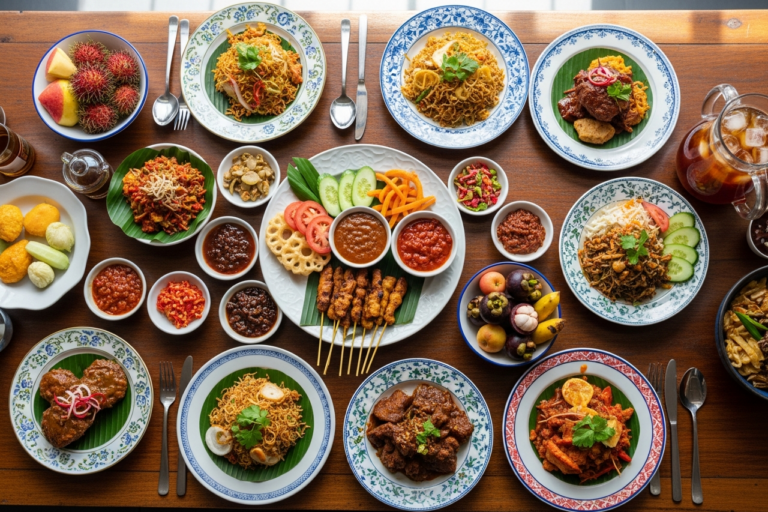
Key Highlights
-
In Indonesia, meal times are often shaped by old customs, but people can change them based on where they live or how they work.
-
Breakfast is a big part of the morning. Many people eat rice porridge or pick from many street food and popular dishes.
-
Lunch is seen as the main meal. You will find many dishes served with rice. People often eat lunch at a warung or in a Padang restaurant.
-
Most people have dinner after sunset. The time they eat can be different in cities and small towns.
-
People in Indonesia like to snack. There are many tasty choices sold by street vendors all day.
-
It is important to use your right hand while eating with others, as this is a custom and key part of Indonesian food culture.
Introduction
Have you ever thought about how everyday life moves in Indonesia? The food is a big part of indonesian culture. The times people eat are just as interesting as the food itself. In Indonesia, the main meal might not be what you expect or when you expect it. Looking at the meal times all over this group of islands helps us see how people live, what matters to them, and how they come together. Let’s learn when Indonesians like to have their main meal.
Overview of Indonesian Meal Times
In Indonesia, people do not follow strict times to eat. Meal times are just guides and can change with the day. You may find set hours for breakfast, lunch, and dinner, but they often move around based on where you are, your job, or what plans you have with others. For some, lunch is the main meal of the day and for others, it is dinner. Families like to sit together at the dining table.
Different parts of the country have their own meal times that they like best. Breakfast may be light, with rice porridge, while dinner can be much bigger. The time of day people eat depends a lot on local habits. Using good table manners is important everywhere. This means you should use your right hand, not your left hand, to eat. It does not matter when you eat, these little things are always part of the meal. Let’s look more at the common times and customs.
Typical Breakfast, Lunch, and Dinner Hours
Generally, Indonesians start their day with breakfast between 6:00 AM and 8:00 AM. This meal can range from a simple bowl of rice porridge to a more substantial plate of nasi goreng. It’s meant to provide energy for the morning ahead.
Lunch is usually served between 12:00 PM and 2:00 PM. For many, this is the main meal of the day, enjoyed with colleagues, friends, or family. Dinner is typically a lighter affair, eaten between 7:00 PM and 9:00 PM, often as the sky gets dark. This is a time for family to gather around the dining table and share stories from the day.
Here is a general guide to the time of day for meals in Indonesia:
|
Meal |
Typical Time |
|---|---|
|
Breakfast |
6:00 AM – 8:00 AM |
|
Lunch |
12:00 PM – 2:00 PM |
|
Dinner |
7:00 PM – 9:00 PM |
Importance of Set Meal Times in Daily Life
In Indonesian culture, eating together is a big part of daily life. The dining table is where family and friends come to talk, share stories, and feel close. The main meal, like lunch or dinner, is often the best time for this.
When people eat together, it builds a pattern and helps make life feel steady. Kids pick up table manners and learn how to act by watching their elders at the dining table. Sharing a meal shows the values of being together and treating each other well.
It can be hard for families to always sit down at the dining table because of busy schedules, but many still make the main meal of the day a priority. This habit makes the home feel warm and the people in it feel connected. For many, what is shared at the table—the time, the talk, and the laughs—is just as good as the food itself.
Flexibility Versus Tradition in Eating Schedules
Meal times in Indonesia show a mix of old ways and new habits. Local people may follow classic times for breakfast, lunch, and dinner. But they also change when they eat to fit their daily plans. So, meal times do not always stay the same each day.
In busy cities, people often pick what is easy. Street food and places open all night let people enjoy Indonesian cuisine at almost any hour. Some eat when they feel hungry, not because it is a set time.
But in rural areas and at family get-togethers, tradition remains big. The main meal of the day is often planned, bringing everyone in the home together. This mix of steady and flexible eating shows how local people blend old customs with today’s needs. It makes Indonesian dining feel special.
Breakfast Culture Across Indonesia
In Indonesia, the morning meal is full of color and taste. It shows how wide and rich the local food can be. People see breakfast as an important way to start the day. It helps you get the energy you need for work or school. You may see things like savory rice porridge, called bubur, or tasty coconut rice with a nice smell. Sometimes this rice comes wrapped in a banana leaf.
Many people in Indonesia will stop at a street vendor for breakfast before they go to work. Quick meals like these taste really good. You can find foods made with rich coconut milk and a bold peanut sauce. In this guide, you will learn about the most common breakfast foods and find out how they change from place to place in Indonesia.
Common Indonesian Breakfast Foods
Indonesian breakfast is tasty and has lots of choices. You will not see many dishes the use cereal or toast. The food is full of flavor, both salt and sweet. Rice is always there. You eat it plain or in big meals.
One of the top breakfast meals is bubur ayam. It is a warm rice porridge with chicken, soy sauce, and crispy shallots. Some people like nasi goreng. This is fried rice. It comes with a fried egg. If you want food fast, go with instant noodles. They are easy and fill you up.
Here are some common Indonesian breakfast foods:
-
Bubur Ayam: Warm chicken rice porridge.
-
Nasi Goreng: Fried rice, usually with a fried egg and crackers on the side.
-
Nasi Uduk: Rice cooked in coconut milk, served with side dishes.
-
Ketan: Sticky rice that can be salty or sweet with palm sugar.
-
Mie Goreng: Fried noodles, another fast and popular meal.
Regional Variations in Breakfast Items
Indonesia is made up of many islands. Because of this, breakfast can be very different based on the region of Indonesia you are in. Local food, history, and what people have used for many years change what people eat on a normal day. The old spice trade brings strong taste and makes many popular dishes in Indonesia very tasty.
For example, in Manado, North Sulawesi, you can get tinutuan. This rice porridge is made with pumpkin, sweet potato, lemon basil, and greens. On the island of Java, people like to eat nasi kuning. This yellow rice, made with turmeric and coconut milk, is enjoyed for big events and feels like a treat. Another breakfast you will see is bubur ayam. Each region of Indonesia tops this dish with different small things and uses special local spices to make it taste new.
Trying breakfast in different places lets you see how small things and special flavors make every meal an adventure. Each island gives its own twist to the first meal of the day, so you get to know all the many ways Indonesian food is shared.
Breakfast Customs in Urban Versus Rural Areas
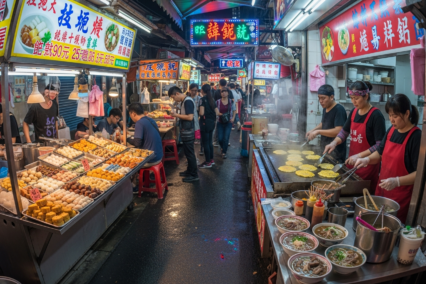
Breakfast habits in Indonesia are not the same in every place. There is a big difference between city and village life. In busy cities like Jakarta, people want their breakfast fast. Many in the city stop at street vendors on the way to work. These street vendors give people cheap and tasty Indonesian food. You can get sticky rice snacks or even bigger meals from them.
In the villages, things move at a slower pace. There, people keep to old ways of eating breakfast. Families often cook and eat their first meal together at home. They use local food, sometimes just picked from their fields. The recipes may come from their parents or even their grandparents. For them, mornings are about being together.
While people eat different things, breakfast always matters. Some people get a quick meal at a street vendor in the city. Others have a slow, home-cooked breakfast in a village. No matter where they are, breakfast is an important part of the day for everyone in Indonesia.
Lunchtime Traditions and Practices
Lunchtime in Indonesia is often the main meal of the day. Between 12 PM and 2 PM, cities and villages get busy with people looking for food. At this time, most people sit down to eat a big plate of rice with many tasty side dishes.
You can find lots of choices at a street corner with street food stalls or at a Padang restaurant. These places offer meals like fried chicken and different curries. Let’s see some of the most popular lunch foods and learn about the social rituals around this important meal.
Popular Lunch Dishes in Indonesia
Lunch in Indonesia is bright and full of flavor. The main thing on the plate is rice. Most lunches have steamed rice with side dishes all around it. These side dishes can be meats, fish, vegetables, or tofu. The food is often cooked with lots of spices.
One well-loved dish is ayam goreng, which is fried chicken. People like it because it has crispy skin and juicy meat. Another popular lunch is nasi uduk. This is fragrant coconut rice. It usually comes with fried chicken, tempeh, and a little spicy sambal. The mix of sweet soy sauce, peanut sauce, and fresh vegetables gives the meal great taste.
Here are some lunch favorites:
-
Nasi Campur: Mixed rice. You pick from many side dishes to have with your rice.
-
Soto Ayam: Chicken noodle soup. This often comes with rice cakes.
-
Gado-Gado: Vegetable salad with hard-boiled eggs, tofu, and peanut sauce.
-
Rendang: Slow-cooked beef with spice. This dish started in West Sumatra.
Street Food and Warung Lunch Scenes
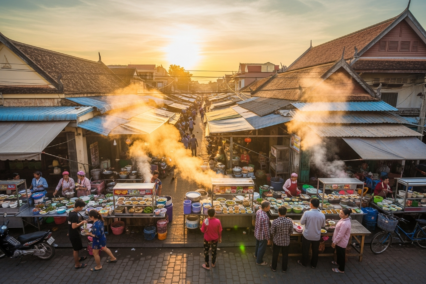
The lunch scene in Indonesia is filled with street food and warungs. Warungs are small spots run by families. These places are a big part of indonesian food culture and give local people real and cheap meals. You will find them on almost every street corner, full of people at lunch time.
Street vendors usually make only one or two dishes. They spend a lot of time getting their food just right. It doesn’t matter if it’s a small cart or a larger stall—you can get some of the best food there. Many meals come on a banana leaf. A banana leaf brings a gentle smell to the food, and it is better for the earth than using plates.
A warung gives you a bigger menu and somewhere to sit for your main meal. Sometimes it’s the small things they do, like seasoning a satay skewer just right, or putting together a big plate of mixed rice. These places let you enjoy a true taste of home cooking in Indonesia and have a great lively feel.
Social Aspects of Eating Lunch
Lunch in Indonesia is usually a time to be with others, where people like to eat together and share food. In the morning, family members might have breakfast at different times because they have busy days. But for lunch, friends, coworkers or family often meet to eat. People use this break in the middle of the day to talk, relax, and enjoy each other’s company.
Sharing food is a big part of eating at a dining table. When people eat as a group, they often order many dishes and place them in the middle. That way, everyone can try a bit of each. This makes lunch feel friendly and lets everyone enjoy more tastes.
Even when eating lunch with family, it is often the main meal when everybody is together, especially on the weekends. For every meal, it is important to show respect at the dining table. People make sure to use their right hand when eating. Lunch is not just about food. It is also a special time in the day to be with people you care about.
Evening Meals and Dinner Habits
When the sun goes down, people in Indonesia get ready for dinner. Dinner time is usually between 7 PM and 9 PM. For many, this is the main meal of the day. It’s a time for people to sit together and relax. The meal might be lighter than lunch, but it is still special. There are often side dishes that go with rice at this time.
Indonesian cuisine is full of popular dishes you can enjoy for dinner. You will find warm soups and stir-fries that taste great. Good table manners are important. They help make dinner time with family good for everyone. Now, let’s look at what time people eat, what dishes they like, and some social customs during the main meal in Indonesia.
Typical Dinner Hours in Different Regions
Dinner time in Indonesia changes based on where you are. In big cities, life moves fast, so people often eat dinner later. Many people get home after a long day at work. They may eat dinner at 8 PM or even 9 PM. Some of them have dinner at home, while others go out to places that stay open late.
In the countryside, dinner is usually earlier. It matches the time when the sun goes down. Many families sit down and eat around 6 PM or 7 PM. The popular dishes at dinner also depend on the place. On the island of Lombok, people like to eat spicy grilled chicken. In a city where there is a big Padang community, a Padang restaurant is a good spot for dinner.
These different times and foods show how life and culture are not the same everywhere in Indonesia. So, from a loud city to a peaceful village, dinner time, the taste of the food, and the kind of popular dishes you get all depend on where you are and how people live each day.
Main Courses Enjoyed at Dinner
Dinner in Indonesian cuisine is a tasty mix of flavors. Rice is once again the main food on the table. Some people like to have a light dinner, but many families see dinner as the main meal of the day. They often make a plate with many side dishes that everyone can share.
The food served at dinner is much like what most people have for lunch, but the time and feel of eating it can be different. At night, families might eat their favorite home-cooked meals together. Opor ayam is a popular dish. This is a mild chicken curry with coconut milk. If there is leftover rice, it can be turned into nasi goreng. This is a quick and good meal, and many people eat it with a fried egg on top.
Common dishes for dinner include:
-
Sayur Lodeh: This is a stew made from vegetables in coconut milk.
-
Ikan Bakar: This is grilled fish. It is marinated in spices and sweet soy sauce.
-
Cap Cai: This is a mix of stir-fried veggies, sometimes with chicken or seafood.
-
Perkedel: These are fried patties. They are made from potato, corn, or ground meat.
Family and Community Dining Practices
Dinner in Indonesia is a special time for families and community. Most people are home at dinner, so that makes it the main meal of the day. This is when the family gets to sit at the dining table, catch up, and spend time together after working or going to school.
Sharing is a big part of dinner. Side dishes are served in the center of the dining table, and everyone takes what they want. This way of eating helps people talk to each other and makes family ties stronger. It’s a good time to slow down, enjoy food, and be with the people you care about.
This tradition is not only for family. People also invite neighbors or friends over for the main meal. Sharing food shows respect and friendship. Eating together helps make community bonds stronger.
Snacking Between Meals in Indonesian Life
In Indonesia, people do not eat just three main meals in a day. They love to snack all the time, and there are so many types of snacks to try. Someone can eat a little food whenever they want, like spring rolls dipped in peanut sauce or sweet snacks made with palm sugar.
The culture of snacking is very much a part of daily life in the country. There are street food carts and small stalls everywhere. These places offer so many snacks to buy quickly when you feel a bit hungry. Now, let’s look at Indonesian snacks and see why they are important to the people and the culture.
Favorite Snacks Indonesians Enjoy
Indonesians really like to eat snacks. The choices around them are many, so you can always get something you want, be it sweet or salty. Most people like to buy these foods from street food sellers. The food there is local, tasty, and not too expensive.
When they want something salty, people often pick fried local food called gorengan. This can have things like fried bananas, fried tofu, or fried vegetable fritters. Spring rolls, known as lumpia, are another top pick. If you are looking for something sweet, you may see kue, which are traditional cakes made with sticky rice, coconut, and palm sugar. Ice cream is also popular, and it comes in unique flavors here, like durian or avocado.
Here are some snacks that people love in Indonesia:
-
Martabak: This is a thick pancake that people fill with sweet stuff like chocolate and cheese, or with salty things like egg or meat.
-
Bakso: Meatball soup that’s sold by sellers moving around. It is filling, so it works as a snack, too.
-
Lumpia: These are crunchy spring rolls with vegetables or bamboo shoots inside.
-
Pisang Goreng: Fried bananas that are sweet and hard to say no to.
Snack Timing and Frequency
Snacking in Indonesia is not set by a clock. It is a relaxed part of life. People have a snack when they want it. It can be in the morning, late afternoon, or after dinner. This shows that meal times in Indonesia are easy to change. They go with what you feel.
Most people snack during the afternoon, after lunch and before dinner. It is a top time to have a little food and recharge. Street vendors are busy then. You can see many students and workers get food from them at this hour.
How often people snack is not the same for everyone. Some take one or two breaks for snacks each day. Some like to eat small bites more often. This habit makes indonesian food always close by. Meals can be big or small. People enjoy tasty snacks from street vendors all day.
Cultural Significance of Snacking
In Indonesian culture, snacking is more than just eating between meals. It is a big part of daily life, a way for people to be friendly, and helps show what foods are important in the country. When you give a snack to someone who visits your home, it is a real sign that you are glad they came.
Street vendors working on a busy street corner do much more than sell food. They help bring people together. People come to these carts not only to eat, but also to talk, find out local news, and have fun with each other. With this social side, a short snack break can mean a lot and help people feel closer.
Many special snacks are still a big piece of family events and important days in indonesian culture. Most of these snacks are made and shared at these gatherings, which keeps old customs alive and brings people closer. So, the snack you find at the street corner or at home says a lot about how people in Indonesia live, spend time, and care for each other.
Regional Diversity in Eating Schedules
Indonesia is made up of many cultures, and you can see this in the different eating schedules in each region of indonesia. Meal times are not the same everywhere. There is a big difference in when local people eat from one part of the country to another. Things like the weather, local economy, and customs all change when food is served.
No matter if you are in a busy city or a quiet village, people shape their own routines around food. From when they have the main meal to what happens at the dining table, these things show the unique food culture of Indonesian food. When you look at different parts of the country, you can find out even more about how they eat and live.
Western Indonesia (Sumatra, Jakarta)
In Western Indonesia, you will find big cities like Jakarta and huge islands like Sumatra. In Jakarta, most people start their day early to avoid traffic. Breakfast is quick and often from a street food place.
Lunch is the main meal for office workers and happens between 12 PM and 2 PM. People eat this with their coworkers. Many have to wait until later for dinner because of long trips home after work. The city gives you a mix of high-end places and small street stalls. You can get food any time of day.
In Sumatra, city people eat much like Jakarta, but in villages, people might eat earlier. Food here uses coconut milk a lot. Padang food is a good example because it is bold and tasty. Most people share a large lunch together, with dinner being a small meal eaten with family.
Central Java, Yogyakarta, Bali
The meal times in Central Java, Yogyakarta, and Bali match well with the culture and farming schedules in these places. Here, people focus on eating together with family and friends. The meals also move at a slower pace than in Jakarta. The food from this area often has both sweet and salty tastes, and sweet soy sauce is a big part of the cooking.
In Central Java and Yogyakarta, lunch is usually the main meal. Families and workers meet to eat a big serving of rice and different side dishes. For breakfast, people might eat something light like gudeg (jackfruit stew) in Yogyakarta or yellow rice.
Bali is a bit different. The people follow Hindu rules and many farm. They eat based on the work in the fields and religious days. But in places with lots of tourists, you can find restaurants open all the time. These serve many kinds of food at any hour. Still, for most people in Bali, eating rice together is still very important.
Eastern Indonesia (Sulawesi, Papua)
In Eastern Indonesia, like in Sulawesi and Papua, daily life is shaped by the land and sea. People plan meal times around farming and fishing. There is a strong community feel to the way food is cooked and shared. Local food is big in their everyday meals.
In Sulawesi, people often eat their main meal in the middle of the day. This helps farmers and fishermen get energy for their work. Food in Sulawesi changes based on the area. If you live by the coast, you eat more seafood. If you live inland, you use village chickens and fresh vegetables.
In Papua, sago or tubers are the main food instead of rice. People eat what they can gather from the land or sea. Main meal times are not always set. People eat when food is ready or when everyone comes together. Sharing local food brings everyone together and is at the heart of village life.
Urban Versus Rural Meal Patterns
The difference between how people live in the city and the country in Indonesia shows up a lot in how they eat every day. In the city, life moves fast, so people want food that is quick and easy. In the villages, folks live in a slower way and share meals together. This changes when people eat and how their meals look.
The gap is clear when you look at what time people choose to have their main meal and what they eat. Indonesian cuisine is great because it fits both city and village settings. Street food helps people in the cities get their meals fast. In the country, people often use farm-fresh foods for the main meal of the day. Let’s see how these ways of life change eating habits for everyone.
Comparison of Meal Times in Cities and Villages
In Indonesian cities, many people work from 9 to 5 or even longer. This work schedule changes when they eat meals. Breakfast is often quick. Lunch happens around noon and is a more planned break. Dinner can be late, depending on the traffic and the work people do. Because there are so many street food stalls and restaurants, local people have many choices for food at almost any time.
In rural villages, people eat meals based on nature. Time to eat can be at sunrise, sunset, or after working on the farm. The main meal is often a big lunch that gives people energy for more farm work later in the day. Dinner is eaten earlier and cooking is done at home. Families usually eat together at the dining table.
The timing of meals may change between the city and village, but meals still matter for people’s social lives. Whether you have a short lunch with coworkers near street food in the city or a slow dinner with your family at the dining table in a village, food helps local people connect.
Influence of Modern Lifestyles on Traditional Schedules
Modern life, especially in the city, is changing how people in Indonesia eat their meals. People’s busy days and long travel to work mean that eating together at the dining table happens less often. Everyone wants food that is quick and easy.
More people are eating instant noodles and ordering food through delivery. These choices make it simple to get a main meal without spending much time cooking. Instant noodles are now popular with young professionals and students. It is a go-to meal for lunch or a late-night snack.
Even with these changes, old ways still matter. Many Indonesians try to keep the tradition of having a family meal at the dining table. This is often done on weekends or holidays. The mix of quick food and family tradition shows what today’s Indonesian food is all about.
Accessibility to Food and Its Impact
Food accessibility shapes how people eat meals in Indonesia, and there is a clear difference between cities and villages. In cities, food can be found any time of day. Street vendors, warungs, and modern cafes fill the streets. You can get street food or a full main meal whenever you want. This easy access lets people eat flexibly and make choices on the spot.
In remote or rural areas, local people face more limits when it comes to food. Most depend on what they grow themselves or what is sold at the local market, which may only be open on certain days. The food you can get often changes with the season and the harvest. Meals here need more planning.
This gap in food access changes how people live from day to day. An urban worker can have their main meal at 10 PM. In contrast, a rural farmer eats when the sun is out and when they have fresh food. This shows how where you live and the infrastructure around you can guide, and even decide, the rhythm of eating.
Family, Work, and School Influences on Meal Times
The daily routines of each family member, like going to work or school, play a big role in setting meal times in Indonesia. Life today is busy, so the usual idea of everyone eating together for every meal does not always happen. The school hours for kids, work hours for parents, and the different shifts for some people change when they get to eat.
In indonesian culture, it is important to share the main meal of the day while sitting at the dining table. Still, families try to find new ways to keep this tradition, even when their lives become busy. Here, we take a closer look at how school, work, and the family order help decide the daily time for meals.
How School Timetables Affect Children’s Meals
School timetables shape when a child eats. Kids start their day with an early breakfast. This meal is important because it gives the energy they need for morning classes. Breakfast is usually fast but still has to be good for them. It helps the child get ready for a busy day at school.
At lunch, schoolchildren often bring food from home. This is called bekal. Sometimes they may buy lunch from the school canteen. Lunch happens at a set time in the school day. It gives them a break and helps them get some energy for the time after lunch. When school ends, many kids look forward to an afternoon snack. This snack is part of their normal routine and something they enjoy.
Because of these school schedules, families may only eat meals together at dinner or on weekends. This is different from adults who do not have set school hours. Adults usually have more freedom to choose when to eat. This shows how people in the same house can have different eating patterns, depending on what stage of life they are in.
Meal Schedules for Working Adults and Shift Workers
For working adults in Indonesia, their job decides most of their meal times. Many office workers stick to a usual routine. They have a fast breakfast at home or while going to work. Lunch is set around noon. They eat dinner after they get home. Lunch is an important time to sit with coworkers and share a meal.
But things are not the same for shift workers. These are people like factory staff, healthcare workers, or those who work in the service world. They do not eat at the same time as others do. Their hours be quite different. A main meal for these workers might happen at 3 AM. What some of them call dinner could take place early in the morning.
Because of this, many people need to be more flexible with their meals. The good news is, in the cities, you can find Indonesian food at any hour. The food scene works all day and all night. So, a hot main meal is easy to get, no matter the time. This is a big help for all workers, so no one has to go without food.
Elders and Traditional Meal Routines
Elders in Indonesian families often hold onto old ways, and this includes how the family eats each day. They like to stick to set times for meals and believe this is part of having a good and well-ordered life. For many of them, there is no skipping breakfast, lunch, or dinner.
The main meal at the dining table means a lot to these families. It is a time when everyone comes together. The elders often sit at the head of the table. They make sure customs and good manners are followed. Having them there helps remind others of how important it is, in indonesian culture, for families to eat together and show respect to each other.
In a lot of homes, other people plan their meal times around when the older family members like to eat. Paying respect to elders plays a big part in indonesian culture. Their steady hold on meal traditions also helps the family keep these key ways, even when life is fast and busy now.
Etiquette and Table Manners During Meals
When you join a meal in Indonesia, it’s not just about the food. The way you act at the dining table shows good manners and respect. Understanding table manners is an important part of getting to know Indonesian culture. Even small things you do can mean a lot and show thanks to the people who welcome you.
It’s important to use your right hand while eating or if you give food to someone else. In this culture, people see the left hand as unclean, so you should not use it with food or at the table. Being a good guest matters to people in Indonesia. When you follow these ways, your time having a meal with others will be better. Here, we will look at some of the main rules you may see during dining.
Cultural Norms at the Table
Showing good table manners in Indonesia shows that you respect the people you are with. The rules for this are an important part of the culture and should be followed, especially if you are a guest. There is one main thing you need to remember—it is about your hands.
You have to use your right hand when you eat, handle food, or give something to someone else at the table. People use the left hand for personal hygiene, so you should keep your left hand off the table or let it rest in your lap. If you use silverware, hold the spoon with your right hand and the fork with your left. You will use the spoon to eat most of the food.
Here are some things to remember about table manners:
-
Wait for the Host: Do not start eating before the host or oldest person at the table tells you it is time to begin.
-
Use Your Right Hand: Always eat or pass side dishes and other food with your right hand.
-
Take Modest Portions: Take a small amount of rice and side dishes at first. You can get more after you finish.
-
Finish Your Plate: Eat all the food on your plate. This also shows you liked the meal.
Sharing and Hospitality Practices
Hospitality is at the heart of Indonesian culture, and you can see it best when it comes to food. If you get invited to an Indonesian home for a meal, it means the people have real respect and care for you. Your hosts will often bring out plenty of their best Indonesian food.
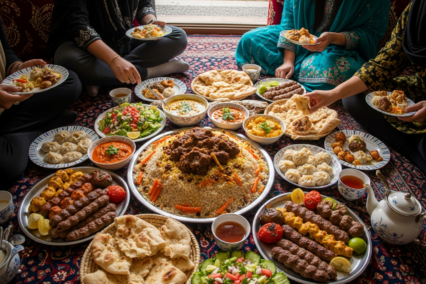
At the dining table, sharing is an important part of the meal. Dishes are put in the middle, and each person takes some. This way of eating brings people together and makes everyone feel welcome, like family.
When you are a guest, it is right to say yes to the food and drinks you are given. Saying no may be taken the wrong way. The host wants you to feel comfortable and full. By enjoying their food, you are also showing thanks for the kindness shown to you.
Respectful Dining Conduct for Visitors
When you visit Indonesia, using good table manners will make your hosts happy. Paying attention to small things during a meal shows you have good manners for the dining table. The most important thing to remember is to use only your right hand when touching food or giving something to someone.
At the dining table, look at what your hosts do. It is good manners to wait until the oldest or most important person at the table starts to eat. After they begin, you can start too. When you serve yourself from dishes that everyone shares, use the serving spoons. Take only a small amount of food first.
If you want to say thanks, it is nice to say something good about the food. Try saying, “enak sekali,” which means “very delicious.” Simple words like this will make your host glad. By following these small things and basic table manners, visitors can have a good and respectful time at any meal and learn more about being with people in Indonesia.
Modern Changes in Indonesian Meal Times
The usual way that local people eat together in Indonesia is starting to change. This is because of new things coming in from outside the country, more people living in cities, and new technology. The old routine of families sitting at a dining table is now up against faster and more easy ways to eat.
Many people now use food delivery apps. Instant noodles have become a main meal for a lot of people who need something quick. These things are making a new way for how people eat. Let’s see how these changes are having an effect on when, what, and how people eat in Indonesia.
Effects of Urbanization and Technology
Urbanization has changed the way many people in Indonesia eat. As more people go to cities for work or school, they live much faster lives. This makes it hard to cook meals the same way as before. A long trip to work or school can take up the time that was once used to prepare a family main meal.
Now, you can use technology to help with this. Food delivery apps are very popular. They let you get all types of Indonesian food just by pressing a few buttons on your phone. It is now easy to get a hot main meal or a nice snack any time you want, day or night.
Because of this, the way people eat now is more split up. You get many choices and can eat when you want. But, this also means people have fewer family meals together because everyone eats on their own time and picks what they like best. For many, instant noodles are now a quick and easy option.
Trends Shaped by Global Influences
Indonesian cuisine is known for bringing together ideas and flavors from many places. People from the Middle East, Chinese, and Indian traders have all shaped the food over the years. European colonists have also made their mark. Today, this mix still happens, but now you can really see it in how Western food culture is growing. Fast-food spots and new cafes are now everywhere in big cities.
These world food trends are bringing new meals and new eating habits to the table. For example, the idea of having brunch is becoming popular with young city people. Many people now look for coffee shops where they can get special coffee drinks and pastries. These places are growing fast. They have turned into new meeting spots for people, and now they some-times replace the classic warung.
Even though a bowl of rice with savory side dishes is still the main meal for many, people now have more choices than ever. This meeting of local and global tastes is leading to exciting food changes. Someof these trends include putting sweet soy sauce on dishes made with Western ways of cooking. Also, people now enjoy meal types like a late-night snack or brunch, showing how Indonesian cuisine keeps growing.
Conclusion
Learning about meal times in Indonesia helps you see how the country’s culture works. There is a mix of old ways and what is new. Breakfast is usually eaten at set times. Lunch and dinner are not just about food. People come together to eat, talk, and enjoy their time. This mix shows how life in Indonesia can be both planned and open, all while old customs are still kept alive. If you look closer at these meals, you can get to know Indonesian culture better. You learn how it helps people feel close as a group.
If you want to know more about Indonesian cuisine, or if you need tips on eating with others the local way, you can ask for a free talk.
indonesian culture, indonesian cuisine
Frequently Asked Questions
Are Indonesian meal times fixed or flexible?
Indonesian meal times are not strict and can change a lot. Many local people do follow the idea of three meals a day. But in big cities, they often eat when it works for them. People in different parts of the country may pick other times to eat. This can be because of their work, how they hang out with others, and the way indonesian food is always around.
What foods are most commonly eaten for breakfast in Indonesia?
Many people in Indonesia like to eat foods made with rice for breakfast. They often enjoy nasi goreng, which is fried rice, or bubur ayam, what is chicken rice porridge. It is common to get breakfast from street vendors. These vendors serve dishes like nasi uduk, where the rice is cooked in coconut milk and topped with many things.
Do meal times change for special occasions in Indonesia?
Yes, meal times and ways people eat can change on special days like weddings, religious holidays, or festivals. During the month of Ramadan, Muslims do not eat or drink from sunrise to sunset. They have a special meal before dawn called sahur. They also have a meal after sunset to break the fast, called iftar. This evening meal is often shared with other people in the community.