Key Highlights
Knowing when people eat in Greece helps you feel at home with their food. Dinner time, lunch, and breakfast all happen at certain times in Greek restaurants and at home.
-
Breakfast in Greece is not big. People grab a pastry and coffee to start the day.
-
Lunch is the main meal. It is eaten from 2 PM to 3 PM.
-
Dinner time in Greece is much later. Most people sit down at 9 PM or 10 PM.
-
Greek restaurants and taverns stay open well into the night, following this late routine.
-
Meals in Greece are all about being with people. They offer time to enjoy, talk, and relax, not just to eat.
Introduction
If you plan to visit Greece, you might be excited about all the great food. To really enjoy greek cuisine, it helps to learn the way of eating in Greece. Meal times are not just about the clock. They are a big part of life and culture in this country. When you go on an exploration of Athens or travel across the beautiful greek islands, knowing what time to eat can help you live like the local people. That way, you get the most out of your time in Greece and have a real experience with greek food and their way of life.
Typical Greek Meal Times Explained
Dining in Greece is a bit different and may be surprising at first. People here have their dinner much later than in many other places. Most of the time, dinner time starts after 9 PM. The reason for this is the way each day works in Greece. Lunch is the main full meal, and it plays a big part in daily life.
Having dinner so late makes the evening calm and easy. This shows that greek food in Greece is about much more than just eating because you have to. Dinner time is truly a social event. People may still have a snack between their main meals. Still, the big focus is on a slow lunch and then a relaxed, friendly late-night dinner. Let’s see what to expect from each greek meal.
What Time is Breakfast in Greece?
In Greece, breakfast is not the biggest meal of the day. Many people in Greece like to get more sleep instead of having a big breakfast. They usually choose something small and fast before they go out. You often see people get a bite from a bakery close to home when they head to work.
Most people grab a cheese pie or a spinach pie for breakfast. Another food you see a lot is the “koulouri.” It is a bread ring with sesame seeds. You can buy it from people selling food on the street. Greeks often eat these foods with greek coffee. When it is hot, many enjoy a cold freddo espresso.
Even though hotels sometimes serve more food—like yogurt, jam, and olives—what most greeks eat is simple and light. It gives them just enough to get started with the day until they eat lunch, which is the bigger meal.
Greek Lunch Hours and Traditions
Lunch is the main meal for many Greek families. People usually eat it between 2 PM and 3 PM. At this time, families get together to enjoy a big, home-cooked meal with a lot of flavor and tradition. These meals are made with fresh, local food and a lot of olive oil.
A Greek lunch is not a simple sandwich. It is the main course of the day. The food can be thick meat dishes or a good vegetable stew. This is a time to take a break, eat well, and spend time with your family before going back to the rest of your day.
Some common lunch foods are:
-
Pastitsio: This is a baked pasta dish with ground meat and béchamel sauce.
-
Legume soups: These soups are made with lentils or beans. They are hearty and good for you.
-
Homemade stews: These are slow-cooked meals with vegetables that are in season.
Dinner Time in Greece: The Late-Evening Ritual
One thing that stands out to people visiting Greece is the late dinner time. People who live there do not start eating dinner before 9 PM. It is not strange for dinner to start as late as 10 PM. The warm weather and the midday rest push dinner to a later time.
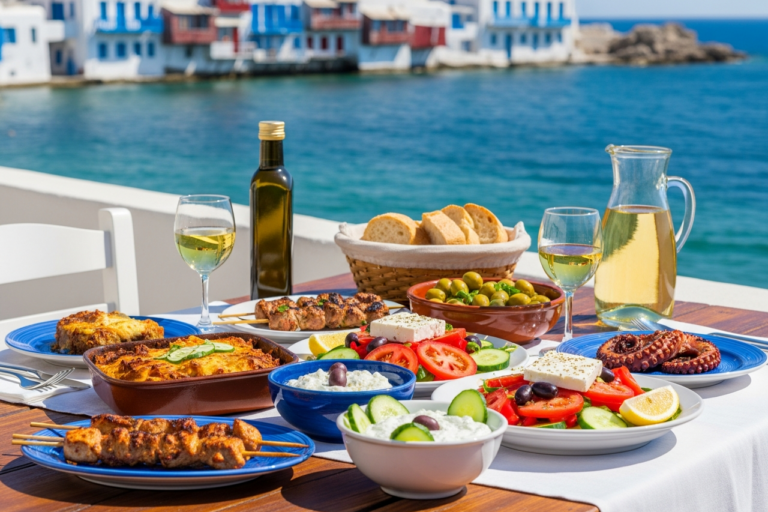
In Greece, dinner is not about eating a large, many-course meal. It is about being with friends and family. People like to share small plates called meze or enjoy souvlaki. It is common to have a glass of wine by your side, and the talk at the table can go on for hours.
Do not worry if the waiter does not try to get you to leave. People are meant to enjoy the whole dinner experience. In big cities and small villages, this late dinner is an important tradition. If you have leftovers, you can ask the waiter to pack them up so you can take them home.
Eating Out in Greece: Restaurant Dining Hours
When you want to go out for food in Greece, you will see that greek restaurants match the way of life there. No matter if you are in the center of Athens or at a small seaside town, most greek restaurants and taverns do not get busy until after 9 PM. If you come at 7 PM, you may be alone in the place.
You can go to places that give you traditional dishes or try some greek street food. Most eateries have a calm and easy feel. The next parts will help you know what to expect at these spots, like when they open and what to do about booking a table.
Restaurant Opening and Closing Times
If you’re planning to dine out in Greece, it’s helpful to know that most restaurants cater to the late-eating habits of locals. In major cities like Athens and Thessaloniki, you’ll find that many establishments serving Greek cuisine stay open well past midnight, especially on weekends. It’s not uncommon for kitchens to keep serving until 11 PM or even later.
This schedule applies to traditional taverns and modern restaurants alike. While international options like sushi or fast food might have slightly earlier hours, the general rule is that the evening starts late. Don’t rush to dinner; instead, adopt the local pace and enjoy a leisurely meal. The vibrant nightlife and dining scene are part of the experience.
Here’s a general idea of what to expect for dining hours:
|
Meal |
Typical Serving Time |
|---|---|
|
Lunch |
1:00 PM – 4:00 PM |
|
Dinner |
8:00 PM – 12:00 AM (or later) |
What to Expect at Taverns and Cafés
A traditional Greek tavern gives you a real taste of Greek dining. These places are the center of local life. They have a warm and relaxed feel. The focus is on classic meals and making everyone feel welcome. The owner may write your order on a simple notepad. The tables are set up for sharing food and long, slow talks with people.
Cafés, or “kafeneia,” also play a big part in Greek culture. They serve Greek coffee and other drinks all day. Many cafes also give you a few meze in the afternoon and at night. This is a good spot to sit with your drink, have a small meal, and watch everything around you.
When you go to a Greek tavern or café, keep these tips in mind:
-
It’s a marathon, not a sprint: Greek meals are made to enjoy slowly.
-
Sharing is encouraged: People often get lots of meze for the table to share.
-
Enjoy the atmosphere: Good talk and, at times, some live music, add to what makes it special.
How Reservation Practices Affect Meal Timing
In Greece, reservation rules change based on where you are and what kind of place you pick. In big cities like Athens, it is good to book a table, especially if you want to eat at one of the best places on a weekend night. At popular spots, people usually book their table for 9:30 PM or 10 PM.
But in many traditional taverns in smaller towns or where there are not a lot of tourists, you may not need to make a booking. You can walk in and get a table most of the time, but you might wait if you come during busy times. If you do not know for sure, call the place first. Their waiter will tell you if you should put your name down.
Going on a food tour is another easy way to enjoy the dining scene in Greece. You do not have to worry about these reservation rules. The guides often have plans with top eateries, so you can get good food and learn about how people eat there.
Greek Meal Times: Mainland vs. Islands
In Greece, eating late at night is very common. You will see this all over the country, but there are a few small differences between the mainland and the greek islands. The timing of meals is almost the same. Lunch is still the main meal, and people have dinner late. However, when there are lots of tourists and the local way of life can change things a little.
On the greek islands, people often take their time. This can change when they choose to eat. In the mainland cities, people usually follow faster work hours, so their meals may have more of a routine than the laid-back dining you get by the sea. The way people eat is a bit different, but staying in greece, you will see both feel familiar.
Differences in Eating Habits on the Islands
On the Greek islands, people often eat when the sun and the sea say it’s time. Life here is very much about tourism and fishing. This changes how people go through their day. Lunch is usually a little later, after spending the morning at the beach. Dinner is much later in the night, and many like to eat while looking out at the water.
Food in the greek islands is all about fresh fish and seafood. It is normal to sit for a long lunch at a tavern right by the sea. People often order octopus on the grill or say yes to whatever fresh fish was caught that day. Eating can take hours, with a lot of eating, drinking, and talking with friends.
Since there are many tourists, a greek tavern might start dinner a bit earlier for the guests who are not from here. But to eat like the locals, you should plan to go out late at night. Be sure to drink lots of mineral water to stay cool under the hot island sun.
Meal Time Variations in Mainland Cities
In big cities in mainland Greece like Athens and Thessaloniki, life moves at a faster pace. People there often plan their meal times around work. While many locals still have dinner late, their days follow a more set pattern. Athenians usually have lunch as their main meal, and it fits into a normal workday schedule.
In these cities, Greek cuisine has much more to offer than just seafood. You can get dishes made with lamb, thick stews with beans, and many special foods from different areas. The food scene in Athens and Thessaloniki has everything. You will find both old-style “mageiria” where people cook simple things and also modern restaurants.
Even though the cities can be very busy, dinner in big cities like Athens is still a special time for people to get together. After a day at work, or after some exploration of Athens, people take time to relax and meet friends over a meal. For Greek people, dinner is not only about food but also about spending time with others. This shows how important this meal is in Greek life.
Factors That Influence Local Mealtime Customs
Meal times in Greece are not random. They come from many things that have shaped the Greek way of life for many years. The warm weather is a big reason. People do not want to eat a big heavy lunch when it is so hot. That is why lunch is often followed by a rest.
This pushes the whole day back, so many start work or errands again in the late afternoon. So, people eat dinner later, when it is cooler and after their jobs are done. This way of thinking is part of the culture in Greece.
The social side of eating is also very important. Meals in Greece are not just about food. They give people a way to meet with others. The eating etiquette asks people to be calm, take their time, and enjoy the time. You can also find dishes that use good spices like cinnamon, which shows off a rich history of tastes.
Cultural Reasons Behind Greek Meal Schedules
The way people in Greece eat is shaped by their history and the way they live. It’s not just because the weather can be hot. There is a deeper idea here. Greeks put social time and living well above many things. Dinner matters the most to them. It is the most important time to be with family and friends. People sit down together and talk about what happened in their day.
This habit turns a meal into something special. The good news for anyone visiting Greece is that you can join in and see Greek kindness for yourself. The next few parts will show how history, weather, and Greek life mix together to make eating in Greece more than just having food. It becomes a one-of-a-kind way to spend time together.
Historical Roots of Greek Dining Hours
Greece has a long food history shaped by how people worked the land. For many years, the workday in Greece was based on the sun. People got up early and worked in the fields while it was still cool. When it got very hot, they would take a long break, and sometimes they went back to work later in the day, after the sun started to go down.
Because of this routine, lunch became the main course. This gave people the energy they needed to keep working. Dinner was much lighter and usually eaten late, after all the work was finished. This way of eating is still seen in greek cities today, passed down from old times.
For thousands of years, Greek food has made use of legumes, grains, and fresh fruits and vegetables. These foods are the heart of the Mediterranean diet. The idea of meze, which means small plates that people eat with drinks and conversation, also comes from this past. Meze goes to show that eating together, talking, and being social is a big part of what life in Greece has always been about.
The Role of Climate and Sunlight
You can’t talk about Greek meal times without thinking about the climate. The hot Mediterranean sun, especially in the long summer, has a big effect on daily life. The hottest part of the day, from early to mid-afternoon, is not a good time for heavy work or eating a big meal.
Because of this, Greek culture has the “mesimeri,” which means people take a break in the middle of the day. During this time, many shops close, and people stay inside to get away from the heat. This rest makes all the other things in the day, like dinner, happen later when it is cooler and nicer outside.
This adjustment to the weather helps people live more at night. When the sun goes down, streets and tavernas in Greek towns fill with people ready for a slow meal. It might be a simple vegetable stew with local olives, or something else, but every evening meal is a good way to end the day.
Social Gatherings and Family Meals
At the heart of why people eat late dinners in Greece is the idea of “parea.” This means spending time with others. In Greek culture, dinner is about being together. Family comes together for meals to feel close. Friends meet to share food, laugh, and talk. The food is great, but being with others is even more important.
Because of this, Greeks spend hours at the dinner table. Dinner should not be hurried. People pass around plates of meze. They drink a glass of wine. The night is full of talk and good times. Eating together helps keep people close.
For the people in Greece, dinner is not just a task. It is a big part of their way of life. This makes greek food special. Some important parts are:
-
Sharing: The dishes go in the middle so that all can take from them.
-
Relaxation: No one is in a rush. The evening goes on slowly.
-
Connection: Talking and laughing are just as big as the food.
The greek dinner time brings people together. That is what makes the food, and the way of life, so good.
Seasonal and Weekly Meal Time Variations
In Greece, most people like to eat late. But, meal times can change with the season or the day of the week. For example, in summer, the days are long and hot, so meals often happen even later.
There is also a difference between eating on weekdays and weekends. During the week, work and school set the meal times and make them more structured. But on the weekend, people can relax, take their time, and decide when to eat as they want.
So, the time you eat in Greece depends on the weather and your daily routine. This mix gives you a different dining experience almost every day.
Changes During Summer Months
The summer in Greece means long days full of sun and hot afternoons. Because of this, people in Greece eat dinner much later. It is normal to see locals start their dinner at 10:30 PM or later, after the heat is gone.
When it gets really hot, people do not want to have big meals during the day. They choose lighter foods instead, like fresh fish, salads, and seafood that is in season. The best time to eat out is in the evening. Many people go to outdoor tavernas and restaurants near the sea, where it stays busy until late at night. This is when people enjoy the cooler weather.
Even street food is often eaten later at night, as people walk around the city or by the water. Be sure to drink enough mineral water in the day to stay healthy. Then join in and see why late-night eating is a big part of Greek summer.
Weekday vs. Weekend Meal Times
You will see the dining pace in Greece change from a weekday to a weekend. On week days, meal times often fit around work or school. People still see lunch as the main meal, but it can be more fixed. Many eat a lighter and faster dinner on these days, because they may have to get up early.
The weekend is different. It is time to slow down and be with family or friends. Lunch can take much longer, often starting in the afternoon and stretching out until the evening. A late dinner on Saturday is special in Greece. People often start eating after 10 PM. They will stay at the table for hours as they talk and enjoy food together.
Here’s a quick comparison:
-
Weekday: Lunch is still the main meal, but dinner is a little earlier and lighter.
-
Weekend: Lunch and dinner both become long and more social.
-
Late dinner: Many like to have a late dinner on Friday and Saturday. No one worries about an early start the next day.
Conclusion
As we finish looking at meal times in Greece, we can see that eating is more than something you have to do. Meal times are a big part of greek culture and life. In Greece, people often eat late and enjoy meals with their loved ones. This shows how the past, weather, and people all shape how meals are enjoyed.
If you visit greece, knowing when people eat can help you get the most out of your trip. It lets you enjoy greek hospitality in every meal. Try out local ways of eating and slow down to enjoy each dish. In Greece, food brings everyone together. It is about the time you spend with your family and friends too, not just what is on your plate.
If you want to know more or if you need ideas for your next food trip in Greece, feel free to ask me for more tips.
Frequently Asked Questions
Why do Greeks eat dinner so late?
Greeks have dinner late because of both their weather and their way of life. The heat during the day means people often take a break in the middle of the day. This change makes everything happen later, including dinnertime. At night, the meal turns into a time where people enjoy talking and relaxing. They might have a glass of wine, not just a full meal.
Do Greek restaurants stay open late for dinner?
Greek restaurants in big cities like Athens stay open late. They do this to fit the usual dinner time there. The best places can serve dinner until 11 PM or even midnight. This happens a lot on weekends. When other European cities quiet down, you may see greek restaurants start to get busy.
Is there a traditional time for afternoon coffee or snacks?
Many Greeks like to take a coffee break in the afternoon, between 5 PM and 7 PM. It is a time to sit at one of the cafes. They drink greek coffee and sometimes eat a snack. As the evening starts, this break can turn into eating meze with a drink.