Key Highlights
-
In Germany, meal times start early with a hearty breakfast to begin the day.
-
Lunch is the big meal for many people and is usually hot.
-
Dinner time in Germany is between 6 PM and 7 PM. This is earlier than in most other European places.
-
The evening meal, called “Abendbrot,” is lighter and colder than lunch.
-
On weekends, the meal times often be slower and there is more time for social eating.
-
Knowing about these German meal times helps you live everyday life like the people there.
Introduction
Have you ever thought about when to have your meals during a trip to Germany? The way of eating in Germany is a big part of everyday life. It helps set the pace of the day. What you may do at home, like eating a late dinner or having a small lunch, may not match what people do here. German traditions can be different and might surprise you. People in Germany often start the day with a big breakfast. There is also a special time to have coffee and cake. Learning about when Germans eat will help you fit in. You can also enjoy local food and not miss what the country has to offer. Get to know the German rhythm and make your trip to Germany even better.
Meal Times in Germany: An Overview
German meal times follow a clear pattern. Most people in Germany have three meals each day. There is breakfast, lunch, and dinner. Lunch is often the big meal for the day. But now, with new ways of living, some people in Germany do things different from before.
If you look at other parts of Europe, you can see this difference. For example, in Spain or Italy, people eat dinner much later at night. In Germany, meal times are earlier than in those countries. This way of eating is a big part of everyday life in Germany. It helps shape how Germans go about their day. Let’s take a closer look at the typical meal times and see how they fit into a german day.
Typical Schedules for Breakfast (Frühstück), Lunch (Mittagessen), and Dinner (Abendbrot)
The German day is often planned around its meal times. Mornings begin with a hearty breakfast, known as Frühstück, which sets you up for the day ahead. This is followed by Mittagessen, or lunch, which is traditionally the main hot meal.
The evening brings Abendbrot, which translates to “evening bread.” As the name suggests, this is typically a lighter, colder meal. The early dinner time, often between 6 PM and 7 PM, is a distinct feature of everyday life in Germany, contrasting sharply with the later dining habits of its southern neighbors. Understanding this rhythm is key to planning your day, whether you’re working or exploring.
|
Meal |
German Name |
Typical Time |
|---|---|---|
|
Breakfast |
Frühstück |
6:30 AM – 8 AM |
|
Lunch |
Mittagessen |
12 PM – 2 PM |
|
Dinner |
Abendbrot |
6 PM – 7 PM |
Differences Between Weekday and Weekend Meal Routines
During the week in Germany, meal times often depend on work and school hours. Lunch can be quick and eaten at the office cafe or nearby. Still, there is a set break for it. The main goal is to eat with speed so eating fits into the day.
On the weekend, the way Germans eat changes a lot. Meal times are more open and can be more fun. Families and friends get together for big breakfasts or brunches that last a long time. Sunday lunch in Germany is special. It’s often a big meal, more than what they eat during the workweek.
This change shows how much people in Germany value their free time. Weekend meals are not just about eating. In everyday life, they use them to connect with others. These meal times become good moments full of food and togetherness.
The Main Meals of the German Day
In Germany, the day usually follows three main meals. The morning starts with a hearty breakfast. This meal gives you energy to begin the day. People have the evening meal early, as a light dinner. Lunchtime is often the big meal and is the center of german daily dining.
The question of which meal is the main meal matters in german culture. Many people now eat the big meal at midday, but it started as a tradition long ago. Next, we will see which meal is the most important in germany. We will also talk about what dishes you may find at breakfast, lunchtime, and evening meal on a german table.
What Is Considered the Main Meal in Germany?
Lunch (Mittagessen) has always been known as the big meal of the day in Germany. People eat this between 12 PM and 2 PM. It’s often the largest meal and the only hot meal. Many families and those living outside cities still follow this. Schools and businesses often let people take a longer break at lunch time.
But, things are changing as work life gets busier in Germany. Now, many Germans have to eat a smaller, fast meal in the middle of the day. This makes the evening meal bigger for a lot of people.
So, the tradition of having a big meal at lunch is still around, but more families are having their main cooked meal at dinner time after work. The evening meal is starting to take over the old lunch habit, mostly in big cities in Germany.
Popular Dishes Served During Each Meal
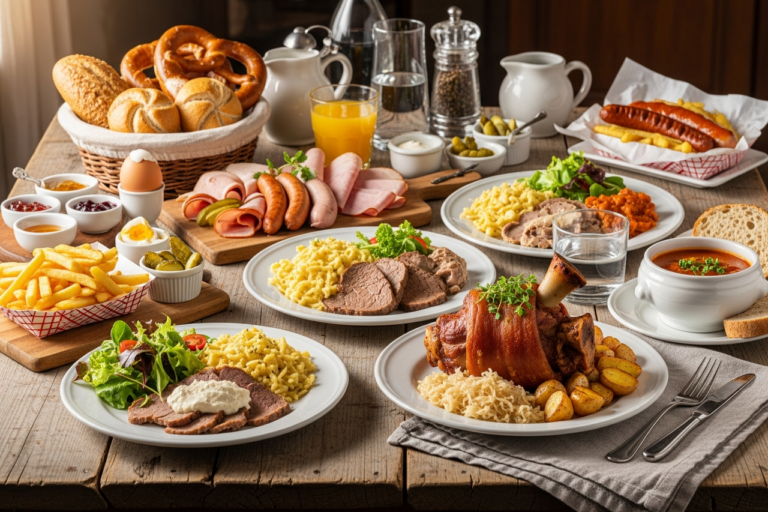
A hearty breakfast is the German way to begin the day. You’ll often see fresh bread rolls (Brötchen), muesli, yogurt, and lots of toppings on the table. Germans like to have cold cuts, such as ham and sausage, and there is usually cheese and different kinds of jam, too.
Lunch is the big meal for Germans. They like warm food with lots of taste. You will find things like schnitzel with potatoes or a filling stew on the menu. When it’s time for the evening meal, also called Abendbrot, things are more simple. People eat bread, cheese, cold meats, and salads. The name means “evening bread,” and it is a lighter meal, not heavy like lunch.
If you want a snack during the day, Germans have many to pick from. These are some of the snacks you will find:
-
Pretzels (Brezeln)
-
A slice of cake with coffee
-
A sausage from a street vendor
-
Fruit and yogurt
Traditions, Snacks, and Dining Etiquette in Germany
Beyond the main meals, Germany has good food traditions. One of the favorites is Kaffee und Kuchen. It is a kind of fourth meal. People have this in the afternoon with coffee and cake. This tradition lets you take a break and enjoy a sweet snack.
Knowing how to eat with others in Germany can be helpful. Whether you are at someone’s house or in a restaurant, the way people eat together matters. German customs at meal times are basic, but it helps to know them. We will talk about what snacks and coffee breaks are like in Germany. Also, we will go over how to act when eating with people in german restaurants or homes.
Common Snacks and Coffee Breaks Between Meals
In Germany, there is a special break between lunch and dinner called Kaffee und Kuchen. It’s an afternoon coffee and cake break. People usually enjoy it between 3 PM and 4 PM. The idea is to get together with friends or family and have some cake, known as Kuchen, with coffee.
This is not just something to do on weekends. Many people in Germany also make it a part of their everyday life. You will find lots of people in cafes taking part in this. People also do it at home. It is about more than a snack—it is an important part of german culture.
Besides cake, people in Germany also like to have other snacks during the day. There are a lot of tasty items found in german supermarkets, bakeries, and from street stalls. Some of the favorite snacks are:
-
Pastries (Teilchen)
-
Yogurt or fruit cups
-
Sandwiches (belegte Brötchen)
-
Sausages like Currywurst or Bratwurst
Etiquette: Family Meals, Eating Out, and Mealtime Customs
When you eat in Germany, it is good to keep a few simple etiquette points in mind. People often say “Guten Appetit” to everyone before they start to eat. If you eat with others, try to wait until every person gets their food before you begin. Keep both hands on the table, but do not place your elbows up there.
Family meals play a big part in German life, especially during weekends. Things get busy during weekdays, but many families still like to share the evening meal together or have a long breakfast as a group on Sundays. These shared times are important in German homes.
While many like to cook at home, it is also normal to eat out, especially for lunch at work or during social events. In Germany, you will find a lot of restaurant choices, from classic German food to meals from other places. People in Germany will appreciate it if you follow basic dining etiquette, whether eating in someone’s home or at a restaurant.
Conclusion
In the end, knowing about meal times in Germany helps you see more of the country’s way of life. The big breakfasts and late dinners show what people there eat, but also how they live with their friends and families. When you use German dining habits in your own life, you dive deeper into the food and history of the country. If you want to visit or learn about German culture, it is good to know when they eat to enjoy meals with the locals. Ask if you are curious about German food or how people eat together in Germany.
Frequently Asked Questions
How do German meal times compare to other European countries?
German meal times usually happen earlier than in places like Spain, Italy, or France. In these southern European countries, people often have dinner around 10 PM. But in Germany, meal times follow a pattern seen in northern countries such as the UK and Switzerland. In these places, that evening meal usually starts between 6 PM and 8 PM.
At what time do Germans typically eat dinner?
In Germany, most people eat dinner between 6 PM and 7 PM. This evening meal is called Abendbrot. It is usually a lighter and cold meal. Having dinner early at this time is a big part of german meal times. This is not like many other places where people eat later in the night.
Do German families usually eat meals together?
Yes, people in Germany think that family meals are very important. Many German families try to sit down and eat together, mainly for the evening meal, but it can be hard during busy weekdays. On weekends, families often come together for meals. This helps make family a big part of everyday life in Germany.