Key Highlights
-
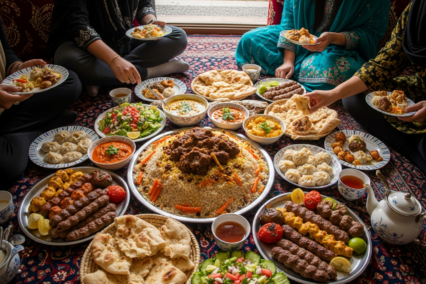
Ethiopian food is usually served on a big communal plate, and people eat it with their right hand.
-
Injera is a flatbread that is a main part of the meal. People use it to pick up stews and other foods.
-
Meal times are often flexible. Still, most people have breakfast, lunch, and dinner.
-
For Orthodox Christians, fasting times change how and when people eat. During these times, meals often include vegan dishes.
-
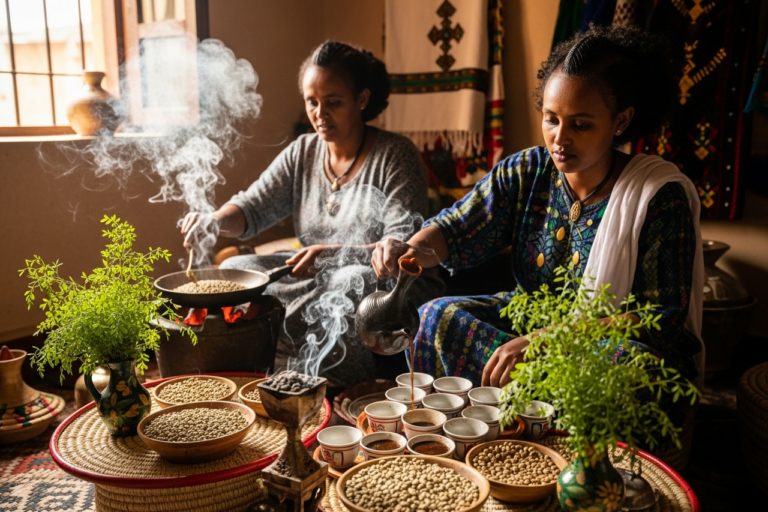
The coffee ceremony is an old tradition in Ethiopia. People often enjoy it after meals, and it is an important way for people to get together.
-
Gursha is a special gesture in Ethiopian culture. It means feeding someone else by hand, and it shows care and respect.
keywords used: ethiopian food, orthodox christians, communal plate, right hand, vegan dishes, coffee ceremony, ethiopian, injera, fasting, vegan, stews, gursha
Introduction
Have you ever thought about how people eat in Ethiopia? The rhythm of life in this country is tied to its food. In the busy streets of Addis Ababa and quiet villages, Ethiopian food is more than just filling your stomach. It is about gathering together and following old ways. Looking at the times people eat in Ethiopia helps you see how the country, its ways, beliefs, and great Ethiopian cuisine all connect. Ethiopian food brings people together and shows a lot about their way of life.
Typical Meal Times in Ethiopia
In Ethiopia, people eat breakfast, lunch, and dinner, just like in other places. But, the times for meals are not always fixed. The day is shaped by work, meeting with others, and religious events. These all can change when you eat. Meals are not always about the clock. They are more about being with others and sharing.
Injera is found at most meals in Ethiopia. But, when you eat can change. For example, fasting due to religion makes many people change when they have food. Below, we will talk about what you usually find at main ethiopian meals of the day.
Common Breakfast Hours and Foods
Breakfast in Ethiopia usually happens early in the morning. It gives you the energy you need to start your day. Most of the time, people eat common foods that are filling and easy to make. One common breakfast dish is a porridge called Kinche. It is made with cracked wheat or barley and spiced butter. This warm and smooth dish is a favorite for many.
Another food you can find at the table in Ethiopia is Fit-fit or Fir-fir. This dish is made by mixing shredded injera or flat bread with a spicy stew. It is full of flavor and very satisfying. If you want something light, there are other choices too. These foods can be found in many homes:
-
Dabo: This is a kind of traditional bread, and there are many types.
-
Kolo: This snack is roasted barley mixed with peanuts. It is easy to take for people who want a snack on the go.
-
Fatira: Fatira is a big fried pancake. Sometimes people put eggs in it and drip honey over the top.
The above dishes make mornings warm and good in Ethiopia. Kids eat breakfast with their families, but they might have smaller or easier portions of these breakfast foods.
[spicy stew, common foods, common breakfast dish, ethiopia, injera, porridge, barley, kolo, dabo]
Lunch Timing and What’s on the Table
Lunch, typically served in the early afternoon, is often the main meal of the day. This is when you’ll find an array of colorful and flavorful dishes served atop a large, spongy flatbread called injera. The star of the meal is the wot, or wat, a thick and savory stew that can be made with various ingredients. Diners use pieces of injera to scoop up the delicious stews.
A common dish for lunch is often a combination of different wots, especially during fasting periods when vegan options are popular. Shiro, a stew made from powdered chickpeas or broad beans, is a beloved favorite. You might also find stews made from lentils or vegetables like cabbage.
Here’s a quick look at some popular lunch components:
|
Dish Component |
Description |
|---|---|
|
Injera |
A sourdough flatbread made from teff, used as the base and utensil. |
|
Wot |
A spicy stew, which can be made with meat, vegetables, or legumes. |
|
Shiro |
A creamy, non-meat stew made from powdered legumes. |
|
Vegetable Sides |
Often includes cooked lentils, cabbage, and other seasonal greens. |
Dinner Schedules and Evening Dishes
Dinner in Ethiopia is usually lighter than lunch. People have it in the evening and often eat with their family. Many dinner foods are like the ones served at lunch, though sometimes they are made a bit differently. Ethiopian cuisine is known for its slow-cooked stews and colorful vegetable dishes.
One well-known dinner dish is gomen. It is made of collard greens that are cooked with spices. On days that are not for fasting, meat dishes are also easy to find at the table. You can see a spicy beef stew or Doro Wot, which is the national dish of Ethiopia and a spicy chicken stew. At some special gatherings, people might eat dishes with raw meat, such as Kitfo.
Here are some common evening foods:
-
Tibs: This is sautéed meat cooked with onions and spices.
-
Doro Wot: This famous spicy chicken stew is often made for special events.
-
Gomen ba siga: This warm dish has collard greens and meat, cooked together.
Most of the time, children eat dinner with the adults. Everyone shares food from the same big plate and enjoys being together as a family.
Cultural Traditions and Meal Etiquette
Eating in Ethiopia is a special event. It is full of social moments and respect. There are old traditions at every meal. People almost always eat together from a big, communal plate. This helps everyone feel closer and part of the group. You should always eat with your right hand. The left hand should not be used because people think it is not clean. When you eat, the injera acts as your main utensil to pick up food.
There is also the “gursha.” This is when you feed a bite of food to another person. It shows real friendship and respect. After the meal, many people join a coffee ceremony. They drink coffee in small cups. These customs make eating in Ethiopia more than just having food. These moments turn every meal into something special. We will talk more about these traditions next.
Family and Group Dining Customs
In Ethiopian culture, there is a big focus on eating together as a group. Most meals use a big, round communal plate called a mesob. The family or group sits around this plate. Every person eats from the part of the plate in front of them. This way of eating brings people closer and teaches them to share.
There is a special custom called “gursha.” With gursha, someone picks up a bite of food and puts it right into another person’s mouth. This act shows that the person cares about you and holds you in respect. It is a nice thing to do, and saying no to gursha can seem rude. Usually, the first gursha goes to a guest or an elder to show respect.
Key aspects of group dining include:
-
Sharing food from one large communal plate.
-
The offering and receiving of a gursha to show respect and friendship.
-
Gathering together as a family or group, making mealtime a truly social event.
These ways of eating make meals about more than just food. They help bring all the people together and create strong bonds.
Hosting Guests and Meal Invitations
When you are invited to an Ethiopian home, you will be welcomed with kindness and big-heartedness. In Ethiopian culture, the act of hosting is special and taken seriously. Guests are given respect, and hosts share the best of what they have. You can look forward to enjoying great Ethiopian food.
When you get there, you may get drinks like honey wine, which they call Tej. After the meal, the coffee ceremony is a highlight that many people look forward to. This ceremony lets you see how coffee beans are roasted, brewed, and poured. It is an experience you will not forget.
If you are invited as a guest, keep these in mind:
-
Taking food and drink shows you honor your host.
-
Join in the coffee ceremony, as it is an important part of getting together.
-
Bringing a small gift is nice but not needed; what matters most is you being there.
Influences on Ethiopian Eating Schedules
The way people eat in Ethiopia goes hand in hand with their culture and religion. Religion has a big effect on what people in Ethiopia eat and when they eat. The Ethiopian Orthodox Tewahedo Church tells its followers to fast many times during the year. Because of this, orthodox christians plan their meals and food in a special way.
When these fasting days come, Ethiopian orthodox christians do not eat any animal products. That means no meat, dairy, or eggs. Over time, this has made them come up with many vegan dishes. The mix of fasting rules and ideas from different areas makes the food in Ethiopia different from other places. This is what gives Ethiopian food its own style.
Impact of Religion and Fasting on Meals
Fasting is very important for Ethiopian Orthodox Christians. They fast on Wednesdays and Fridays every week, plus longer times like Lent. On these days, people do not eat any animal products at all. Food on these days is always vegan. This changes what they have for breakfast, lunch, and dinner.
Because of this, the Ethiopian Orthodox Christian tradition has given us many great vegan dishes. People call these foods “tsom” food. Both restaurants and homes serve tasty stews made with lentils, chickpeas, potatoes, carrots, and collard greens. This keeps every meal different, rich, and full of flavor, even during fasting. These meals are also healthy.
The effect of fasting in Ethiopian cuisine is:
-
People do not eat meat, dairy, or eggs on Wednesdays, Fridays, and during Lent.
-
There are many creative and tasty vegan dishes you can find across Ethiopia.
-
Meal times might change. Some people eat just one big meal later in the day when fasting.
This steady practice of fasting has made Ethiopian cuisine friendly to vegans all over the world.
Rural vs. Urban Meal Time Differences
Meal times and food habits can look different in the countryside and city in Ethiopia. In places like Addis Ababa, many people follow a set workday that is more like the Western style. This means they have meals that are planned out, and lunch is quick, and schedules are strict. The city moves fast, so people do not have much time to cook for long hours every day.
When you go to rural parts, meal times often depend on farming and chores. The big meal is usually in the afternoon after people finish their toughest jobs. Food in the countryside comes mostly from what is grown nearby and what is in season. This is not like the cities, where you can find many different foods at urban markets.
Key differences include:
-
Urban: Meal times are more planned and shaped by work hours.
-
Rural: Meals can be eaten at different times, depending on farm work.
-
Cuisine: Cities like Addis Ababa offer more choices of foods, while rural places use fresh produce from the area and season.
These changes between rural and urban ways show how the pace of life and what people have change their food and meal schedules in Ethiopia.
Conclusion
To sum up, knowing when people eat in Ethiopia helps you see the rich mix of culture in the country. Breakfast happens early, with foods that come from long-standing traditions. Lunch and dinner are times everyone shares together, showing close family ties and friendly bonds. Religion and where someone lives can make meal habits different across Ethiopia, adding to the country’s variety in food. When you learn about these ways to eat, you get to know Ethiopian culture better and enjoy your own meals more. If you are interested in ethiopian cuisine, thinking about a trip, or just want to learn more, feel free to ask for help.