Key Highlights
-
Danish meal times are usually earlier than you may find in many other European countries.
-
The breakfast in Denmark often has bread, and people like rye bread, topped with different things.
-
Lunch comes early too, and it often is made up of open-faced sandwiches called smørrebrød.
-
The dinner time for most Danish families is around 6:00 p.m.
-
Danish cuisine uses a lot of pork, fish, and potatoes. These are often served with brown sauce.
-
Meal times stay the same most days, but when eating in Copenhagen, you will find more choices about when you can go to eat than in other places.
Introduction
Welcome to the world of Danish cuisine! If you want to go to Denmark, or are just interested in how people live there, it is good to know about meal times. Danes do not eat like people in other places. There is a special way they plan their day, and meals play a big part in that. They have lunch early, and dinner is also earlier than in some other countries. The timing of meals is very important in daily life. In this guide, you will see what and when people eat in Denmark. This will help you learn more about Danish cuisine and how the Danes enjoy their food.
Understanding Daily Meal Times in Denmark
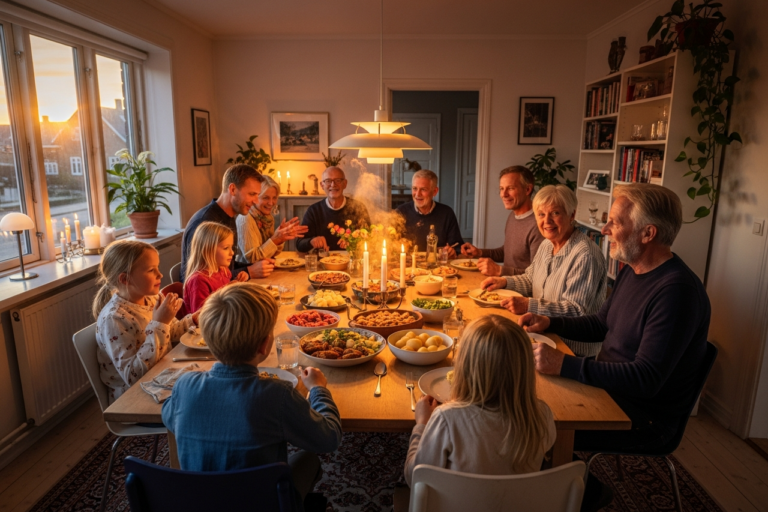
In Danish culture, people follow set times for meals every day. Breakfast starts things off in the morning. An early lunch comes next, usually in the middle of the day. After that, dinner time is special. In Denmark, almost everyone eats dinner at 6:00 p.m.
These meal habits are a big part of the Danish way of living. Having dinner early gives families more time to be together. It also lets people relax in the evening. Let’s look at what each meal is like and the hours when Danes sit down to eat.
Typical Breakfast Hours and Morning Habits
The Danish morning often starts with the first coffee of the day. People all over Denmark have it at home or at work. Along with coffee, many Danes also like to have fruit juice, tea, or milk in the morning. Going out for breakfast is not something people in Denmark do much. Most folks eat breakfast at home.
When it comes to food, there are not many choices for cereal. Muesli is one option, but bread is the main part of breakfast. People like white bread or rye bread with different things on top. You might see butter, jam, or white cheese on bread. One favorite is mild cheese with a spoonful of strawberry jam.
Sometimes, Danes eat uncooked oats with milk or yogurt. Sweet pastries, called wienerbrød in Denmark, are not an everyday food. They are more for special times or weekends, not for most weekday breakfast meals.
Lunch Timing and Its Cultural Importance
Lunch, called frokost, happens early in Denmark. People often eat around noon. This meal is important in Danish culture. Many people bring their own lunch, called a madpakke, or eat in a cafeteria at work or at the university of copenhagen. The cafeteria might serve a hot meal of the day with food like boiled potatoes and brown sauce.
Packed lunches almost always have something called smørrebrød—open sandwiches on buttered rye bread. People use all kinds of toppings for these, called pålæg. You might see cold cuts, liver pâté, smoked salmon, or cheese. It is usual to see some sliced red pepper or cucumber added too.
Having this substantial lunch in the middle of the day helps people get through the rest of their work. Making lunches focused on rye bread is a habit that brings people together. It makes them feel connected at the office, in class, in copenhagen, or anywhere else in denmark.
Standard Dinner Schedules Across Denmark
In Denmark, people call the evening meal aftensmad, and it usually starts right on time. Most families have their dinner at 6:00 p.m. each night. If you go out to eat at a restaurant or stay with friends, the time might move a bit. But for daily meals, 6:00 p.m. is the normal routine. The evening meal is special. It is the big meal of the day for most families.
A typical Danish dinner could be a pork roast, boiled potatoes, and gravy. There are steamed vegetables, too. Danish cuisine uses a lot of pork. Danes eat more pork than people in any other country. Some popular pork dishes include roast, tenderloin, and meatballs called frikadeller.
Dinner time in Denmark is earlier than it is in Germany. It is much earlier compared to southern European countries. Eating early helps Danish families spend time together before the evening. It makes the hot meal an important part of their daily life.
Eating Patterns in Danish Cities vs. Rural Areas
While danish culture still stays close to old meal times, there are some small changes between life in big cities and in smaller towns. In big cities like Copenhagen, you will see more types of food and it is not hard to find a place to eat at most times. There are also more foods and ideas from other countries in these cities.
In smaller towns and in the countryside of denmark, the people stick more to the old ways. Meal times happen at the same time for most and places to eat are open following those old hours. You will see the difference in things like when people eat out or what their plans are for the day. You will read more about how living in a big city or a small town in danish culture can change when and what people eat next.
Meal Time Differences Between Copenhagen and the Countryside
In bigger cities like Copenhagen, life moves fast. People eat at different times because there are so many cafes, restaurants, and street food spots. You can get something to eat almost whenever you want. Many young people and those who have more money like to eat out. They try foods from other countries, so they may eat dinner late, especially on weekends.
In smaller towns and out in the countryside, people stick to old ways. Dinner at 6:00 p.m. is common. Restaurants do not stay open as late. Most people follow these set meal times, and they do not change much.
Still, cities like Copenhagen keep a meal structure that is important to a lot of people. You can find food late at night. Even so, most stick to eating a bit earlier. What stands out in Copenhagen is how many places you can eat at outside the usual hours. There are quick street food options like a hot dog from a pølsevogn or a cool meal at a new restaurant.
How Local Traditions Influence When People Eat
In Danish culture, local traditions guide not just when people eat, but also the kind of food that they have, especially for holidays. At Christmas and Easter, it is normal to make foods that you do not eat on regular days. These days often turn into long meals that bring family and friends together.
During these good times, people may change their regular meal times so they can have big feasts. These meals help bring all people closer. They are a big part of family life and show the heart of danish culture. A lot of these foods have recipes that have been kept in families for a long time.
Danish holiday foods stand out as a big part of the dining experience.
-
Christmas: The big meal at this time often has roast pork with crispy skin, boiled potatoes, and red cabbage.
-
Easter: Marzipan “eggs” covered in chocolate are a favorite treat for many.
-
Holiday Feasts: These often feature many danish dishes, such as roast beef and all kinds of herring. People spend hours at the table with these meals.
These holiday foods—like roast beef, red cabbage, and danish herring—show how strong the connection is between people, food, and tradition in Denmark.
Weekend vs. Weekday Eating Routines
On weekdays, Danish people have set routines for eating. These habits are made to fit busy work and school days. At lunch, many people eat rye bread with different toppings. This simple lunch shows how meals are made to be quick and useful during the workweek. Meals stay the same each day and help people get through their day.
Weekends feel different for eating habits. People let themselves relax and enjoy extra treats. Meals take longer, and you might find sweet pastries like wienerbrød at a weekend breakfast. This treat is not for every day, but more for special times. Even the dinner time, which is often set for 6:00 p.m. during the week, can become more laid back on weekends.
In bigger cities, going out for brunch has become a popular thing to do on weekend days. Brunch in Denmark often comes with white bread rolls, creamy cheese, sweet jam, and fresh berries. You can see the difference here from weekday meals. Food is not just about filling up; it’s about spending good time with friends and family, and enjoying every bite. Meals go from being a daily routine to being something a bit more special.
Comparing Danish Meal Times with Neighboring Countries
When you see a map that shows dinnertimes in Europe, you will notice that Denmark has meal times like the rest of the Nordic region. People in Denmark eat early. This is the same in Sweden and Norway. Many people in Denmark eat dinner just after 5:00 p.m. A lot of them have their meal right at 6:00 p.m.
This is different from Germany, where people eat dinner a bit later. There is an even bigger gap compared to southern Europe. These differences show the unique ways people eat across Europe. Let’s look more at how Danish meal times are not only close to those of Sweden and Norway but also unlike the rest of Europe.
Similarities and Differences with Sweden and Germany
Denmark shares its early dinner time habits with other Nordic countries. In Sweden, dinner is also enjoyed right after 5:00 p.m., creating a similar daily rhythm. This early evening meal is common across the region, standing in contrast to practices further south in Europe.
Germany, Denmark’s southern neighbor, tends to eat a bit later. Dinnertime there typically falls between 6:00 p.m. and 7:30 p.m. While not a dramatic difference, it marks a slight shift in the evening schedule as you move south.
This comparison shows that Denmark’s meal times are very much in line with its Nordic identity. The early dinner is a shared cultural trait that distinguishes the region from much of the rest of the continent.
|
Country |
Typical Dinner Time |
|---|---|
|
Denmark |
5:00 p.m. – 6:00 p.m. |
|
Sweden |
After 5:00 p.m. |
|
Germany |
6:00 p.m. – 7:30 p.m. |
How Danish Meal Schedules Align with Broader Europe
When you look at dinner time in Denmark, it is much earlier than the rest of Europe. Most european countries, like France and Poland, eat their evening meal between 7:00 p.m. and 8:30 p.m. But, Danish families usually have dinner a full hour or two earlier.
It is even more different in southern europe. Countries like Italy and Greece start dinner around 8:00 p.m. or 9:00 p.m. Portugal waits until 10:00 p.m. for their evening meal. Spain is know for having the latest dinner time in europe, sometimes not starting until 9:30 p.m.
This big difference in meal times shows a clear split in the way people live across the continent. In denmark, dinner at 6:00 p.m. is normal, but in spain, it would be like having a snack, not the main meal. So, it is good for any traveler in europe to know about these local meal times.
Meal Times at Restaurants and Dining Out Experiences
When you eat out in Denmark, you will see that many places, especially in big cities like Copenhagen, open and close early. This is because people there like to eat earlier in the day. Places to eat in these big cities may be more open with their times than the ones outside town. Still, there are busy hours that you should know about before you go.
It is a good idea to make a reservation if you want to eat during the busiest hours. If you know when big crowds come in, you can plan better. This will help you have a good time, whether you want a fast meal or a slow meal with many courses.
Popular Dining Hours in Copenhagen Restaurants
In Copenhagen, people like to eat dinner a bit earlier than in other big cities in Europe. Many locals eat at home at about 6:00 p.m. Restaurants get busy from 6:30 p.m. to 8:00 p.m. This is the main time when most people go out to eat.
If you want something different, you can try Copenhagen’s street food. It is lively and full of choices. You can get the famous Danish hot dogs or other food from around the world at many times of the day. It is a good change from eating in a restaurant.
While Copenhagen has later eating spots for tourists and younger people, the city still follows its early schedule. It is smart to check when a restaurant opens and think about booking a table, especially in busy places at peak times.
Peak Hours and Reservations in Urban Versus Rural Areas
There is a clear difference in how people eat out in big cities and smaller towns in Denmark. In the big cities, you will find places to eat have longer hours. They stay busy and open later. Still, you should try to reserve a table before you go, especially if it is the weekend.
In the smaller towns and outside the cities, places to eat are open for a shorter time. Their hours match more with usual meal times. Many places close their kitchens earlier than in big cities. It is not always possible to walk in and get a spot. You need to plan and call ahead to make sure you get a table in these parts of Denmark.
Here are some things to know before you eat out:
-
Big Cities: People eat the most between 6:30 p.m. and 8:30 p.m. If you want to eat at the most popular places, make a reservation first.
-
Smaller Towns: Kitchens can stop serving food around 8:00 p.m. or 9:00 p.m. You should call before you go and book your table.
-
Weekends: Every place is busier on Friday and Saturday nights. So, making a reservation is even more important at these times.
Conclusion
Understanding meal times in Denmark shows a lot about the people and how they live. Early breakfast hours in the country help start the day for most. Lunch is often a group event and dinner tends to be more traditional. Each meal is about sharing, with old ways and a daily routine. When you are in Copenhagen or out in the country, knowing about danish eating times helps you fit in better and have more fun eating with the locals. Try to follow the meal times in Denmark. You will likely find new ways to enjoy your time at the table. If you plan to visit, remember to go along with the unique danish meal schedules for a great trip.
Frequently Asked Questions
Why do Danes eat lunch earlier than other countries?
Danes usually have lunch early, around noon. For many people in Denmark, lunch is the main meal of the day. It gives them the energy they need for the afternoon. This habit is common in Denmark and makes it different from most other countries in Europe, where people often eat lunch later. For those in Denmark, having a big meal of the day in the middle of the day is a normal part of life.
Is Danish dinner time earlier or later than in neighboring countries?
Danish dinner time is usually earlier than in Germany, but about the same as in other Nordic countries such as Sweden. People in Denmark often have their evening meal at 6:00 p.m. This dinner time follows what many in the Nordic countries do. It is different from what you see in the rest of Europe.
What should visitors know about adapting to Danish meal times?
Danish culture is all about eating early. You should plan to have lunch around noon. People in Denmark like to have dinner at about 6:00 p.m. Many restaurants, especially in smaller towns, close their kitchens earlier than you might expect. It is good to make a reservation or think ahead so you don’t miss out. Danish meal times are set early, so be ready for that when you visit.