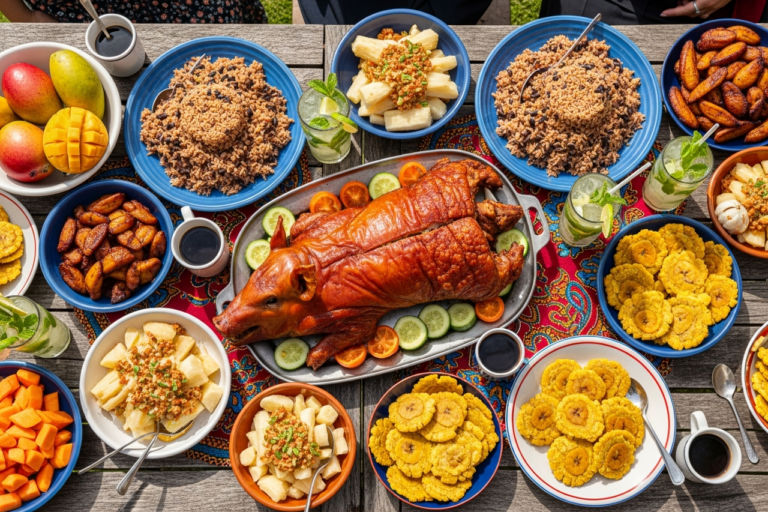
Key Highlights
-
Find out what the usual meal times in Cuba are. These may not be the same as what you have back home.
-
Cuban cuisine brings together flavors from Spain, Africa, and the Caribbean. The food is rich, full of taste, and often hearty.
-
In Cuba, people like to keep breakfast light. They have a bigger meal at lunch, which is the main one for the day.
-
Dinner is a special time. It is a moment to be with family and friends, and people tend to eat later in the evening.
-
See how Cuban culture and daily life help shape when people eat across the island.
-
Restaurant menus at private paladares show off a wider range of Cuban food than you will see in state-run places.
Introduction
Welcome to the world of Cuban cuisine! If you plan a trip to Cuba, you will get to try a lot of good Cuban food. You might want to know about how people eat there. It is important to know when people eat in Cuba, not just what they eat. The way of life and Cuban culture are a big part of meal times. This guide helps you learn about when to eat in Cuba. You will find out about eating a light breakfast, what time people have lunch, and when families share a Cuban meal in the evening. With this guide, you can enjoy every meal and get the best Cuban food on your trip.
Overview of Cuban Meal Times and Cultural Influences
Meal times in Cuba are a big part of life and the Cuban culture. People here do not always see breakfast as the most important meal. It is common to start the day with something light. Lunch in Cuba is often the biggest meal of the day. People eat it to help them get through their work or school day.
The way most Cubans eat is shaped by both old customs and what they have to do for work. During midday, people break for lunch to rest and get more energy. Later, when it is time for dinner, families usually slow down. They sit together in the evening, eat, and talk. This is a relaxed time, focused on family and friends. You can see, in both meals and attitudes, there is a lot of social spirit in Cuban food and how the people of Cuba come together every day.
Historical Origins of Eating Schedules in Cuba
The history of Cuban cuisine is about how many cultures came together. It mixes Spanish, African, Taino, and Chinese influences. This mix changed not just the taste of Cuban food, but also the way and time people eat in Cuba. The Spanish brought a taste for beans and liked food that was not too spicy. That is very different from some other Caribbean countries.
People from Africa, brought over as slaves, added things like plantains, yucca, and cassava to Cuban food. These became everyday foods in many homes. Dishes like tamales still use corn leaves, just as in Taino times before Columbus. You can taste a long history in each meal, and it helps give Cuban cuisine its own special style.
In rural areas, these old ways are very strong. The times and size of meals often match up with the kind of physical work people do on farms each day. That is why Cuban food fills you up and is made for sharing with others. Cuban cuisine is known more for big flavors than for hot, spicy food. You will find it brings people together as much as it fills them up.
Impact of Work and Daily Life on When Cubans Eat
Work schedules and the flow of daily life play a big part in when people in Cuba eat their meals. For many of them, lunch is the main meal. It gives people a good break so they can get enough energy before they go back to work in the afternoon. This midday meal is an important part of the daily routine all over the country.
How fast or slow life is going helps set when meals happen. Breakfast is often fast and easy. The evening meal is special and is for slowing down. At this time, people talk and spend time with their family and friends after a busy day. It shows how much community means in Cuban culture.
In the end, the time Cubans eat comes from what life asks of them. People have a big lunch and then a later dinner. This matches normal work days and also shows how meals are about more than just food—they are a big part of the Cuban food story and the heart of Cuban culture.
Differences Between Urban and Rural Meal Patterns
You can see clear differences in how people eat in rural areas and cities in Cuba. In busy urban places like Havana, life moves quickly. People in the city still like to have a big meal in the middle of the day. But when you look at the options and the time people eat, these can change because some have different jobs and busy lives.
It is not the same in the countryside. People in rural areas of Cuba follow older meal times. They eat at times that fit the farm’s work. The food in these parts is filling because people need energy for work. In many Cuban homes in the countryside, you can find food made with local things and family recipes that have been passed down for years.
The kind of food you get also changes between the city and the countryside. In big cities, there are more restaurants run by people, so you might get all different types of food. In rural areas, the food you get is usually what many people think of as classic Cuban cooking. If you want a true taste of Cuba and its food, you might want to eat in the countryside, in one of those Cuban homes.
Typical Meal Times in Cuba
When you visit Cuba, you may notice that people eat a bit later than you are used to. Most of the time, Cubans do not eat breakfast early in the morning. Lunch usually happens between 12:00 PM and 2:00 PM. Lunch is often the biggest meal of the day in Cuban cuisine.
Dinner in Cuba starts later, too. People usually eat dinner from 7:00 PM or even later. The evening meal is relaxed, and it is a time when families and friends get together. They talk and enjoy Cuban cuisine. Knowing these usual mealtimes will help you if you want to try food while you are in Cuba. It can help you enjoy your time with Cuban food and meet people, too.
Breakfast Hours: When the Day Begins
In Cuba, breakfast, or desayuno, is not considered the most important meal of the day. It’s typically a light and simple start, usually eaten between 7:00 AM and 9:30 AM. You won’t find many restaurants open for breakfast before 11 AM, so your best bet for an early meal is at your casa particular.
A classic Cuban breakfast is straightforward. It usually includes fresh bread, butter, and jam, accompanied by a strong, sweet cafecito (espresso). Fresh tropical fruits are also a staple. This simple meal provides just enough energy to get the day started without being too heavy.
Here’s a look at what you can expect for breakfast in Cuba:
|
Component |
Description |
|---|---|
|
Main Carb |
Fresh bread or toast, often served with butter and jam. |
|
Fruits |
A platter of tropical fresh fruits like pineapple, papaya, or mango. |
|
Protein |
Often includes eggs, and sometimes cheese and ham. |
|
Beverage |
Sweetened espresso (cafecito), tea, or fresh-pressed juice. |
Standard Lunch Time Across the Country
Lunch (comida) in Cuba usually happens between noon and 2:00 PM. For many people, this is the main dish of the day. This is the time when people sit down and have a proper meal, either at home or at a restaurant. Unlike other places where people might have a quick snack at lunch, the Cuban midday meal is a big and filling one.
For those in Cuban homes, lunch is important. The table will have many kinds of food. There will always be Cuban cuisine favorites, like white rice and beans. This meal is made to fill you up and give you the energy you need to get through the rest of the day.
Because people in Cuba focus on having a big lunch, it can be hard to find a light snack or a sandwich for lunch. Most places serve full meals, not small snacks. So it’s a good idea to follow what the local people do and have a real sit-down lunch. That is the best way to enjoy the culture and try Cuban cuisine.
Dinnertime Traditions and Evening Eating Habits
Dinnertime in Cuba is called cena. It is a calm and friendly time to eat. People in Cuba usually have dinner later at night. The meal can start anytime from 7:00 PM and go up to 10:00 PM. Lunch is often the biggest meal of the day, but dinner still is not just a small snack. It is another good time to enjoy Cuban food with family and friends.
People eat many of the same foods for dinner as they do for lunch. What makes the evening meal special is the feeling while eating. People come together to talk and relax after the day. Cuban food at dinner is full of the good tastes from garlic, cumin, and citrus. But Cubans do not like the taste of very hot spices.
In Cuba, eating together at night is part of Cuban culture. Dinner is not about eating fast. It is more about being with people and sharing food and stories. This evening snack brings people closer and helps keep the feeling of family and community strong every day.
Traditional Cuban Breakfast
A typical Cuban breakfast is quick and light. The meal is not heavy or full of grease. In most Cuban homes, you will find a few fresh items to eat. These things help you start your day in a good way. Later, there will be a bigger lunch and dinner. So breakfast is simple and fresh.
People like to eat colorful tropical fruits. There is always fresh bread on the table too. And the best part is the hot Cuban coffee. Breakfast in Cuban homes feels easy and not rushed. You are supposed to enjoy this first meal. It should not make you feel too full. Now, let’s talk about what people in Cuba like to eat and some customs.
Foods and Beverages Commonly Served at Breakfast
The breakfast table in Cuba is filled with color and looks friendly. There is always a focus on fresh and simple food. Coffee is a big deal too. People in Cuba start the day with a strong, sweet shot called cafecito. It is something you have to have in the morning.
Bread or toast is a regular part of the meal. The bread usually has butter and sometimes jam or honey. Fresh fruit is also everywhere. The kinds of fruit you get depend on the time of year. If you are lucky, you may get pineapple, papaya (fruta bomba), or mango to eat. Even though black beans are popular in cuban cuisine, you do not see them at breakfast much.
Here are common things you will get for breakfast in cuba:
-
Fresh bread or toast with butter and jam
-
A plate full of tropical fresh fruit
-
Eggs made how you want
-
Cheese and ham slices
-
Strong, sweet espresso, tea, and juice
Morning Customs and Family Rituals
Morning customs in Cuba focus on family and starting the day in a calm way. In many Cuban homes, breakfast is simple but plays an important role in the daily routine. This time brings everyone together, at least for a short while, before people go to work or school.
Making and sharing coffee in the morning is also a special part of cuban culture. The smell of coffee wakes up the house and tells everyone it’s time for a new day. People sit together, enjoy coffee, and feel close to each other. This is a big part of what makes living in Cuba feel warm and close.
Breakfast in Cuban homes does not have to be big or fancy. Instead, it’s a quiet way to start the day as a group. People use this moment to feel close and calm. This helps everyone get ready for the day ahead and a good meal later. In cuba, it is more about time together than the food itself.
Breakfast at Hotels and Cafés Compared to Local Homes
When you are in Cuba, you will see that breakfast is not the same everywhere. In places like hotels or cafés in tourist areas, food fits what people from other countries want. Restaurant menus here have more choices. You may get things like pancakes or fancier egg plates.
But in a casa particular, which is a private homestay, you get a real Cuban meal. Hosts in these homes make breakfast with care. The food is true Cuban cuisine. You will have fresh fruit, bread, eggs, and coffee. This gives you a good, close look at Cuban food.
Hotels and restaurants in tourist areas may serve breakfast early. But many local cafés might not open until later in the morning. For most Cubans, breakfast is a quick and simple meal at home before they start their day.
Lunch in Cuban Life
Lunch is very important in Cuba. It’s usually the biggest meal of the day. People eat lunch to take a break from work and get energy for the rest of the afternoon. In Cuba, lunch is never fast. People like to sit down and eat cuban food with a full plate.
Lunch is part of every day in cuba. It mixes classic tastes and foods that most people know well. Let’s look at what a normal cuban lunch has in it and why it matters so much to people there.
Typical Lunch Dishes in Cuban Homes and Restaurants
A classic Cuban lunch is a treat for your senses. You’ll get a big plate with a protein, some white rice, black beans, and a vegetable side. The table will show off many dishes, all made in the “comida criolla” way. The food is bold, with tasty flavors and big portions.
The top dish is ropa vieja, which many people love. This dish has shredded meat, like lamb or pork, instead of beef, because beef is not easy to find. The meat is slow-cooked in a thick tomato sauce with onions and peppers. You always get it with white rice and black beans.
Here are some common lunch dishes you will probably see:
-
Ropa Vieja: Cuba’s favorite dish, shredded meat rich in tomato sauce.
-
Arroz con Frijoles: White rice with black bean soup.
-
Fried Plantains: These are sweet (maduros) or salty (tostones) fried plantains you see at the table.
-
Pork or Chicken: Roasted or fried, this is how people serve the main protein most days.
Social Importance of the Midday Meal
The midday meal in Cuba is not just about eating. It is a big part of cuban culture that brings everyone together. Lunch gives family, friends, or coworkers time to meet and share stories. This short break in the day means a lot for people in Cuba.
For many, lunch is the main dish of the day. People relax and get the energy they need before going back to work or other things. Taking time for this big sit-down meal shows how cuban people value their community and slow down to enjoy food and each other.
This lunch habit helps everyone build stronger bonds. It shows how important togetherness is for cuban food and culture. In cuba, eating together at midday is a simple way people show they care and look out for one another. It is clear—cuban food is not just about taste. It is a key part of what makes people in cuba feel united and close.
Variations in Lunch Timing During Holidays and Special Days
On holidays or important days in Cuba, the time people eat meals often changes because of the celebrations. A normal lunch is a big deal, but when it is a special day, lunch is even bigger and can last for hours with more dishes. People may eat later, and the meal can take up more of the day.
When people celebrate things like Christmas or birthdays, everyone comes together with family and friends. Lunch here often starts late. It goes on for a while and can run into the afternoon. This meal becomes the main event for everyone that day.
On special days like these, people make special foods. A whole roasted pork, called lechón asado, is something many people cook for big meals. This way of eating shows what Cuban cuisine is all about. The food brings joy, and everyone feels close. Cuba’s cuisine is about bringing people together.
Dinner and Evening Meals in Cuba
As the sun goes down in Cuba, people get ready for dinner. At this time, the meal is not just about food. It is also a way for people to talk and spend time together. The food at night is lighter than lunch. Still, Cuban dinner has a lot of flavor and is not small. It takes place late in the evening and usually with family or close friends.
Dinner is a slow and special part of the day for Cuban people. It gives everyone another time to taste the rich flavors in Cuban cuisine. Here, I will show what a usual Cuban dinner looks like and the foods you often find on the table.
What to Expect for a Traditional Cuban Dinner
A classic Cuban dinner is all about coming together and enjoying good food. The meal is put on the table for everyone at the same time, so you get to pick what you like and try a bit of everything. It is a time to share, talk, and relax with family or friends.
The food is a lot like the lunch dishes, but dinner feels less rushed. The flavors stand out with spices like cumin, lots of garlic, and a bright pop of citrus. Instead of beef, some meals use lamb, like with ropa vieja, but everything tastes rich and warm.
You will most likely see these Cuban favorites for dinner:
-
Lechón Asado: This slow-cooked pork dish is perfect for time with friends and family.
-
Moros y Cristianos: It mixes black beans and white rice for a simple and classic taste.
-
Langosta Enchilada: This brings fresh lobster with a sauce made with Cuban spices and only a touch of heat.
-
Yuca con Mojo: It is tender yuca with a splash of garlic and oil sauce on top.
Common Evening Dishes and Beverages
The evening in Cuba is a great time to try some tasty food and drinks. Dinner gives you the chance to eat classic Cuban dishes. It also lets you have a taste of famous Cuban cocktails. While you can have soft drinks, most people like to sip on Cuban cocktails. Cuba is known for its rum, and you get the best drinks with it. Some popular choices are the Daiquiri and Cuba Libre, and they go well with your dinner.
Here’s what you may have to drink at night:
-
Cuba Libre: One easy and top pick. It has rum and cola, plus a squeeze of lime.
-
Mojito: This is a well-known drink. It mixes rum, mint, lime juice, sugar, and soda water.
-
Daiquiri: A classic cocktail. It is made with rum, citrus juice, and sugar.
-
Guarapo: Fresh sugar cane juice served with a splash of rum.
Enjoy the good flavors of Cuban cocktails, lime juice, cuba libre, and sugar cane on your trip to Cuba.
Regional Differences in Dining Habits
Dining habits and ways of cooking can change as you go around Cuba. In Havana, you will see many choices to eat. There are old state-run places and fresh, private paladares that bring new ideas to Cuban cuisine. The eating options in Havana are the most mixed in Cuba.
When you head east, what you taste will be different. In Trinidad, you can notice more Caribbean touches in the food, and people use more seafood. If you go even farther east, to Santiago de Cuba, the cuisine becomes more tropical. The food in Santiago de Cuba has its own flavor, and it shows the local history and culture.
The countryside also has its own style of cooking. Meals in the countryside are simple and have a homemade feel. Many dishes there use food found right in the area. Seeing how Cuban cuisine is different in each place gives people a good reason to get out of big cities and enjoy the real taste of Cuba everywhere.
Conclusion
In Cuba, meal times are a big part of cuban culture and daily life. People often start the day with an easy, slow breakfast. Lunch is about more than food—it is a time when people meet, talk, and enjoy each other’s company. Dinner brings the family together. The types of food served can be different in each part of cuba, which shows how rich cuban cooking can be. Learning about how people eat in cuba will help you understand the friendly and warm nature of its people. If you want to know more about cuban culture or plan to visit, feel free to ask for tips!
Frequently Asked Questions
Are snacks or extra meals common between main meals in Cuba?
Most people in Cuba have two main meals each day. They do not really have a habit of eating snacks. So, if you want a snack, it can be hard to find one. It’s a good idea to bring some snacks with you from home. But you may also see street food sellers who offer things like ice cream, as this is a treat many people like.
How much do locals typically spend on daily meals in Cuba?
The cost for daily meals in Cuba can be very low for local people. This is true, especially when they eat at home. Many people there depend on subsidized food staples to get by. If you eat out at state-run places, you will pay less. Private paladares charge more, but these places offer better good food and more choices.
Do restaurants in Cuba serve meals at the same times as households?
In tourist areas, restaurants and paladares usually try to fit travelers’ schedules. They serve food all day. But there are still some places that follow local habits. These open for lunch at noon and for dinner later in the day. It’s good to check when they open and close because the hours can change.