Key Highlights
Here is a quick look at what you can expect from Croatian meal times:
-
Lunch, called ručak, is the most important meal of the day. People usually have it between 1 PM and 4 PM.
-
Dinner is lighter and not as heavy as lunch. It is often eaten late, around 9 PM.
-
Breakfast in Croatia is simple. Most people have coffee and eat a pastry or some bread with spreads.
-
Sharing meals means a lot in the Croatian way of life. It helps bring family and people together in their daily lives.
-
Meal times can change in each region. Places by the coast eat later than those farther inland.
-
Tourist hubs often change their restaurant hours so that visitors can find a place to eat at most times.
Introduction
Are you planning to go to Croatia and want to know more about its culture? One good way to start is by learning about local meal times. In Croatia, when people eat is more than just a part of the day. These meal times show the country’s way of life. They mix a slow Mediterranean mood with ideas from Central Europe. This guide will show you what to eat, when to eat, and why these things matter in Croatia. You will get more from your trip, by understanding these things about Croatian cuisine. Enjoy every second and every meal in this beautiful place.
Croatian Meal Culture and Social Traditions
In Croatia, food is about more than just eating to stay alive. It is a big part of their way of life. The people in Croatia love to spend time with family and friends. Meals bring everyone together, and they are the heart of these moments. When they eat, they take their time. This shows how much they care about talking and being close with others.
Meal times in Croatia are shaped by this love for being together. It is not like many other places, where meals might be quick. In Croatia, lunch is the most important meal of the day. People eat lunch slowly, and it is a big event. This tradition affects the way they work and plan their days. It is part of their way of life in Croatia.
The Importance of Sharing Meals in Croatian Daily Life
In Croatia, sharing a meal is a big part of the way of life. It’s a chance to grow closer to friends and family, celebrate special times, or simply be with people you care about. When you invite someone to your home in Croatia for a meal, it shows real care and friendship. Meal times here are never rushed. People enjoy long talks and a calm, friendly time together.
No matter if it’s a Sunday family lunch that goes on for hours or a simple meal with friends, food always brings everyone together. The table usually has many kinds of food. There can be platters of local ham, cheese, and big main dishes. All of these are meant to be shared, so everyone can enjoy them.
This way of eating together is a tradition in Croatia. It’s a value that has been in families for many years. In Croatia, meal times move slow on purpose. People care more about time spent together and good talks than just eating quick meals. This shows that food, for Croatians, is not only for eating. It’s also about being part of a community.
Etiquette and Customs at the Croatian Table
When you eat with a Croatian family, you will see some nice ways to do things. It is good to keep your hands where people can see them. Most people rest their wrists on the edge of the table. The meal often starts with a toast. You can get ready to lift your glass and say, “Živjeli!” (Cheers!).
Your host might want you to have more food during the main meal. They may ask you to get a second or even third helping. This shows they like having you there. If you take more food, the cook sees it as a good thing.
In many places, you may get sour cream with your food. This is common in inland areas and gives the dish a rich and sharp taste. If you follow these meal times and ways, you will enjoy the Croatian culture more. It makes the meal feel warm and welcoming.
Typical Meal Times in Croatia
Understanding the usual meal times in Croatia can help you plan your day and enjoy the food. People in Croatia eat lunch as the main meal of the day. They follow this schedule in daily life and most locals do the same.
Real local places stick to these times. In the big tourist spots, restaurants be more open. They serve food all day for people visiting from other places. Still, if you want to taste real Croatian food and get the culture, try to follow the local meal times. Lunch is the main meal of the day with Croatian cuisine in Croatia. This way, you get the best and also see how they live.
Breakfast Traditions and Morning Routines
In Croatia, breakfast, or doručak, is a light and easy meal. People in Croatia usually eat it between 7 AM and 9 AM. They do not see breakfast as the most important meal of the day. Many look forward to their big lunch instead. The day often starts with a strong cup of coffee, or kava. This cup of coffee is important in Croatia. Some have it at home, and some go out to a café to drink it.
Most folks eat something small for their Croatian breakfast. They might grab a quick pastry or a slice of bread. If someone wants more, there are other choices, like:
-
Bread with butter and jam
-
Yogurt with fruit
-
Cold cuts and cheese, like fresh cottage cheese
People in Croatia like to have a snack, called marenda, between breakfast and lunch. They have it around 10 or 11 AM. This helps them wait for lunch, which is the most important meal in Croatia. The snack can be a small sandwich, a pastry, or just a piece of fruit. Many have another coffee with this light meal.
Lunch Hours and the Significance of Ručak
Lunch, known as ručak, is the undisputed main meal and the most important meal of the day in Croatia. It is a hearty, multi-course affair enjoyed between 1 PM and 4 PM. This meal is a social event, a time for family to gather and share the highlights of their day. In many places, business hours are structured around this significant break.
The meal often starts with a soup, followed by a substantial main course. The specifics can vary by region, but you can always expect a generous and flavorful dish. For example, in Dalmatia, fresh fish might be the star, while further inland, you might find roasted veal or pork.
A typical ručak is designed to be satisfying and is a true reflection of Croatia’s culinary heart.
|
Meal Component |
Description |
|---|---|
|
Starter |
Usually a light soup or a platter of local cheese and cured meats. |
|
Main Course |
A substantial dish of meat or fish, often served with potatoes, rice, or pasta. |
|
Side Dish |
A fresh salad or cooked vegetables, like the popular blitva (chard and potatoes). |
|
Dessert |
Often a simple fruit platter or a traditional sweet pastry. |
Dinner Time in Croatia Compared to Other European Countries
When it’s time for dinner, Croatia is like its Mediterranean neighbors. People there usually eat later in the evening. Austrians sit down to eat at about 7 PM, but Croatians have dinner around 9 PM. This is much later than what is common in many parts of northern and central Europe, but fits right in with the way of life in southern Europe.
This late meal time is like what Italians do. It is very different from countries such as Germany or the UK, where people eat earlier. In France, people usually eat around 8:30 PM, so Croatia is at the later side of dinners in europe. This routine helps people enjoy the long and warm evenings, especially in summer.
In croatia, after eating a big lunch, dinner is often a smaller meal. People might have some leftovers from lunch, a salad, or maybe a small piece of grilled fish or meat. This way of life lets everyone take it slow and enjoy the nice adriatic nights, making every day more relaxed.
Variations in Meal Times Across Regions and Occasions
While there is a common way people eat in Croatia, you will notice meal times change in different parts as you travel. The way people eat in a busy city by the sea is not the same as how they do in a peaceful village. In the Hrvatsko Zagorje region and on sunny islands, the daily meal times are shaped by local customs and history.
Also, meal times are not fixed. They can move around, especially when there is a special event. On weekends, holidays, or at local festivals, people often enjoy big meals that can last the whole day. These moments are all about food and coming together to celebrate.
Regional Differences in Eating Schedules
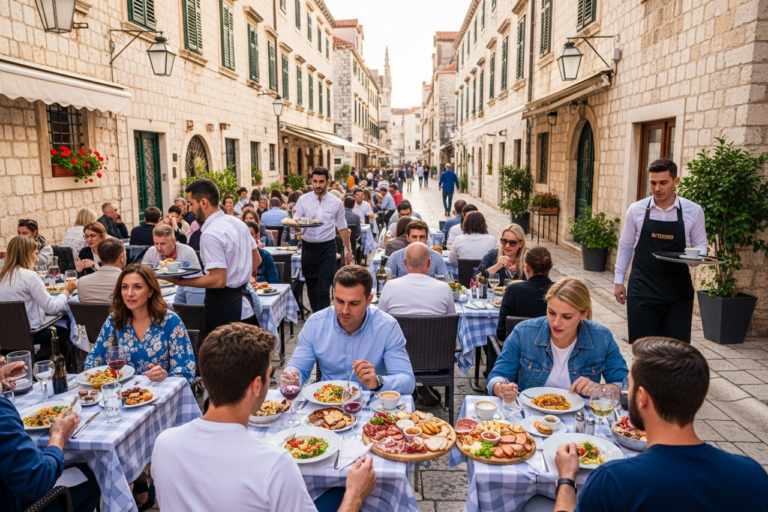
Croatia has many different landscapes, and this makes meal times change from one part of Croatia to another. The way people live and their customs in each area also decide when they eat. For example, folks on the Dalmatian coast like Dubrovnik and Istria are influenced by long sunny days. Their pace of life is more laid-back and fits with a Mediterranean style. This means lunch may come later, and dinner is often at night, after the sun goes down, sometimes at 9 PM or even later in the summer.
Here are a few examples of how meal times change by region:
-
Istria and the Dalmatian Coast: People in these spots enjoy a slower rhythm. Lunch is a bit later, and dinner is often much later, especially during summer when the days go on for a long time.
-
Zagreb: The capital city combines both Central European work style and Croatian ways. Lunch is still the main meal, but it can be a little earlier so everyone can keep up with work hours.
-
Slavonia: In the eastern region, where meals are known for being rich and filling, people follow more old-style patterns. Lunch is the main meal in the middle of the day. It gives the people energy to continue their work.
These changes show how main meal times and eating habits differ around Croatia. The area, weather, and past have shaped when people eat, not just what they eat.
How Weekends, Holidays, and Festivals Affect Mealtimes
On weekends in Croatia, meal times are more laid-back and special. Sunday lunch is a big tradition. All the family will come together, often from many age groups. The lunch can go on for a few hours. This meal is bigger than what people eat during the week. People make special dishes and spend more time talking.
Holidays and festivals change eating times the most in Croatia. These days there are big meals that can last all day. The food is more unique, like roasted lamb on a spit or meals cooked under a peka. This style of cooking is at the heart of the celebration.
At these events, clear times for breakfast, lunch, or dinner fade. The day centers around the grill and the group table. Food is served and eaten again and again. It is about bringing people together, holding onto tradition, and enjoying some great food.
Conclusion
To sum up, knowing about meal times in Croatia helps you enjoy the country’s food and its ways. In Croatia, sharing food and the small things people do when they eat together are a big part of everyday life. When you have breakfast or eat lunch as a group, you see how much people care about being together. The time and place they have these meals show how much it matters to connect with others. If you visit Croatia, be sure to follow the customs and take in every moment at the table. Enjoy your meal!