Quick answer: Cortadillo is a traditional Mexican dessert, or pan dulce, featuring a soft cake base topped with bright pink frosting and sprinkles. While modern TikTok trends popularized the colorful “dot cake,” cortadillo has been a cultural staple in Mexican bakeries for decades, long predating the viral internet craze.
Social media feeds are currently filled with bright, colorful baking trends. The “dot cake” has taken over TikTok, capturing millions of views with its satisfying, heavily frosted aesthetic. Bakers carefully pipe colorful dots of icing onto cakes, creating a vibrant visual experience.
However, many people in the comments section are pointing out a familiar connection. For Mexican and Mexican-American communities, the dot cake looks incredibly familiar. It bears a striking resemblance to a traditional dessert known as cortadillo.
Cortadillo is deeply rooted in Mexican baking traditions. It is a staple in neighborhood bakeries and a nostalgic treat for many families. This article explores the cultural and historical background of cortadillo. We will explain exactly what it is, why people compare it to modern dot cakes, and how you can easily make this traditional dessert at home.
What exactly is the traditional Mexican dessert called cortadillo?
Cortadillo is a traditional Mexican pan dulce. Pan dulce translates to sweet bread or sweet pastry. It is typically prepared as a soft cake bar covered in colorful frosting. You will often find it sitting proudly in the display cases of Mexican bakeries, known as panaderías.
The signature look of cortadillo is distinct. It features bright pink frosting or icing spread over a soft, dense cake. Bakers then decorate it with colorful sprinkles or piped patterns. The cake is usually cut into square or rectangular portions, which makes it easy to share.
In a traditional panadería, cortadillo is sold alongside other staples like conchas, cuernitos, and empanadas. It remains a highly popular choice in Mexican-American communities throughout Texas, California, Arizona, and beyond. Buying pan dulce is a comforting routine for many families.
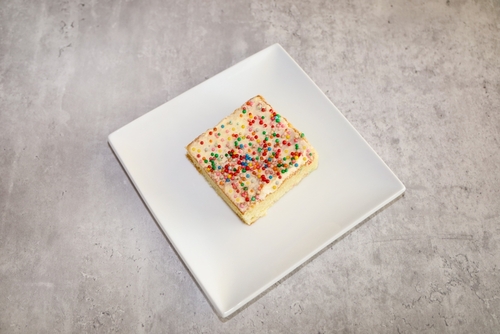
- A Mexican cortadillo (cut cake) also known as pink cake. Pan dulce Mexicano (Mexican sweet bread).
Is the Mexican cortadillo the original inspiration for TikTok dot cakes?
Social media users quickly noticed the visual similarities between traditional cortadillo and the modern dot cake trend. Both desserts feature decorative frosting patterns, bright colors, and simple but visually striking designs. They both evoke a nostalgic bakery aesthetic that brings comfort and joy.
It is important to clarify that cortadillo predates TikTok trends by decades. Traditional Mexican desserts have long embraced colorful, textured decorations. While we cannot claim that the dot cake was directly inspired by cortadillo without specific proof, the comparison highlights an important cultural conversation.
Viral food trends often rediscover or repackage traditional foods. By recognizing cortadillo, social media users help preserve the cultural origins of these beloved baking aesthetics.
What is the cultural history behind cortadillo and panaderías?
How did Spanish baking traditions influence Mexican pan dulce?
The history of Mexican pan dulce is a blend of different cultures. Spanish colonists introduced wheat and European baking techniques to Mexico. Over time, these European methods merged with Indigenous ingredients and regional culinary practices. This fusion created the rich and diverse pan dulce tradition that exists today.
Why are neighborhood panaderías important to Mexican communities?
Neighborhood bakeries play a vital role in Mexican communities. They are social hubs where people gather to buy fresh bread daily. The act of sharing pan dulce with hot coffee or traditional hot chocolate is an important social and cultural ritual. It brings families and neighbors together.
How did cortadillo become a staple in Mexican-American culture?
Cortadillo became especially popular in border regions and Mexican-American households. It is a reliable, crowd-pleasing dessert. You will often see it at birthday parties, family gatherings, and church events. For many families, cortadillo is simply the familiar pink dessert sitting in the bakery box on a Sunday morning.
What does authentic cortadillo taste and feel like?
Authentic cortadillo offers a comforting and mild flavor profile. The cake base usually features a subtle vanilla taste with a slight buttery richness. The texture sits somewhere between a snack cake and a traditional sheet cake. It is softer and less airy than a typical American birthday cake, giving it a satisfying density.
The sweetness comes primarily from the thick layer of icing on top. While vanilla is the most common flavor, some bakeries offer variations featuring cinnamon, strawberry frosting, chocolate drizzles, or coconut toppings.
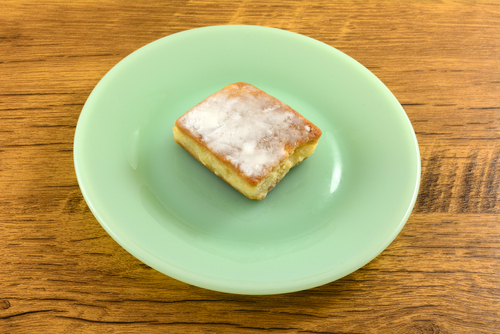
- Custard cream cortadillo cake on green dessert plate on table
What traditional ingredients are needed to make cortadillo?
Baking cortadillo requires simple, accessible ingredients. The main components for the cake include:
- All-purpose flour
- Eggs
- Granulated sugar
- Butter or shortening
- Milk
- Vanilla extract
- Baking powder
For the signature frosting, you will need:
- Powdered sugar
- Food coloring (usually pink)
- Vanilla or almond extract
- Sprinkles or decorative sugar
Recipes can vary by region and individual bakery. Some versions lean more toward a fluffy cake, while others resemble dense pastry bars.
How can you easily bake cortadillo at home?
What baking equipment do you need for cortadillo?
You do not need complex tools to make cortadillo. Gather a standard rectangular baking pan, mixing bowls, a hand or stand mixer, and an offset spatula for spreading the frosting evenly. Choose a metal baking pan if you want slightly crisper edges on your cake bars.
What is the step-by-step process for making cortadillo?
- Prepare the batter by creaming the butter and sugar, then adding the wet and dry ingredients.
- Pour the batter into your baking pan and bake until the top is lightly golden.
- Let the cake cool completely. This prevents the frosting from melting.
- Prepare your icing and tint it with food coloring.
- Spread the colored frosting evenly over the cooled cake using your spatula.
- Add decorative piped patterns or colorful sprinkles.
- Slice the cake into neat squares or rectangles.
How do you achieve the authentic texture of Mexican pan dulce?
To get the right texture, do not overmix the batter. Overmixing develops the gluten and makes the cake too tough. The goal is a slightly dense but tender crumb. Always allow the frosting to fully set and harden slightly before cutting the cake into squares.
What common beginner baking mistakes should you avoid?
Avoid overbaking the cake, which will dry it out. Never frost the cake while it is still warm, or the icing will slide off. Finally, ensure your frosting is not too thin; it should form a sturdy, opaque layer on top of the cake.
How does cortadillo vary across different regions?
What is the Texas panadería style of cortadillo?
In Texas, bakeries often make cortadillo with a very thick layer of bright pink frosting. The cake squares are distinctly dense, and they are usually topped with a heavy coating of bright rainbow sprinkles.
How do Northern Mexico variations differ?
In Northern Mexico, the approach is often slightly more reserved. The icing might be simpler and applied in a thinner layer. The overall flavor profile is sometimes less sweet, allowing the buttery taste of the cake to stand out.
How are modern bakeries interpreting traditional cortadillo?
Modern bakeries are experimenting with new interpretations of this classic dessert. You might find cortadillo with matcha frosting or gourmet flavor infusions. Some bakers are updating the vintage aesthetic to appeal directly to the visual standards of modern social media.
Why does the traditional cortadillo resonate in the TikTok era?
Nostalgia-driven food content is currently booming online. Bright colors and satisfying frosting textures perform incredibly well in short-form videos. This allows traditional desserts like cortadillo to find entirely new audiences. Younger generations are using social media to reconnect with their cultural foods.
However, it is important to remember that food trends can sometimes unintentionally erase cultural origins. We encourage readers to appreciate the deep traditions behind these viral aesthetics.
What is the main difference between cortadillo and modern dot cakes?
While they look similar, their origins are different. Cortadillo is a traditional Mexican dessert with decades of history. It is usually baked as a sheet cake or in bars, and it is firmly rooted in panadería culture. Its appeal focuses on accessibility and nostalgia.
The dot cake is a modern social media trend. It is typically baked as a layered celebration cake and is driven entirely by visual decorating trends. Ultimately, both desserts celebrate colorful decoration and joyful presentation, even though they come from very different cultural contexts.
Where can you find authentic cortadillo in your community?
You do not have to bake to enjoy cortadillo. You can find authentic versions at local Mexican bakeries (panaderías) or family-owned bakeries in Latino neighborhoods. Local Latin grocery stores with bakery sections also frequently stock them. We encourage you to support your local panaderías and experience this authentic cultural tradition firsthand.
Bringing traditional Mexican baking into your own home
Cortadillo is more than just a viral internet aesthetic. It is a culturally meaningful dessert backed by generations of history. We hope this guide helps you feel confident in exploring traditional bakeries or trying the recipe in your own kitchen.
Sometimes viral food trends are not entirely new discoveries. Often, they are rediscoveries of beautiful traditions that communities have cherished for decades.
Frequently Asked Questions (FAQ)
What exactly is cortadillo?
Cortadillo is a traditional Mexican dessert often sold in panaderías. It typically consists of a soft cake base topped with colorful frosting and decorative sprinkles.
Is cortadillo the exact same thing as a dot cake?
Not exactly. Dot cakes are a modern social media trend, while cortadillo is a long-standing Mexican dessert tradition. However, many people compare them because of their colorful decorative styles.
What does traditional cortadillo taste like?
Cortadillo usually has a sweet, mild vanilla flavor with a soft, slightly dense cake texture and a sugary frosting.
Why is cortadillo so popular in Texas?
Cortadillo became especially popular in Mexican-American communities throughout Texas due to the strong historical influence of panadería culture in the region.
Is cortadillo officially considered pan dulce?
Yes. Cortadillo is generally categorized as a type of pan dulce (sweet bread/pastry) sold in Mexican bakeries.
Can you easily make cortadillo at home?
Yes. Homemade cortadillo recipes are relatively beginner-friendly and usually require basic baking ingredients like flour, sugar, butter, and food coloring.
What type of frosting is used on cortadillo?
Most versions use a sweet, simple icing or buttercream-style frosting. It is often dyed pink or other bright colors to make it stand out.
Why are people comparing cortadillo to TikTok dot cakes?
The comparison comes from their shared colorful frosting patterns and visually satisfying designs that rely on bright, thick icing and sprinkles.