Quick answer: Pacific Island communities in New Zealand celebrate Christmas through church services, choir performances, and large family feasts that bring together Samoan, Tongan, Fijian, and Cook Islands traditions. Celebrations often span two countries, with families gathering both in New Zealand and across the Pacific, blending faith, food, and connection into one of the year’s most meaningful occasions.
For Samoan, Tongan, Fijian, and Cook Islands families living in New Zealand, Christmas is rarely a quiet, one-day affair. It’s a season that stretches across weeks of preparation, church rehearsals, and family coordination, often involving relatives scattered between Auckland, Wellington, and islands thousands of kilometres away.
New Zealand is home to one of the largest Pacific diaspora populations in the world, and Christmas is when that connection to the islands feels strongest. Whether a family is gathered in a suburban backyard in South Auckland or around a table in Apia, the traditions remain remarkably consistent: faith comes first, music fills the home, and food brings everyone together.
This blog looks at how these communities celebrate Christmas, what traditions carry the most weight, and why the holiday remains such a powerful thread connecting families across the Pacific and New Zealand.

Why is church central to Pacific Island Christmas celebrations?
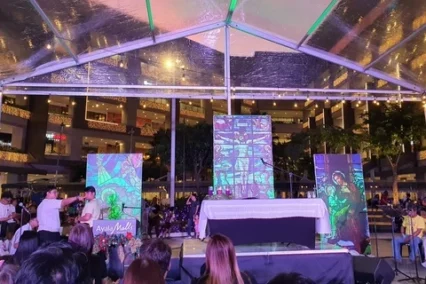
For Samoan, Tongan, Fijian, and Cook Islands families, Christmas Day almost always begins at church. Services are often held in the early morning, and entire extended families attend together, dressed in their best clothes, frequently in matching family colours or traditional fabric.
Church isn’t simply a precursor to the day’s festivities. It’s considered the heart of the celebration. Prayers of thanks for the year, for family reunited or remembered from afar, and for the year ahead are woven through these services. In many congregations, Christmas services run longer than usual, reflecting the significance of the day within the church calendar.
For Pacific communities in New Zealand, church also serves as a vital social hub. These congregations often become extended family themselves, especially for those whose immediate relatives remain in the islands.

What role do choirs play in Pacific Christmas traditions?
Choral singing is one of the most recognisable elements of a Pacific Island Christmas. Samoan, Tongan, Fijian, and Cook Islands churches are known for their rich vocal harmonies, and Christmas is when choirs perform some of their most rehearsed and anticipated pieces.
Rehearsals often begin weeks in advance, with different generations practising together. Younger family members learn hymns in their heritage language alongside grandparents and parents, helping preserve both musical tradition and linguistic connection.
In many Tongan and Samoan communities in New Zealand, choir performances on Christmas Eve or Christmas morning are considered a highlight of the season, sometimes drawing crowds beyond the immediate congregation. The music isn’t just performance. It’s a way of expressing gratitude, joy, and unity as a community.

How do families celebrate with food during Christmas?
Food is central to how Pacific Island families mark Christmas, and the feast is typically a communal effort rather than a single household’s responsibility. Extended family members contribute dishes, and preparation can begin days in advance.
Common dishes include:
- Umu or hāngi-style cooking, where meat and root vegetables are slow-cooked using heated stones, a method shared across many Pacific cultures
- Palusami, a Samoan dish made from taro leaves and coconut cream, often served alongside roasted meats
- Lū, a Fijian dish similar to palusami, combining taro leaves, coconut cream, and meat or fish
- Roast pork or lamb, reflecting the influence of both traditional and Western Christmas foods
- Raw fish dishes, such as Fijian kokoda or Cook Islands ika mata, marinated in coconut cream and citrus
In New Zealand, these feasts often blend traditional Pacific dishes with roast dinners, reflecting the dual cultural identity many families navigate. The meal itself can stretch for hours, with multiple generations eating together, often outdoors if the weather allows.

Why does Christmas often involve family gatherings across New Zealand and the Pacific?
For many Samoan, Tongan, Fijian, and Cook Islands families, Christmas highlights a reality that shapes daily life throughout the year: family is often split between New Zealand and the Pacific Islands. Parents, siblings, children, and grandchildren may be living in different countries, and Christmas becomes one of the few times families can reunite in person.
Some families travel home to the islands for the holiday season, timing flights around church commitments and family reunions. Others welcome relatives from the Pacific into their New Zealand homes, turning Christmas into an extended visit that can last weeks.
For those who can’t travel, phone calls and video chats on Christmas Day have become their own tradition, with families coordinating across time zones to share the moment together, even from a distance. Staying connected across these distances, whether through a phone call, a visit home, or simply knowing family is cared for no matter where they are, is part of what makes the season meaningful for so many Pacific households in New Zealand.

What makes Pacific Island Christmas traditions unique compared to Western celebrations?
While Pacific Island Christmas celebrations share some elements with broader Western traditions, such as gift-giving and festive decorations, the emphasis differs in meaningful ways.
Faith and community take precedence over commercial aspects of the holiday. Music, particularly choral singing, plays a far more central role than in many Western celebrations. And the scale of family gatherings, often involving extended relatives, church congregations, and multi-generational households, reflects the communal values that run through Samoan, Tongan, Fijian, and Cook Islands cultures.
Choose Pacific Island Christmas traditions as a lens for understanding the broader values of these communities: connection, faith, and generosity matter more than material celebration.
Keeping tradition alive across generations and borders
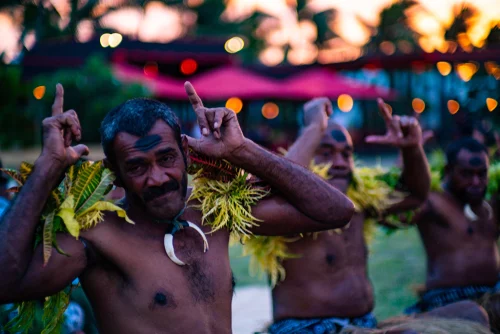
Christmas for Samoan, Tongan, Fijian, and Cook Islands families in New Zealand is a celebration built on faith, music, food, and family, regardless of how far apart loved ones might be. These traditions have endured through generations and across borders, carried by choirs rehearsing hymns, families preparing feasts together, and relatives making the journey home whenever they can.
For Pacific communities in New Zealand, Christmas is proof that distance doesn’t diminish connection. It strengthens it.
Frequently asked questions
What do Samoan families typically eat on Christmas Day?
Samoan families often prepare palusami (taro leaves with coconut cream), roasted meats, and umu-cooked dishes, combining traditional cooking methods with festive staples.
Why is church attendance so important during Pacific Island Christmas celebrations?
Church services mark the spiritual heart of the celebration for Samoan, Tongan, Fijian, and Cook Islands families, with early morning services, extended prayers, and choir performances forming the foundation of Christmas Day.
Do Pacific Island families in New Zealand travel to the islands for Christmas?
Many families do travel between New Zealand and the Pacific during the Christmas season, timing visits around church events and family reunions, while others welcome relatives from the islands into their New Zealand homes.
What role does music play in Tongan and Fijian Christmas traditions?
Choral singing is a defining feature, with church choirs rehearsing for weeks ahead of Christmas to perform hymns that express gratitude and unity within the congregation.
How do Cook Islands families mark the Christmas season?
Cook Islands families typically combine church attendance, choir singing, and large family feasts featuring dishes like ika mata, alongside gatherings that bring together extended relatives.