Quick answer: White Sunday (Lotu a Tamaiti) falls on the second Sunday of October — 11 October 2026 — and is celebrated by Samoan, Tongan, Tuvaluan, Tokelauan and Niuean congregations across Auckland, Wellington and Christchurch. Children lead the church service dressed in new white clothing, recite scripture and are served first at the family feast. The occasion carries real financial weight, with new outfits, church offerings and feast preparations forming some of the year’s biggest household expenses for many Pacific families in New Zealand.
For thousands of Pacific families across New Zealand, the second Sunday of October means something far bigger than a regular Sunday service. White Sunday, known as Lotu a Tamaiti in Samoan, is one of the most cherished dates on the calendar — a day built entirely around children, faith and family.
If you’re new to the tradition, preparing for your first White Sunday, or simply want to understand why this day matters so much to Pacific communities in New Zealand, this guide covers what happens, when it falls in 2026, and the financial realities that come with it.

What is White Sunday (Lotu a Tamaiti)?
White Sunday, or Lotu a Tamaiti, translates roughly to “children’s church” and is exactly that — a day dedicated to honouring children within Pacific church communities. It’s observed by Samoan, Tongan, Tuvaluan, Tokelauan and Niuean congregations, with particularly strong observance in Auckland, Wellington and Christchurch, home to some of New Zealand’s largest Pacific populations.
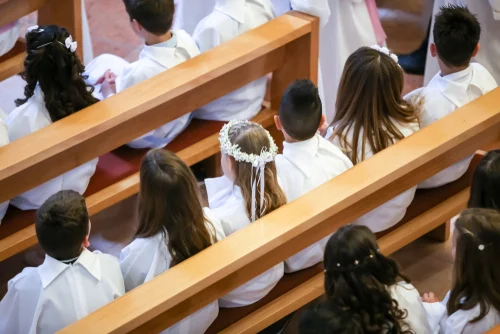
On this day, children take centre stage in the church service. They recite Bible verses, sing hymns and sometimes perform short plays, all dressed in new white clothing that symbolises purity and new beginnings. At the family feast that follows, children are served first — a small but meaningful reversal of everyday roles that recognises their place at the heart of the community.
When is White Sunday 2026 in New Zealand?
White Sunday always falls on the second Sunday of October. In 2026, that date is Sunday, 11 October. Unlike Labour Day, which lands later in October, White Sunday is not a public holiday in New Zealand, so it doesn’t affect standard business operating hours in the way statutory holidays do. Families typically plan around their usual weekend routines, with the day itself centred on church and home.
How is White Sunday celebrated in New Zealand?
Preparations for White Sunday often begin weeks in advance. Congregations rehearse scripture readings and songs, families coordinate outfits, and church halls are decorated for the occasion. On the day itself:
- Children lead the church service from start to finish, reciting verses and performing items they’ve practised for weeks.
- Everyone wears white, with new clothing purchased specifically for the occasion.
- Families gather afterwards for a feast, where children eat first as a mark of honour.
- Extended family and community members often move between multiple households and churches to take part in the celebrations.
The day is as much about community as it is about faith, with aunties, uncles and neighbours pitching in to make sure every child feels celebrated.
Why is White Sunday such a significant cost for Pacific families?
White Sunday is a beautiful tradition, but it’s also one of the more expensive dates on the family calendar. Three costs tend to stand out:
New clothing. Every child in the family typically needs a new white outfit, and in larger extended families, this can mean outfitting several children at once.
Church offerings. Financial contributions to the church are a customary part of the celebration, reflecting gratitude and communal support.
The feast. Preparing enough food for an extended family gathering, often across multiple households, adds up quickly — particularly when hosting duties rotate between relatives.
These costs land on top of everyday household budgets, and for many families, they’re planned for well in advance.

What does White Sunday have to do with money transfers?
White Sunday highlights a broader financial reality for Pacific communities: Samoa, Tonga and Tuvalu are among the most remittance-dependent economies in the world, and New Zealand is one of the primary countries sending money to support family back home. Occasions like White Sunday often prompt an uptick in money sent to relatives in the Pacific Islands, whether to help cover a niece’s new white dress, contribute to a church offering, or support a family feast happening on the other side of the ocean.
For families sending money around this time, a few practical questions tend to come up.
Are banks open on White Sunday in New Zealand?
White Sunday isn’t a public holiday, so business hours aren’t affected by the occasion itself. That said, 11 October 2026 falls on a Sunday, and most New Zealand retail bank branches are closed on Sundays regardless of the occasion. Online and mobile banking, along with digital money transfer services, generally continue to operate as normal, so sending funds ahead of the weekend is worth factoring into any last-minute planning.

What should families consider when planning finances for White Sunday?
Because White Sunday combines clothing costs, church offerings and feast preparations all at once, many families find it helpful to budget for the occasion in the weeks leading up to it rather than covering everything in a single pay cycle. Sending money to relatives ahead of time — rather than waiting until the days immediately before the 11th — can also help avoid the rush that comes with weekend banking closures and processing times on transfers.
Honouring Tradition, Planning Ahead
White Sunday is a day that reflects some of the strongest values in Pacific culture: faith, family and putting children first. For many New Zealand households, it’s also a reminder of how closely community celebrations and financial planning are connected. Understanding when the day falls, what it involves, and the costs families typically face can make it easier to celebrate Lotu a Tamaiti without last-minute financial stress — leaving more room to focus on what the day is really about.
Frequently Asked Questions
When is White Sunday in 2026?
White Sunday 2026 falls on Sunday, 11 October, the second Sunday of the month, in line with the tradition’s usual timing each year.
Which communities celebrate White Sunday in New Zealand?
Samoan, Tongan, Tuvaluan, Tokelauan and Niuean congregations celebrate White Sunday, with particularly large observances in Auckland, Wellington and Christchurch.
Is White Sunday a public holiday in New Zealand?
No. White Sunday is a significant cultural and religious occasion for Pacific communities, but it is not recognised as an official public holiday in New Zealand, so standard business hours apply.
Why do children wear white on White Sunday?
White clothing symbolises purity and new beginnings, reflecting the day’s focus on honouring children within the church and family.
Why is White Sunday considered an expensive occasion?
New clothing for children, church offerings and feast preparations for extended family gatherings all fall around the same date, making White Sunday one of the costlier occasions on the calendar for many households.