Quick answer: The Double Ninth Festival, also known as Seniors’ Day, falls on the ninth day of the ninth lunar month and is expected to land on 18 October 2026. It’s China’s official Elders’ Day, traditionally marked by hill-climbing and chrysanthemum viewing, with a modern focus on honouring older relatives. For New Zealand’s Chinese community, it’s a meaningful reminder to check in on parents and grandparents, whether that’s a phone call, a visit, or practical support.
For many families across New Zealand, the Double Ninth Festival is a quiet but important date on the calendar. It doesn’t come with fireworks or public holidays, but it carries real weight for households with strong ties to Chinese culture and tradition. At its heart, this festival is about respect: taking a moment to acknowledge the elders who’ve shaped families and communities.
If you’re new to the Double Ninth Festival or simply want a refresher before 2026 rolls around, this guide covers everything from its origins to how it’s observed today, plus a few practical notes for anyone planning to support elderly relatives around this time.
What Is the Double Ninth Festival?
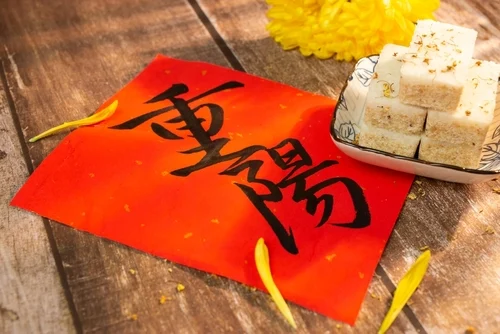
The Double Ninth Festival, sometimes called Chongyang Festival, takes its name from its timing on the Chinese lunar calendar. It falls on the ninth day of the ninth lunar month, and the repetition of the number nine is considered significant in Chinese numerology, where nine is associated with longevity and yang energy.
Today, the Double Ninth Festival is China’s official Elders’ Day. It’s a time set aside to recognise the contributions and wisdom of older generations, and it’s observed with a blend of ancient customs and modern gestures of care.
When Is the Double Ninth Festival in 2026?
Because the festival follows the lunar calendar rather than the standard Gregorian calendar, its date shifts each year. In 2026, the Double Ninth Festival is expected to fall on 18 October. It’s worth double-checking closer to the date, as lunar calendar conversions can vary slightly depending on the source.
Unlike Lunar New Year, the Double Ninth Festival isn’t a public holiday in New Zealand, so it won’t affect school terms, retail trading hours, or general business operations here. That said, it remains a culturally significant day for many families.
What Are the Traditional Customs of the Double Ninth Festival?
The festival has deep roots, and several customs have been passed down for centuries. While not every family observes each tradition today, they remain part of the festival’s cultural fabric.
Hill Climbing
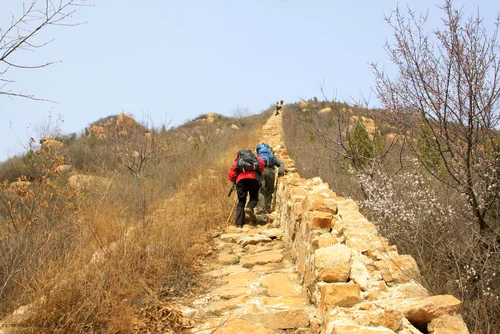
Climbing a hill or mountain is one of the oldest customs associated with the festival. It’s thought to have originated from a legend involving a man who was advised to climb to high ground with his family to avoid misfortune. Over time, this practice became associated with good health and warding off bad luck. In modern China, hill-climbing on this day is often treated as a light-hearted outdoor activity, sometimes combined with family outings.
Chrysanthemum Viewing
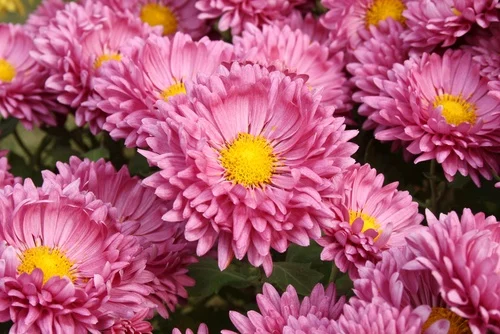
Chrysanthemums bloom around this time of year in China, and viewing or gifting them is a traditional part of the celebration. The flower is associated with resilience and longevity, making it a fitting symbol for a day centred on honouring elders. Chrysanthemum wine and tea are also traditionally enjoyed during the festival.
Eating Double Ninth Cake
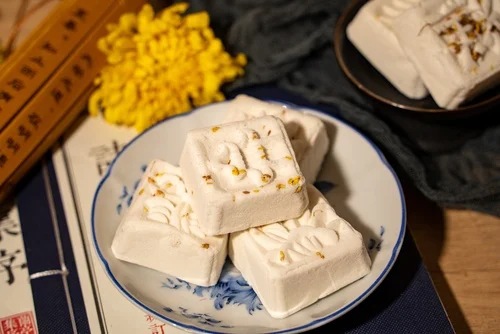
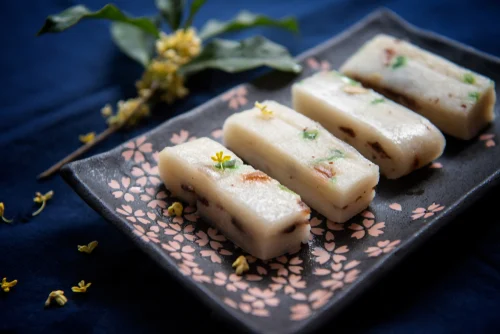
Double Ninth cake, or chongyang gao, is a layered cake often made with nuts, dried fruit, and sometimes a red date paste. Because the Chinese word for “cake” sounds similar to the word for “height,” eating this cake is linked to the hill-climbing tradition and the idea of rising higher in life.
Why Does the Double Ninth Festival Matter to New Zealand’s Chinese Community?
New Zealand is home to a substantial and growing Chinese community, and cultural touchpoints like the Double Ninth Festival hold real relevance here, even without official recognition on the national calendar. For many families, particularly those with parents or grandparents living overseas in China, Hong Kong, Taiwan, or Malaysia, this day serves as a natural reminder to reach out.
Distance and busy schedules can make regular contact with elderly relatives harder than anyone would like. The Double Ninth Festival offers a built-in reason to pause and reconnect, whether that means a video call, sending a care package, or simply checking in on their wellbeing.
How Can You Honour Elders During the Double Ninth Festival?
You don’t need to be in China to mark the occasion meaningfully. Here are some practical ways New Zealand families observe the day:
- Make a phone or video call. For relatives overseas, a call on this day carries extra significance, showing that the festival wasn’t forgotten despite the distance.
- Visit in person. If parents or grandparents live locally, a visit, a shared meal, or simply spending time together reflects the spirit of the day.
- Share a small gift. This doesn’t need to be elaborate. Chrysanthemum tea, a thoughtful card, or a home-cooked meal can go a long way.
- Offer practical support. For elderly relatives managing daily tasks, offering help with errands, appointments, or household needs is a meaningful gesture that aligns with the festival’s values.

Are Banks Open During the Double Ninth Festival in New Zealand?
Since the Double Ninth Festival isn’t a recognised public holiday in New Zealand, banks operate on their standard schedule. There’s no need to plan around bank closures, delayed transactions, or reduced hours because of the festival itself.
This is worth knowing if you’re planning to support elderly relatives financially around this time, whether that’s helping cover expenses, contributing to a family gift, or assisting with day-to-day costs. Because it’s business as usual for New Zealand banks, there’s no added waiting period or scheduling concern tied specifically to this date.
If you’re coordinating support across different countries, it’s still worth checking the banking calendar in the recipient’s location, since public holidays and bank operating hours can differ from New Zealand’s.
Marking the Day, Wherever You Are
The Double Ninth Festival is a quiet but meaningful reminder of the role elders play in family and community life. For New Zealand’s Chinese community, it’s less about grand celebrations and more about intention: making the effort to call, visit, or support parents and grandparents, even from a distance.
As 18 October 2026 approaches, consider how you might mark the day, whether through a simple phone call or a more hands-on gesture of care. Small actions on this day often carry the most meaning.

Frequently Asked Questions
What is the Double Ninth Festival also known as?
The Double Ninth Festival is also known as Chongyang Festival and, in its modern form, as China’s official Elders’ Day or Seniors’ Day.
When is the Double Ninth Festival in 2026?
The Double Ninth Festival in 2026 is expected to fall on 18 October, based on the ninth day of the ninth lunar month in the Chinese lunar calendar.
Is the Double Ninth Festival a public holiday in New Zealand?
No, the Double Ninth Festival is not a public holiday in New Zealand. Businesses, schools, and banks operate on normal schedules.
What are the main traditions of the Double Ninth Festival?
The main traditions include hill-climbing, chrysanthemum viewing, and eating Double Ninth cake, along with modern customs focused on honouring and spending time with elderly relatives.
Why is the Double Ninth Festival important for New Zealand’s Chinese community?
For many in New Zealand’s Chinese community, the festival is a cultural prompt to reconnect with parents and grandparents, particularly those living overseas, through calls, visits, or acts of practical support.