Quick answer: Simbang Gabi is a nine-day series of dawn Masses held from 16 to 24 December, marking the lead-up to Christmas in Filipino tradition. In New Zealand, Filipino Kiwis adapt this centuries-old custom to local parish schedules, gathering before sunrise (or in the evening) to pray, sing, and share festive food with their community.
For Filipino families living in New Zealand, December carries a rhythm all its own. Long before the rest of the country starts winding down for the holidays, Filipino Kiwis are waking before dawn (or staying up for evening Mass) to take part in Simbang Gabi, a tradition that has travelled with them across the world.
Simbang Gabi, which translates to “night Mass,” is one of the most cherished customs in Filipino Catholic culture. It began centuries ago in the Philippines as a way for farming communities to attend Mass before heading into the fields, and it has since grown into a nine-day spiritual countdown to Christmas. For many Filipinos abroad, keeping this tradition alive is less about ritual and more about connection: to faith, to family back home, and to each other.
This article looks at what Simbang Gabi involves, how Filipino communities in New Zealand observe it, and why the tradition continues to matter so much to those far from home.
What Is Simbang Gabi and Why Does It Last Nine Days?
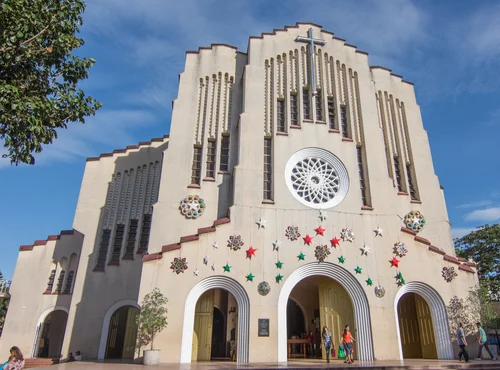
Simbang Gabi consists of nine consecutive mornings of Mass, held from 16 December through to 24 December, Christmas Eve. The nine-day structure mirrors a novena, a Catholic practice of praying for nine consecutive days, and culminates in Misa de Gallo, the final Mass celebrated just before midnight on Christmas Eve.
Traditionally, these Masses were held at dawn, often as early as 4am, so that farmers and labourers could attend before starting their workday. The early hour is part of what makes Simbang Gabi distinctive: it asks for sacrifice and discipline, a small act of devotion before the demands of daily life take over.
Completing all nine Masses is considered an act of faith and perseverance. Many Filipinos believe that finishing the full novena brings a wish or prayer closer to being granted, which adds a personal, hopeful dimension to the tradition beyond its religious roots.
How Do Filipino Kiwis Celebrate Simbang Gabi in New Zealand?
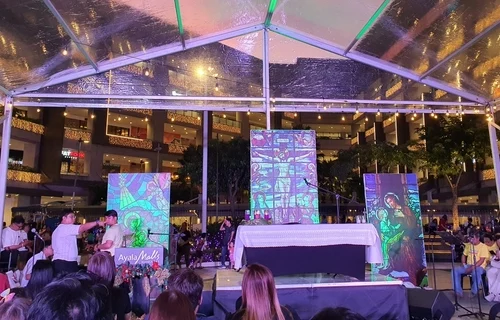
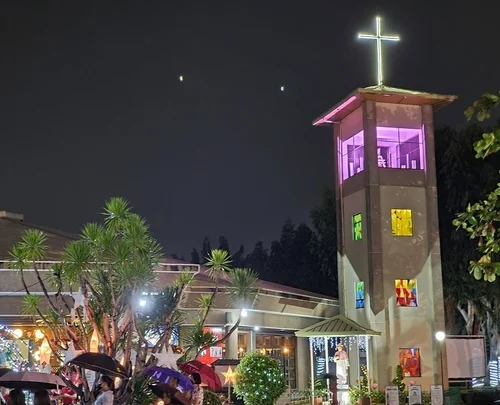
In New Zealand, Filipino communities observe Simbang Gabi between 16 and 24 December, adapting the custom to fit local parish timetables and daily routines. Because dawn Masses aren’t always practical for working families or school terms, many parishes with strong Filipino congregations schedule evening services instead, allowing more people to attend after work or school.
Despite the shift in timing, the spirit of the tradition stays the same. Churches with sizeable Filipino communities, including parishes in Auckland, Wellington, and Christchurch, often host Simbang Gabi Masses that include Filipino hymns, readings in Tagalog or regional dialects, and decorations like the parol, a star-shaped lantern that symbolises hope and guidance.
Food plays a central role, too. After Mass, it’s common for families and parish groups to gather for small feasts featuring Filipino favourites like bibingka (rice cake) and puto bumbong (purple rice cake), both traditionally sold outside churches in the Philippines during this season. In New Zealand, these dishes are often homemade or shared potluck-style, turning each evening into a mini reunion.
Why Does Simbang Gabi Matter So Much to Filipinos Living Abroad?
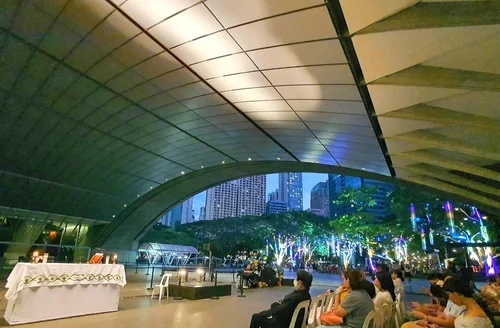
For Filipino Kiwis, Simbang Gabi offers something beyond religious observance: it’s a way to stay connected to home while building a sense of belonging in a new country. Attending Mass with other Filipinos, singing familiar hymns, and sharing traditional food all help recreate a piece of the Philippines within New Zealand communities.
This matters particularly for families separated by distance. Many Filipino migrants in New Zealand have parents, siblings, or children still living in the Philippines, and the Christmas season often brings those connections into sharper focus. Simbang Gabi becomes a shared ritual that, even from thousands of kilometres away, helps families feel like they’re marking the season together.
Communities built around shared tradition, whether through a parish, a cultural organisation, or simply a group of friends gathering for evening Mass, are often what makes a new country start to feel like home. Remitly recognises how important these connections are, and has long supported the idea that staying close to family, wherever they are in the world, matters just as much during the holidays as it does throughout the year.
What Role Does Community Play During the Simbang Gabi Season?
Beyond church services, Simbang Gabi often doubles as a season of community gathering for Filipino Kiwis. Cultural associations, parish groups, and even workplaces with Filipino staff sometimes organise joint celebrations, carol singing, or potluck dinners alongside the nine-day Mass series.
These gatherings serve a dual purpose. They keep younger generations of Filipino New Zealanders connected to a tradition their parents or grandparents grew up with, while also giving the broader community a chance to learn about Filipino culture firsthand. For many, Simbang Gabi has become less of a solely religious event and more a cultural touchstone, something that brings people together regardless of how often they attend church throughout the year.
Keeping Tradition Alive, Wherever Home Is
Simbang Gabi shows how a centuries-old custom can travel across oceans and still hold its meaning. For Filipino Kiwis, the nine days leading up to Christmas are a chance to pause, reflect, and reconnect, with faith, with culture, and with each other.
Whether it’s an early morning Mass in Manila or an evening service in Auckland, the heart of Simbang Gabi remains the same: a shared hope that carries families through the season, no matter how far apart they might be.
Frequently Asked Questions About Simbang Gabi in New Zealand
What is Simbang Gabi?
Simbang Gabi is a nine-day series of Masses celebrated by Filipino Catholics from 16 to 24 December, leading up to Christmas. The name translates to “night Mass,” reflecting its traditional dawn timing.
When is Simbang Gabi celebrated?
Simbang Gabi runs for nine consecutive days, starting on 16 December and ending on 24 December, Christmas Eve, with the final Mass known as Misa de Gallo.
Why are the Masses held so early in the morning?
The tradition began in the Philippines so farmers and labourers could attend Mass before starting their workday. The early hour also represents a small act of sacrifice and devotion ahead of Christmas.
How is Simbang Gabi observed differently in New Zealand compared to the Philippines?
In New Zealand, many parishes hold Simbang Gabi Masses in the evening rather than at dawn, to accommodate work and school schedules. The core traditions, including Filipino hymns, parol decorations, and shared food, remain largely the same.
Who typically participates in Simbang Gabi in New Zealand?
Filipino Catholic communities across New Zealand take part, often alongside parish groups and cultural associations. Celebrations are generally open to anyone interested in experiencing the tradition, not just those of Filipino heritage.
What foods are associated with Simbang Gabi?
Bibingka and puto bumbong are two traditional foods linked to the Simbang Gabi season, both rice-based delicacies often shared after Mass as part of the celebration.