Quick answer: St Lawrence Day falls on 10th August each year, commemorating a 3rd-century Roman deacon who was martyred for his Christian faith. Revered for distributing Church wealth to the poor, St Lawrence remains one of the most celebrated early Christian martyrs, with his legacy still observed across Britain and the wider world in 2026.
Every August, churches across Britain quietly mark the feast day of a man who lived nearly 1,800 years ago. St Lawrence — deacon, martyr, and champion of the poor — is not a household name in the way some saints are. Yet his story is woven into the fabric of British religious and cultural life, from ancient parish churches bearing his name to the annual meteor shower that carries his legacy into the night sky.
So who was St Lawrence? Why does his martyrdom still resonate today? And how is his feast day observed in 2026? Here is everything you need to know.
Who Was St Lawrence? The Deacon Behind the Legend
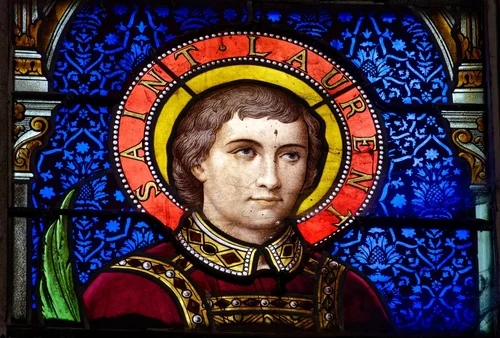
St Lawrence was a Christian deacon serving under Pope Sixtus II in Rome during the 3rd century. His role placed him at the heart of the early Church’s charitable work — he was responsible for managing the Church’s material resources and distributing aid to the poor and vulnerable members of the Christian community.
In AD 258, Emperor Valerian issued edicts ordering the execution of Christian clergy. Pope Sixtus II was arrested and killed, and Lawrence — as one of the senior deacons — was ordered to hand over the Church’s treasury to Roman authorities within three days.
Lawrence’s response was extraordinary. Rather than surrendering gold or silver, he gathered the poor, the sick, the blind, and the marginalised of Rome and presented them to the prefect, declaring: “These are the treasures of the Church.”
The Roman authorities were not moved by the gesture. Lawrence was sentenced to death and executed on 10th August AD 258 — traditionally said to have been by being roasted alive on a gridiron. According to legend, Lawrence famously said to his executioners midway through his ordeal: “Turn me over. I am done on this side.” Whether historically accurate or not, this account has shaped his enduring reputation for extraordinary courage and even dark humour in the face of death.

Why Is St Lawrence Significant in Britain?
St Lawrence holds a particular place in British religious history. His veneration arrived in England through early Christian missionaries and grew steadily throughout the medieval period. Hundreds of English churches were dedicated to him — St Lawrence Jewry in the City of London and the Church of St Lawrence in Ludlow are among the most notable examples still standing today.
His influence extended into place names, hospital dedications, and local customs. The Normans and medieval clergy alike held him in high regard, and his feast day on 10th August became an established date in the liturgical calendar of the Church of England.
In the Catholic tradition, St Lawrence is venerated as one of the most important early martyrs of the Western Church. He is the patron saint of the poor, cooks, archivists, and librarians — a broad patronage that reflects both his charitable work and the circumstances of his death.
When Is St Lawrence Day 2026?
St Lawrence Day falls on 10th August every year. In 2026, this falls on a Monday.
For Church of England congregations, St Lawrence is listed as a Lesser Festival. Catholic parishes and many Anglican churches with a dedication to St Lawrence typically hold a special Mass or service of commemoration on or around this date.
The Perseid Meteor Shower: St Lawrence’s Tears
One of the most enduring connections between St Lawrence and popular culture is the Perseid meteor shower. This annual astronomical event — one of the most spectacular of the year — peaks around 10th–13th August, coinciding closely with his feast day.
In medieval times, the meteors were known as the “Tears of St Lawrence,” a poetic reference to his fiery martyrdom. People believed the streaks of light across the August sky were sparks from the flames that killed him.
Today, the Perseids remain one of the most widely watched meteor showers in the Northern Hemisphere. Stargazers across Britain look forward to the display each summer, and the connection to St Lawrence — though largely forgotten by many — links the modern spectacle to centuries of Christian tradition.

How Is St Lawrence Remembered in 2026?
Church Services and Feast Day Observances
Churches dedicated to St Lawrence across England typically mark his feast day with a special service. St Lawrence Jewry, the official church of the Lord Mayor of London, is one of the most prominent venues for such observances. In 2026, worshippers and visitors are welcome to attend services commemorating his martyrdom and legacy.
Many Anglican and Catholic parishes across the country hold reflective services that focus on his example of service to the poor — a message that remains quietly powerful in 2026.
Heritage and Cultural Events
Several towns and villages with historic St Lawrence churches use the feast day as an opportunity for community events, open days, and guided heritage tours. August is well-timed for this, with long days and school holidays making visits accessible for families.
Historic England has documented a significant number of Grade I and Grade II listed churches dedicated to St Lawrence. For those interested in ecclesiastical architecture, his feast day provides a natural occasion to visit these sites.
Stargazing Gatherings
Given the overlap with the Perseid meteor shower, some astronomy clubs and community groups in Britain organise informal stargazing events around 10th August. Whether or not participants know the medieval name for the display, the shared experience of watching the Perseids is itself a continuation of a centuries-old tradition.

What Does St Lawrence’s Legacy Teach Us Today?
St Lawrence’s story is not simply a historical curiosity. His decision to prioritise people over property — to declare the marginalised and the suffering as the Church’s true wealth — carries a message that speaks directly to contemporary debates about inequality, social responsibility, and the purpose of institutions.
His example has inspired charitable foundations, hospital networks, and social welfare organisations across the Christian world. In Britain, his name continues to appear in the titles of foodbanks, community programmes, and charitable trusts that echo his original act of defiance.
The courage he showed in the face of persecution, combined with the compassion he demonstrated in his work among the poor, has made him a compelling figure across generations and denominations. In 2026, as communities across Britain observe his feast day, that combination of values remains as relevant as ever.
Frequently Asked Questions About St Lawrence Day 2026
When is St Lawrence Day in 2026?
St Lawrence Day falls on 10th August 2026, which is a Monday. It is observed annually on this date in both the Catholic and Anglican liturgical calendars.
Who was St Lawrence and why was he martyred?
St Lawrence was a Christian deacon in 3rd-century Rome who served under Pope Sixtus II. He was martyred in AD 258 on the orders of Emperor Valerian, who had issued edicts against Christian clergy. Lawrence was executed after refusing to hand over the Church’s wealth to Roman authorities, instead presenting the city’s poor as the true treasures of the Church.
Is St Lawrence Day a public holiday in the United Kingdom?
No, St Lawrence Day is not a public holiday in the United Kingdom. It is a religious observance — listed as a Lesser Festival in the Church of England’s liturgical calendar — and is marked primarily through church services and local commemorations.
What is the connection between St Lawrence and the Perseid meteor shower?
The Perseid meteor shower, which peaks around 10th–13th August, was historically known as the “Tears of St Lawrence” in medieval times. The timing of the meteor shower so close to his feast day led people to associate the streaks of light in the night sky with the flames of his martyrdom.
Which churches in Britain are dedicated to St Lawrence?
There are numerous churches across England dedicated to St Lawrence, including St Lawrence Jewry in the City of London and the Church of St Lawrence in Ludlow, Shropshire. Many are listed buildings with significant architectural and historical importance.
What is St Lawrence the patron saint of?
St Lawrence is the patron saint of the poor, cooks, archivists, and librarians. His patronage of the poor stems from his charitable work distributing Church resources; his association with cooks and fire relates to the manner of his martyrdom.
A Legacy Written in Stars and Stone
St Lawrence lived for only a short time in recorded history, but the impression he left has proved remarkably durable. From the medieval churches that bear his name to the meteor shower that still draws people outside on August nights, his story has found ways to stay present across the centuries.
In 2026, his feast day on 10th August offers an opportunity — whether through attending a church service, visiting a historic St Lawrence parish, or simply watching the Perseids — to connect with a tradition that is far older than most British institutions. For those interested in the history of Christian Britain, or simply curious about the figure behind the August meteors, his story rewards the attention.