TL;DR: Lohri is a Punjabi winter festival celebrated on 13 January every year, marking the end of winter and the start of the harvest season. British Punjabi families across the UK gather around bonfires, dance bhangra, and share sweets to honour this centuries-old tradition, keeping their cultural roots alive while building new memories abroad.
Every January, as the UK settles into the coldest stretch of winter, Punjabi communities across the country light bonfires, gather their families, and celebrate one of the most joyful festivals on the Punjabi calendar: Lohri. For British Punjabi families, the festival is a chance to mark the changing seasons, honour tradition, and strengthen community bonds, all while adapting age-old customs to life in a new country.
This post explores what Lohri is, how it’s traditionally celebrated, and how British Punjabi communities bring the festival to life across towns and cities in the UK.
What is Lohri and why is it celebrated on 13 January?
Lohri is a Punjabi winter festival celebrated on 13 January each year, the night before Makar Sankranti. The festival traditionally marks the end of the coldest days of winter and celebrates the upcoming harvest season, particularly the sugarcane crop in Punjab.
Historically, Lohri held deep agricultural significance. Farmers would celebrate the end of the winter solstice and give thanks for a successful harvest. Today, the festival has evolved into a broader celebration of family, community, and renewal, observed by Punjabi families both in South Asia and across the diaspora, including here in the UK.
How do British Punjabi families celebrate Lohri?
In the UK, Lohri is celebrated much as it is in Punjab, with a few adaptations suited to British weather and city living. The festival typically includes three core elements: bonfires, bhangra, and sweets.
Bonfires remain the heart of the celebration
A bonfire sits at the centre of nearly every Lohri gathering. Families and friends come together around the fire in the evening, often tossing in sesame seeds, popcorn, and peanuts as offerings while singing traditional folk songs. In the UK, these bonfires are commonly held in community centres, gurdwaras, or private gardens, with many towns hosting larger communal celebrations that bring together hundreds of local Punjabi families.
Bhangra brings energy to the night
No Lohri celebration is complete without bhangra, the energetic folk dance and music style originating from Punjab. British Punjabi communities often hire live dhol drummers or local bhangra groups to perform, encouraging guests of all ages to join in. Many UK cities with large Punjabi populations, including Birmingham, Leicester, and parts of London, host larger public bhangra performances as part of their Lohri festivities.
Sweets and seasonal food take centre stage
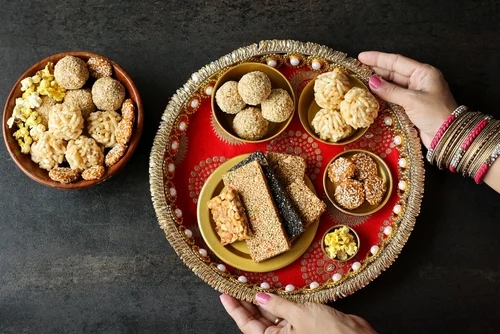
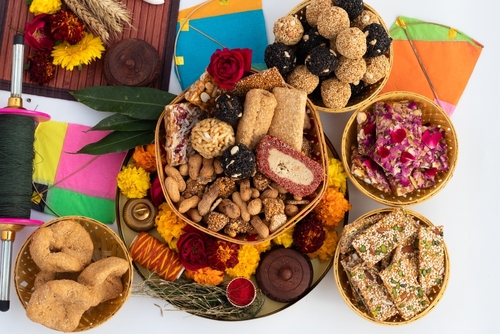
Traditional Lohri treats include til (sesame seed) laddoos, gajak (a sesame and jaggery sweet), popcorn, and peanuts. Many families also prepare sarson da saag with makki di roti, a classic Punjabi winter dish, to serve guests during the celebration. In the UK, local Asian grocers and bakeries often stock these specialty items in the run-up to 13 January, making it easier for families to source authentic ingredients.
Why does Lohri matter to the Punjabi diaspora in the UK?
For many British Punjabi families, Lohri is about more than tradition. It’s an opportunity to pass cultural heritage down to younger generations who may be growing up far from their ancestral homeland. Celebrating Lohri gives children a tangible connection to Punjabi customs, language, music, and food, helping preserve identity across generations.
The festival also strengthens community ties. Gurdwaras and community centres across the UK often organise shared Lohri events, inviting local families to celebrate together rather than separately. These gatherings create a sense of belonging, especially valuable for families who may be far from relatives still living in Punjab or elsewhere.
How has Lohri changed for Punjabi families living abroad?
While the spirit of Lohri remains the same, the way it’s celebrated in the UK has naturally adapted. Indoor venues often replace open fields for bonfires due to weather and local regulations. Celebrations may be scheduled for the nearest weekend rather than strictly on 13 January, to accommodate work and school commitments. Many families also blend Lohri traditions with British social customs, inviting non-Punjabi friends, neighbours, and colleagues to join the festivities and experience the culture firsthand.
This blending of old and new reflects a broader pattern among diaspora communities: holding on to meaningful traditions while making space for life in a new country.
Keeping Punjabi traditions alive, wherever home is
Lohri is a reminder that cultural traditions don’t need to fade with distance. For British Punjabi families, the festival offers a joyful way to mark the seasons, celebrate community, and pass down heritage to the next generation, whether that’s around a bonfire in a back garden in Leicester or at a community hall in Southall.
At Remitly, we understand how much it matters to stay connected to family traditions and the people you love, wherever in the world they are. Celebrations like Lohri show how communities keep their roots strong, even thousands of miles from home.
Frequently asked questions
When is Lohri celebrated in 2026?
Lohri falls on 13 January every year, regardless of the day of the week. In the UK, some community celebrations may be held on the nearest weekend for convenience.
What do people traditionally eat during Lohri?
Traditional Lohri foods include til (sesame seed) laddoos, gajak, popcorn, peanuts, and sarson da saag served with makki di roti.
Is Lohri a religious festival?
Lohri is primarily a cultural and seasonal festival rather than a strictly religious one. It is celebrated by Punjabis of various faiths, including Sikh, Hindu, and Muslim communities.
Where can I find Lohri celebrations in the UK?
Many gurdwaras, community centres, and Punjabi cultural organisations across cities like Birmingham, Leicester, and London host public Lohri events. Local community Facebook groups and gurdwara noticeboards are a good place to find event details.
What’s the difference between Lohri and Makar Sankranti?
Lohri is celebrated on the evening of 13 January and marks the end of winter, while Makar Sankranti falls the following day and is linked to the sun’s movement into Capricorn. The two festivals are closely connected and often celebrated as part of the same seasonal period.
Post Author
Cassidy Rush
Cassidy Rush is a writer with a background in careers, business, and education. She covers local and international finance news for Remitly UK.
Discover how Britain's Polish community celebrates Wigilia, from the first star and opłatek wafers to the traditional twelve-dish Christmas Eve supper.
Find out when Navratri, Durga Puja and Dussehra fall in 2026, how they're celebrated across the UK, and what to know about money transfers this festival season.
Remitly is on a mission to make international money transfers faster, easier, more transparent, and more affordable. Since 2011, millions of people have used Remitly to send money with peace of mind.