Quick answer: Jamaica Independence Day falls on 6th August each year, marking the country’s independence from the United Kingdom in 1962. In 2026, Jamaicans and members of the British Caribbean community will mark the occasion with flag displays, music, food, and community events held across cities throughout the UK.
Jamaica’s independence story is one of pride, perseverance, and cultural identity. On 6th August 1962, Jamaica became a sovereign nation, ending over 300 years of British colonial rule. More than six decades later, that moment still resonates deeply — not just on the island, but in the streets of London, Birmingham, Manchester, and beyond.
The British Jamaican community is one of the most vibrant and established Caribbean communities in the UK. Descendants of the Windrush generation, alongside newer arrivals, have woven Jamaican culture into the fabric of British life. Each year, Jamaica Independence Day serves as a powerful reminder of that heritage — a chance to celebrate identity, honour history, and come together as a community.
Whether you’re part of the Jamaican diaspora or simply curious about the celebrations, this guide covers everything you need to know about Jamaica Independence Day 2026 and how it’s marked across the UK.

What Is Jamaica Independence Day and Why Does It Matter?
Jamaica gained independence from the United Kingdom on 6th August 1962, becoming a fully sovereign state within the Commonwealth. The path to independence was shaped by decades of political activism, growing nationalist movements, and a deepening demand for self-determination.
For the British Jamaican community, Independence Day carries a layered significance. It’s a celebration of national pride, but also a moment to reflect on identity — what it means to be Jamaican, British, and everything in between. For many families with roots in Jamaica, the day is a cherished annual tradition passed down through generations.
What Are the National Symbols of Jamaica?
Understanding Jamaica’s national symbols adds depth to any Independence Day celebration:
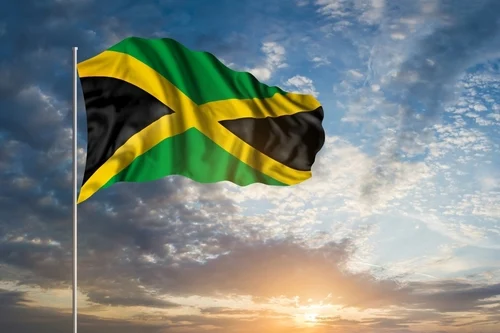
- Flag: The Jamaican flag features a gold diagonal cross (the saltire) with black triangles on the sides and green triangles at the top and bottom. Black represents the strength of the Jamaican people, gold symbolises the country’s natural wealth and sunshine, and green reflects the lush vegetation of the land.
- National motto: “Out of Many, One People” — a phrase that reflects Jamaica’s multicultural roots.
- National anthem: Jamaica, Land We Love, which is typically sung at official events and celebrations.
- National bird: The Doctor Bird (Red-billed Streamertail hummingbird), found only in Jamaica.

How Does the British Jamaican Community Celebrate Independence Day?
Across the UK, Jamaica Independence Day is marked with energy, creativity, and community spirit. Celebrations vary by city and organisation, but a few traditions tend to appear wherever Jamaicans gather.
Flag Displays and Community Gatherings
The black, gold, and green of the Jamaican flag is unmistakable in the days surrounding 6th August. Community centres, businesses, and private homes display flags with pride. Many local organisations host Independence Day events — from formal dinners and award ceremonies to street parties and cultural showcases.
Cities with large British Jamaican populations, including London, Birmingham, Bristol, and Leeds, tend to see the most activity. Look out for events at Jamaican community associations, Caribbean cultural organisations, and local churches, many of which hold special services to mark the occasion.
Music: The Heartbeat of the Celebration
Music is central to any Jamaican celebration, and Independence Day is no different. Reggae, dancehall, ska, and mento fill community halls and outdoor spaces. Artists like Bob Marley remain enduring symbols of Jamaican culture and his music is a staple at events throughout August.
Sound systems — a tradition born in Jamaica and brought to the UK by the Windrush generation — still play a role in many celebrations. For younger generations of British Jamaicans, the music connects them to a heritage they may never have experienced directly but feel deeply nonetheless.
Food and Flavour
No Jamaican celebration is complete without food. Jerk chicken, rice and peas, plantain, ackee and saltfish, and festival (fried dumplings) are all staples you’ll find at Independence Day gatherings. Caribbean restaurants and home cooks alike take the opportunity to showcase the richness of Jamaican cuisine.
If you’re looking to mark the day with a meal, seek out a local Caribbean restaurant or community event — or try cooking a Jamaican recipe at home. There are plenty of straightforward recipes online that bring authentic flavours to your kitchen.
Cultural Events and Performances
Beyond food and music, Independence Day often features spoken word performances, poetry, dance, and storytelling. Cultural organisations use the occasion to educate younger generations about Jamaican history, and schools with significant Caribbean student populations sometimes incorporate the celebrations into their programmes.

When Is Jamaica Independence Day 2026?
Jamaica Independence Day 2026 falls on Thursday, 6th August 2026. In the UK, many associated events and celebrations may take place over the surrounding weekend — from 7th to 9th August 2026 — to allow more people to participate.
It’s worth checking with local Caribbean community organisations, cultural centres, and councils in your area as August approaches. Event listings are typically published a few weeks in advance.
The Windrush Legacy: Jamaica’s Deep Roots in Britain
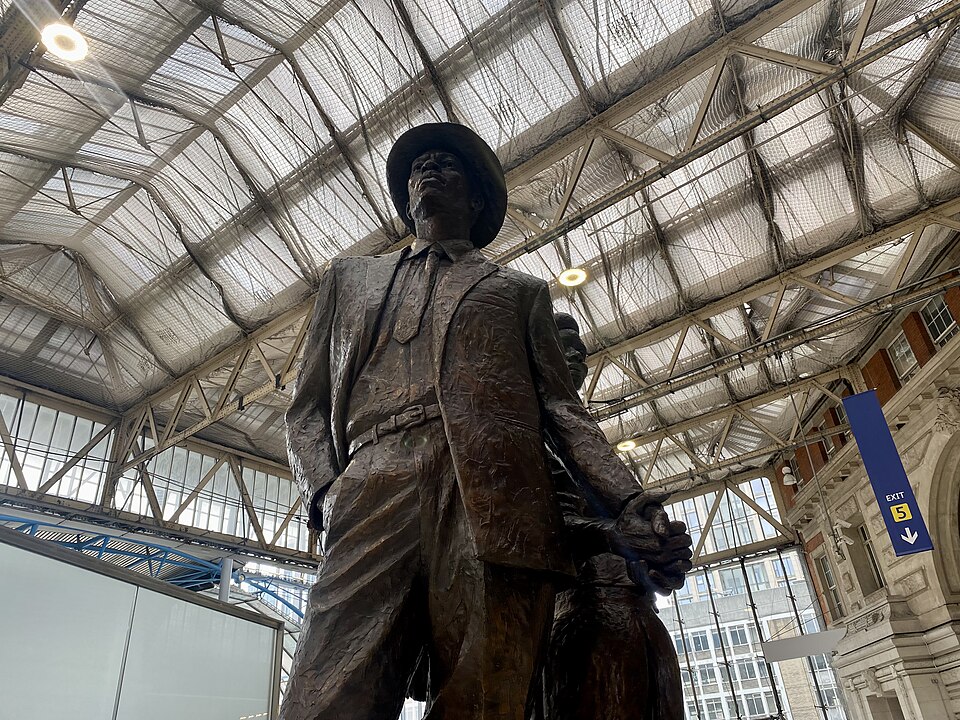
Any discussion of Jamaica Independence Day in the UK must acknowledge the Windrush generation. Between 1948 and 1971, hundreds of thousands of people from the Caribbean — including a significant number from Jamaica — came to the UK at the British government’s invitation to help rebuild the country after the Second World War.
They settled, worked, raised families, and built communities. The contributions of the Windrush generation to British society — in the NHS, transport, construction, and culture — are immeasurable. Today, their descendants form a British Jamaican community that is proud of both its Jamaican roots and its British identity.
Independence Day, in this context, is about more than one country’s history. For many British Jamaicans, it’s a celebration of resilience — of a community that has thrived despite significant challenges and continues to enrich British life.
How to Mark Jamaica Independence Day 2026 in the UK
Not sure how to participate? Here are a few simple ways to celebrate:
- Attend a local event. Check community boards, local council listings, and Caribbean cultural organisations for events near you.
- Cook a Jamaican meal. Invite family or friends and prepare traditional dishes together.
- Listen to Jamaican music. Put together a playlist spanning ska, rocksteady, reggae, and dancehall.
- Learn something new. Read about Jamaican history, the Windrush generation, or the contributions of Jamaican icons in art, sport, and music.
- Display the flag. Show your support by flying or displaying the Jamaican flag on 6th August.
Celebrating Identity Across Generations
Jamaica Independence Day 2026 is a moment that belongs to the entire British Jamaican community — those who remember the island firsthand, and those who know it only through stories, food, and music passed down at the kitchen table.
The celebration is evolving too. Younger British Jamaicans are finding new ways to express and explore their heritage — through social media, creative arts, and activism. Independence Day has become a space not just for looking back, but for asking what Jamaican identity means today and in the future.
Wherever you are in the UK, 6th August is a day worth marking. Raise the black, gold, and green — and celebrate one of the Caribbean’s most vibrant cultures.

Frequently Asked Questions
When is Jamaica Independence Day 2026?
Jamaica Independence Day 2026 falls on Thursday, 6th August 2026. Community celebrations in the UK may also take place over the surrounding weekend of 7th–9th August.
Why does Jamaica celebrate independence on 6th August?
Jamaica officially gained independence from the United Kingdom on 6th August 1962. The date is commemorated annually as a national holiday in Jamaica and is celebrated by Jamaican communities around the world.
How do British Jamaicans celebrate Independence Day in the UK?
British Jamaicans typically celebrate with community events, music (including reggae and dancehall), traditional Jamaican food, flag displays, and cultural performances. Events are held across cities including London, Birmingham, Bristol, and Leeds.
What does the Jamaican flag represent?
The Jamaican flag features a gold saltire (diagonal cross) with black and green triangles. Black represents the strength of the Jamaican people, gold symbolises the country’s natural wealth, and green reflects the island’s lush vegetation.
Where can I find Jamaica Independence Day events in the UK?
Check with local Caribbean community associations, cultural organisations, and your local council. Event listings are usually published in July and early August. Social media pages of UK-based Jamaican organisations are also a good source of information.
What is the significance of the Windrush generation to Jamaica Independence Day?
The Windrush generation — Caribbean migrants who came to the UK between 1948 and 1971 — established the British Jamaican community that celebrates Independence Day today. Their legacy of resilience, contribution, and cultural pride is central to how the day is understood and observed in the UK.