Key Highlights
-
Ukrainian meal times are a big part of the culture. Lunch, also called Obid, is usually the main meal of the day.
-
Ukrainian cuisine is known for big, filling foods. The dishes often have staple vegetables like cabbage, beets, and potatoes.
-
Breakfast in Ukraine is not heavy. Dinner is a time for family members to get together.
-
Many meals in Ukrainian food culture are eaten with others. This makes the bond between family members and friends stronger.
-
One thing that stands out about Ukrainian food is that some homes have two dinners.
-
There are special menus and traditions for holidays like Christmas Eve and Easter. These times help bring everyone together.
Introduction
Welcome to a trip into Ukrainian cuisine! I am from Canada and I have been in Ukraine, a place in eastern Europe with so much to offer when it comes to food. There is so much more to Ukrainian cuisine than just borscht or varenyky. You get to see history, family, and the land in every meal. Ukraine is often called the “breadbasket of Europe” because the food is so rich and full of flavour. You will find many kinds of dishes here. This guide will help you move through the day, from a light breakfast to a big family dinner. It will give you a real taste of Ukraine and its amazing food, right in the heart of Europe.
Understanding Ukrainian Mealtime Customs
Ukrainian food culture is all about bringing people together and keeping old ways alive. In Ukraine, food is not just something you eat to fill up. Instead, it is a time when people gather. The main meal of the day is often served in the afternoon. This came from the farming background many Ukrainians have.
For people in Ukraine, sharing ukrainian food is how they show warmth and care for others. Family members like to be together for the meal at the end of the day. This is seen as a happy and important part of their daily life. These habits show how closely food, family members, and community are tied in ukrainian food culture. It is clear how much ukrainians value the time they spend together around food.
Cultural Significance of Meal Times in Ukraine
Ukrainian cuisine comes from the land, and it is a big part of life in Ukraine. The country is called the “breadbasket of Europe” because it has rich black earth called chornozem. This good soil helps Ukraine grow a lot of grains and staple vegetables, and has for many years. These things help shape ukrainian cuisine, which uses many peasant-style meals. These dishes are known to be both filling and good for people.
In Ukraine, the way people eat plays a big role in daily life. There is a pattern to the meals through the day. Most people have breakfast early, from about 7:00 to 9:00 in the morning. Lunch is the largest meal, and it happens around 2:00 in the afternoon. Dinner is later, often at 6:00 or 7:00, and is a smaller meal. Families often enjoy this meal together.
The deep tie to farming and nature also shows up in old holidays. Many pre-Christian celebrations were based on the cycles of farming. In time, these days mixed with Christian holidays, like Christmas and Easter. Each of these, in Ukraine and all over eastern europe, comes with special foods and ways to mark the day. This shows how much meal times and food matter in ukrainian cuisine and in this part of europe.
Family Traditions and Communal Dining
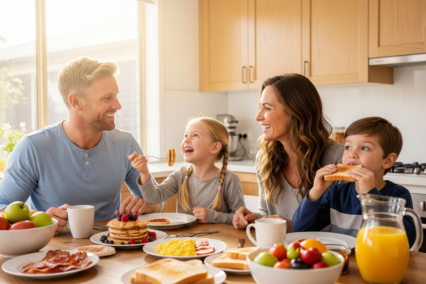
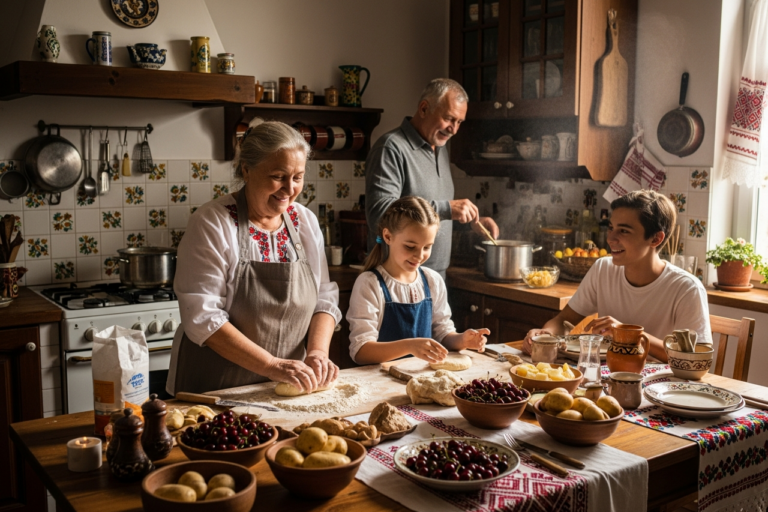
In Ukraine, eating together means a lot to families. They sit down for meals, and the evening meal is often the most special time. This is when people come together, talk, share what happened in their day, and grow closer. For families in Ukraine, this is not just a habit but a tradition that goes way back. You will see more than one generation at the table.
Each family likes to add its own recipe to classic foods. Some have their own way of making borscht, and others know just how to make the best varenyky. These food details pass from parents to kids. They make sure old ways and tastes stay alive. Many folks in Ukraine feel good about these family recipes because they link people to their past.
Big days like Christmas and Easter make eating together even more important. On Christmas Eve, people come together for Sviaty Vechir and eat 12 meatless dishes. For Easter, they share foods from a basket that got blessed. These moments show how families in Ukraine use food to celebrate and keep close.
Urban vs. Rural Practices
Mealtime habits are not the same in every part of Ukraine. In the countryside, especially in western Ukraine, people often follow old meal schedules. The main meal is in the afternoon. This works well with their farming schedules. Folks in these areas usually eat what they grow. Potato, cabbage, and other staple vegetables are a big part of the food there.
Things are not the same in cities. Life in the city has changed how and when people eat. Meal times are based on work or school hours. People in cities often have a light and quick lunch because they get less time to eat during the day. The main meal is often at night, after work or school is over. This is because things move faster in the city and there is not always time to make or enjoy a big lunch.
But some things stay the same all over. No matter where you are, people love the core parts of Ukrainian cuisine. Many still use fresh cabbage leaves to make holubtsi. Hearty soups and cabbage are also favourites. These changes are just a part of life now, as more folks start to have their family time over the main meal in the evening instead of in the middle of the day.
Breakfast in Ukraine (Snidanok)
Breakfast in Ukraine is called “snidanok.” People in Ukraine like to have a light breakfast to start the day. They do not eat a heavy meal like the big breakfast you might have in Canada. The food is often simple, good for you, and fast to make.
There is often dairy in the morning meal. People like cottage cheese, and they sometimes mix it with sour cream to make it richer. Many will grab some bread with butter, some pastries, and a hot drink like coffee or tea. This is what most people in Ukraine like for their light breakfast. Next, we will talk about more foods you might find on the menu and when people have them.
Typical Breakfast Hours
Breakfast timing in Ukraine can be influenced by lifestyle and location. Generally, the day starts with a meal between 7:00 AM and 9:00 AM. This window allows people to eat before heading off to work or school.
In rural areas, breakfast might be eaten earlier, in tune with the demands of farm life. Urban residents, on the other hand, might have a quicker breakfast or grab something on the go due to longer commutes and different work schedules. The pace of the morning often dictates how and when this first meal is enjoyed.
Here’s a general guide to typical breakfast times:
|
Setting |
Typical Breakfast Time |
Notes |
|---|---|---|
|
Urban |
7:30 AM – 9:00 AM |
Often a quick meal before work or school. |
|
Rural |
7:00 AM – 8:30 AM |
May align with earlier start times for agricultural work. |
|
Weekend |
9:00 AM – 10:00 AM |
More relaxed and often a bit later than on weekdays. |
Popular Ukrainian Breakfast Dishes
Some foods for breakfast may look the same, but there are ones you will only find in Ukraine. In Ukraine, dairy plays a big part. You can see cottage cheese in many dishes. Sometimes people eat it with fruit or jam. Sometimes, it is fried and made into pancakes that taste great.
Many people also like kasha in the morning. Kasha is a hot cereal made from grains like buckwheat, barley, or millet. They often add milk to it. If you want a meal that is not sweet, you may even eat leftovers from dinner, but that does not happen a lot.
Here are some breakfast foods that people enjoy and you could see:
-
Syrnyky: These are pancakes fried with cottage cheese. People put sour cream and jam on top.
-
Deruny: These are crispy potato pancakes. They are a bit like latkes.
-
Mlyntsi/Nalysnyky: These are thin pancakes. You can eat them plain, or they may be filled with cheese.
-
Kasha: This is a warm cereal made from grains like buckwheat or barley.
-
Bread with butter and cheese, or sometimes with sweet pastries.
Breakfast at Home vs. Eating Out
Most Ukrainians usually eat their breakfast at home. Families like to begin their day with food they make in their own kitchen. It is normal for them to have items like toast with butter and jam or a warm bowl of kasha.
Eating out for breakfast has not been as common in Ukraine as in Canada. But this is starting to change, much more so in big cities. These days, you will see cafes and bakeries that sell many kinds of pastries, coffee, and other light breakfast foods. There are also stalls where you can buy fresh bread, like dark rye, or sweet rolls, and they cost very little.
One snack I really like is called “sochniki.” It is a crumbly pastry, much like a scone, filled with cottage cheese and sugar crystals on top. This treat is great if you need something for the road. Although many people see a long, sit-down breakfast at a restaurant as more of a treat for weekends, lots of people, mostly in the city, pick up a fast pastry as just part of their morning routine.
Lunch Traditions (Obid): The Main Meal
In Ukraine, lunch—called “obid”—is the main meal of the day. People eat this meal in the middle of the afternoon. It is usually the biggest and most filling meal. There are often several courses. This is the time to stop and take a good break from work or other things.
The reason for this tradition comes from Ukraine’s farming history. A big meal helped people get through a long day of hard work. Now, even if life has changed for some, having a proper lunch is still very important in Ukraine. Let’s find out when people eat and what ukrainian dishes are common for the main meal.
Timing and Duration of Lunch
The traditional time for lunch in Ukraine is in the mid-afternoon, usually between 1:00 PM and 3:00 PM. This meal is meant to be enjoyed at a leisurely pace, not rushed. How long do Ukrainians usually spend eating lunch? When possible, people might take an hour or more to enjoy their multi-course meal.
However, the realities of modern work and school life have an impact. In urban areas, lunch breaks are often shorter, closer to the 30-60 minute standard seen in Canada. This has led to a shift where some may have a quicker lunch during the week and save the larger, more traditional obid for the weekends.
Here’s a look at how lunch timing can vary:
|
Context |
Typical Lunch Time |
Duration |
|---|---|---|
|
Traditional/Rural |
2:00 PM – 3:00 PM |
1 hour or more |
|
Urban Workday |
1:00 PM – 2:00 PM |
30 minutes to 1 hour |
|
School |
12:00 PM – 1:00 PM |
Typically a shorter break, around 30 minutes. |
Common Lunch Foods in Ukraine
A typical Ukrainian lunch has a few different courses. It almost always starts with soup. The best-known soup is borscht. This is a filling soup made from beets, and in Ukraine, every family has their own way to make it. People might also serve a vegetable soup or a heavy millet soup instead.
For the main part of the lunch, people often eat a meat or poultry dish. Since Ukraine is called the “breadbasket of Europe,” grains and vegetables are important in every meal. You will see plates with potatoes, buckwheat, or slices of fresh bread alongside the other food.
Here are some common foods that show up for lunch:
-
Borscht or another soup that fills you up.
-
Holubtsi, which are cabbage rolls filled with rice and meat.
-
Varenyky. These are dumplings with something savoury inside like potato or cheese.
-
Kotlety, which are small patties made of meat, or a baked piece of chicken.
-
Something on the side, like potatoes, kasha, or just bread.
-
Simple salads. In the summer you might get one made of cucumbers and tomatoes.
School and Work Lunch Breaks
As said before, meal times in Ukraine often fit around the work and school day. People in Ukraine may not have long lunches during the week. Many jobs and schools set a lunch break, and this shapes when and what people eat for lunch.
Kids have lunch in the school cafeteria. The food is simple, good for health, and often has popular Ukraine dishes. A school lunch could be soup, a main meal like zapekanka (this is a cheese casserole), or a small cutlet, and a drink. This gives kids a hot, filling meal to help them get through their school hours.
Adults at jobs have different choices. Some people bring a meal from home. Others eat at the cafeteria at work or pick a close restaurant that serves business lunch specials. These lunch specials in Ukraine are a good value and give a few courses for a fair price. They let workers have a taste of a traditional lunch, even on busy workdays.
Dinner in Ukraine (Vecherya): Evening Gatherings
Dinner in Ukraine, or “vecherya,” is usually not as heavy as lunch. People use this meal to be with family after the day is done. It is a time to sit with loved ones, talk, and eat together.
Today, a lot of families, mostly those in cities, consider dinner to be the main meal of the day because of busy schedules. Even so, this is still a special time to come together. Let’s talk about when people in Ukraine eat dinner and what you can find on the table.
Typical Dinner Times and Social Settings
Dinner is usually served in the early evening, generally between 6:00 PM and 8:00 PM. This timing allows family members to return home and gather before the evening winds down. The setting is typically informal and social, with conversation flowing as everyone shares their day.
In some families, a fascinating tradition exists: the “second dinner.” This isn’t a massive feast but rather a smaller, later snack or light meal, especially if the first dinner was eaten early. It highlights the Ukrainian value of ensuring no one goes to bed hungry. This is a family-specific tradition, not a universal custom.
Here’s a general guide to dinner times:
|
Meal |
Typical Dinner Time |
Notes |
|---|---|---|
|
First Dinner |
6:00 PM – 8:00 PM |
The main evening meal, shared with family. |
|
Second Dinner |
9:00 PM – 10:00 PM |
A lighter, optional meal or snack in some households. |
|
Social Dinner |
7:00 PM onwards |
When dining with guests, dinner may be later and more elaborate. |
What’s on the Table for a Ukrainian Dinner
A usual Ukrainian dinner is more simple and light than the big lunch called obid. Some people put leftovers from lunch on the table to make sure no food is thrown out. The main point is to have food that feels good and is easy to make.
You will see a lot of foods made from potatoes, cabbage, and grains. There could be a simple stew, some poultry, or sausages in the centre of the meal. At dinner, the food is often served all on one plate, even if some meals have different courses. Appetizers and desserts do show up, but for a regular dinner, you may not get them unless there are people over.
Here is what could be on the table for dinner:
-
Mushroom stew with mashed potatoes.
-
Varenyky (dumplings) with a scoop of sour cream.
-
Fried potatoes with onions and maybe some type of sausage or kovbasa.
-
A simple salad or pickled vegetables on the side.
Weekend Dinner Patterns
Yes, Ukrainian meal times do change on weekends. On these days, people in Ukraine take a break from their usual busy week. This means meal times and the way people eat are different too. Dinners with family members are often more relaxed, friendly, and special. These meals can be bigger and take more time than what they eat during the week.
On Saturdays and Sundays, many families have more time to cook and eat together. The main meal might be at dinner, and it can feel like a small event. Family members often help in the kitchen, and everyone sits down to enjoy food together. There is no rush because there is not the same pressure from work or school the next day.
Some people use this time to invite friends or other family over. The menu can be more special, with things like big roasts, new side dishes, or even a barbecue when the weather is nice. In some houses, people still follow the habit of cooking meatless dishes on some days. These customs can be part of weekend meals in Ukraine.
Many see the weekend as a great chance to be with family members, share a main meal together, and enjoy some of the best food, whether it’s meatless dishes or more complex recipes they do not usually have during the busy week.
Snacks, Appetizers, and Desserts
No talk about Ukrainian cuisine is complete without saying something about the tasty bites people have between meals or after eating. From salty appetizers to sweet desserts, these foods add more taste and tradition to the meal.
Ukrainians like to eat many different snacks, starters (called zakusky), and sweets. You can have these any time during the day or when you want to mark a special day. These treats are just as important as the main dishes in the cuisine. Let’s see what people in Ukraine like to eat.
Ukrainian Snack Habits Between Meals
Yes, Ukrainians do snack between meals. The three main meals be a big part of their day, but snacks are very normal too. What people eat as a snack in Ukraine often depends on what is fresh at that time of year and what they can get that is simple and natural.
During summer and fall, many Ukrainians like having fresh fruits as a snack. It is common to see bowls full of plums, pears, apples, or peaches on the table, ready for anyone who wants something to eat. Lots of these fruits come right from the garden at home and are a good, healthy choice.
Pastries are also a very popular snack in Ukraine. There are small stalls, called “productys,” just about everywhere. They sell many kinds of sweet and savoury pastries for little money. Taking a bite of a roll with jam inside or eating a small savoury pie is a good, fast way to stop feeling hungry until it is time to eat a full meal again.
Traditional Appetizers and Starters
Yes, in Ukraine, many meals start with a big selection of appetizers, called “zakusky.” You will often see these, especially at parties or during special times. The dishes are small, but they make the meal feel special. People love these starters because they give many tastes and most people like trying them.
There are often foods that people had to keep for a long time, because winters can be very cold and long in Ukraine. You will see things like pickled vegetables, cured meats, and tasty salads. My favourite can be the salads, as they often use mayonnaise. Mayonnaise is not only rich with calories, but it also helps keep all the ingredients together. Some get interested because mayonnaise goes with so many things.
Let me tell you about some well-known Ukrainian appetizers:
-
Salo: This is cured pork fat. It comes in thin slices, served on rye bread and sometimes with garlic.
-
Pickled Herring: People enjoy this with sliced onions. It is a top pick to start the meal.
-
Shuba Salad: This salad has layers of pickled herring, boiled vegetables, and is topped with mayonnaise.
-
Olivier Salad: You can think of this as a creamy potato salad. It comes with peas, carrots, and sometimes meat or sausage.
You can expect to see rye, mayonnaise, herring, peas, and shuba in many of these dishes.
Favourite Sweets and Desserts After Meals
Ukrainians sure enjoy sweet foods, and treats are an important part of their cuisine. While you may not always get a dessert after a simple dinner during the week, everyone expects something sweet during a special meal or on holidays. Many desserts use fruit, honey, and poppy seeds.
Fruits like cherries, plums, and apples are everywhere in baked treats. People use these fruits fresh, or sometimes as a jam. Honey is a common way to make dishes sweet. You will taste it in cakes, such as the well-known Medovik, which is a soft honey cake made up of thin layers.
Here are some favourite sweets you might find:
-
Kutia: This is a sweet mix made from wheat berries, poppy seeds, nuts, and honey. People usually have it at Christmas.
-
Makiwnyk: This dessert is a roll or cake filled with poppy seeds, and often has raisins.
-
Kolach: This is a bread that people braid. You can get it sweet, and it’s often eaten on holidays.
-
Zapekanka: This is like a baked cheesecake. It’s made from cottage cheese.
Modern Influences and Changing Habits
Ukrainian food culture holds on to the old ways, but it is not stuck in the past. Life keeps changing, and so do the habits of people who live in Ukraine. With more people moving to cities, and with the world being so open, the way Ukrainians eat is also changing. In the busy city of Kiev, there is now a lively food world. You see the mix of old food and new trends that people enjoy.
The way people spend their days, being able to try food from other places, and the new daily routine all make an impact. The way ukrainians choose their meals and the times they eat looks different now than before. Let’s take a look at how these things shape what and when Ukrainians eat today.
Impact of Work, School, and Urbanization
The set schedules people follow today shape when they eat. Most people now have busy work and school days. Because of this, a mid-day lunch is quick, and the main meal often happens at night with the family.
More people now live in big cities. This means many have long drives to work and not much time for cooking at home. Life moves fast, so there is more need for easy options. You find this in places like quick-service spots and easy-to-prepare food in stores. The common 9-to-5 job has changed the old farm-style meal times.
All this shows that the main meal for many now is not in the afternoon but at night. Family dinner used to be a smaller meal, but now it is the main meal and when most people come together. This change keeps the special feeling of eating together but fits today’s busy times.
Dining Out vs. Home-Cooked Meals
In the past, eating at a restaurant in Ukraine was seen as something special. Most people would only go to one for big moments or events. The people in Ukraine really like to eat food made at home. They feel home-cooked meals are not just good for health, but they also help save money. Making food at home shows care and love for family. Many Ukrainians will tell you that the best food comes out of the kitchen at home.
Today, more people in Ukraine eat out, especially young folks and those living in cities. There are now many places to choose from. People can visit classic Ukrainian spots or try food from other places, like Italian, Georgian, or even sushi, which a lot of people seem to enjoy now.
Most of the time, though, people in Ukraine still eat food made at home. Going out to eat is more for a change or to spend time with others. For many, it still feels like a treat instead of something they do every day. Wanting to eat meals made by you or your loved ones is a big part of what makes food culture special for Ukrainians.
Conclusion
To sum up, learning about meal times in Ukraine gives you a great look into the country’s rich culture. People often come together for breakfast, and dinners are a calm time with lots of tradition. Every meal shows a mix of old and new ways in Ukraine. If you try classic foods or some new dining trends, you get to see the way people live and eat here. Enjoy these customs—they make your time in Ukraine even better. So, go ahead and enjoy all the good food that waits for you; it will be an experience to remember. If you want to know more or need help, just ask!
Frequently Asked Questions
Are meal times different on weekends in Ukraine?
Meal times in Ukraine are usually more relaxed on the weekend. There is more free time, so family members may have a later breakfast. They might also have a bigger lunch or dinner together. On weekends, people like to cook ukrainian food that can be a bit more fancy. This is also a good time to have guests over.
Do Ukrainian families eat meals together?
Yes, in Ukrainian cuisine, eating together means a lot. Family members try hard to eat with each other, mostly at the main meal in the evening. This time is special. It helps people share, talk, and grow close as a family. They often sit together over a home-cooked main meal. This part of the cuisine brings everyone together.
Is lunch or dinner the main meal of the day in Ukraine?
In Ukraine, people have always seen lunch (obid) as the main meal. It used to have a few different courses. But now, life has changed because of work. Many families now eat their main meal at dinner. This is when everyone can be there. People in Ukraine have changed their old ways to fit how things are now.