Key Highlights
-
In Papua New Guinea, lunch is usually the largest meal of the day. People can take hours to enjoy it.
-
The staples of the Papua New Guinean diet are root vegetables. You will often find taro, yams, and sweet potatoes with sago and coconuts in many meals.
-
Meal times in New Guinea are not always the same in every place. People in cities keep a set time, but in other parts, it might change.
-
Many people still cook the old way in Papua, using the “mumu” earth oven. It is used a lot for special occasions and is a big part of their local cuisine.
-
You can find authentic Papua New Guinea cuisine at outdoor markets. Sometimes, the best way is to get invited for a home-cooked meal.
Introduction
If you are going from Canada to the islands of Papua New Guinea, you are about to have a special trip. You will get to see many places, and the food will be a big part of the fun. The food in Papua New Guinea is full of life and has a lot of local history in it. People there make food with many fresh foods and move through different recipes and ways to cook. Knowing when to eat and what meals are like can make your trip better. This guide will help you learn the common meal times and food habits in Papua New Guinea. You will start to see the local culture in a new way and enjoy the tastes of papua new, new guinea, and papua cuisine.
Typical Meal Times in Papua New Guinea
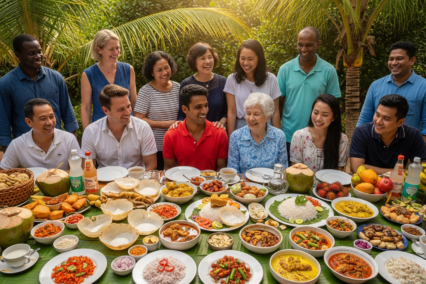
In Papua New Guinea (PNG), meal times can be pretty different from what you find in North America. In papua new guinea, lunch is the big meal for most new guineans. It is not just a quick bite but a big feast. It often goes on for hours, with family or friends sitting together.
Because lunch is so large, dinner in papua is a smaller and easy meal. Many people in png just have what is left over from lunch for their evening meal. Below, we will talk more about the daily eating times in new guinea and how these meal habits can change in different parts of the country.
Breakfast, Lunch, and Dinner Schedules
The daily meal schedule in PNG is unique, with a strong focus on the midday meal. Breakfast is often light, preparing for the day ahead, while dinner is a simple affair to close the evening.
Lunch, however, is where the culture’s love for food truly shines. It’s often the largest and most social meal, bringing people together. In New Guinea, this midday feast can consist of many different dishes shared among family and friends.
Here’s a general idea of the meal schedule in PNG:
|
Meal |
Typical Time |
Description |
|---|---|---|
|
Breakfast |
Early Morning |
A light meal to start the day. |
|
Lunch |
Midday |
The largest and most important meal, often a lengthy, social event. |
|
Dinner |
Evening |
Usually a smaller, simpler meal, often consisting of lunch leftovers. |
Urban vs Rural Meal Timing
Meal schedules in New Guinea change a lot depending on where you live. In cities like Port Moresby, life is often organized, a lot like Western work and school days. This setup affects when people sit down to eat.
In PNG’s rural areas, meal times are more relaxed. The timing often follows farming work, daylight, and when fresh food is around. People in rural parts don’t really go by the clock but focus on sharing food with others and finishing daily jobs.
So, the people living in Port Moresby may eat lunch at a certain time. Families in rural new guinea just come together and eat when their work is done for the day. That difference shows how the way of living can change a lot across PNG.
Traditional Foods and Their Role in Daily Meals
The local diet in Papua New Guinea depends a lot on what grows well in the warm, wet weather there. The main foods that people eat every day are mostly vegetables. These staple foods are very important to the people living there, not just for food, but for how they connect with each other and their culture.
People in Papua New Guinea base what they eat on the fresh food they can find in the garden or buy in the market. What you get for lunch or dinner can change based on what is around. Their meals show how much they use what they can grow. Let’s take a look at some of the main ingredients and special dishes that you will find when you visit Papua New Guinea.
Staple Ingredients and Common Dishes
The main part of Papuan New Guinean cuisine is the staple ingredients. These foods come from the land. People have used them for many years. Since the islands were cut off from the rest of the world, the food is shaped by what people get from both land and sea.
These ingredients are used in many different dishes. Most food is vegetarian. Still, you can get meat and seafood, mainly near the coast. Fresh fish from the ocean is common. People also enjoy roasted pork when they have something to celebrate.
Key staple ingredients include:
-
Root Vegetables: Yams, which are called “kau kau”, sweet potatoes, and taro root are important.
-
Starchy Foods: Sago, which comes from the pith of a palm tree, and rice are used for carbs.
-
Fruits: Coconuts and breadfruit, a fruit also called “ulu”, are widely used in cooking.
Special Foods for Specific Times
People in New Guinea eat easy, everyday foods most days. But there are some foods that are saved for special occasions or a certain time of day. For example, if you go to a cafe in a city, breakfast can look like things you know but with something local added.
When there is a big gathering or a party, people look forward to the “mumu.” The mumu is more than just food. It is a way of cooking the meal in the ground. Food is put in palm leaves and then covered with hot stones in a pit. This way, it cooks for a long time and tastes great.
You can find different foods at different times, like these:
-
Breakfast: In the cities, you can go to cafes like Banz Kofi and Duffy Cafe for things like pastries, pancakes, and really good Papuan coffee.
-
Celebrations: At big events, roasted pork is a special dish.
-
Traditional Feasts: The mumu way is used to cook lots of different meats and vegetables together. This is for when everyone comes together to enjoy local cuisine.
This is what food can look like in New Guinea for special occasions and everyday life.
Dining Customs and Cultural Practices
Exploring the dining customs of papua new guinean cuisine can be just as fun as trying the food. Meals in papua new guinea are often laid-back and focused on the group. When you eat with locals, you’ll see that table manners are easygoing, and people don’t worry much about being on time.
There are different ways to eat in papua new guinea, like big family meals or eating at home compared to a restaurant. It’s good to know some of these customs. If you understand them, you can feel at ease and show that you respect the local style, especially on special occasions.
Family Meals and Social Gatherings
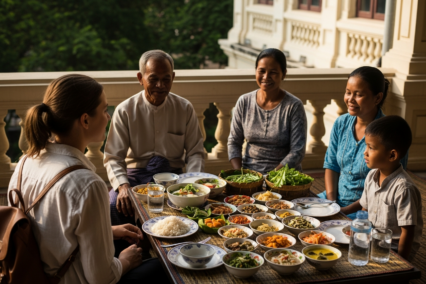
Family meals and social gatherings are a big part of life in Papua New Guinea. People in papua new like to eat together. It helps them keep strong ties with family and friends. You will see this in both the highlands and the coastal areas.
These meals are often easy-going. People will sometimes get there 10 or 15 minutes late. That is normal. The way they handle time for food is very relaxed. It’s part of the dining style in new guinea.
Here are some tips to think about when you have a meal with people:
-
People often use their hands to eat food, unless it is at a formal restaurant.
-
It is not usual to tip, and at times, it is even not wanted.
-
If you get asked to a home-cooked meal, it is a great chance to feel real warmth and kindness.
This way to eat and be together says a lot about papua, and also the new way of life in Papua New Guinea.
Restaurant Dining vs Home Cooking
In Papua New Guinea, most people cook meals at home with family. They use fresh and local food. Eating at a restaurant is not common. It is mostly for people in cities or for special times.
In Port Moresby, the main city, there are more and more restaurants now. Many are found in hotels. They serve locals, people from other countries, and visitors. You can find fine dining or just a simple cafe.
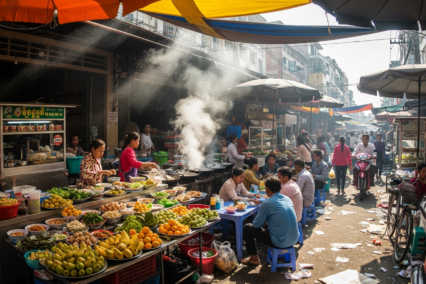
But if you want to eat real local food of Papua New Guinea, it is not easy to find in regular restaurants. It is better to go to local markets. There, some food stalls have traditional dishes. Or you can make friends with someone from Papua New Guinea, who may be happy to share a meal cooked at home.
Influences on Modern Meal Schedules
The way people eat in Papua New Guinea now is a mix of old ways and new ideas. The main part of local cuisine is still strong, but things have changed with time. Meals and food choices have been shaped by things like the arrival of European settlers and new trends.
You can also see international food in the cities. When old food mixes with new options, you get a unique food culture. Let’s look at how these new trends, along with this mix of cuisines, are changing the way people eat all over Papua New Guinea.
Contemporary Trends in Papuan Eating Habits
Eating habits in Papua New Guinea are starting to change, mostly in cities like Port Moresby and Lae. Because many people now work from nine to five, they have meals like those found in Western countries. Lunch is often quick, and dinner is bigger.
In the city, there are more cafes and fast food places. This lets people have more choices. It also affects when and what they eat during the day.
Out in rural areas, people still follow old ways for meal times. The way they eat is often set by traditional patterns.
Even with these new changes and schedules, sharing food and eating together is still a big part of life in papua new guinea. The social side of meals stays strong in new guinea. Community and food remain important, no matter where people live or how much their routines change.
Impact of Local and International Cuisine
The food you find in PNG is a mix of local cuisine and food from other countries. In the past, Europeans and other people who came to live here brought new things to eat and new ways of cooking. You still see this in cities like Port Moresby.
In Port Moresby, you will come across many restaurants. These places serve a wide range of Western and Asian dishes. Most of them are inside the city’s hotels. Because there are so many kinds of international cuisine, it can be hard to find only local cuisine from PNG in restaurants.
Even though most people in PNG still eat food from their own land and style, many places mix international flavours with the local dishes. It helps people who live in PNG, and those who visit, enjoy many tastes. You might find a classic mumu meal, or you might go out for a fancy dinner in a nice spot.
Conclusion
In Papua New Guinea, meal times show how daily life is shaped by old and new ways. People have set times for breakfast, lunch, and dinner. Each meal brings people together and honours their culture. Traditional foods change from one place to another, and every meal is part of why the community feels close. The way they eat, either at home or out, shows that family and friends mean a lot to everyone in Papua New Guinea. As time goes on, new habits mix with old ones, but their way of eating keeps that special Papuan touch. If you want to know more about papua new, papua new guinea, or new guinea food, or you plan to go there, you can find many local sources to enjoy what this culture has to offer.
Frequently Asked Questions
Are meal times fixed or flexible in Papua New Guinea?
Meal times in Papua New Guinea are usually flexible. The way people eat in rural places often depends on what they do that day, not the time. In cities, the schedule can be more set. Most New Guineans take things slow, so meal times can change. This makes flexibility in local cuisine a big part of life in PNG.
What is unique about meal routines in Papua New Guinea?
In Papua New Guinea, lunch is often the largest meal of the day. People in PNG lean a lot on staples of the Papua New Guinean diet like yams and taro. In the highlands and other places, many people cook meals together using the mumu. This makes having food a social thing. The local diet brings people in Papua New Guinea closer during every meal.
Do urban and rural families eat at different times?
Yes, there is often a difference in how people eat their meals. Families that live in a city like Port Moresby may have set meal times because of work and school. In rural papua new guinea, meal times are less fixed. People in these areas eat based on when farm work and village tasks are done, not a set clock. This is a common thing in papua and new guinea.