Key Highlights
-
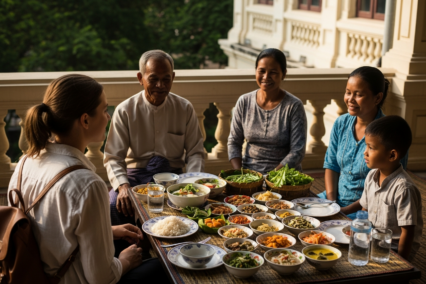
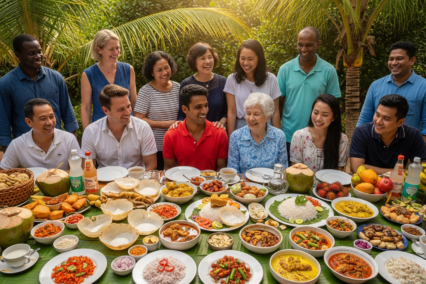
Meal times in Fiji are easier-going than in Canada. They often centre around fresh, local food. It is about spending time together and enjoying the meal.
-
Find out about tasty Fijian cuisine. Try traditional lovo feasts and buffet meals at modern resorts.
-
Resorts in the Yasawa Islands usually have set times for meals. You will have breakfast, lunch, dinner, plus a busy happy hour.
-
The lovo is a Fijian buffet, where the food is cooked underground. It happens for weekly events or big gatherings.
-
Take your time; dining in Fiji is more about the dining experience than just eating.
-
Learn about compulsory meal plans at island resorts. These meal plans make sure all guests get a buffet or cuisine at the same time for a smooth dining experience.
Introduction
Welcome to the best guide for any Canadian who wants to learn about meal times and food customs in Fiji. If you will go to the beautiful Yasawa Islands, you will have a good time. This blog will help you know everything about the local dining experience. The guide covers the laid-back feel of Fijian cuisine and the set meal times at resorts. You will get to enjoy meals in a whole new way. Let’s find out what makes eating in Fiji a special experience.
Understanding Meal Times in Fiji
In Fiji, meal times happen when people feel ready to eat. People here care more about spending time as a group and living in the moment. This style, known as “Fiji time,” lets everyone gather around food when they are hungry or want some good company. There’s no rush or fixed schedule.
If you visit places like the Yasawa Islands, you see both the relaxed Fiji way and options that stick to set times. Resorts give meal plans with buffet dinners at certain hours. These plans work for travellers who want structure, but still show the heart of Fijian cuisine. Resorts are the perfect places for people with allergies or vegan diets, so you can eat without worry. Before dinner, there’s a happy hour that gives everyone a good time to connect and chat.
Typical Schedules for Breakfast, Lunch, and Dinner
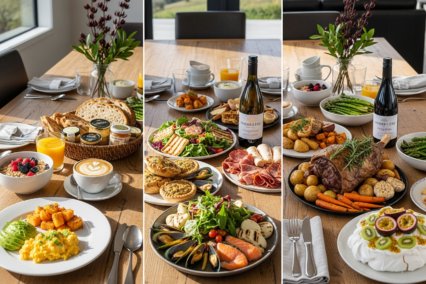
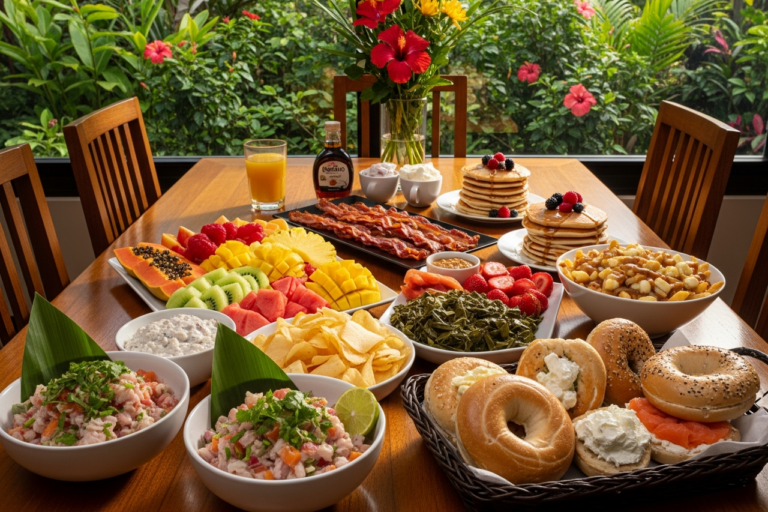
While “Fiji time” is a real concept, resorts in the Yasawa Islands generally follow a schedule to accommodate guests, including many from Australia and beyond. Breakfast often starts early, allowing you to fuel up before a day of activities. You’ll find a continental buffet with an abundance of fresh fruit like papaya, mango, and pineapple, alongside options like pancakes.
Lunch is typically a midday affair, offering lighter fare such as salads, burgers, and fresh seafood. Dinner is served in the evening, providing a perfect opportunity to unwind. Many resorts offer buffet dinners or multi-course meals, showcasing root crops like cassava and local lobster. These meal plans are convenient and often cater to dietary needs, including vegan options and allergies.
For a clearer picture, here’s how a typical resort meal schedule compares to a more traditional village timeline:
|
Meal |
Resort Typical Time |
Village Typical Time |
|---|---|---|
|
Breakfast |
6:30 AM – 10:00 AM |
Early morning |
|
Lunch |
12:00 PM – 2:30 PM |
Midday |
|
Dinner |
6:30 PM – 8:30 PM |
Early evening |
How Fijian Meal Times Differ from Canadian Norms
If you come from Canada and are used to eating on time, you will notice the dining experience in Fiji is not rushed. In Fiji, people take their time with meals. They use meal time to be with others and relax. Service may be slower, but that is normal there. It is the island way to take it easy.
Visitors from places like Australia have changed some resorts in Fiji. Many of these resorts have more set schedules because of tourism. You will see inclusive packages, and they often have a buffet for breakfast. Lunch and dinner times are set, but there is still some room to be flexible. Resorts with popular eating spots keep meals at certain times. This helps you plan your day.
The biggest difference is how people think about food. Canadians often eat while doing other things or in a hurry. Fijians like to sit down and enjoy their food. Evenings start with happy hour and lead to slow dinners. It makes Fiji a good, perfect place to slow down, enjoy your meals, and spend time with others.
Traditional Fijian Meals and Their Timings
Traditional Fijian cuisine comes from both the land and the sea. People use what is fresh and in season for every meal. Dishes are made from things that are picked or caught that day. Freshness is a big part of every meal in this cuisine. The lovo, which is a meal cooked in an oven underground, is not made every day. People make it for big events and when the community gets together.
The time people eat traditional Fijian meals depends on food getting ready and local ways, not the clock. Root crops like cassava, fresh fruit, and seafood are often found in meals all day. If you try resort buffets, you can get a taste of the different Fijian cuisine flavours. But to have a real traditional meal, you must be part of this old way of life. A family dinner or a large lovo for a party is more about sharing and being with others. The goal is to come together and enjoy good food like root crops, fresh fruit, and seafood.
Signature Dishes Served at Specific Times
In Fiji, some foods are closely linked to certain times and events. The most well-known is the lovo, which is a big feast cooked for special parties at resorts or during community gatherings. This is not your usual weekday meal. It is a real experience, as food is slow-cooked underground in the hot earth for many hours.
You might find a taste of local cuisine each night in buffet dinners at your resort. But the full lovo is usually done just once a week. At a lovo, you get meats like chicken, pork, or lamb, seafood such as lobster, and root crops like cassava. All of these foods get a deep smoky taste from the hot rocks. People use coconut, pineapple, and more local foods in most meals—from breakfast pancakes to sweet treats at night.
Here are some dishes and when you can enjoy them:
-
Lovo: This is a buffet with slow-cooked meats, seafood, and root crops. It is often served during a special event in the evening.
-
Freshly Caught Fish: You will often have this for lunch or dinner, and the fish may be grilled or fried.
-
Continental Breakfast: There is a buffet in the morning with tropical fruits, toast, pancakes, and cereals.
-
Kava: This is not a food, but a local drink. It is often shared at events and ceremonies before dinner.
Unique Food Rituals and Customs Around Eating
Dining in Fiji is about much more than what’s on your plate. It is a time where people come together, and the meal becomes a big part of life. The dining experience here is shaped by “Fiji time.” Meals often take longer to come out than you might be used to. This does not mean bad service. It means people in Fiji believe in taking good care while cooking and want everyone to enjoy a calm setting.
Eating together is important in Fiji. Sharing food is how people show they care and grow closer as a group. You often see this while having buffet dinners or at resort events like the lovo feast. Sometimes, before you eat dinner, there may be a kava ceremony. This is a gathering where people drink kava, a special drink made from a root. Resorts have also started to offer happy hour, giving everyone a chance to get together before dinner in a more modern way.
Key customs to enjoy include:
-
Embracing “Fiji Time”: Take it easy and learn to love a slow, relaxed dining experience.
-
Communal Gatherings: Be part of group meals like lovo or buffet dinners. It is a good way to get to know other people.
-
Kava Ceremonies: If you get invited, join a kava circle. This lets you be part of an important Fiji tradition.
Conclusion
In short, knowing about meal times in Fiji gives you a good look at a special culture that is not like what we have in Canada. In Fiji, people take their time with breakfast, and the food they eat at each meal comes with its own meaning and story. Many of these dishes are eaten with family and friends, and there is a lot of joy in sharing. Trying out these ways of eating will not just make your trip more fun, but it will also help you see and feel the real warmth and care found in Fijian hospitality. If you are getting ready to enjoy Fijian cuisine during your trip to this island, remember to follow the local habits and times that are part of their dining ways. And, if you want to know more about Fijian cuisine or want some travel tips for Fiji, you can always reach out!
Frequently Asked Questions
Do resorts and restaurants in Fiji follow local meal times or have their own schedules?
Resorts in Fiji mix local ways with what guests need. You can enjoy the easy “Fiji time” feel, but know that you will have set meal hours. Breakfast, lunch, and dinner each have their own time. You will see clear hours for the buffet and à la carte dining experience. This helps you plan your day well.
Why might meals in Fiji be served later than expected?
Meals may be served later in Fiji because of “Fiji time.” This is a local idea that means people like to relax and not rush. Fijian cuisine is all about taking care to make food with fresh items such as seafood and root crops. People in Fiji want good food and a calm place, so things just take a bit more time.
What should tourists from Canada know about dining out and meal timing in Fiji?
Canadians can enjoy how the people in Fiji like to take their time at meals. Resorts often have buffet dinners, but it’s a good idea to slow down and not hurry when you eat. If you have allergies or need vegan food, let your resort know when you book. They are usually happy to help with this.