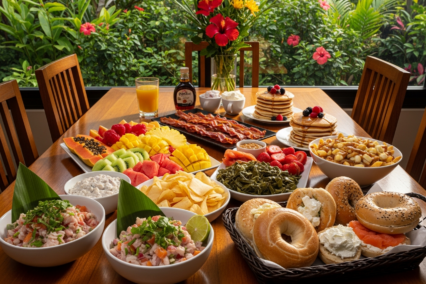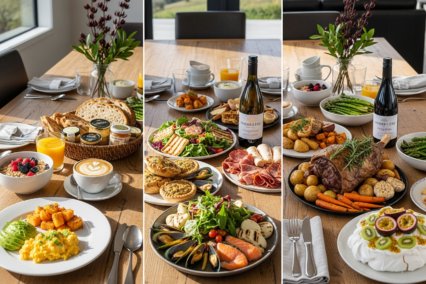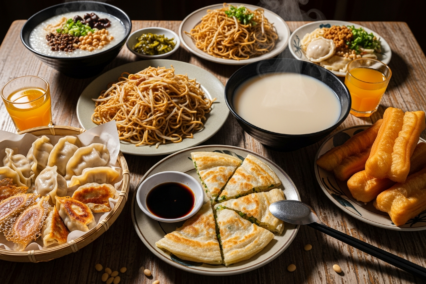
Key Highlights
-
Afghan meal times are a big part of afghan culture. These meals show how welcoming and warm afghan people can be, with dinner usually taking place later than it does in Canada.
-
Breakfast is simple. People often have fresh bread and green tea. This helps the day get started.
-
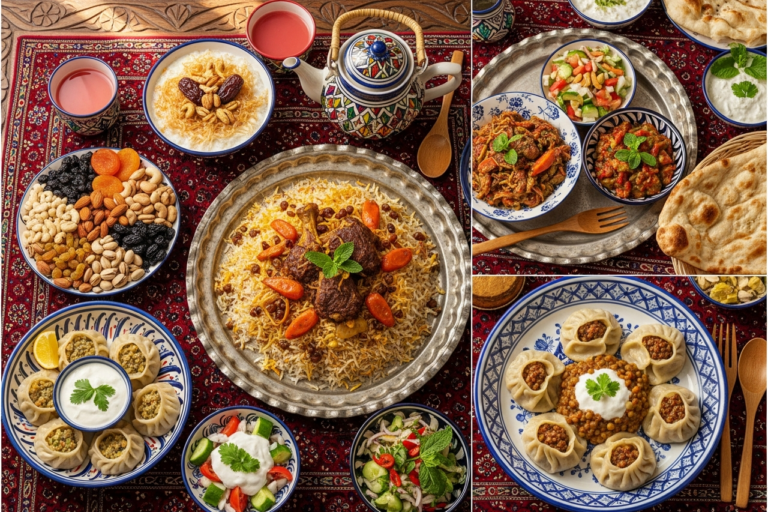
Lunch is the biggest meal of the day. Afghan families gather around dishes like kabuli palaw, which is the national dish and an example of classic afghan food.
-
Afghan food has rich and great flavours. It’s not too spicy, but really tasty.
-
Being a good host is important in afghan meal times. Guests are made to feel welcome and at home.
-
Dinner is an important event, too. Families use this time to come together and often to socialize.
Introduction
Have you ever thought about how people in Afghanistan eat their food and what their dining customs are like? Afghan food uses a mix of spices and tastes. It is shaped by a long history and many cultures coming together. The dishes in Afghan cuisine are flavourful, but they do not have to be too spicy.
The way people eat in Afghanistan is important. It is not just about the food, but also about the times when meals are served. Looking closer at their daily routines shows us more about Afghan cuisine and the meals that bring everyone together.
When people think about Afghan food, they see families gathering and sharing dishes full of spices. Learning about these customs helps you understand how meals connect people all over Afghanistan.
Understanding Afghan Meal Times and Routines
Exploring afghan meal times shows how life in afghan culture moves with a different rhythm. The way people eat in Afghanistan is not the same as the common “three square meals a day” done in many Western places. It is more about being together and sharing food with family. Meals are not only for having enough to eat, but are a good time for everyone to meet and talk.
The speed of eating in Afghanistan is usually slower and feels less rushed. For example, people often have dinner much later in the evening than people in Canada. This shows how afghan culture cares a lot about being helpful, kind, and making time for family while they enjoy tasty afghan food. Now, let’s look more at these meal times and see how they stand out.
Typical Meal Schedules in Afghanistan
The daily eating schedule in Afghanistan revolves around three main meals, but the timing might surprise you. Breakfast is an early and light start, while lunch is considered the most substantial meal of the day. Dinner is a late affair, often enjoyed with extended family and friends.
Rice dishes are a staple, often appearing at both lunch and dinner. A typical meal might include a main like Kabuli Palaw or a type of kabob, served with bread and a side of yoghurt to balance the rich flavours. Green tea is a constant companion, enjoyed throughout the day.
Here is a general guide to meal times:
|
Meal |
Typical Time |
Common Foods |
|---|---|---|
|
Breakfast |
Early Morning |
Bread, green tea |
|
Lunch |
Early Afternoon |
Kabuli Palaw, rice dishes, lamb |
|
Dinner |
Late Evening |
Kebabs, stews, dumplings, yoghurt sauce |
Differences Between Afghan and Canadian Meal Times
When you look at afghan meal times and compare them to Canada, the biggest difference is when people have their evening meal. In Canada, most folks eat dinner between 5 PM and 7 PM. But in Afghanistan, dinner is served much later. It’s common for afghans to eat dinner after 8 PM or even 9 PM. This late dinner gives everyone more time to visit and spend time together.
Another difference is with the main meal of the day. In Canada, many people grab lunch quickly and have a bigger dinner. In Afghanistan, lunch is the main meal. Afghans get together for lunch, and this is when there are big, hearty dishes. The family shares afghan food at lunch, and it brings everyone together.
These changes show how afghan culture shapes daily life. For afghans, eating is not just about the clock. It’s about being with others, showing hospitality, and taking things slowly. Having afghan food is a way to spend time with family and friends rather than sticking to a strict schedule.
Afghan Breakfast Traditions
The morning meal in an Afghan home is often light and easy. People in these homes do not eat a heavy Western breakfast. The goal is to start the day in a gentle way. It is calm and helps everyone get ready for the hours ahead. Afghan cuisine at breakfast is about fresh foods and keeping things simple.
This early meal helps set a peaceful mood for everyone. It’s when the family comes together before taking on the day. They eat simple food like bread and tea while talking. Now, we can look at what foods people eat at this time and why these foods matter in Afghan culture.
Common Foods Eaten in the Morning
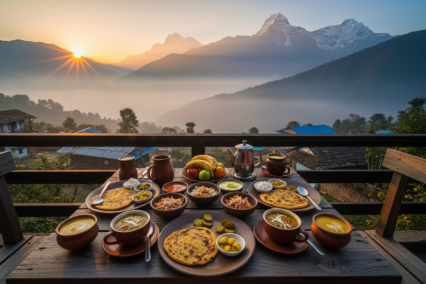
The Afghan breakfast table has simple foods that make you feel full and happy. The main thing here is naan, which is fresh bread made in the morning. People often eat it with other things that are easy to fix and share with all.
You don’t find big hot dishes in Afghan breakfasts. Instead, the meal has lighter foods. Dumplings, like mantu, are important in afghan food, but most people keep these for later, much after the sun comes up. Breakfast is about feeling fresh and ready for the day.
Some things you see often at breakfast are:
-
Naan, which is soft bread just taken from the oven
-
Chai, or green tea, and it is sweet most of the time
-
Yoghurt or other dairy choices
-
At times, fruits or raisins can be seen, and these add a sweet taste
Afghan food makes mornings a good time to come together and enjoy chai and simple foods, sometimes with raisins or yoghurt.
Cultural Significance of Breakfast
In afghan culture, breakfast is important. It’s often the first time everyone gets together in the day. People sit on the floor with a tablecloth, called a dastarkhan, spread out to hold the food. This way of eating helps family members feel close and equal.
Serving chai is something special. Green tea, sometimes mixed with cardamom, is poured for everyone. It’s a sign of being friendly and warm. Chai is not just a drink, it is a big part of afghan culture. It shows welcome to family and guests, making everyone feel at home.
This morning habit helps bring families closer and starts the day on a good note. It shows the values of open sharing and community in afghan culture, even before the bigger afghan food of lunch and dinner is ready.
Lunch in Afghan Households
Lunch is the main meal in an Afghan home. Families meet and enjoy many rich dishes from the heart of Afghan cuisine. This is the meal where people stop their day, spend time with each other, and eat good food. There will be foods like rice dishes and lamb that fill you up.
The lunch table in Afghanistan shows the bright side of Afghan food and friendly ways. Here, you will find some top dishes. You will also learn about the customs that make lunchtime in an Afghan home so nice.
Favourite Dishes Served at Lunch
Kabuli Palaw sits at the centre of most Afghan lunch tables. It is the national dish of Afghanistan. The tasty rice meals show the rich history of Afghan food. This dish has tender lamb cooked slow with spices. It comes with soft rice on top. Sweet carrots and raisins add a nice blend of taste.
You will see many other afghan dishes at lunch. Rice dishes are always part of the meal. They often pair with hot stews, legumes, and fresh salads. These sides help balance out strong flavours.
Popular lunch dishes often include:
-
Kabuli Palaw: You get lamb and rice with carrots and raisins for the national dish of Afghanistan.
-
Various Pulaos: Try different rice dishes, including spinach pulao.
-
Ghorma: This is a stew made with meat and vegetables.
-
Naan: The meal is not complete without fresh bread. It’s used to scoop up sauces or stew.
Afghan dishes like these use rice, lamb, legumes, and raisins to make lunch time something special.
Social Customs Surrounding Lunchtime
Lunchtime in an Afghan home is about coming together and showing care. In afghan culture, it is usual to have extended family, neighbours, or someone unexpected join in. There is always space for one more person at the table. People in the home feel proud when they serve their guests with plenty of food.
When a guest is there, the host shows great respect for them. The guest often gets served first and is asked to eat as much as they want. This way of showing hospitality is a big part of afghan culture. Offering yoghurt or kabob is a simple gesture, but it feels very warm and welcoming.
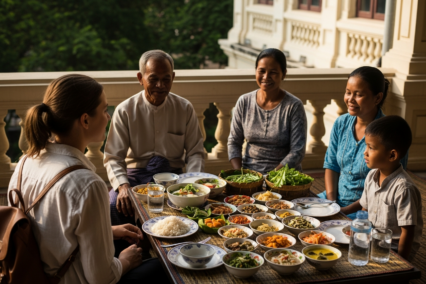
Everyone shares food from big platters in the centre. This style of eating helps people feel close and gives them a chance to talk together. Lunchtime becomes more than just a meal. It is a special moment in the day in an afghan home.
Afghan Dinner Habits and Evening Meals
As the sun goes down, Afghan families get ready for dinner. This is a time for people to sit together and talk. Even though lunch is usually the biggest meal, dinner is not small. Afghan dishes come with lots of spices and flavour. Dinner gives families a chance to be together and share time after a long day.
Afghan cuisine makes dinner a late event. It often turns into a time to be social, especially when there are guests. Many dinner options are popular in Afghan cuisine. These meals show how people in Afghanistan use hospitality in their everyday life.
Popular Dinner Options
The Afghan dinner table brings together a mix of tasty dishes that make people feel at home and ready to celebrate. Even though some families choose a light meal if they ate a big lunch, most times, dinner is a big part of the day. Rice dishes show up again, but you will also see many other well-loved foods.
A top dinner choice is kabob. This is meat on skewers, with pieces usually made from lamb. The meat is seasoned and grilled until it is just right. Another well-liked meal is mantu. These are soft dumplings filled with spiced meat and onions with a fresh yogurt sauce on top. Both meals offer a lot of flavour and always feel right to share with people.
Other common dinner dishes are:
-
Mantu: Steamed dumplings with a meat filling and topped with yogurt.
-
Kabob: Lamb or other meat, grilled on a stick.
-
Korma: Different thick stews served with either rice or bread.
-
Borani Kadoo: Tasty pumpkin with a garlic and yogurt sauce.
These classic Afghan dishes use things like rice dishes, lamb, dumplings, and yogurt to give you comfort and joy at dinner time.
Hospitality and Gatherings During Dinner
Dinner is a special time for welcoming people in afghan culture. If you get an invite to an afghan home for dinner, it shows real friendship and respect. The host wants you to feel at home and makes sure you have good food. They will make a big meal with their best dishes.
When you get there, people greet you with a smile and give you green tea. Dinner is a time when everyone sits together and talks or laughs. The host will tell you again and again to have more food. Being generous is a big part of afghan hospitality. If guests eat well, it means the night is going well.
When the main dishes, like kabob, are done, the night still keeps going. More green tea comes out, and there may be sweets or fruits on the table. People keep talking, sometimes late into the night. This is how people grow close and why dinner in an afghan home is always special.
Conclusion
To sum up, knowing about meal times in Afghanistan helps you see the rich food culture and traditions there. Afghan breakfasts are filling and help you start the day strong. Lunch is shared with family or friends, and dinners are full of flavourful dishes. Each meal is a way to bring people together. If you are in Canada and want to follow Afghan dining traditions, you will see the value of kindness and the happiness that comes with sharing a meal. Trying new afghan cuisine and learning about how people in Afghanistan eat can make your own meals better and help you understand more about another culture. If you want to find out more about afghan cuisine or need tips on how to eat like in Afghanistan, you can get more information.
Frequently Asked Questions
How do meal times change during Ramadan in Afghanistan?
During the holy month of Ramadan, the time people eat changes a lot for those who are Afghan. People break their fast at sunset with a meal called Iftar. This starts with dates and water. After that, there is a big Afghan meal with more food. People also have a meal called Suhoor before the sun comes up. Suhoor helps them get through the day without food or drink. Afghan food plays a big part in both Iftar and Suhoor during Ramadan.
Are snacks or light meals common between main meals?
Afghans eat three main meals, but they also like some light snacks. These snacks can be dried fruits, nuts, and raisins. People often drink green tea between meals. Sometimes, they eat a small amount of yogurt or a tasty pastry as a snack.
Do meal routines differ for soldiers or working professionals?
Some people in Afghanistan, like soldiers or those with busy jobs, may have meal times that be more set. They might not always have the chance to eat a big lunch with the family. Still, they make an effort to sit down for dinner with everyone at home when they can.