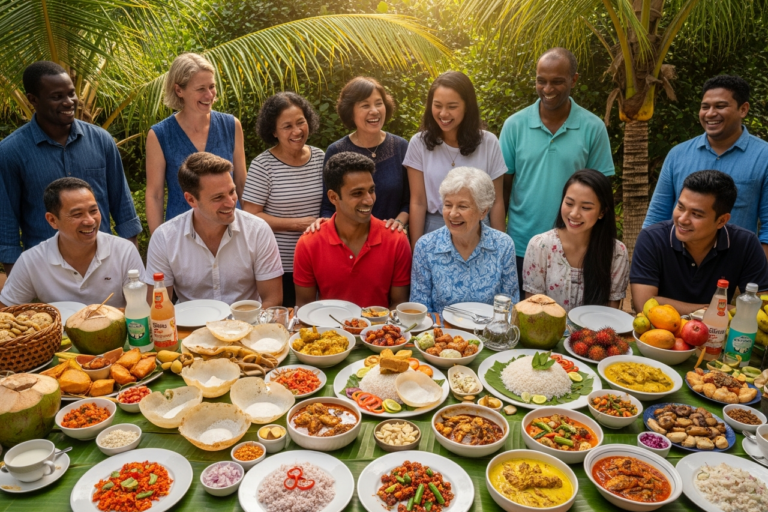
Key Highlights
-
Find out the way Sri Lankan meal times flow. Lunch is usually the big meal of the day.
-
Try breakfast foods like string hoppers. See why tea culture is so important in Sri Lanka.
-
Discover “short eats,” which are tasty snacks people have between meals. Some are sweet and some are salty.
-
See what local cuisine is like with rich curries and fresh sambols.
-
Learn how meals change during festivals or special days. Meals show strong traditions at these times.
-
Look at how Sri Lankan eating habits are different from Canadian ones. It helps you know more about both cultures.
Introduction
Are you thinking about taking a trip to the beautiful island of Sri Lanka? One of the best ways to get to know the culture in Sri Lanka is to try the food. You will find that sri lankan cuisine is full of bold flavours. There are spicy curries and sweet dishes with coconut that stand out. But there is more to it than just what you eat in Sri Lanka. When you eat is also important. If you know the meal times, you can really get a feel for daily life. This will help you make sure you don’t miss a taste of the great sri lankan food while you are there.
The Rhythm of Daily Meals in Sri Lanka
In Sri Lanka, people eat in a way that fits with their culture and how they live each day. It is not like the Canadian “three square meals.” People in Sri Lanka start with a big breakfast, eat lighter at dinner, and enjoy snacks in between. This meal pattern is important and shows a lot about how people in Sri Lanka spend their time.
Trying this rhythm helps you really get into the local cuisine. Every mealtime has its own dishes and rules that people follow. Eating each meal lets you learn about their customs. Rice and curry is the top sri lankan staple and is at the center of their meals. The way people eat in Sri Lanka and when they eat shows a lot about life on the island. Let’s take some time to see how a normal day of eating looks there.
Structure of a Typical Sri Lankan Eating Day
A normal eating day for a Sri Lankan is good and slow. The day starts early when people drink a cup of plain black tea. This helps set the mood for the day. Breakfast comes next. People eat breakfast from 7 AM to 9 AM. It is a tasty way to start the day.
The biggest and most loved meal in sri lankan cuisine is lunch. People enjoy lunch from 12 PM to 2 PM. After lunch there is afternoon tea time at around 4 PM. People look forward to this time. It is a nice break between lunch and dinner.
Dinner comes at the end of the day. People usually eat it from 7 PM to 9 PM. Dinner is not as heavy as lunch. This eating plan helps most people get enough food and spend time with other people, from morning until the day ends.
-
Breakfast: 7 AM – 9 AM
-
Lunch: 12 PM – 2 PM
-
Afternoon Tea: Around 4 PM
-
Dinner: 7 PM – 9 PM
Differences in Meal Schedules Across Regions
Meal times in Sri Lanka are usually about the same in most places. Still, you will see small changes when you travel around the island. In busy cities or places where many tourists go, like Galle Fort, restaurants often change their times to help people from other countries. Some places, like Church Street Social, can let you eat at any time of the day. These hours are not as strict as at a small village spot.
But in small country towns or in the cool hills of Nuwara Eliya, people eat by a set schedule. Meal times match farming work. Farmers start with an early, big breakfast. Then, there is a filling lunch to keep them going. Dinner happens early and is often light.
One main thing that is not like in the West is that people eat a big lunch and a smaller dinner. In Canada, people will have a bigger dinner most days. If you visit Sri Lanka, it can be fun to change your meal times and try having your biggest meal in the middle of the day.
Breakfast Traditions in Sri Lanka
Breakfast in Sri Lanka is very different from just having cereal. The food is full of strong taste and most of it is not sweet. It is made to give the energy people need to start the day. The meal is a nice way to get to know sri lankan cuisine. You will see many dishes that are special to sri lanka. You may not find these meals in other places.
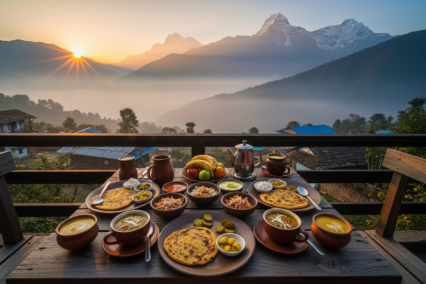
People love to eat string hoppers in the morning. They usually have it with a spicy coconut sambol. This is a main food on the sri lankan breakfast table. These meals are more than food. For many, they are a morning ritual people look forward to. Let’s see some of the most popular and loved dishes you can try for breakfast in sri lanka.
Common Dishes: String Hoppers, Milk Rice, and More
The Sri Lankan breakfast table is full of colour, taste, and smells. People love string hoppers most mornings. These are soft nests made out of steamed rice flour noodles. You can see them with dhal curry and pol sambol. Pol sambol is spicy, made from new coconut, chilies, and lime.
Milk rice is another well-known dish for sri lankan people. It is called Kiribath. This rice cooks in coconut milk, then gets pressed flat and cut into shapes. There is more to milk rice than just food. It is often shared for special events and new beginnings.
Egg hoppers show up often too. The pancake is shaped like a small bowl with an egg cooked in the middle.
With these breakfast dishes, you see how sri lankan cooks use rice flour and coconut milk in many ways.
-
String Hoppers: Steamed rice noodle nests often served with curry.
-
Milk Rice (Kiribath): Creamy rice cooked with coconut milk.
-
Egg Hoppers: Bowl-shaped pancakes with an egg cooked inside.
-
Pol Sambol: A spicy coconut relish that accompanies many dishes.
Morning Rituals and Eating Customs
Morning rituals in Sri Lanka begin with a cup of strong, sweet black tea. The first sip comes before breakfast and helps to start the day in a gentle way. Breakfast is a time for the family to sit together before everyone goes to work or school.
In Sri Lankan homes, breakfast is known to be filling. It is not just the main meal. You will find many sides on the table. Coconut sambol brings a spicy touch, and lunu miris, which is a hot chili paste with onions, adds more flavour. Sometimes, there are some leftovers from last night’s curries, like young jackfruit curry, too.
The mix of a sri lankan staple, a curry, and a spicy sambol is a classic choice. This style gives a balanced meal. Also, it is tasty and shows the rich food traditions found in Sri Lanka. It helps you feel full and ready for the day ahead.
The Significance of Lunch in Sri Lankan Culture
In Sri Lankan culture, lunch is the main meal of the day. It is big and has many dishes. Families, friends, and people you work with come together to eat, so it is important for everyone. Lunch is also a big social time in the daily life.
Rice always is the main part of lunch. You get different curries that come with it. You may see fish curry cooked in coconut milk and curry leaves, plus lots of vegetable dishes. Let’s look at why lunch matters so much in Sri Lankan life and find out what foods are loved for this meal.
What Makes Lunch the Main Meal?
Lunch is the main meal in Sri Lankan culture because of tradition and what works best for people. In the past, many needed a big meal at midday to keep up their energy while they worked. This idea is still common in the way people live now. Lunch gives the most choice and a good mix of healthy foods.
A usual Sri Lankan lunch has plenty of colours, tastes, and feels. You get a big amount of rice on your plate. Around it, there are a few vegetable curries, something with protein like fish or chicken curry, and some sambols or sauces. This makes the meal feel full and good for you.
Curry restaurants are very busy at lunchtime. Many people come in for “rice and curry” plates. Breakfast can often use rice flour, but lunch is all about eating the grain. That’s why this meal stays the most important and filling one of the day.
Popular Lunch Foods and Ingredients
A classic Sri Lankan lunch is both bright and full of different tastes. The main part of the meal is a big pile of steamed rice. This rice is the base for all the other dishes to shine. You will not see rice flour noodles at lunch. This time is set for whole grains of rice.
Next to the rice, you get many curries. Dhal curry, or parippu, is creamy, mild, and a regular part of a sri lankan meal. You might also see chicken curry that is full of spice or fish curry that is a bit sour, especially near the coast. There are always a few vegetable curries as well, such as green beans, beetroot, or even young jackfruit. These help make the food bright and are full of nutrients.
To finish the meal, you have pol sambol. This is a mix with coconut that is fresh and spicy. It makes the food extra tasty and fun. When you put it all together, you get a sri lankan lunch that is full of good flavours.
-
Steamed Rice: The base of the sri lankan meal.
-
Dhal Curry: A soft and gentle lentil curry.
-
Chicken or Fish Curry: The main protein curry on the plate.
-
Pol Sambol: A spicy coconut mix that brings life to the meal.
Tea Time and Snacks: Sri Lanka’s Midday Break
In Sri Lanka, people love to have afternoon tea between lunch and dinner. Around 4 PM, many people stop what they are doing for a hot cup of strong black tea. The tea is usually sweet and has milk in it. The afternoon tea is not just about getting more energy. It is a big part of the culture and helps everyone relax.
This break in the middle of the day is a key part of sri lankan cuisine and daily life. sri lankan tea comes with sweet or savoury snacks most of the time. Let’s learn about the history of Ceylon tea and the tasty food that makes this sri lankan tea break so nice.
History and Importance of Ceylon Tea
The story of Ceylon tea is important to Sri Lanka and its people. The British brought tea to the island in the 1800s. Tea farms did well in the central hills, especially in the Nuwara Eliya area. Now, Sri Lanka is one of the top tea exporters in the world. The name “Ceylon tea” stands for good quality.
The long history of tea here helped shape a strong tea culture. For people in Sri Lanka, tea is not just something to drink. It shows welcome and is part of daily life. Drinking afternoon tea at around 4 PM is something many do every day. It is their time to stop, share, and relax.
Drinking tea is a big part of who they are as a people. It does not matter if it is a simple cup of black tea at home or a fancy tea at a tea plantation hotel. The act is always there in their lives. With every cup, people remember old times and look forward to new. Tea connects the past and present of the island and gives all people a way to come together.
Keywords: sri lanka, tea culture, black tea, nuwara eliya
Savoury and Sweet Snacks with Afternoon Tea
Afternoon tea in Sri Lanka is not just about tea. It is a time to enjoy many different snacks called “short eats.” People in Sri Lanka love these bite-sized treats. They go well with a hot cup of tea.
There are both savoury and sweet short eats. Some of the savoury ones are fish buns, rotis with vegetables, or pastries filled with seeni sambol. Seeni sambol is a sweet and spicy onion mix. These snacks have a strong taste that goes well with your tea. If you like sweet things with your tea, there are also cakes, biscuits, and good old traditional sweets.
Coconut water is a cool drink you might have on a hot day, but tea is the real drink during tea time. Often, you will see different varieties of banana given as an easy, sweet snack.
-
Fish Buns: Soft buns filled with a spicy fish mix.
-
Seeni Sambol Pastries: Flaky pastries with sweet onion seeni sambol.
-
Vegetable Roti: Flatbreads stuffed with spiced vegetables.
-
Sweet Cakes and Biscuits: Simple sweet treats to go with your tea.
These sri lankan short eats help make tea time special and offer you a taste of something from both sides — sweet and savoury.
Evening Meal Etiquette: Sri Lankan Dinner
When evening comes in Sri Lanka, people turn their attention to dinner. This meal is not as big or heavy as lunch. Dinner in Sri Lanka is usually lighter and more simple. People eat it between 7 PM and 9 PM. It is often relaxed and easy, giving a soft end to the day. Sri Lankan food at dinnertime has lighter foods instead of large plates of rice and curry.
You will see dishes like string hoppers, godamba roti, or kottu. People in Sri Lanka often enjoy dinner with a cool drink, like fresh lime juice. Let’s see what sri lankan foods are found on the dinner table and talk about some social ways people act during this meal.
Typical Dinner Foods and Lighter Bites
A traditional Sri Lankan dinner is simple and well-balanced. At night, people do not use as much rice as they do at lunch. The meal often has lighter carbs that you can eat without feeling heavy. This helps you sleep better later.
Many people eat string hoppers, hoppers, or pieces of roti. These are soft and light. They are often served with a couple of curries. Creamy dhal curry is part of most dinners, and sometimes you get sri lankan chicken curry or vegetable curries with it. The main thing is not the rice, but what you enjoy with it.
This way, the dinner can be mixed in different ways. Every bite has a new texture or taste, so all the flavours of sri lankan food come out.
-
String Hoppers or Hoppers: They are soft and made from rice flour.
-
Godamba Roti: These are thin breads that are soft and flaky.
-
Dhal Curry: This is a warm curry made from lentils.
-
Chicken or Vegetable Curries: These curries are tasty but you only get a small serving each time.
Timings and Social Aspect of Evening Meals
Dinner in Sri Lanka usually takes place between 7 PM and 9 PM. This is the time when families come together after work to eat and talk. Lunch in Sri Lanka can be loud and busy, often shared with people from work. Dinner, though, tends to be quiet and focused on the family. The way people eat at night shows the heart of the culture.
Family habits are a big part of how people have their evening meals. Many recipes people use for dinner in Sri Lanka have been taught by parents and grandparents. Making food and eating as a group help keep family ties strong. In some homes, and for special moments, the food is served right on a banana leaf. This links the meal to nature and the old ways in Sri Lanka.
If you visit and you get to join a family for dinner, you will get to see much more than just the local cuisine. You may hear some good stories and feel close to the people there. For families, the food is only one part of what makes the evening special. It’s the time together that matters most.
Snack Culture: Eating Between Meals
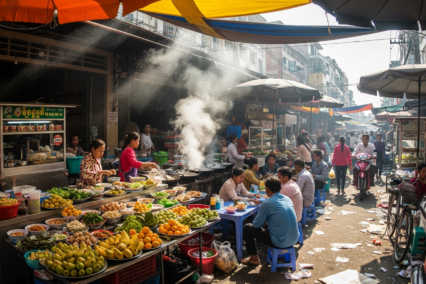
Sri Lanka is known for its tasty snack culture. These snacks, called “short eats,” are a big part of the food scene there. You can find them in bakeries, at roadside stalls, and even train stations. People grab them any time they feel hungry, like in the morning or later in the day.
For many, eating these snacks is not just about being hungry. It is something people do together. Some have a quick street dish while they walk. Others share a few small treats with tea. Snacking is an everyday thing in Sri Lankan life, and fits right into their daily routine. Let’s look at some of the favourite short eats and see when people in Sri Lanka like to have them.
Popular Street Food and Short Eats
The world of Sri Lankan short eats is full of many different tasty snacks. These foods are a big part of street food life. They give you fast and flavourful bites that you can enjoy as you walk. You can get savoury pastries, fried snacks, or more simple, fresh treats.
One famous street food is kottu roti. It is a hot mix of chopped roti, vegetables, eggs, and some meat. These can be eaten as a meal, but people also like small portions for a filling snack. Some other favourites are fish cutlets, vegetable rolls, and samosas. These are full of spicy flavours.
People also like to drink water from a fresh king coconut. Vendors sell king coconut on almost every street, and it is a cool way to stay hydrated.
-
Kottu Roti: A loud and tasty stir-fry made from chopped roti.
-
Fish Cutlets: Balls made of spiced fish and potato. They are crumbed and fried.
-
Vegetable Roti: Flatbread with a flavourful vegetable filling inside.
-
King Coconut: A fresh drink that keeps you hydrated and cool.
When and Why Sri Lankans Snack
In Sri Lanka, snacking can happen any time during the day. There are two busy times for snacks: mid-morning and late afternoon. The afternoon snack, usually with tea, is the most loved. But because there is so much easy street food in the country, you can get a quick bite at almost any time. People snack while they move, when they shop, or even when they are out for a simple walk.
People eat snacks in Sri Lanka for many reasons. Sometimes, it helps keep hunger away between a big lunch and a smaller dinner. Other times, it is something fun to do with friends. And often, snacks are good because they do not cost a lot and they really taste nice. Snacking is such a big part of sri lankan life that you can call it a sri lankan staple.
If you come as a traveller, trying local snacks is a great way to taste many different flavours. You do not have to sit for a full meal. There are sweet snacks for special moments, or new beginnings. On a hot day, you can enjoy king coconut, which is both cool and tasty. In sri lanka, you will always find the right snack for the time.
Special Occasions and Festival Meal Times
During festivals in Sri Lanka, people do not eat at the same times as usual. Meal times become a big part of the whole event, and it is more than just eating. During the Sinhala and Tamil New Year, for example, the food is very important. There are special ways to cook, and the meals start at good, chosen times. People get together to make dishes in clay pots, which are a big part of all the cooking.
On festival days, the food is the heart of the party. Families come into the kitchen to cook their favourite foods. They also share long and tasty meals with friends and neighbours. Let’s see how eating on these new year days in Sri Lanka changes, and look at the dishes everyone loves.
How Festivals Shape Eating Schedules
Festivals completely reshape the typical Sri Lankan meal times. During the New Year, for instance, the first meal is eaten at a specific auspicious time determined by astrologers. This meal is a highly anticipated event where the whole family gathers to eat together, symbolizing unity and prosperity for the year ahead.
Instead of the usual breakfast, lunch, and dinner schedule, festival days are often characterized by continuous feasting. A special table is laid out with an array of traditional dishes, and people eat throughout the day as they visit friends and relatives. The focus shifts from rigid meal times to a more fluid, celebratory grazing.
This change reflects the communal spirit of a Sri Lankan festival, where the sharing of food is a primary activity. The table below shows a comparison of a regular day versus a festival day schedule.
|
Meal Schedule |
Regular Day |
Festival Day (e.g., New Year) |
|---|---|---|
|
Morning |
Breakfast (7-9 AM) |
No fixed breakfast; wait for auspicious mealtime. |
|
Midday |
Lunch (12-2 PM) |
Main celebratory meal at a specific auspicious time. |
|
Afternoon |
Tea & Snacks (4 PM) |
Continuous feasting and sharing of sweets all day. |
|
Evening |
Dinner (7-9 PM) |
Lighter eating or enjoying leftovers from the day’s feast. |
Traditional Dishes for Celebrations
Celebrations in Sri Lanka always come with a tasty spread of classic dishes. When the New Year comes, the main dish on the table will be Kiribath, or milk rice. This smooth and creamy food means good things ahead. It is the first thing people eat to welcome new beginnings.
Next to the milk rice, people put out sweet snacks called “rasa kevili.” There are many treats, like kokis (they are crispy and shaped like a flower), aasmi, and kavum (this is a sweet oil cake). Most of these sweets get made by families together, sometimes days before the festival begins.
You will also get to taste savoury foods. Often, a rich young jackfruit curry or a spicy chicken curry sits with the milk rice. These dishes bring in more good flavours to the table.
-
Milk Rice (Kiribath): The main food for good times and new beginnings.
-
Kavum: A sweet oil cake with a unique look on top.
-
Kokis: Crispy and looks good, this snack is fried just right.
-
Sweet Snacks: Many people share different classic sweets with family and friends.
Comparing Sri Lankan and Canadian Meal Customs
For a Canadian going to Sri Lanka, the way people eat can feel both new and fun. In Canada, many people pick up a quick lunch and often have their big meal at night. In Sri Lanka, this is not the way. People there usually eat their main meal in the middle of the day. This change in when people eat shows us how their days and family lives can be a little different.
At lunch, people in Sri Lanka usually eat a Sri Lankan staple – rice and curry. This is very different from the sandwich or salad many Canadians have at noon. To enjoy your time in Sri Lanka, it is good to know how these food habits work. Let’s take a look at the timing of meals, the way people share food, and what eating with others means in both Canada and Sri Lanka.
Contrasts in Timing, Style, and Social Habits
The biggest difference in meal times between Sri Lanka and Canada is the main meal of the day. In Sri Lanka, lunch is the heaviest and most important meal. For many people in Canada, dinner takes that spot. This changes how people in the two places eat during the day.
The style of eating is not the same either. Sri Lankan cuisine is all about sharing. People put different foods on the table, and everyone helps themselves, especially at lunch. A meal in Canada is more about giving each person their own dish. One sri lankan staple is to use your right hand for eating. That is a unique habit they have.
These ways of eating in Sri Lanka are part of a culture where people value community and like to take their time with food. Meal times there are often relaxed and shared with others. In Canada, meal times are sometimes planned ahead during the week and can be faster because people are busy at work.
Adapting to Sri Lankan Meal Times as a Canadian Visitor
For someone from Canada, getting used to sri lankan meal times can be fun and feels like a fresh start in your trip. The best way is to stay open and try new things. It helps to have your main meal at lunch. This matches the local way of eating. At this time, you will find the best and most fresh local cuisine, often in small places where the locals go.
There are tourist restaurants in sri lankan cities and by the sea. They will serve late dinners that suit someone from Canada. But you will get a true taste of sri lankan life if you eat like a local. Give the busy “rice and curry” places a try and go there for lunch.
Make sure to enjoy afternoon tea and short eats, too. It is a good way to get your energy back before night time things to do. If you change your plans to fit in, you will stop hunger and also feel closer to the sri lankan way of living. It’s all part of welcoming new beginnings.
Cultural Etiquette Around Meal Times
There is more to eating than just meal times in sri lanka. The people here have a rich way of doing things when it comes to food. This goes from the way you say hello to how you eat at the table. If you learn about these customs, you will enjoy your food more and show that you respect their ways. sri lanka is a predominantly buddhist country, so food is important and treated with respect. Sharing a meal is also seen as being warm and welcoming.
Family plays a big part in how meals are served and how people eat in sri lankan homes. If you know about the small things that matter at the table, your meal can become much more. It can help you understand sri lankan life better and connect with the people there. Here are some of the main points of sri lankan dining etiquette.
Greetings, Table Manners, and Family Traditions
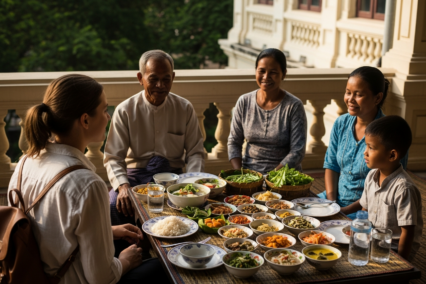
If you get invited to a Sri Lankan home for a meal, it is polite to say yes. The host will make a big meal, as they take pride in what they do. When you are eating, use only your right hand. This is very important, especially if you eat rice and curry in the way people do in Sri Lankan cuisine. People in Sri Lanka think the left hand is not clean.
It is also a good idea to wait before you eat. Let the host or the oldest person start eating first. As a guest, the host will likely serve you first and will tell you to take more food. This is their way to show you their kindness. Don’t be shocked by how much food there is. The host wants to show you their family’s giving nature.
Many foods in sri lankan cuisine have a lot of coconut milk in them. For special days, the meal might even be served on a banana leaf. This adds to the real taste of sri lankan food.
-
Use Your Right Hand: Always eat and give food with your right hand.
-
Accept Generosity: Hosts will give you a lot of food. It is polite to eat what you can.
-
Wait to Start: Wait for the host or the oldest person to begin before you eat.
-
Wash Hands: Be sure to wash your hands before and after the meal.
Respecting Local Customs as a Traveller
As a traveller in Sri Lanka, it is important to respect local customs. Whether you are eating at a restaurant or in a home, be kind and say thank you. If a dish is too spicy for you, just give a small smile and try a little bit. It is better to taste some than to say no.
Sri Lanka is a predominantly Buddhist country. People here do not waste food. The best way is to put only the food you can finish on your plate. Sometimes, your host will want you to take more. You can try new things and enjoy the local cuisine. There are places like Nuga Gama at Cinnamon Grand in Colombo, and eating there lets you experience the rich food traditions of the country.
The main thing is to join in with a warm heart and show respect. Watch how things are done and ask questions in a polite way. If you show real interest, they will welcome you to the Sri Lankan dining experience with open arms.
Conclusion
To sum up, when you look at meal times in Sri Lanka, you find the food and habits show a lot about the culture. Morning meals start the day, lunch is important, and people gather in the evening for dinner. You can see a lot about how people in Sri Lanka live from these meals. If you are visiting from Canada, knowing these habits will make your time there better. You will get to connect more with local people. Don’t be shy—try the different ways people in Sri Lanka eat, because it’s a good way to enjoy the bright culture there. If you want advice on how to join in with sri lankan eating customs, you can always ask for a consultation.
Frequently Asked Questions
What time do Sri Lankans typically have their main meals?
Sri Lankans eat their main meal, lunch, between 12 PM and 2 PM. This is the biggest meal of the day. They have breakfast earlier, at about 7 to 9 AM. Dinner is a light meal, and people enjoy it between 7 and 9 PM. This shows the unique rhythm of sri lankan cuisine and when they like to eat.
Are there specific food customs during festivals or holidays in Sri Lanka?
Yes, at festivals like the Sri Lankan New Year, food customs are very important. People wait for a good moment to eat the first meal. There is milk rice (Kiribath) on the table. This shows that they hope for good things in the new year. There are also sweet snacks, and people share them with their family.
How should a visitor participate in traditional Sri Lankan mealtimes?
To join Sri Lankan mealtimes in a good way, you should follow the local schedule. You can show respect by thanking people for the food. There are some table rules, like eating with your right hand. Be open to tasting sri lankan local cuisine. Show that you value your host’s kindness. That is the best way to have a good time during the meal.