Key Highlights
Here are the key points about eating habits in Uganda:
-
People in Uganda eat their meals earlier than in Canada. Lunch is the meal of the day that has the most food.
-
Traditional dishes are full of carbs. Some main foods are matoke, which is made from green bananas, and posho, which is made from maize flour.
-
Breakfast is not sweet. It often has savoury foods such as rolex, which is an omelette in chapati, or porridge.
-
Family, religion, and special days have a big part in what and when people eat.
-
Eating together and washing hands before meals are very important in Uganda.
-
Most meals stay the same, but people like to snack on roasted groundnuts or cassava. This is even more common in urban areas.
Introduction
Welcome to the heart of Africa’s food scene! If you plan to go to Uganda, you will see that food is a big part of daily life. For people from Canada, meal time might feel a bit different here. Learning about when people in Uganda eat can help you enjoy your trip even more. Trying Ugandan cuisine is not just about the food. It’s also a way to get to know the culture and meet local people. You will get real insight into life in Uganda. Get ready to find out what and when Ugandans eat.
Understanding Ugandan Meal Schedules
In Uganda, meal times show the country’s farming life and bring people together. The time you eat your meal of the day depends on work, family, and what fresh staple food is around. Rural areas are pretty set with their routine. Urban areas now have more flexible ways to eat.
Let’s check when breakfast, lunch, and dinner happen in Uganda, and see how different the timing may be from back in Canada.
Typical Times for Breakfast, Lunch, and Dinner in Uganda
In Uganda, the day starts early, and so does breakfast. A Ugandan breakfast is typically eaten between 6:00 AM and 8:00 AM, providing fuel for a long day of work or school. Lunch is often considered the most important meal of the day, enjoyed between 12:00 PM and 2:00 PM. This is when you’ll find the most substantial main dishes served.
Dinner is a lighter affair compared to lunch and is usually served earlier than in North America, generally between 7:00 PM and 9:00 PM. Families gather at the breakfast table in the morning, often with a cup of Ugandan tea, and reconvene in the evening to share stories from their day.
Here’s a quick comparison:
|
Meal |
Typical Time in Uganda |
|---|---|
|
Breakfast |
6:00 AM – 8:00 AM |
|
Lunch |
12:00 PM – 2:00 PM |
|
Dinner |
7:00 PM – 9:00 PM |
How Ugandan Meal Times Compare to Canadian Schedules
If you are visiting from Canada, you may see that meal times in Uganda often start earlier. In Canada, people might grab a fast lunch and have a bigger dinner at 6:00 PM or after. In Uganda, Ugandans put the focus on a big lunch during the day. Lunch is the most important meal. It gives people the energy they need for the rest of the afternoon.
This has roots in how people in Uganda used to work. Many did farm work, so they started early in the day and needed a big breakfast and lunch to keep going. Even in busy cities like Kampala, work and school times may change this a little. But the habit of having a big lunch during the day is still very popular.
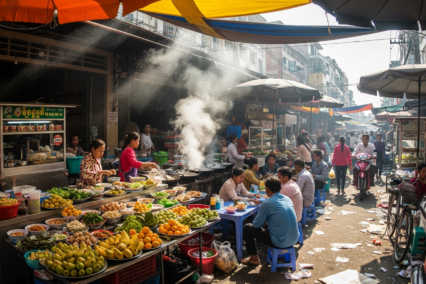
You can see this pattern if you look at the quiet work of making breakfast in the morning. By evening, the streets of Kampala fill with food stalls that buzz with people and African cuisine. This style of meals is part of daily life in Uganda. It is different from how most people in Canada eat, and it shows just how special life is in Kampala and all over Uganda.
What Ugandans Eat During Each Meal
The Ugandan diet is full of local food because the land is so fertile. People there eat many tasty dishes that are packed with flavour and good things for the body. Most meals have a staple food. This staple food is often served with sauces that have a lot of flavour or with proteins. There are starchy staple foods like matoke, and you also get sauces made from groundnuts. Ugandan dishes are filling, and they are tasty too.
Every meal has its own style. The foods people eat give them a balanced intake all day long. Below, we can look at the popular Ugandan dishes that people will have for breakfast, lunch, and dinner in this part of Africa.
Popular Ugandan Breakfast Foods
A Ugandan breakfast table is simple, yummy, and full of flavour. In Uganda, people like to eat savoury food for breakfast, not sweet like in Canada. One well-known meal is the “rolex.” It is an omelette rolled up in chapati with fresh tomato and onion. The rolex is easy to get from street stalls, and many people in Uganda eat it for breakfast.
Ugandans often have a hot bowl of porridge, too. This porridge is made from maize or millet flour and helps you get a good start to your day. People also eat boiled or fried sweet potato and cassava in the morning. Some families may even eat leftover matoke from last night’s meal. These are eaten with a cup of fresh Ugandan tea, which is another favourite.
Here are some popular choices you might find on a Ugandan breakfast table:
-
Rolex (chapati with an omelette)
-
Porridge (maize or millet)
-
Boiled sweet potato or cassava
-
Katogo (a stew, often of matoke and beef)
-
Mandazi (fried dough, kind of like a doughnut)
Common Lunch and Dinner Dishes in Uganda
Lunch and dinner in Uganda bring many of the same main dishes. Usually, lunch is the bigger meal of the day. You will find a starchy food at the heart of most meals. Matoke, which is steamed green bananas mashed together, is seen as the country’s main dish. Posho, made from maize, is a thick kind of porridge. It is like polenta and gives a base for tasty sauces.
People in Uganda don’t like to eat these staples on their own. They put them with sauces or a stew. Many stews come with goat meat, beef, or chicken. Groundnut sauce is a strong choice for people who do not want any meat. Since Uganda has many lakes, fresh fish, such as tilapia, is also there, mostly around places like Jinja. You will often see cabbage or boilers pumpkin as sides with these dinners.
Common foods you get include:
-
Matoke (steamed green bananas)
-
Posho (maize porridge)
-
Groundnut sauce
-
Stewed goat meat or beef
-
Fresh fish (tilapia or Nile perch)
Customs, Traditions, and Rules Around Eating in Uganda
In Uganda, eating is more than just getting full. It is a social event that runs deep in the culture and history. People spend meal times with family and friends. This is when Ugandans get together, talk, and follow customs. Many of these have been given to them from people before them. These ways of eating help you see not just what you eat, but also how and when you eat.
Everyday family meals are special in Uganda. Big parties and special days also play a part. The act of eating local dishes with others is the heart of life in the community. Understanding these customs helps you get more out of the main dishes and know more about the people and their culture in Uganda.
Unique Cultural Practices Related to Meal Times
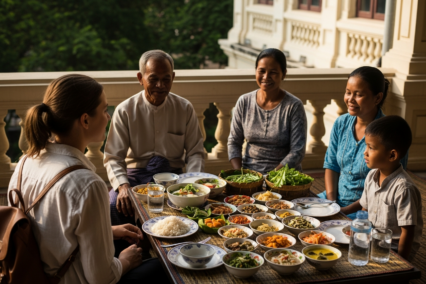
Ugandan dining etiquette shows a lot about the country. People here put community and respect first. Meals are often shared by family and friends. Everyone gathers around one platter. This brings people together. It is a big part of social life in Africa.
Before everyone eats, it is normal to wash your hands. Someone will pass around a bowl of water and some soap. This is done to show care for hygiene and respect for others. In some places, the local food is served on banana leaves, not plates. This makes the food take on a nice flavour from the leaves. You will see this most often with dishes like Luwombo.
Here are a few important practices to keep in mind:
-
Always wash your hands before eating.
-
It is polite to accept food when offered.
-
Eating is often done with the right hand, especially in rural areas.
-
Elders are typically served first as a sign of respect.
The Influence of Family, Religion, and Special Occasions on When Meals Are Eaten
The way people eat in Uganda is shaped a lot by family, religion, and parties. The family is at the heart of things. Meals are often the time when everyone comes together. Dinner is when most families in Uganda talk and share what happened during the day.
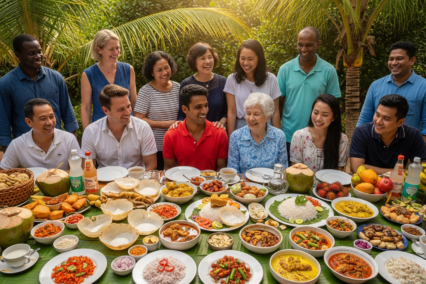
Religion is also a big part of the food culture. On Christian holidays like Christmas and Easter, or on Muslim holidays like Eid, Ugandans make big and fancy meals. There are special dishes that you don’t see every day. People might eat at different times on these days to fit in prayers and celebrations.
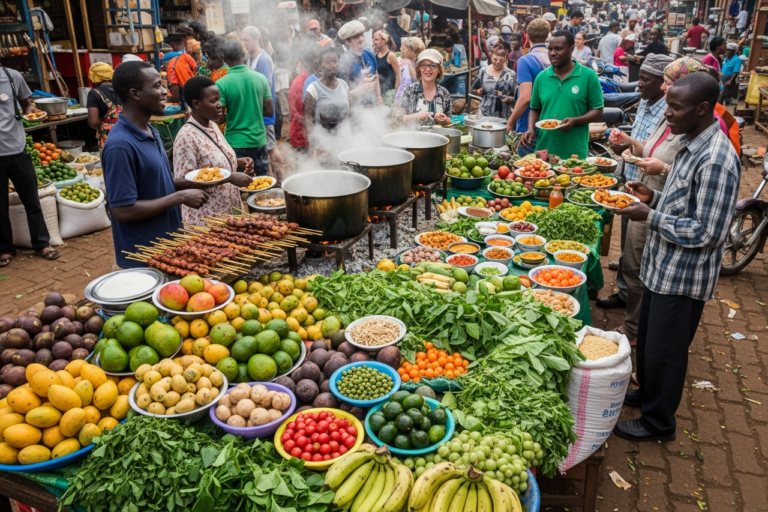
In places like Kampala, you will find a mix of old and new ways. People may live busy lives in the city, but getting together for special meals is still important. During big events, the streets of Kampala get busy and full of happy energy. There are food sellers everywhere, and you can see how much food means to the people in Uganda. Food and culture go hand in hand, especially during special days in Kampala.
Conclusion
In conclusion, knowing when people eat in Uganda gives you a good look into its culture. Meal times in Canada and Uganda can be very different. Meals in Uganda connect with family values, faith, and big events. Breakfast starts early. Dinner can be late at night. Every meal shows the country’s food and traditions. If you understand these ways, you can enjoy Ugandan hospitality more. You may feel closer to the people when you share a meal. This matters when you visit Uganda or if you want to learn about their food. It helps your experience be better. Go ahead and explore the flavors and traditions found in Uganda dining!
Frequently Asked Questions
Do meal times change between urban and rural areas in Uganda?
Yes, they can. In rural areas, the people start their day early because of farming. They eat a big meal in the middle of the day. In urban areas like Kampala, work and school change the eating times, so people have more flexible meal plans. But many Ugandans still choose to eat a big lunch instead of a big dinner.
Is snacking common between meals in Uganda?
Snacking happens a lot in Uganda, especially in big cities. Street vendors in Kampala sell many snacks on the go. You can get roasted groundnuts, maize, fruit, fried cassava, and chapati. These snacks help you wait until meal time.
What drinks are typically served during Ugandan meals?
Water is the drink most people have with meals. Ugandan tea is also very popular. It is made with milk and spices. People often drink it during the day and with breakfast. If you want to try something classic, you can have malwa. Malwa is a fermented millet drink. People also enjoy local beers.