Key Highlights
-
Turkish cuisine is well known for its many rich and fresh ingredients. Meals play a big part in daily life and at family get-togethers.
-
Turkish breakfast, called “kahvaltı,” is an important meal of the day. People usually eat a lot and spend a long time talking during it.
-
In the past, Turkish people would eat two main meals each day. Some people, especially in small towns, still do this. Now, most have three meals in a day because life has changed.
-
What and when people eat can be very different from one area to another. People living by the Aegean eat more green veggies, and in the Black Sea area, you will see a lot of cornbread.
-
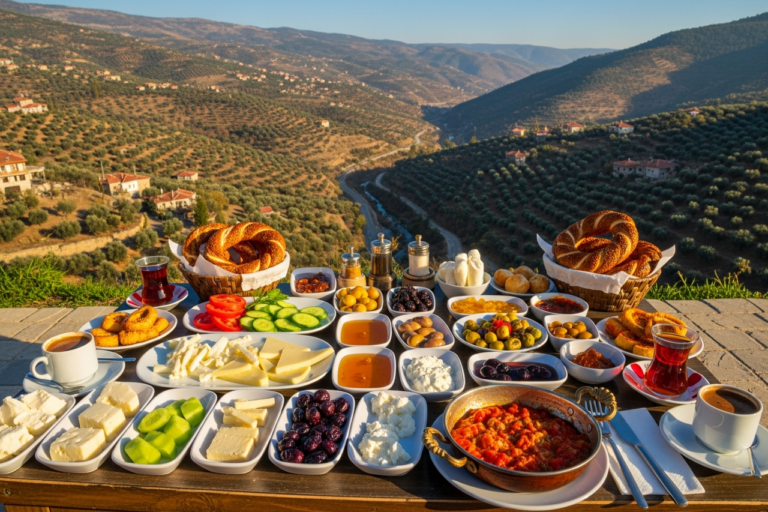
A regular breakfast has things like cheese, olives, fresh bread, and tea. After eating, many people like to drink Turkish coffee.
Introduction
Are you getting ready for a trip to Turkey? You will have a great time, especially the food. Turkish cuisine is loved all over the world. It is one of the best things about going there. But, it’s good to know when people eat their meals before you visit. In Turkey, meals are a big part of daily life. You see this in busy cities and in quiet places like Central Anatolia. Turkish breakfast, known as “kahvaltı,” is very special to them. It is not like the breakfasts you might get in Canada. This guide tells you the usual meal times. It helps you eat the way locals do.
Understanding Typical Turkish Meal Times
In Turkish culture, the kitchen is where a lot of life happens. Each meal of the day brings people together in the home. There has been a shift to a three-meal-a-day routine as things modernize. But, having two main meals is still a thing, especially in rural Anatolia, where soup might be what people eat first.
This change shows how old ways are mixing with modern work hours and city life. Even with this shift, people still say food brings them close. Sharing different types of bread, and enjoying drinks like turnip juice, is a big part of turkish cuisine. Let’s take a closer look at the daily meal schedule.
Standard Breakfast Hours in Turkey
Unlike the fast morning meals found in many Western places, the Turkish breakfast is a real meal. Many say it is often the most fulfilling part of the day. The local word for breakfast, “kahvaltı,” means “before coffee.” This shows that the meal comes before anyone has their first coffee. You will hear that many Turkish mothers see breakfast as something you should never skip.
On weekdays, the turkish breakfast is more simple. Still, you can always find white cheese, olives, tomatoes, and bread. These are served with hot tea in glass cups. People take time to sit down to eat, and they do not rush. This will help set the tone for the rest of the day. It is a way to fill the body and to connect with family members or friends.
Weekend breakfasts stand out even more in Turkish culture. These meals often last for hours. Families and friends sit for a long time, turning breakfast into an unofficial meal, almost like brunch. The table fills up with even more food. These meals are a special way people come together and share good times.
Lunch Schedules and Common Eating Habits
In Turkey, lunch is usually eaten between 12:00 PM and 2:00 PM. This matches most work and school break times. In the big cities, restaurants get busy with people looking to eat at this time. Many universities give students meals that are both good for them and do not cost a lot, thanks to university cafeterias. This makes lunch a meal that most people can have.
At home, people still cook a lot, and lunch might be made with food that is fresh and grows in that season. There will often be vegetable dishes on the table. These can also work as vegan options if you do not eat animal foods. Different vegetable dishes often come along with Turkish rice pilaf. Restaurants often serve small dishes and appetizers to eat before the main meal.
If you are in a hurry and want something quick, there are a lot of easy choices. Döner kebab in bread is popular. There are also foods like börek, which are different kinds of pastries, and hot soups. A tasty lunch like rice pilaf or small dishes can fit your day, whether you like to sit and eat or pick up your food and go.
Evening Meals and Dinner Timings
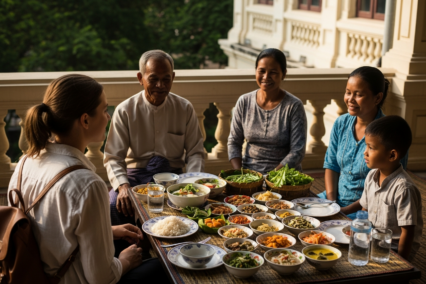
Dinner in Turkey is the main meal of the day. People eat dinner with family, and the meal often starts later than in Canada. The family may get together for dinner as late as 7:00 PM or even 9:00 PM. Many people have late dinners in Turkey. For most, the meal is not just for food, but also a chance to talk and connect.
There are many types of dishes served at the evening meal. You will see a main dish made with ground meat, like “karnıyarık,” which is stuffed eggplant. There will be types of bread on the table and fresh green salads as well. People enjoy making food at home, and they like to gather with their family at one table.
The night does not end after the main course is finished. The group will sit around the table for a long time. They talk, play music, and have fun. Later, people serve dessert, and the meal finishes with a strong cup of Turkish coffee. Most of the time, this coffee comes well after people have cleared the plates.
Regional Variations in Turkish Meal Customs
Turkey is a big country, and food habits change a lot from place to place. In the Aegean region and in Eastern Turkey, people don’t always eat the same foods, and even the times for meals can be different. These changes come from past farming, weather, and long-held customs, with some going back to the Ottoman era.
Take breakfast as an example. How people start the day can be very different depending on where you are in Turkey. There is one thing that is the same everywhere, and this is the country’s highest bread consumption. But, most of the foods you will see at the table come from what is grown or made in each area. When you notice these things, your food adventure in Turkey can feel even more special.
Dining Practices in Major Cities vs. Rural Areas
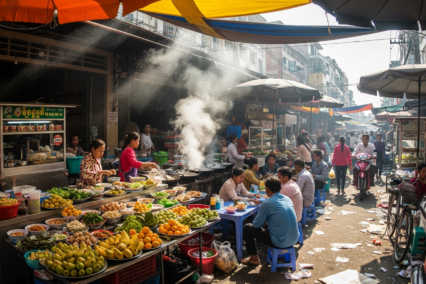
In big cities like Istanbul, people follow a modern way of living. The time they eat is shaped by the normal 9-to-5 work hours. There are many restaurants and cafes in these places. You can find street food, traditional dishes, and food from different countries. People who live in the city often pick quick food during the week. They do this because work and other tasks take up most of their day.
But if you move out to rural areas, things are slow. Here, people stick to the old ways when it comes to meals. In some parts of Anatolia, people still have just two main meals. One is in the morning and the other is at night. These meals are mostly made at home. The food comes from local farms and markets.
The type of food in the countryside depends on what people like in that area. There may be hot spices in the meal, based on the region. At night, all the family members get together for dinner. This time is special. People talk about what happened in their day. They get to connect and share. This brings everyone back together, showing how important it is to eat with family in Turkish food culture.
Influences of Coast, East, and Interior Regions
The diverse geography of Turkey directly shapes its regional cuisines. Along the Aegean coast, the diet is rich in greens, olives, and fresh seafood like sea bream, reflecting a classic Mediterranean lifestyle. Breakfast here is often a colourful spread of various jams and dozens of different green vegetables.
Moving inland to Central Anatolia, the cuisine becomes heartier. This region is known for its pastries, grains, and specific cheeses, like Karaman moldy cheese. In the east, you’ll find dishes with robust flavours, while the Black Sea region is famous for its cornbread and unique dishes like “mihlama,” a cheesy cornmeal fondue.
Each region has its signature breakfast items and staple dishes, creating a rich tapestry of flavours across the country.
|
Region |
Signature Foods |
|---|---|
|
Aegean Region |
Various jams, green/black olives, diverse green vegetables |
|
Black Sea Region |
Cornbread, “mihlama” (cheesy cornmeal), Trabzon Kolot cheese |
|
Central Anatolia |
Karaman moldy cheese, various pastries, rice pilaf |
|
Eastern Anatolia |
Kars cheddar, Erzincan tulum cheese |
|
Southeast Anatolia |
Diyarbakır knitted cheese, Beyran soup (eaten for breakfast) |
The Role of Breakfast in Turkish Food Culture
Breakfast in Turkish food culture is more than just the first meal of the day. It is an important part of life. The traditional Turkish breakfast, known as “kahvaltı,” is a real treat for everyone’s senses. This meal is also a time for family and friends to come together to share flavours and enjoy each other’s company.
The word “kahvaltı” actually means “before coffee.” This shows that the meal is what people eat before having Turkish coffee. People do not skip this meal. For many, it feels like the most filling meal of the day. It usually has many different cheese varieties and sweet jams for everyone to try.
If you want a Turkish breakfast, get ready to enjoy a good meal of the day before your Turkish coffee.
Signature Foods and Drinks at a Turkish Breakfast
A Turkish breakfast is something you have to see. It is served with lots of small dishes. On the table, you will find many cheeses. This includes white cheese and also some from different places, such as tel peynir. There are always green and black olives, and they sometimes have olive oil on top.
Having loaves of fresh bread is a must. People like to pull off pieces and share with others. Next to the bread, there is honey, jams, and kaymak, which is a type of thick cream. Tomatoes and cucumbers are also on the table. These give a fresh taste next to the strong foods. Eggs are a big part of this meal. You might get them boiled or made as an omelette. The drink that goes with everything is tea. It is served black and comes in small, glass cups while you eat.
Here are some of the main foods you will get in a Turkish breakfast:
-
Cheeses: You will see different cheeses. You get white cheese and also other types like tel peynir.
-
Olives: Both green and black olives are always there.
-
Spreads: There is honey, a few kinds of fruit jams, and kaymak, which is like thick cream.
-
Fresh Produce: You get sliced tomatoes, cucumbers, and also small green peppers.
-
Bread and Pastries: There are always loaves of fresh bread, Turkish bagels (called simit), and pastries (named börek).
Social and Cultural Importance of Breakfast
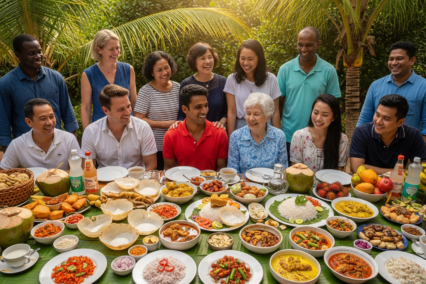
The Turkish breakfast is about more than just good food. It’s a special time to sit down with others and enjoy friendly conversations. People use this meal to bond with family and friends. On weekends, these breakfasts can go on for hours. They turn into lively hangouts that help bring families and communities closer together.
You can find these long weekend breakfasts in many homes and in different cafes. This is especially true for places with a nice view, like those in Istanbul. The Turkish breakfast can feel like brunch. It’s also something people do during family picnics. This is a time to relax, catch up, and spend time with others without the pressure of the work week.
After breakfast, people will often visit friends for a morning coffee break. This is another part of being social. From enjoying breakfast to sharing a coffee, the whole morning helps people connect. This makes Turkish breakfast a key part of how people in Turkey show hospitality and care for one another.
Conclusion
To sum up, knowing when people eat in Turkey helps you enjoy turkish cuisine even more. It also shows you some of the country’s special ways and old customs. Breakfasts are long and packed with tasty foods. Dinners bring people together and highlight a caring and friendly mood that comes with Turkish culture. As you try these habits, you’ll notice they change from one place to another. This makes every meal special in its own way. So, if you plan to visit or you want to taste turkish cuisine at home, enjoy meal times. They give you a fun way to get close to this lively culture. If you have questions or want more details, just ask!
Frequently Asked Questions
Are meal times in Turkey influenced by work or school hours?
Yes, for sure. The turkish breakfast is slow and easy when there is time, but meals on weekdays are set by work and school. Most people have lunch from 12 PM to 2 PM. They eat dinner after getting off work. So each turkish meal fits into the way people live now.
How do Turkish meal times compare with Canada and Europe?
Turkish meal times usually happen later in the day than in Canada. They are almost the same as the meal times in Southern Europe, like Spain or Italy. People in Turkey often have dinner between 7 PM and 9 PM. A Turkish meal is often a long event, where people come together and talk. Turkish cuisine often highlights these long and social evening meals.
Is it common to eat late dinners in Turkey?
Yes, it is common for people in Turkey to have their dinner late. Many families start their Turkish meal around 8 PM or even later. This meal is a big social time in the day. Family will be together to relax and talk. People do not rush, so the evening can go well into the night. After the meal, there is often Turkish coffee.