Key Highlights
-
In the Philippines, people often have five or six meals every day and not just three.
-
Filipino cuisine follows three main meals. These are breakfast, lunch, and dinner. It also has two snacks called ‘merienda’.
-
Filipinos like to eat a big and savoury breakfast. Rice is usually served, not like Canadian breakfast meals.
-
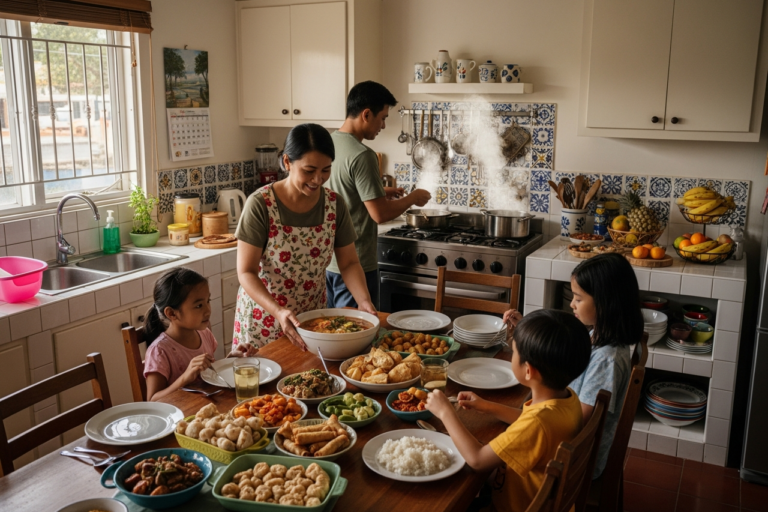
At the dining table, social customs matter a lot. Sharing food is a big part of what Filipinos do.
-
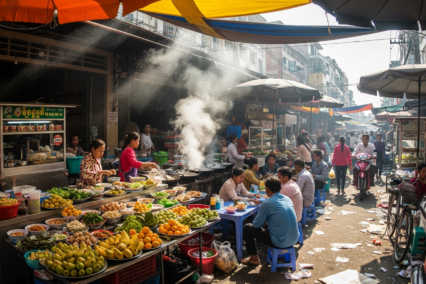
Filipinos love to eat out at lunch and dinner. These times are very social for everyone.
-
Snacks, or ‘merienda’, are key in daily life. People enjoy them in the morning and afternoon.
Introduction
If you are from Canada and going to the Philippines, get ready for something new with food! Mealtimes are not the same as in Canada or the United States. Filipino cuisine brings a mix of bright tastes, and the way people set meal times through the day is also special. It is not just about what food you get, but also about when you eat and who is with you. This guide will show you the simple way meals work in the Philippines.
Understanding Filipino Meal Structure
Filipino cuisine in the Philippines is more than just breakfast, lunch, and dinner. People here eat several times in a day. Snacks are an important part of daily eating and are treated like meals.
This way of eating can be seen everywhere in the country. It is part of life in big urban areas with many fast food places. It is also part of life in small towns. Let’s take a closer look at the main meals and special snack times in the Filipino dining scene.
Main meals of the day: Breakfast, Lunch, and Dinner
In the Philippines, people eat three main meals each day. Breakfast is called agahan, lunch is tanghalian, and dinner is hapunan. Every meal is important. The food is made around a staple like rice. Rice is always at the centre. It is the key part of the meal.
Filipino food has strong tastes. These dishes use many sauces and add-ins. The main ones you will see are:
-
Fish sauce (patis): It is a salty sauce that folk use to make food taste better.
-
Fish paste (bagoong): This is a paste made from fish. It brings a deep taste called umami.
-
Pork fat (mantika): People use this for frying. It gives meals a richer taste.
Meals in the Philippines are about more than eating. They are full of flavour and they carry tradition. From the first bite at breakfast to the last one at dinner, the goal is to share good food and good times together.
How many meals do Filipinos usually eat?
Unlike the typical three-meal-a-day structure, Filipinos often enjoy five or even six meals. This includes the three main meals plus two lighter meals known as ‘merienda’. These snacks are an integral part of the daily food culture in all parts of the Philippines.
Merienda is served mid-morning and again in the mid-afternoon, bridging the gap between the larger meals. This ensures that no one goes hungry for too long and keeps energy levels up throughout the day. It’s a cherished tradition that highlights the Filipino love for food and socializing.
Here is a typical daily meal schedule you might encounter:
|
Meal Time |
Filipino Term |
Typical Time |
|---|---|---|
|
Breakfast |
Agahan |
6:00 AM – 8:00 AM |
|
Morning Snack |
Merienda |
10:00 AM – 11:00 AM |
|
Lunch |
Tanghalian |
12:00 PM – 1:00 PM |
|
Afternoon Snack |
Merienda |
3:00 PM – 4:00 PM |
|
Dinner |
Hapunan |
6:00 PM – 8:00 PM |
Breakfast in the Philippines
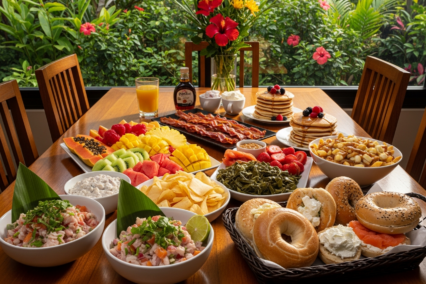
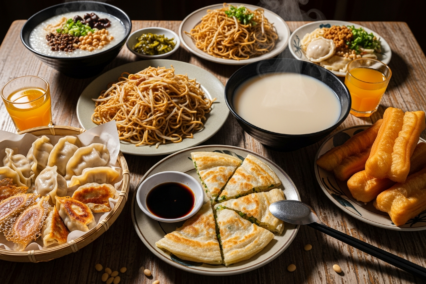
Breakfast in the Philippines is strong and filling. The meal gives people enough energy to start their day. You will not see just light pastries or cereal. The first meal there is big and hearty. In Manila and the smaller islands, you most often see rice on breakfast tables. It is served with tasty proteins.
People will also get special drinks like hot chocolate. Locals call it ‘tsokolate.’ The meal sometimes has coconut in the food as well. This breakfast makes you feel ready and awake. Now, you can learn more about the timings and well-known breakfast foods.
Typical breakfast time and popular dishes
Filipinos usually have breakfast between 6:00 AM and 8:00 AM. Most families eat together before work or school. The meal is big, and it helps start the day strong. It is not just a quick bite. Sitting down and taking time to eat is important.
The breakfast menu is full of different foods. One staple is sinangag, which is garlic fried rice. People often eat this rice with other tasty foods. Some of the most-loved breakfast sets, called silog meals, are:
-
Tapsilog: cured beef (tapa), fried rice (sinangag), and a fried egg (itlog).
-
Longsilog: sweet Filipino sausage (longganisa) with rice and egg.
-
Bangsilog: marinated milkfish (bangus) with rice and egg.
Folks often eat these dishes with vinegar mixed with garlic, fish sauce, or fish paste. This adds more flavour. Many also have hot chocolate or coffee with their breakfast.
Breakfast traditions compared to Canada
For someone from Canada, breakfast in the Philippines feels different and fun. In Canada, you will find meals like toast, oatmeal, or pancakes in the morning. In the Philippines, breakfast is a bigger meal with a lot of protein and rice. You do not get the sweet taste like Canada or the united states. Filipino breakfasts are more salty, savoury, and sometimes a little tangy.
People use sauces with vinegar and soy sauce instead of maple syrup. You can get a rich hot chocolate instead of the normal, simple coffee. Some dishes in the Philippines even have coconut milk in them, and that adds a tropical taste you do not find in Canada.
This difference shows what each country’s food is about. In the Philippines, breakfast is not a quick bite. It is a full meal, prepared with care, just like lunch or dinner. Breakfast shows the rich food culture from the Philippines right at the start of the day.
Lunch and Merienda Culture
As the day goes on, people in the Philippines get ready for lunch and merienda. Lunch is a big event in the middle of the day. Merienda is a special snack time many look forward to in the afternoon. From busy Manila to small, calm towns, people do not skip these meals. They are part of the daily routine.
Filipinos love these times to eat and spend time with others. It does not matter if it’s a big meal or just some fresh mangoes. These moments are important for getting energy and being with friends or family. Let’s see why lunchtime and merienda are important parts of life in the Philippines.
Lunch timing and why it’s important
Lunch in the Philippines usually happens between 12:00 PM and 1:00 PM. This meal is seen as the most important one of the day. It gives people a needed break right in the middle of things. In urban areas and in rural places, people at work or in school stop during this hour. Everybody gets time to sit at the dining table and enjoy a proper meal.
A recent survey said lunch is one of the favourite times for dining out. This shows how good this meal is for being with others. It’s common for colleagues, friends, and family to come together. They eat, talk, and connect during lunchtime. For Filipinos, skipping lunch or grabbing only a small bite is not the usual thing. People want a nice meal at this time.
No matter if it is a home-cooked meal, a packed lunch, or if you are out eating, the lunch hour in the Philippines is respected. It helps break up the day and gives people energy for the afternoon. For Filipinos, this meal is part of daily life and is also important on special occasions.
Merienda: The beloved Filipino snack time
‘Merienda’ is a loved tradition in the Philippines. People in the country like to eat snacks between their big meals. This snack is more than just a small bite. It helps you not feel hungry before lunch or dinner. Most people in the Philippines enjoy merienda around 10 in the morning and then again between 3 and 4 in the afternoon.
There is more to merienda than just grabbing some chips. Merienda is a time to eat many kinds of food. It can be sweet or tasty and is a big part of daily life. It is also a time for people to sit and talk with friends or co-workers. Some well-known merienda snacks are:
-
Sweet treats: Fresh fruits like mango or papaya, classic desserts like ‘halo-halo’ (ice with many toppings), and ice cream.
-
Savoury snacks: Tasty noodle dishes called ‘pancit’, warm steamed buns called ‘siopao’, or fried foods.
-
Pastries: Sweet, soft breads like ‘ensaymada’ filled with cheese or ‘pandesal’ which is a soft bread roll.
Merienda is all about how people in the Philippines love good food and spending time with others. This snack time lets you take a break, share stories with people, and enjoy yummy food like ice cream, papaya, or mango. There is always something good to eat, and merienda makes the day feel a bit more special.
Filipino Dinner Rituals
As evening starts in the Philippines, families get ready for dinner. This meal is called ‘hapunan’, or sometimes supper. It is a special time after a busy day. Filipino families sit together to eat. The social ways of this meal matter a lot, just like the food does. In places like Cebu, the dinner often has fresh seafood.
This is a time to relax, talk, and enjoy good food. Most families have dinner with each other. But dinners for work or with friends follow different habits, and they might eat at different times. Here’s how Filipino families plan their supper, and how the routines can be different for other events.
Usual dinner time for families and gatherings
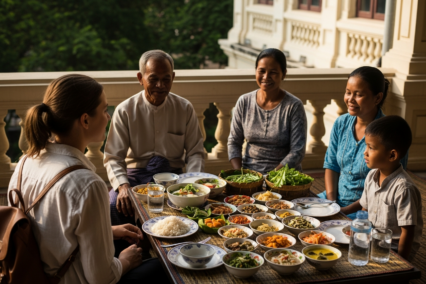
For most families in the Philippines, supper starts between 6:00 PM and 8:00 PM. People can call this meal ‘hapunan’ or supper. This is an important time when families sit together at the dining table. After a long day at work, school, or doing chores, it is the one time when everyone can be together.
The feeling during this dinner is often easy and simple. People talk about their day, plans, and spend time with each other. There is often more than one dish on the table. You may see a main course with rice, some soup, and a veggie dish.
When the family gets together for bigger events or parties, supper may start a bit later. This gives time for all guests to arrive and join in. No matter what time people gather at the dining table, the main idea is always the same: sharing this meal keeps family, joy, and togetherness strong.
Differences in dinner routines for social and business occasions
While family dinners happen every day and are past of a routine, dinner for social or work events in the Philippines can be different. These are like what you see in other Asian countries. Social and business dinners usually start later and feel more formal. If you are invited to a social dinner, it could say 7:00 PM or 8:00 PM, but people may not get there right on time.
When it comes to business dinners, there are rules to follow. These are not just about eating. They help people make bonds and connections. Many courses are served, and the talks go on for a while. If it’s about business, people expect you to be on time, unlike casual get-togethers.
Here are a few key differences:
-
Timing: Social and work dinners often start after 7:00 PM, later than family meals.
-
Formality: These dinners are more formal, mainly in business settings. The seating and rules are clear.
-
Duration: Dinners can last a long time, as they are good chances to talk and network.
Unique Traditions and Social Customs at Mealtimes
Mealtimes in the Philippines are more than just eating. People in the country follow unique traditions and social rules at the dining table that make the experience special. There are certain ways to eat, and big celebrations are common. Food brings people together, and it holds an important place in Filipino culture. These customs help to turn each meal into a special time. It doesn’t matter if it is a simple family dinner or a big holiday gathering.
In the Philippines, people often show sharing and kindness at their dining table. Each meal is a chance to build stronger ties with others. Let’s look at the customs you will see around the dining table in the Philippines.
Etiquette, mealtime celebrations, and family gatherings
Filipino dining has a warm feeling. People care about the group and always show respect. One special custom is called ‘kamayan.’ This means you eat with your hands. Many say the food tastes better this way and that you feel closer to the meal.
When people celebrate, food is a big part of the day. ‘Noche Buena’ is the Christmas Eve supper. This is one of the biggest events of the year. After evening mass, families gather for a big meal at midnight. The table is full of special food that the family enjoys together. Here are a few important customs you will see:
-
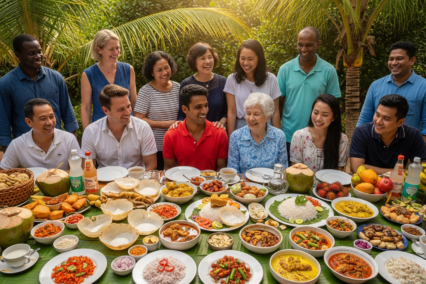
Sharing is key: Food comes to the table in big platters. People are asked to eat well and not be shy.
-
Respect for elders: It is good manners to wait for the oldest person to start the meal. Everyone else begins eating after.
-
Using utensils: People like kamayan, but most also use a spoon and fork at the table. The spoon helps cut and scoop up food onto the fork.
These habits help make every meal extra special. They are a big part of family, faith, and Filipino warmth. For many, family gatherings stand out because of these traditions.
Conclusion
Mealtime in the Philippines is full of tradition, warmth, and brings people together. Breakfast often starts slow, and lunch can be busy with merienda snacks in between. Meals here are not just about eating food. They let family and friends connect and spend time with each other. If you learn about Filipino meal customs, you will see more about the culture in the Philippines. You get to see why each moment at the table is something to enjoy.
If you are in the Philippines or trying filipino cuisine at home, enjoy these meal traditions and the good flavors that come with them. Happy eating!