Key Highlights
-
Dutch people in the Netherlands eat their meals at set times. They usually have dinner earlier than people do in Canada.
-
A typical Dutch breakfast and a Dutch lunch look much the same. You will often see bread with different toppings.
-
The dinner table means a lot to families, and many families eat dinner together in the evening.
-
Meal times in the Netherlands change a bit from place to place. Cities like Amsterdam may not eat at the same time as other places.
-
On the weekend, Dutch people are more relaxed about what and when they eat. Pancakes, pizza, or fries are common choices.
-
The Dutch eating schedule shows how much they value structure and being with family.
Introduction
If you want to travel to the Netherlands, you might wonder how the dutch people eat their meals. For someone from Canada, the dutch way of having food can be pretty new. Dutch households like to eat food from all over the world, but their own traditions are a bit different. They often eat early dinners. The family sits together for meals, and that is a big thing for them. The way people handle food is important for daily life in many Dutch homes. This guide is here to help you learn about dutch meal times. It will tell you when they eat, what they eat, and why they do it that way.
Typical Daily Meal Times in the Netherlands
One of the first things you will see in the Netherlands is how Dutch people follow a set plan for their daily meals. Being on time is a big part of Dutch life, and this even shows in the way they eat. In Canada, dinner time can change from day to day. But in the Netherlands, people stick to the same dinner time almost every night.
This part of Dutch culture is easy to spot, with dinner often starting much earlier than in other places. If you want to plan your day well, you need to know about when Dutch people eat, whether you stay in or choose to eat out. Now, let’s look at when each meal happens and learn about the small changes you may see in different parts of the country.
When do Dutch people have breakfast, lunch, and dinner?
In the Netherlands, the day starts early. People have a typical Dutch breakfast between 6 a.m. and 8 a.m. This meal gives them a good start before they go to work or school. Breakfast helps set a clear plan for the day, and the routine is an important part of their morning.
For a Dutch lunch, people eat between 12 p.m. and 2 p.m. Lunch in the Netherlands is often quick and easy. It is not as long as lunch breaks in some other parts of Europe. People choose simple food and focus on having enough energy for the rest of the day.
The dinner table is where the biggest difference shows up in the Netherlands. Dinner time comes early, usually between 5 p.m. and 7 p.m. Dutch families sit down together for dinner at this time. This early meal is a tradition that values time with family, so everyone gets to join in before the evening starts. Restaurants also follow this habit, so their dinner service begins early to match what people want.
Differences in meal times between Amsterdam and other regions
While the Netherlands has a generally consistent meal schedule, you might notice some regional variations, particularly when comparing a bustling city like Amsterdam to smaller towns. In more rural or traditional Dutch households, the early dinner time is often strictly observed.
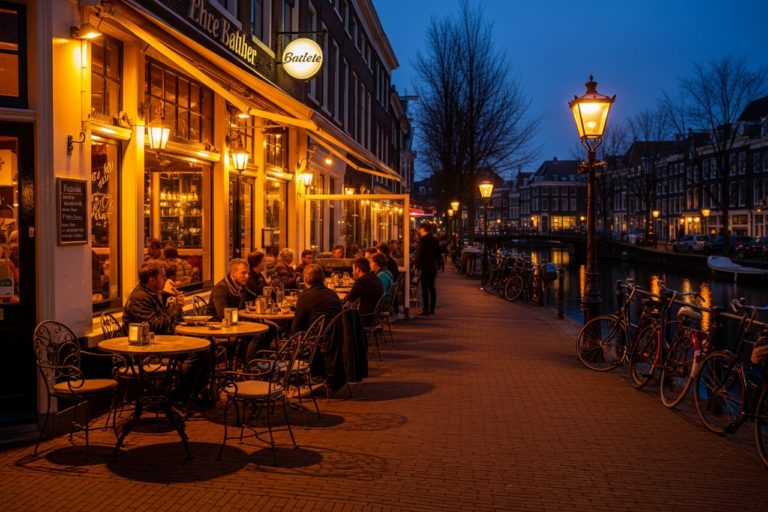
In Amsterdam, the influence of tourism and a more international population means there’s a bit more flexibility. You’ll find restaurants serving dinner later into the evening to cater to visitors and a younger crowd with different work schedules. However, the core cultural preference for an earlier dinner time still remains strong even in the capital.
These subtle differences highlight the blend of tradition and modernity across the Netherlands. Here’s a simple breakdown of what you might expect:
|
Region |
Typical Dinner Time |
Notes |
|---|---|---|
|
Amsterdam |
6 p.m. – 9 p.m. |
More flexibility, with many restaurants open later for tourists and locals. |
|
Smaller Towns/Rural Areas |
5 p.m. – 7 p.m. |
Adherence to traditional, earlier dinner times is more common. |
A Traditional Dutch Eating Schedule
A day of eating for Dutch people is often simple and easy. For a typical Dutch breakfast, they start with slices of bread. People put toppings on this bread, which makes the meal easy but filling. Many Dutch people have the same kind of food for lunch as well.
The evening meal is different. This is the main cooked meal of the day. Dutch families come together at this time to eat. During the day, the focus for most people is on getting things done and being fast. The evening shows how much they care about spending time with each other.
On weekends, their routine with these meals can change. Now, let’s look more deeply at what Dutch meals look like all day and how their weekend habits can shift.
What does a day of Dutch meals look like?
A day of Dutch eating often starts with slices of bread. People put cheese, meat, jam, chocolate sprinkles, or peanut butter on top. This breakfast is simple but fills you up. The best part is, it takes little time to make. The Dutch lunch looks a lot like this. You will often have slices of bread again, or maybe a “tosti,” which is a hot ham and cheese sandwich.
If you look at other countries like Spain or Italy, lunch there is big and has many courses. The Dutch lunch is not like that. Dutch people keep lunch light and quick. It is meant to be just a short break, not the main point of the afternoon.
The biggest meal comes in the evening. The evening meal is hot and cooked. It usually has potatoes, meat, and vegetables. This time, the family gets together to eat after work or school. The evening meal is more than food—it is a way for families to spend time together, unlike the fast morning or dutch lunch.
Variations during weekends and holidays
Yes, the Dutch people often have a set eating routine during the week, but this usually gets more easygoing on weekends and holidays. When it’s the work week, things are about having a set time for everything. At the weekend, folks want to relax, and you can see it in what they eat and when they eat it. Dinners can be later, and what people put on the dinner table can also be a bit richer.
On Saturdays, a lot of Dutch people talk about the “three P’s.” This means some well-known, easy meals that are great for weekends. These meals are often more simple, and people might eat on the couch while watching TV instead of sitting at the dinner table. It is a big change from how things are during the week.
Here are some popular weekend and holiday foods the Dutch enjoy:
-
Pancakes (pannenkoeken), and you can have them sweet or savoury.
-
Fries (patat), which people in the Netherlands will serve with many types of sauces, not just ketchup. For example, mayonnaise, peanut sauce, or a special curry gravy are all used.
-
Pizza, which many people love and is perfect for taking it easy with family or friends.
These meals make weekends feel more relaxed for a lot of Dutch people.
Understanding Dutch Food Culture and Habits
If you want to really enjoy meal times in the Netherlands, you need to know a bit about Dutch food culture. The way Dutch people eat comes from their focus on being practical and fast, and they think family is very important. What they eat and when they have their meals both show what day-to-day life is like for people in the Netherlands and what is important to them.
This way of living has made Dutch food very special. Let’s look at the foods Dutch people usually eat at each meal time and talk about how their eating habits help us learn even more about Dutch culture.
Common foods for breakfast, lunch, and dinner
Breakfast and lunch in the Netherlands are almost the same. People often eat bread, crackers, or biscuits. They put cheese, ham, jam, or chocolate sprinkles on their food. Yoghurt with muesli is a good and healthy way to start the day. A kroketten is a popular snack for lunch or on the go. It’s a deep-fried roll with meat inside. Many people in the Netherlands like to have this for a quick snack.
Dutch dinners are known for being filling. They usually have potatoes, some meat, and vegetables on the plate. For dessert, many choose something simple like a bowl of yoghurt or custard.
The Dutch like to eat noodles and food from other countries. Still, they have some meals that are special to their area and tasty to try.
-
Stamppot: This is mashed potatoes mixed with vegetables, often kale.
-
Hutspot: This is a warm stew with potatoes, carrots, and onions all cooked together.
-
Erwtensoep: This is a thick split pea soup. People often eat it in the winter and serve it with smoked sausage.
How meal times reflect Dutch values and daily routines
Meal times in the Netherlands show the way Dutch people value being practical and spending time with their family. Breakfast and lunch in the Netherlands are quick and simple. This lets people work well and stay on task. The Dutch like to keep these meals simple because they feel the main goal is just to get energy quickly with not much fuss.
But, the focus changes during the evening meal. People in most Dutch households eat dinner early. They come together at the dinner table. This shows how much time with family, not just work, matters in Dutch life. Almost every day, dinner time is a must for most people. It is when families or friends come together to talk and enjoy being with each other.
These habits are part of why the Netherlands has so many restaurants opening their doors early in the evening. Many places start serving dinner at 5:30 p.m. or 6 p.m. This fits with what people in the Netherlands want. It lets families and other guests have their evening meal at the time they are used to.
Conclusion
To sum up, knowing when to eat meals in the Netherlands can make your time there much better. It does not matter if you are just visiting or if you want to know more about Dutch life. The way people in the Netherlands eat, from big breakfasts to warm dinners, shows their traditions and how they like to share food with others. When you follow these Dutch habits, you learn more about what is important to people in the Netherlands. You also get to enjoy the pace of life there. Next time you are in the Netherlands, try having a meal when the locals do. If you want more ideas about how to deal with new cultures, you can always ask for help or reach out for a chat!