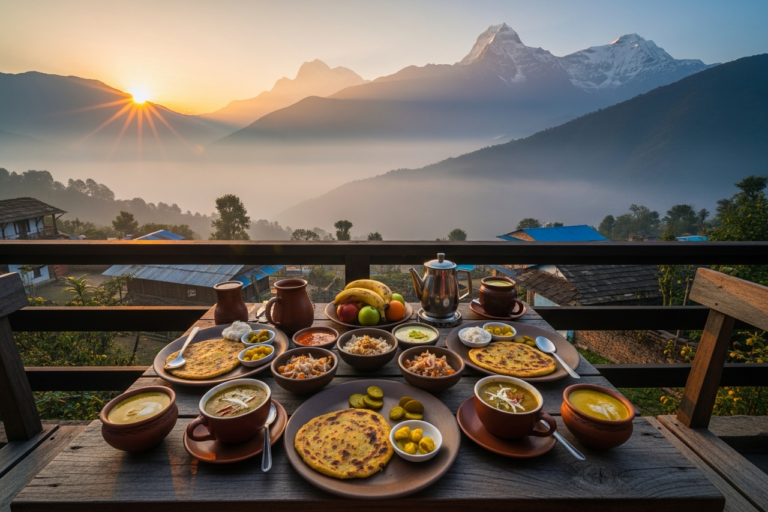
Key Highlights
-
In nepali food culture, the day is built around two main meals instead of the three you see in Canada.
-
The big dish in Nepal is dal bhat. It is made up of lentil soup and rice and is eaten by most people.
-
Breakfast is light in Nepal. It is sometimes just tea and a small snack.
-
In kathmandu and other big cities, more people are starting to have a western-style breakfast.
-
Lunch is the first big meal of the day and is served late in the morning. Dinner is the second big meal and is eaten in the evening.
-
To really get to know nepali food culture, it helps to learn about when people eat their main meals and what a typical bhat and snack might be like.
Introduction
Are you getting ready to travel to Nepal and want to know about food there? If you are from Canada, the timing of meals might be a bit different from what you know. In many Nepali households, the daily life follows its food habits very closely. This is true from busy places like Kathmandu to the quieter parts of rural Nepal. This guide will tell you about when people in Nepal eat. You will also learn what is common to eat at those times. That way, you can enjoy Nepali food and feel more at home on your trip.
Understanding Meal Times in Nepal
In Nepal, people normally eat two big meals each day instead of three. The nepali food culture is all about these two meals, with some small snacks in between. Many nepali households follow this, and it ties in with the farming ways of life in nepal.
If you are from Canada, it may take some time to get used to these meal times. Lunch often comes later in the morning, and then there is dinner, which is the second big meal of the day. Here is when you can expect to have breakfast, lunch, and dinner.
Typical Nepali Breakfast Hours
Breakfast in Nepal is not like a usual Canadian morning meal. It is often very light, and people eat it early in the day. It is not seen as one of the main meals like lunch or dinner. Normally, folks have a cup of tea made from fresh tea leaves. Along with the tea, there may be a small snack or a piece of bread, more common in cities.
In places like the Kathmandu Valley, you can see some people try out Western-style breakfast now. Still, most people stick to the simple way to start their morning. Breakfast is just a small thing to help get going before a bigger meal comes a bit later.
You do not usually find big plates of eggs, bacon, or other heavy things at breakfast in Nepal. Instead, people may have a light snack like sel roti. The main idea is to start the day soft and easy before the first real meal. This way of eating nepali food shows something special about life and food in Nepal, especially in Kathmandu.
Lunch Timing in Nepali Households
The first big meal of the day in Nepali households is lunch. People usually eat it late in the morning, around 10 or 11 a.m. This is much earlier than the lunch hour in Canada. In Nepal, it is almost more like brunch or an early lunch. This meal gives energy for the work that comes later in the day.
At the centre of this meal, you will almost always find dal bhat. This dish is special in Nepali cuisine and is made of steamed rice, called bhat, and a tasty lentil soup known as dal. Dal bhat is a simple and good meal that helps people get through the day.
Most families in Nepal make dal bhat fresh for every lunch. This is a key part of their daily life and comfort. It shows the true heart of food in Nepali households. The way this lunch stays simple and full of things you need makes it important to daily life for many.
When Is Dinner Usually Served in Nepal?
Dinner in Nepal is the second main meal that people have each day. It is usually eaten in the evening, often between 7 and 9 at night. In towns and cities like Kathmandu, life moves a bit faster, but dinner is still the time when family gets together.
In Nepali food culture, dinner is often the same meal people had for lunch. Dal bhat is served again. Some side dishes might be different, which adds some change to the meal. People sit together and share food. They also talk about what happened during the day.
There are some things you need to know about meal manners in Nepal. People in Nepaltraditionally eat with their right hand. The left hand is not used, since it is seen as not clean. Using the right hand for eating is an important part of the experience, especially when you are sharing nepali food in someone’s home.
What’s on the Plate: Common Nepali Breakfast Foods
A Nepali breakfast is usually light, but it is not dull. You may not get pancakes and syrup, but there are tasty and simple choices to enjoy. The day often begins with a hot cup of milky tea. This tea is made using fresh tea leaves.
With the tea, people often have a small snack. In the city, this could be a piece of bread. In other places, you might get a Nepali treat like sel roti. These breakfast foods are there to help you start your day in a simple way. Now, let’s look at some popular morning dishes and street snack foods.
Popular Nepali Morning Dishes
The morning meal in Nepal gives you a special taste of the local cuisine. You will find it is a bit lighter at this time of day. People often wait till later for dal bhat, which is the main meal, but breakfast still has its own share of good foods.
One food many people love is sel roti. This is a round bread made with rice flour. It tastes a little sweet and has a nice feel. The outside is crispy, while the inside stays soft. Folks eat it during festivals, but you can get it any day as a breakfast snack, too.
There are a few other common breakfast foods you might see, mostly in the Kathmandu Valley:
-
Puri: This is deep-fried bread made from wheat flour, and people often eat it with a hot and tasty vegetable curry.
-
Khir: It is a sweet and creamy rice pudding. You can have it for breakfast or just as a snack anytime you want.
-
Chiya: Nepali milk tea is found everywhere, often served with biscuits.
This is how people in Nepal, especially around Kathmandu, start their day with their local Nepali cuisine. You get to try something new, whether it’s sel roti, dal bhat, chiya, or curry with wheat flour breads.
Chiya (Nepali Milk Tea) Rituals
In Nepal, chiya is not just a drink. It is a big part of the culture. People in Nepal enjoy this sweet milk tea every day. It is a key part of Nepali food culture. Offering a cup of tea means you are welcome. When someone gets a cup of chiya, they feel like they belong right away.
Making chiya is easy. Black tea leaves, milk, water, sugar, and spices like cardamom are boiled together. The smell is nice and the taste is warm and comforting. This cup of tea often helps people start a talk and get to know each other.
In Nepal, people drink chiya every day. This shows how strong the social part of nepali food can be. Many people go to teahouses across the country to sit, relax, and have their favourite drink. The teahouse is a good place to see friends and meet new people. When a person from Canada comes to Nepal, trying this milk tea is a great way to get to know the country and local life.
Street Foods Enjoyed for Breakfast
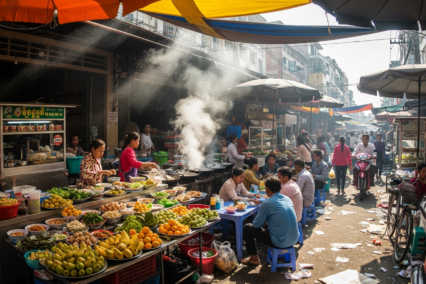
The streets of Nepal get busy each morning as people come out to sell tasty breakfast snacks. The street foods are fast, good, and not too pricey. If you want to eat like people in Nepal, these foods are a good start to your day. Trying these snacks will let you know more about what makes up daily food in the country.
You can find both sweet pastries and things with more spice. Anyone can find something they like. Grabbing a quick snack from a street seller is what many people do before going to work or school. This is a big and lively part of what you find in the city for food.
Some of the most loved breakfast street foods are:
-
Sel Roti: The crispy snack is made from rice flour, and looks a bit like a doughnut.
-
Jeri (Jalebi): This sweet treat is made by frying a spiral shape of batter, then soaking it in syrup full of sugar.
-
Samosa: These are crispy pastries in the shape of a triangle, filled with spiced potato and peas.
-
Puri Tarkari: This is soft fried bread offered with warm vegetable curry, or tarkari, on the side.
Nepali Lunch Traditions
Lunch in Nepal is the first main meal of the day, and it has real meaning for the people here. It is known to be filling and gives the energy people need to get through the rest of their day. The main part of this meal is dal bhat, which is the dish most people in Nepal count on.
This meal is not just about what you eat. It is a break that lets people slow down and connect. People have it with family or with people at work. This helps everyone feel close. Let’s look at lunch in Nepal, what bhat means to people, and little things that make this meal special.
Dal Bhat and Its Importance at Midday
Dal bhat is the heart and soul of Nepali cuisine. Its place at midday is very important, and you can’t say enough about that. This meal is simple but means a lot. It is made of steamed rice, called bhat, served with warm lentil soup. Having both rice and lentil soup together gives the body what it needs. You get both protein and carbohydrates, so it is good when you have a full day ahead of you or need energy to go trekking.
People often say, “Dal bhat power, 24 hour!” This saying is well known among both trekkers and the people who live there. It lets you know that this meal will keep you going all day. While some foods have rice flour, dal bhat does not use that. It uses whole pieces of steamed rice, and the rice sits right in the middle of the plate.
Many people in Nepal eat dal bhat every single day. For them, this is not just food. It is about home and family, bringing a feeling of comfort. It is also about keeping traditions alive. Dal bhat holds a special place in the Nepali diet. It shows how important this dish is in Nepali life and how it is truly the nation’s best comfort food.
Varieties of Side Dishes with Lunch
While dal bhat is at the heart of the meal, the extra dishes on the side, called tarkari, add more to it and make it interesting. The side dishes often change from day to day. This can depend on the time of year and what local foods are easy to get. They help bring colour and new taste to every plate, and you also get more good things in your food.
At lunch, you will most likely see a vegetable curry on your plate. People make these curries from things like potatoes, cauliflower, or leafy greens like mustard greens and spinach. One very common choice is gundruk, which are mustard greens that are fermented and have a different sour taste. Many people in Nepal love this dish, and it is part of many families’ regular lunch routine. These side dishes can turn a plain meal of rice and lentils into something special and filling.
Here are some side dishes people eat with lunch:
-
Tarkari: This is the word for vegetable curry.
-
Saag: These are leafy green vegetables, such as spinach or mustard greens, which are cooked with a little oil.
-
Achar: Hot and sour pickles to add more flavour and a bit of spice to the meal.
-
Masu: Meat curry, usually made from chicken or goat, for people who want to eat meat.
Cultural Practices Around Lunchtime
Lunchtime in Nepal is an important time. People in nepali households sit together to eat. They share food, talk, and spend time with family and friends. This helps them feel close to each other.
When you eat with nepalese families, there are some rules you need to know. In nepal, people often use their hands to eat. They always use the right hand to touch food. You should not use the left hand, because people in nepal see it as unclean. The left hand should not touch food or be used to pass plates.
There is another thing called “jhuto” you should understand. In nepali culture, if your mouth touches some food, that food should not be given or touched by others. So if you take food and start eating, do not use that same hand to touch food in a shared dish. Doing these things will show that you respect nepali values and the way people live in nepal and in nepali households.
Dinner Time Customs in Nepal
As the day turns to evening in the Himalayas, families in Nepal get together for dinner. This is the second big meal of the day. People use this time to relax, talk with each other, and eat more tasty Nepali food. Dinner customs in Nepal are a lot like lunch time. These meals focus on family and bring everyone together.
People in Nepal enjoy comfort and being close at dinnertime. It does not matter if someone is in a busy city or a quiet village, this evening meal is very important. The ritual of eating together is a big part of Nepali food culture. Now, let’s look at how families spend time together, what food they eat, and when this happens each day.
Family Dinners and Communal Eating
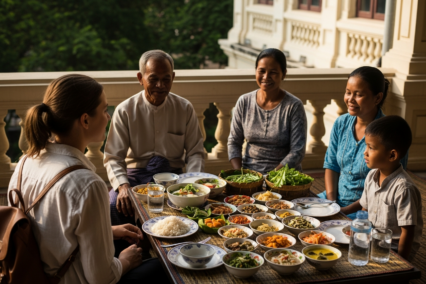
Family dinners are a big part of evening life in Nepali households. People in Nepal value eating together, and the evening meal is when families get to sit down as one after a busy day. This is a time for everyone to talk, share the day’s stories, and make their family ties stronger.
Eating together helps create a feeling of togetherness and support. The whole family comes, and they often sit on the floor to enjoy the same food. This way, there is a warm, open feeling, and everyone feels included in the group.
Like at lunch, there are etiquette rules to follow. People use their right hand to eat, and sharing is done with care and respect. Many families in Nepali households have dal bhat for dinner too. It’s a well-loved and familiar way to end the day, best enjoyed with the people you care about.
Typical Foods on the Nepali Dinner Table
The Nepali dinner table often has dishes that are common and well-loved. Dal bhat is the main dish again. For someone from Canada, eating the same meal every day might seem boring. But for Nepali people, this is a meal they feel good about. It fills you up, tastes good, and always feels right. The food stays the same most days, and that is what people enjoy.
But you still get some new tastes in the side dishes. The tarkari, or vegetable curry, can be made with a new variety of vegetables each time. What you eat in Kathmandu or other big cities might give you more choices. Still, the way people build their meals does not change.
Common parts of a Nepali dinner are:
-
Dal Bhat: A mix of rice and warm lentil soup.
-
Tarkari: This is a curry made with fresh vegetables.
-
Achar: These are spicy pickles that give more flavour to the food.
-
Roti: At dinner, some families might switch out the rice for this flat, round bread.
How Late Do Nepali People Dine?
Dinner in Nepali households is usually eaten in the evening, most often between 7 p.m. and 9 p.m. The exact time can be different if you live in the city or in a village. In villages, people often have dinner earlier, since they plan their day around the sun.
In the cities, people sometimes eat later because of work and busy life. But even in city areas, the streets get quiet by 8 p.m. By this time, most families are back home, ready for their evening meal. It’s not common for people to eat too late at night.
The evening meal is often rice, which is called bhat. This is the last big meal of the day in nepali households. It shows that work is over, and it’s time to relax. This routine is part of nepali food culture, and gives people a sense of order and comfort as they end their day with nepali food.
Comparing Nepalese and Canadian Meal Routines
For a Canadian visiting Nepal, the way people eat there might stand out to you. In Canada, we follow “three square meals” each day. We eat breakfast, then lunch, and then dinner, and there is a set time for every meal. In Nepal, the meal pattern is different. Nepali food is usually served at two main meals, and people also enjoy smaller snacks in between. This way of eating shows how Nepali food culture is not the same as in Canada.
This difference shows that culture really shapes how we eat, including our meal times and choices. When you notice how things are done there, you can really enjoy your travel and learn about nepali food and the way people in Nepal live. If you travel, look at how tourists notice these things and how main meals and times might not be the same everywhere in Nepal.
Differences Tourists May Notice
Tourists in Nepal will soon see that meal times here have their own style. One thing you notice is that people do not eat a big breakfast early in the morning. Hotels for travellers in the Kathmandu Valley might have Western breakfasts, but most local places have lighter food in the morning.
Lunch comes late in Nepal, often around 10 or 11 a.m. This can surprise Canadians who are used to eating at noon. The lunch is a good, big meal meant to give you energy for lots of work to come. That is different from the quick salads or sandwiches that people have back in Canada.
There is something else for travellers to get used to—people in Nepal eat dal bhat a lot. You have the same main meal two times a day. The taste is good, but it can feel new for people visiting. Nepali people love their dal bhat. It gives a sense of home, and there is pride in this Nepali food. If you go to Nepal or the Kathmandu Valley, trying dal bhat and other Nepali foods is a way to really take in their culture.
Urban vs Rural Meal Schedules
Meal schedules in Nepal are not uniform across the country; there are noticeable differences between urban and rural areas. In rural communities, life is often more closely tied to agricultural cycles and daylight hours. As a result, meals may be eaten earlier.
In urban centres like Kathmandu, modern work schedules and a faster pace of life influence meal times. People might eat later, and there’s a greater variety of food options available, including Western-style restaurants. However, the core tradition of two main meals, often featuring dal bhat, remains strong even in the city.
This table illustrates the general differences in meal times:
|
Meal |
Rural Schedule |
Urban Schedule (e.g., Kathmandu) |
|---|---|---|
|
Breakfast |
Early morning tea/snack |
Early morning tea/snack or light meal |
|
Lunch |
9 a.m. – 11 a.m. |
10 a.m. – 12 p.m. |
|
Dinner |
6 p.m. – 8 p.m. |
7 p.m. – 9 p.m. |
Conclusion
To sum up, knowing about meal times in Nepal helps you see what life and culture are like in the country. People start their day with breakfast and end it with family dinner. Each meal time shows something special about Nepali life and food habits. When you eat dal bhat or sip on some hot chiya, you get to taste the real Nepali cuisine. These meals are not just about the food. They are about coming together as a group. When you try food in Nepal, think about these customs and enjoy the good times with others. If you want to know more about dining in Nepal or if you need advice on Nepali cuisine, feel free to reach out!
Frequently Asked Questions
Do meal times change during festivals or holidays in Nepal?
Yes, when it’s Tihar or Dashain, meal times change and food gets more special. Families in Kathmandu and all over Nepal cook lots of different festive dishes. The main aim is to eat good food and celebrate together. Dal bhat can still be there, but you will see more types of Nepali food on the table at these times. All day, people enjoy many different Nepali dishes during these festivals.
Are there specific etiquette rules around Nepali meals that Canadians should know?
In most Nepali households, the most important rule is to eat with your right hand. The left hand is seen as unclean, so people do not use it when they eat. You also need to be careful about “jhuto,” which means food that gets dirty from someone’s saliva, especially when you are all sharing bhat or dal bhat. When you are given food, accept it and say thank you. Enjoying your meal is a big part of life in Nepali homes.
What street foods are commonly eaten at different meal times?
In the morning, you will see light street foods like sel roti, jeri, and puri. Momos, or dumplings, are a very popular snack throughout the day. Many people like to have samosas and pakodas in the afternoon or evening. These snacks are not just tasty, they are also an important part of Nepali food and Nepali food culture.